Across the UK and Ireland, a growing community of advanced practitioners and specialist nurses is working together to improve recognition and referral of patients with suspected inherited aortic conditions. This emerging network, shaped by shared learning and peer-to-peer support, is helping to bridge the gap between national guidance and day-to-day practice.
Translating Guidelines into Practice
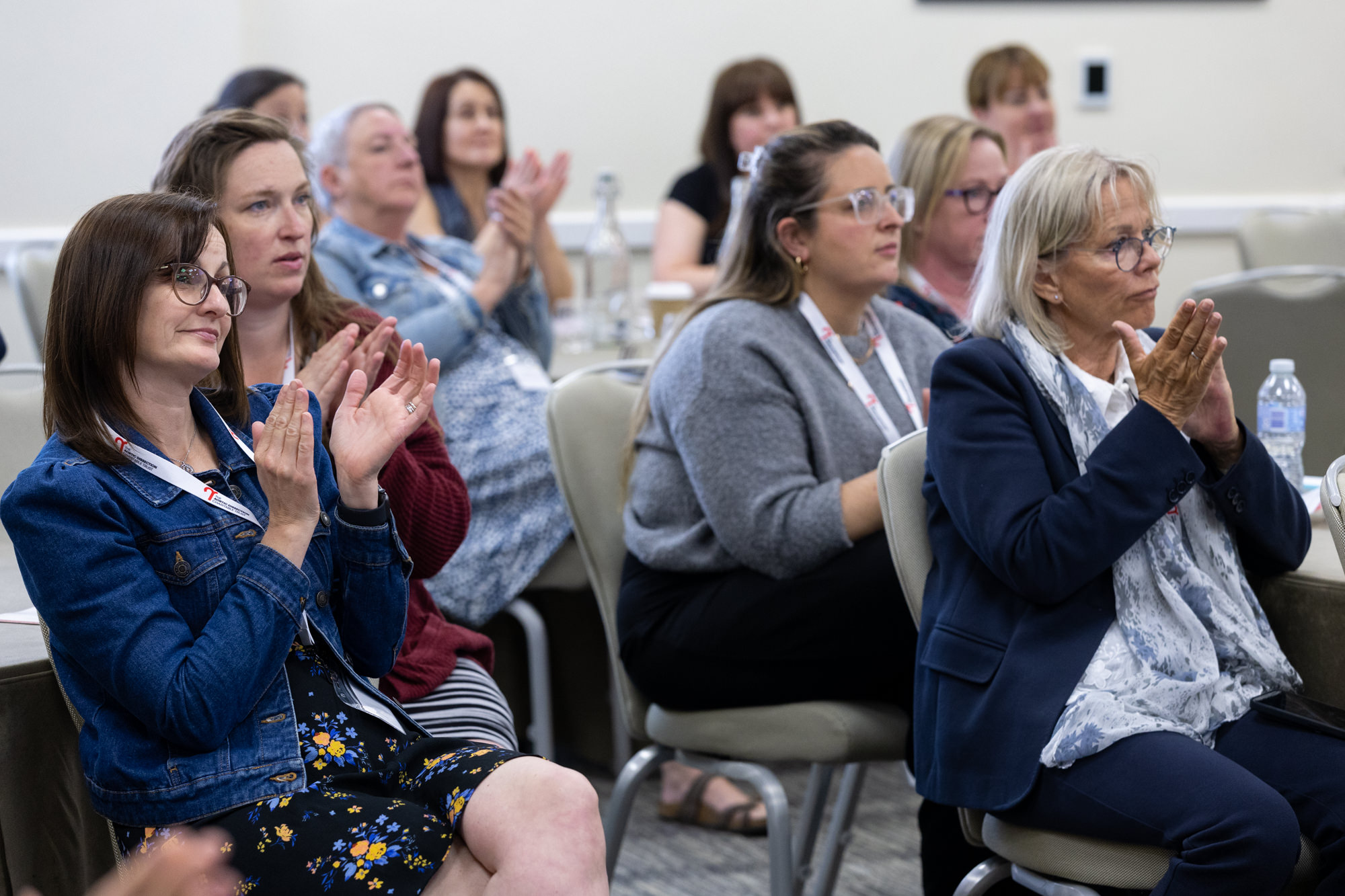
The recent Back to Basics session on genetics in aortic disease brought together nurses from a range of backgrounds who are seeing firsthand how earlier recognition of genetic risk is critical for patients and families. The session focused on how frontline practitioners are interpreting NHS England’s genomic testing criteria, relevant panel (R125), and using this knowledge to ensure timely referrals to Inherited Cardiac Conditions teams or Clinical Genetics Services.
Many nurses in this network are now building confidence in recognising red flags, such as thoracic aortic dissection or aneurysm in patients under 60, syndromic features or unexplained family histories of sudden cardiac death. By sharing real-world examples and discussing how these criteria apply in practice, the group is helping to standardise what was previously an inconsistent approach to identification and referral.
Family History and Pattern Recognition
Conversations among the group have highlighted the importance of clear documentation and careful family history-taking. Nurses are often the first to notice patterns across generations or pick up on small details that suggest a potential inherited syndrome. These insights are being shared informally and formally, creating a culture where nursing expertise is central to multidisciplinary care planning.
A recurring theme in the discussions has been the role of language and communication. Nurses within the group have shared experiences of how families respond to discussions about genetic testing, particularly when the referral comes after a major event such as dissection. Talking about “a review in genetics” rather than focusing solely on a gene fault or inherited risk has been found to support understanding and reduce anxiety.
“As nurses, we are central to identifying and managing genetic risks.”
Fortunate Mamombe, Royal Brompton & Harefield NHS Hospital
Strengthening Connection Through Peer Support
This community of practice is also helping to reduce professional isolation. Particularly those working in district hospitals or outside of specialist aortic services, report having few local colleagues with experience in aortic conditions. The peer network is helping to address this, offering both clinical and emotional support in managing complex cases and ensuring continuity of care.
As the network continues to grow, there is a collective recognition to connect pockets of knowledge to drive better outcomes. By pooling experience and collaborating across disciplines, aortic nurses are actively contributing to a more coordinated and patient-centred approach to genetic recognition and referral.
The work is ongoing, and future sessions will explore areas such as variant interpretation, cascade testing, and supporting families through long-term surveillance. For many, this network represents a significant shift from working in professional silos to becoming part of a broader movement committed to improving lives through shared knowledge and practical support.
If you are a nurse or advanced practitioner with an interest in aortic dissection, aneurysm or heritable aortic disease, we invite you to join our Community of Practice. Together we share experience, resources, best practice and support each other in delivering excellent care for patients and families at risk. Join and help shape the future of aortic nursing.