We are proud to support the development of a dedicated aortic biobank in partnership with the University of Liverpool and Liverpool Heart and Chest Hospital. This is one of the UK’s largest and most advanced aortic centres. With our funding, it is now home to a unique collection of aortic tissue and blood samples that will help transform research into life-threatening aortic conditions.
Why Focus on Aortic Samples?
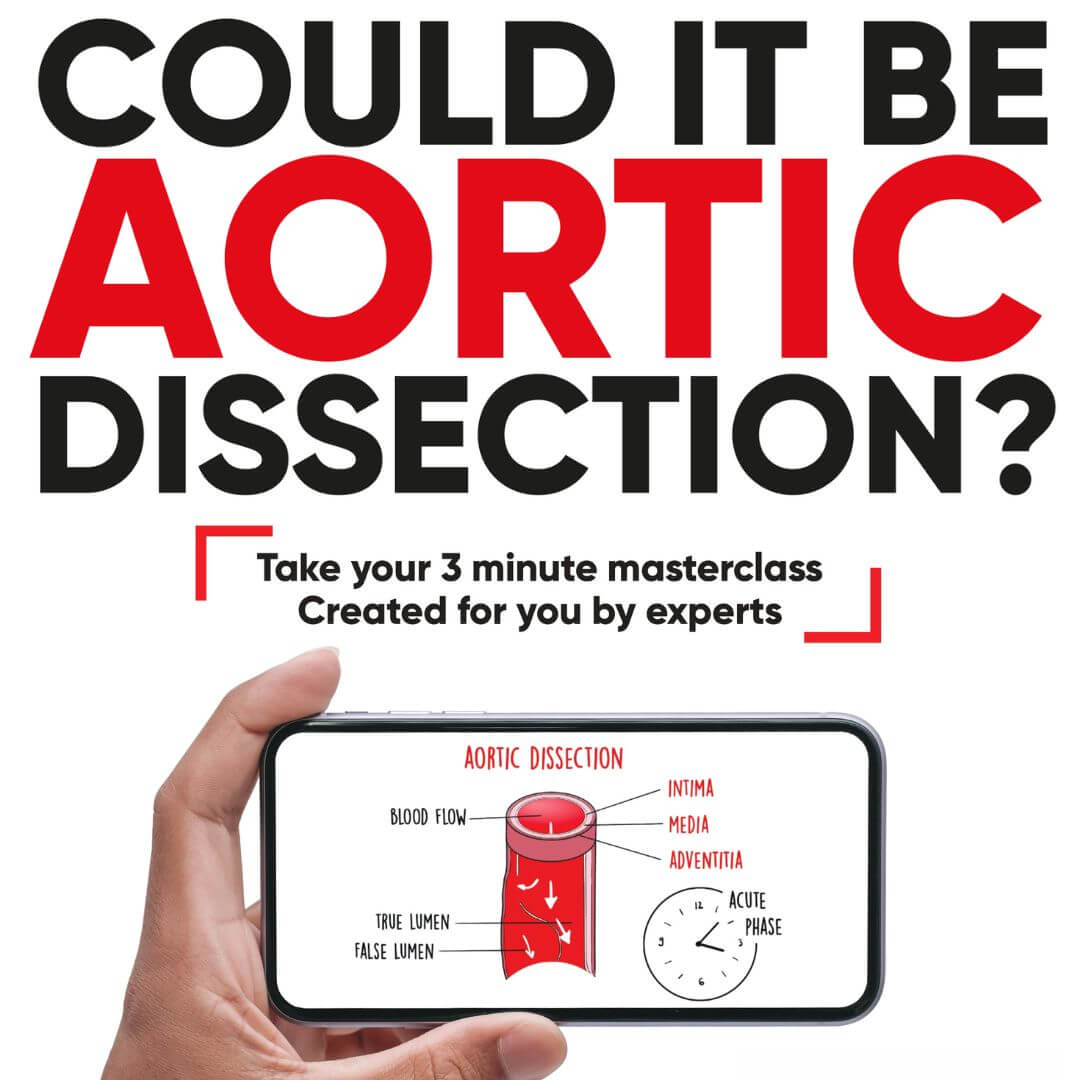
The aorta is the largest artery in the body. It carries blood from the heart to the rest of the body. When it is damaged or weakened, the results can be sudden and deadly. Conditions like aortic dissection, Marfan syndrome, Loeys-Dietz and Bicuspid Aortic Valve disease all affect the aorta.
Now officially recognised as an organ, the aorta deserves the same level of study and support as the heart, liver or lungs. But until now, access to aortic tissue has been limited.
Samples are often collected during surgery when part of the aorta is removed and replaced with a graft. These samples are collected only with full patient consent. Once stored properly, they can be used for years to come.
How a Biobank Changes Everything
Having a dedicated place to store and share samples allows researchers around the world to do more, faster. They no longer have to wait for new surgeries or search for patients. They can request high-quality, pre-collected samples and matched clinical data.
A specialist biobank for aortic disease brings four key benefits:
- Faster, easier access to rare samples. Researchers can begin work without waiting for new cases. Blood and tissue are ready to use.
- Better understanding of what causes disease. Samples help uncover genetic risks, lifestyle links and environmental triggers.
- Support for earlier diagnosis and targeted treatment. Biomarkers found in the tissue may lead to earlier warning signs and more precise therapies.
- Global sharing and stronger studies. The biobank links with other centres worldwide to give researchers access to even more samples and data.
Why Liverpool?
Liverpool Heart and Chest Hospital performs more than 250 aortic operations each year. It has one of the strongest surgical and research teams in the UK. Its close link with the University of Liverpool means research can happen on-site, side-by-side with patient care.
The research team is also well connected globally. They recently visited the Aortic Institute at Yale University to learn from their work and share best practices. With this network in place, the biobank will grow beyond the UK. It will offer researchers worldwide access to rare samples they cannot find locally.