Thanks to improvements in care, many more patients now survive aortic dissection, which was once an almost uniformly fatal event. As a result of better survival, attention must shift beyond simply surviving the acute event to long‑term quality of life, recovery and rehabilitation.
Research has made clear that survivors of thoracic aortic surgery, including those treated for dissection, often face ongoing challenges. Even when surgical outcomes are considered “acceptable”, many report persistent pain and reduced physical wellbeing compared with the general population. While other reports suggest decreasing physical fitness over time.
For survivors to not only live, but live well, their experiences, concerns and everyday challenges must be heard.
Without systematically listening to and understanding the survivor voice, it is difficult to design appropriate rehabilitation programmes or follow‑up care.
That is why the patient voice work led by the Aortic Dissection Charitable Trust, and particularly the recent input into the AortaFIT project is so crucial.

AortaFIT
This research project is focused on aortopathy patient engagement – patients who have had aortic dissection or other thoracic aortic disease. The aim is to use structured engagement, lifestyle guidance, rehabilitation and long-term monitoring to improve outcomes after surgery.
The key objectives of AortaFIT are:
- Rehabilitation & Recovery: to establish structured, evidence‑based rehabilitation that aids recovery after aortic surgery.
- Patient Empowerment: to help patients take an active role in managing their health, supported by education and lifestyle guidance.
- Long-term Health Tracking: to monitor physical and mental health over time, capturing not only survival but quality of life and overall wellbeing.
In collaboration with Amsterdam University Medical Center, the AortaFIT project is listening to patients and building a body of evidence that can inform future care pathways.
Collaborations between the charity and researchers are valuable in ensuring that findings and interventions are shaped by real patient needs and are internationally informed.
Listening to What Really Counts
Understanding Life After Aortic Dissection
- Pain, fatigue, sleep, appetite, energy: These influence day-to-day life more than is often appreciated. Ongoing pain or fatigue can limit a patient’s ability to return to normal daily activities, work or social life. Mortality statistics may show success, but they do not reflect ongoing suffering or disability.
- Mood, anxiety, mental health, confidence: Many survivors face psychological challenges after major surgery. Anxiety about health, fear of recurrence or complication, mood disturbances, or lack of confidence to engage in physical activity can impair quality of life.
- Exercise activity, physical rehabilitation, social activities: Recovery of physical fitness and cardiovascular health is vital after aortic surgery. Safe, appropriate exercise, tailored to the individual, can improve overall health, reduce risk of further complications, and restore a sense of normality. Without proper guidance, patients may either over‑exert (risking injury) or under‑exert (losing fitness) or avoid activity altogether out of fear.
- Health outlook, perception and long-term recovery journey: Understanding how patients view their long-term health, their needs and expectations, and how they navigate follow-up care and lifestyle changes is essential for designing effective follow-up and rehabilitation services.
Collecting detailed information on these areas from real people living with the aftermath of dissection will inform future guidelines for follow-up care, rehabilitation, patient education and psychosocial support.
PPI Shaping Care
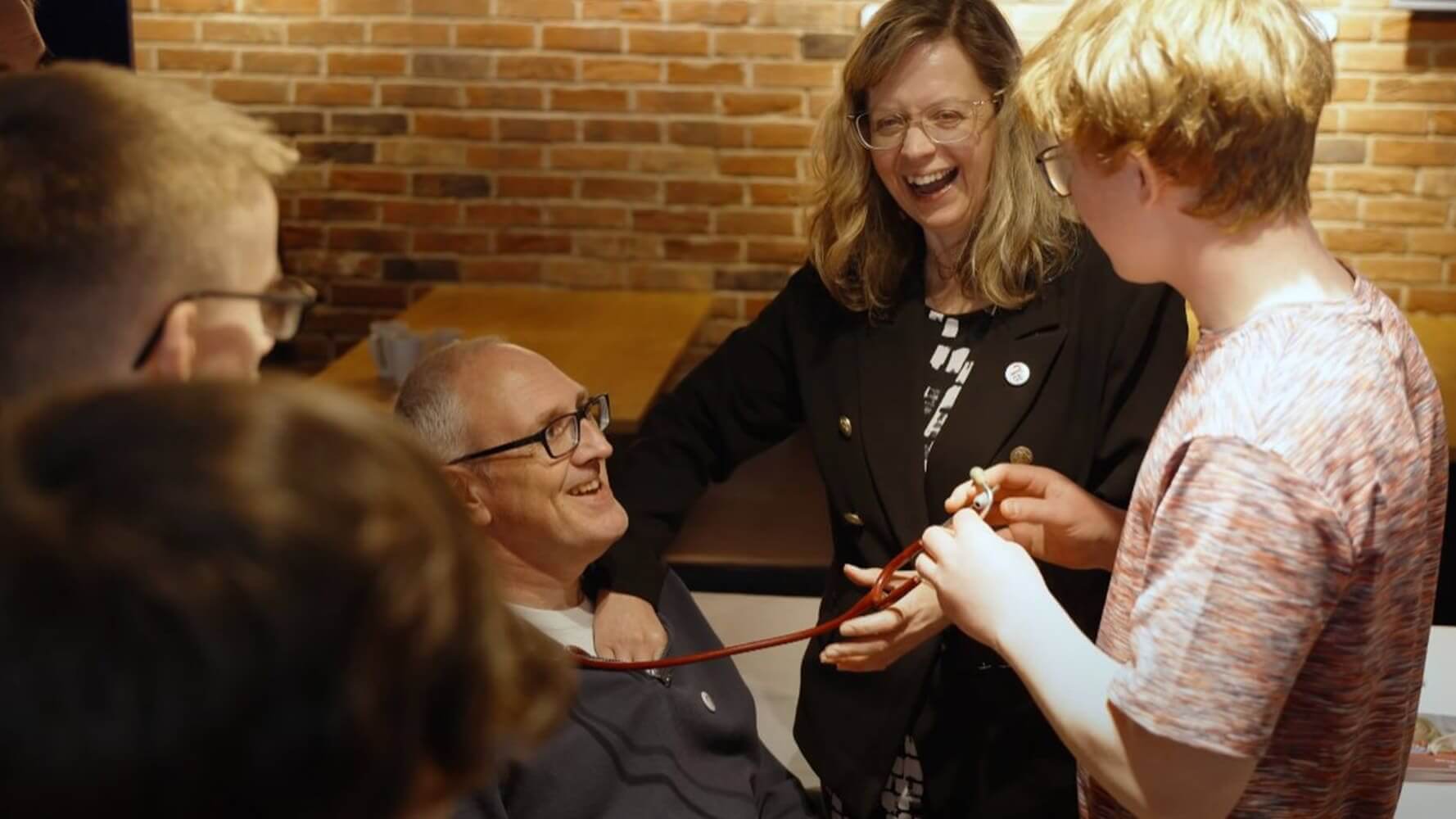
When patients share their experiences, their voices help identify unmet needs, gaps in existing support, and what survivors value most in their recovery journey.
This information will shape the practical application of research findings across a number of areas:
- Design of rehabilitation programmes tailored to real-world needs: knowing what patients struggle with (fatigue, pain, mental health, exercise tolerance) helps shape effective, realistic programmes.
- Creation of educational material and guidance: for patients, families, and clinicians, covering safe exercise, managing fatigue, mental health after surgery, realistic recovery expectations.
- Improved long-term follow-up care and monitoring: including not just imaging and cardiovascular surveillance, but genetics, psychosocial and quality‑of-life support.
- Informing health policy and service provision: as evidence accumulates, TADCT can argue more effectively for resources, services and consistent follow-up pathways for all survivors.
- Facilitating research and trials: aggregated data can help identify subgroups (e.g. those at higher risk of complications, lower quality‑of-life) who may benefit from targeted interventions or trials.
Every patient who contributes their voice helps ensure that support and research evolve in a way that is rooted in real patient experience.
For Patients Now and in the Future
For patients who survive aortic dissection, the journey does not end with discharge from hospital. Many face ongoing challenges: physical recovery, mental health, lifestyle adaptations, fear of complications, and uncertainty about the future. Without structured support, education, and long-term follow-up, including psychosocial as well as medical care, survivors may struggle unnecessarily.
Our Patient Panel Makes It Possible
We are deeply grateful to the members of our Research Panel who support this and many other ongoing research initiatives. The panel plays a vital role in shaping our research priorities, reviewing study proposals and ensuring that all work remains grounded in the real experiences and needs of those affected by aortic dissection.
The panel is made up of patients, carers, and family members from across the UK and Ireland. Their insight and lived experience are essential in helping researchers ask the right questions, interpret findings meaningfully and develop interventions that are truly patient-centred.
If you have lived experience of aortic dissection, whether as a patient or as someone supporting a loved one, we invite you to consider joining our Research Panel. Your voice could help shape future research and improve care for others living with this condition.
Your involvement will make a real difference.
By listening to patients, documenting their real experiences, and building tailored support based on evidence, the Aortic Dissection Charitable Trust is helping to redefine what “successful outcome” means.