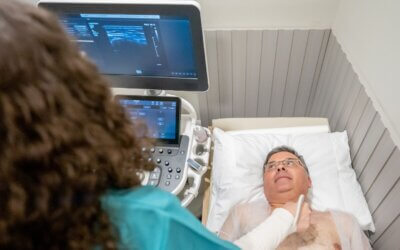
The Society for Cardiothoracic Surgery in Great Britain and Ireland (SCTS) Annual Meeting in Belfast provided a valuable opportunity to bring together clinicians, researchers, surgical teams and allied health professionals who care for patients with complex cardiovascular conditions. For the charity, it was a few days filled with collaboration and connecting with the surgical community.
A central part of our presence at the meeting was the delivery of the fifth instalment of our popular Lunch and Learn session, proudly sponsored by Terumo Aortic. These sessions are designed to create space for open discussion and shared learning within the cardiothoracic community. They allow clinicians and researchers to explore important developments in aortic disease while engaging directly with the charity’s work and priorities.
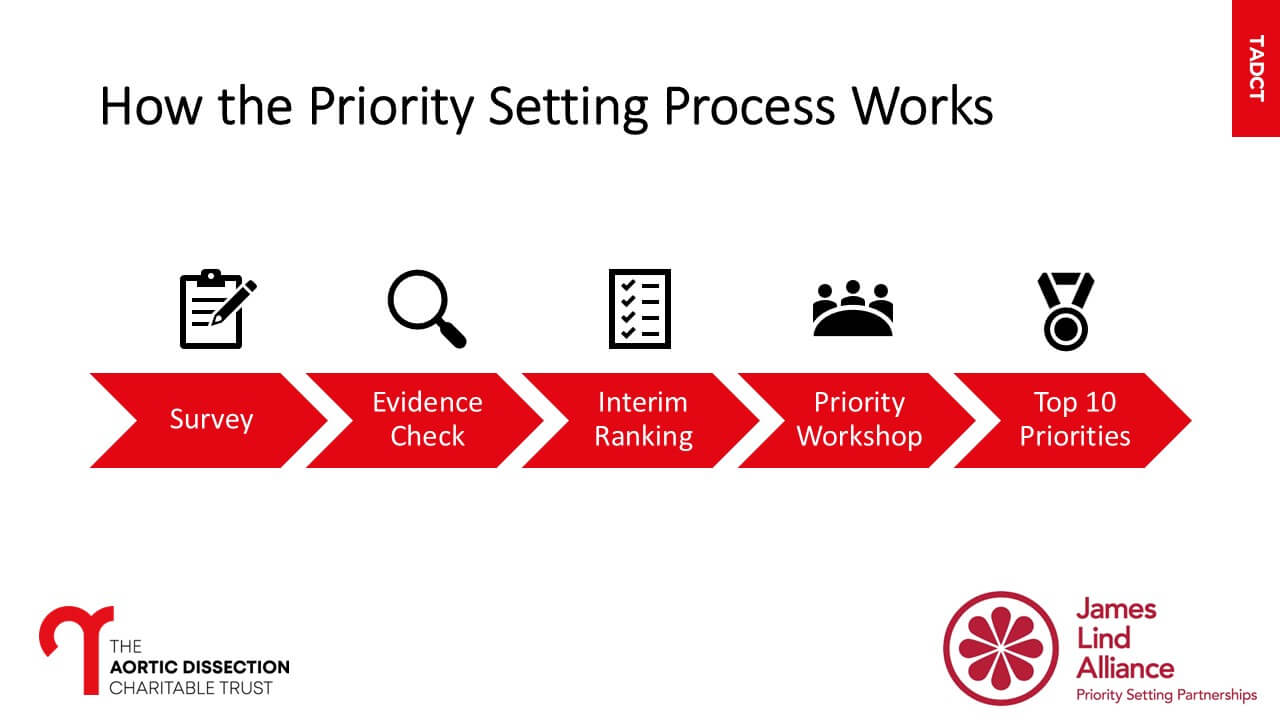
During this year’s session, the charity announced the opening of the initial consultation phase of our James Lind Alliance (JLA) Priority Setting Partnership (PSP) for aortic dissection. The session explored the background to this initiative and presented the evidence for why prioritising research in aortic dissection is urgently needed.
The discussion then opened to the audience. Surgeons, nurses, allied health professionals and other members of surgical care teams were invited to share their perspectives. This interactive approach helped us gauge the room and gather early insights from those who treat patients every day.
Feedback from the conference was very encouraging. Responses to the session were positive, and conversations throughout the event reinforced a clear message. There is a strong need for a dedicated Priority Setting Partnership in aortic dissection, and there is genuine appetite within the surgical community to take part in the process.
If you would like to help with this work, we welcome clinicians, patients and family members to get involved. You can find more information about the process and how to take part here.
The First Dedicated Priority Setting Partnership for Aortic Dissection
This initiative is an important milestone. It is the first time a James Lind Alliance Priority Setting Partnership has focused specifically on aortic dissection.
Previous PSPs have often grouped aortic dissection within broader themes of cardiovascular or vascular disease. While these efforts have been valuable, a dedicated PSP will allow the field to focus on the specific unanswered questions that matter most to patients and clinicians.
The goal is to move beyond broad topic areas and identify specific uncertainties that require answers. Once these questions are prioritised, they can form the basis for targeted research programmes and funding applications.
This focus matters because the National Institute for Health and Care Research (NIHR) offers funding for projects that match priorities set by James Lind Alliance partnerships. When we clearly define research priorities through the JLA process, it makes it easier to align important questions with NIHR funding. Patients, carers, and clinicians will be involved at every step, from collecting questions to ranking research priorities. This way, the research agenda will reflect the real needs of people affected by aortic dissection and those who care for them.
Building on Previous Priority Setting Partnerships
While this is the first PSP focused only on aortic dissection, earlier partnerships have already pointed out important gaps in what we know about the condition.
In 2019, the Heart Surgery Priority Setting Partnership published by the University of Leicester, identified the question:
“What are the best ways to prevent, diagnose, and treat patients with acute aortic dissection?”
Despite its importance, the question did not reach the final top ten priorities. This was largely due to the broader scope of the project, which covered many different aspects of heart surgery.
A later initiative provided more specific attention to diseases of the aorta. The Research Priorities for Aortic Diseases project, published in 2022 by the Vascular Society of Great Britain and Ireland, identified several key questions within its top ten priorities. These included:
“Can we develop a test that could diagnose patients at risk of aortic aneurysm or dissection?”
“When should people with aneurysms be offered an operation to repair their aneurysm, and how quickly should this be done if surgery is required?”
These priorities have already helped shape new research programmes. For example, the EARNEST Trial received £2.8 million in funding from the NIHR. Other projects on similar topics are also starting to develop.
The importance of aortic disease has also been recognised within emergency medicine. In 2020, the Royal College of Emergency Medicine refreshed its own priority setting partnership and identified the question:
“How can patients who present to the Emergency Department with Acute Aortic Syndrome be identified, and are there decision tools which can reduce overuse of CT scans to identify these patients?”
This question has also led to more research. It helped start the Aortic Syndrome Evidence Synthesis (ASES) Study in 2023, which received £200,000 from the NIHR. The DAShEd Study has also been funded by the Royal College of Emergency Medicine.
Strengthening the Research Landscape
These examples show how Priority Setting Partnerships can shape research. When clinicians and patients agree on the most urgent questions, funding bodies can respond with targeted programmes.
A dedicated PSP for aortic dissection will help focus research in this area. It will show where evidence is missing and where research could most improve patient outcomes.
The strong engagement at the SCTS meeting in Belfast shows that the surgical and clinical community values this work. Working together with patients, carers, clinicians and researchers will be key to improving diagnosis, treatment and long-term care for those with aortic dissection.
The next step is to collect questions from everyone in the community. Every perspective is important. The experiences of people living with the condition matter just as much as those of the clinicians who care for them.
If you want to help shape future research priorities for aortic dissection, please visit tadct.org/JLA to learn more about the process and how you can get involved.