
Acute Aortic Dissection (AAD) NHS Toolkit
The Aortic Dissection Charitable Trust helped create and launch the NHS Emergency Acute Aortic Dissection Toolkit. This major national project aims to improve emergency care for patients with acute aortic dissection in England and reduce preventable deaths.
Once the toolkit is used in every region, it could save as many as 500 lives each year. It gives regional networks a clear plan so patients get quick diagnoses, fast specialist care and safe transfers to the right centre.
Care for this condition has varied for years. Some patients have had quick referrals and fast access to surgery, but others have faced delays because of unclear processes or a lack of awareness. Good outcomes depend heavily on speed, teamwork and specialist skills.
The toolkit lists seven key principles for every regional pathway. These principles encourage teamwork among commissioners, providers, clinicians, ambulance services, and patient groups. They also highlight how important it is for patients to help shape safer services. Get in touch to see how we can help with your education and toolkit launch.
Why the Acute Aortic Dissection Toolkit was Developed
Acute aortic dissection can lead to rupture, organ damage, stroke or death if not treated quickly. Symptoms often start with sudden, severe chest, back, or abdominal pain, collapse or symptoms similar to a stroke.
But because the symptoms can mimic other serious illnesses, patients are sometimes treated for another condition before doctors confirm the diagnosis. This can delay scans, access to cardiothoracic or vascular specialists, or organising transfers. In some regions, referral pathways have been unclear or inconsistent.
Evidence from the literature has shown that clear rotas, a defined referral route and specialist surgical teams reduce mortality and shorten time to treatment. The toolkit was therefore developed to provide practical guidance that all regions can adopt and adapt according to local needs and resources, while still meeting a consistent national standard.
The aim of the toolkit is simple. Every patient with acute aortic dissection should get fast specialist assessment and the safest care, no matter where they first seek help.
Explanation of the toolkit recorded during its design.
The Seven Key Principles
The toolkit describes seven key principles that form the foundation of an effective regional acute aortic dissection pathway. Each principle addresses a known area of weakness in existing systems and provides a framework for improvement.
Principle 7 – A Regional Education Programme
Education underpins the success of the entire pathway. All staff involved in the patient journey must understand how the regional system operates and how to access specialist support.
Training should include ambulance and paramedic crews, emergency department clinicians and nurses, diagnostic teams, cardiothoracic and vascular teams, critical care units and coronary care teams.
Education should be in place before the pathway is launched and should continue at regular intervals. Patient lived experience should be included wherever possible to strengthen awareness and understanding.
A well-designed education programme increases recognition of symptoms, reduces delay and embeds the pathway into routine practice.
Implementing Principle 7
Delivering a regional education programme takes careful planning, strong leadership, and ongoing commitment. Education should be seen as a continuous process that grows and changes with the pathway, not just a one-time event.
Each region should appoint a lead clinician or network representative to oversee education delivery. Administrative support is required to coordinate sessions, maintain attendance records and ensure materials remain current.
At the start, identify all staff groups involved in the acute pathway. These include ambulance services, emergency departments, radiology teams, surgical units, critical care, theatre teams, and rota coordinators. Training should match the specific roles and duties of each group.
Core training should include how to manage patients right away (such as controlling blood pressure), use the single point of contact, handle image transfers, and follow transfer protocols. Staff also need to know their place in the regional network and why early talks with specialists matter.
Regions can offer education through in-person sessions, simulation training, webinars, or online platforms. Short, focused sessions work best in busy clinical settings. Training should be repeated often to keep up with staff changes and rota updates.
Including patient stories adds valuable insight. Listening to patients or their families can show how delays in diagnosis affect people and remind staff why acting quickly is so important.
It is important to track results. Regions should look at key measures like time to CT scan, time to specialist review, time to surgery, mortality rates, and patient feedback. Education programs should change based on audit results to keep improving.
Ongoing education helps keep awareness high and supports lasting improvements nationally.
Supported by the Charity
The Aortic Dissection Charitable Trust is committed to supporting regions in implementing the toolkit and strengthening their education programmes.
- We provide system wide training tailored to local regional needs, delivered either in person or through webinars. Our sessions combine clinical insight with patient perspective to support practical learning.
- We involve patients directly in our education sessions. Their experiences help teams understand both the clinical and emotional sides of care.
- We help regions measure the impact of service changes by supporting patient feedback and sharing lessons from across the country. We also offer research opportunities and educational resources to support local training.
- We work with NHS regions to make sure Principle 7 becomes part of daily practice. Education links all the principles in the toolkit. When staff use the referral pathway with confidence and coordinate care well, patients do better.
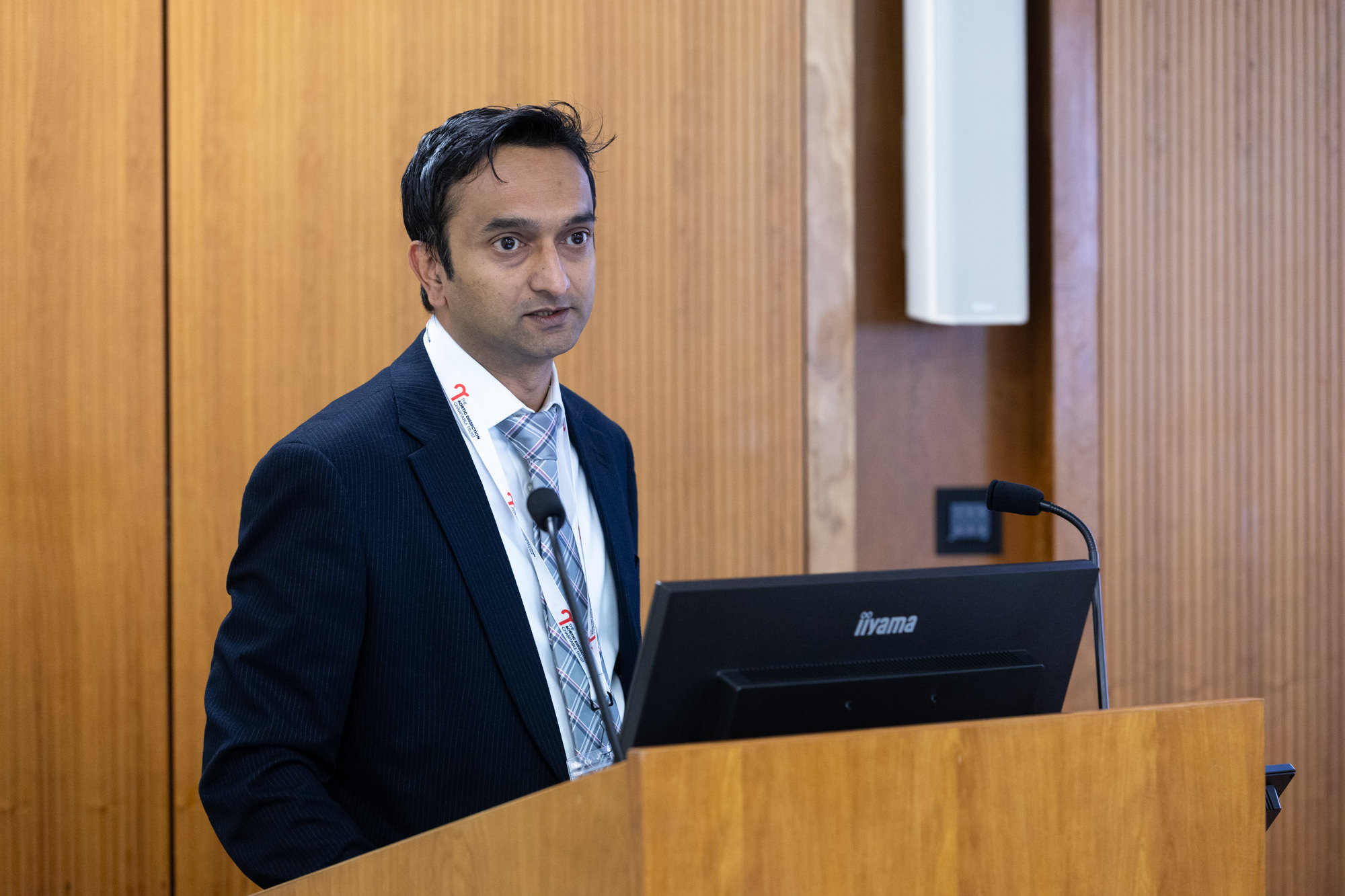
South East and South West
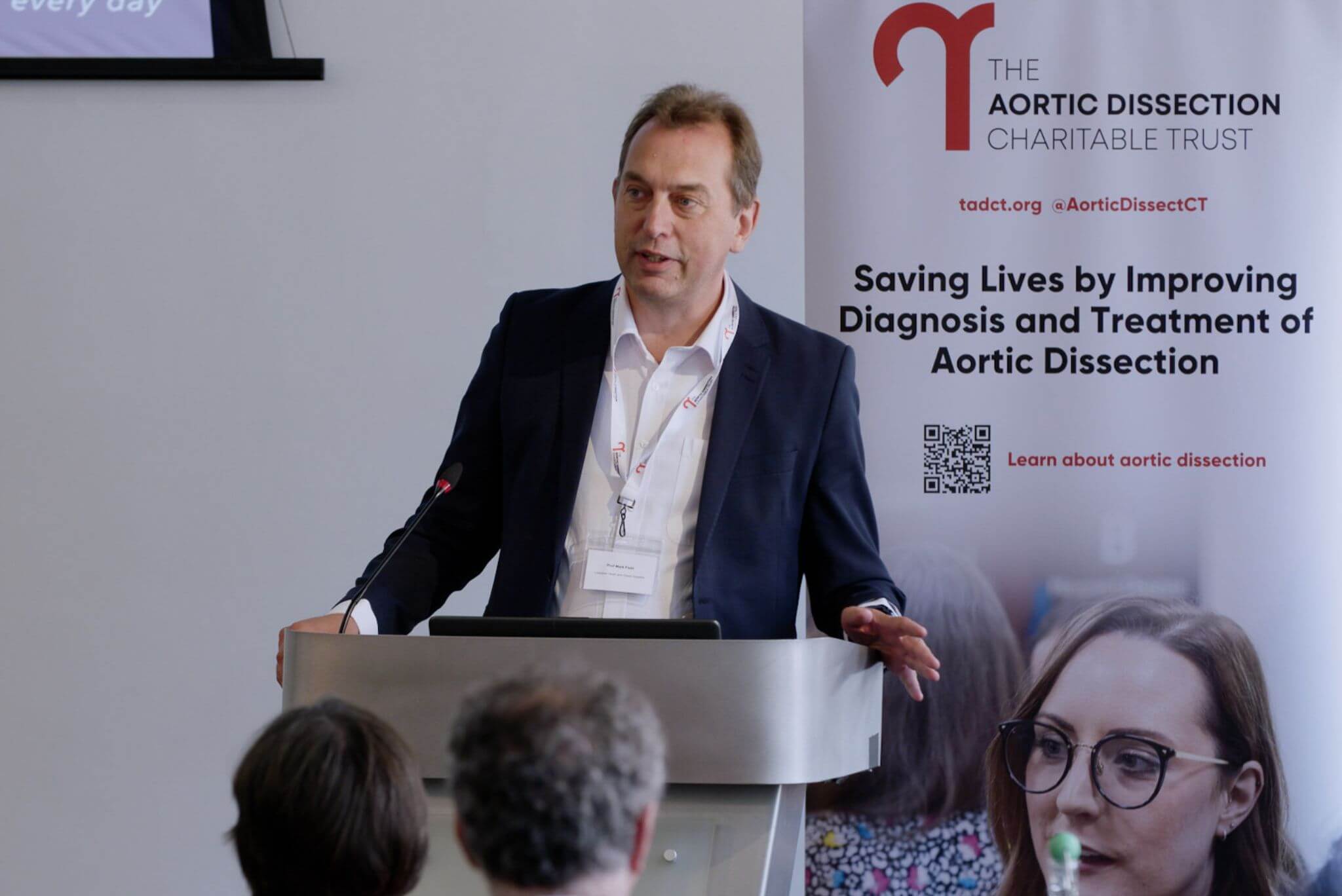
North West
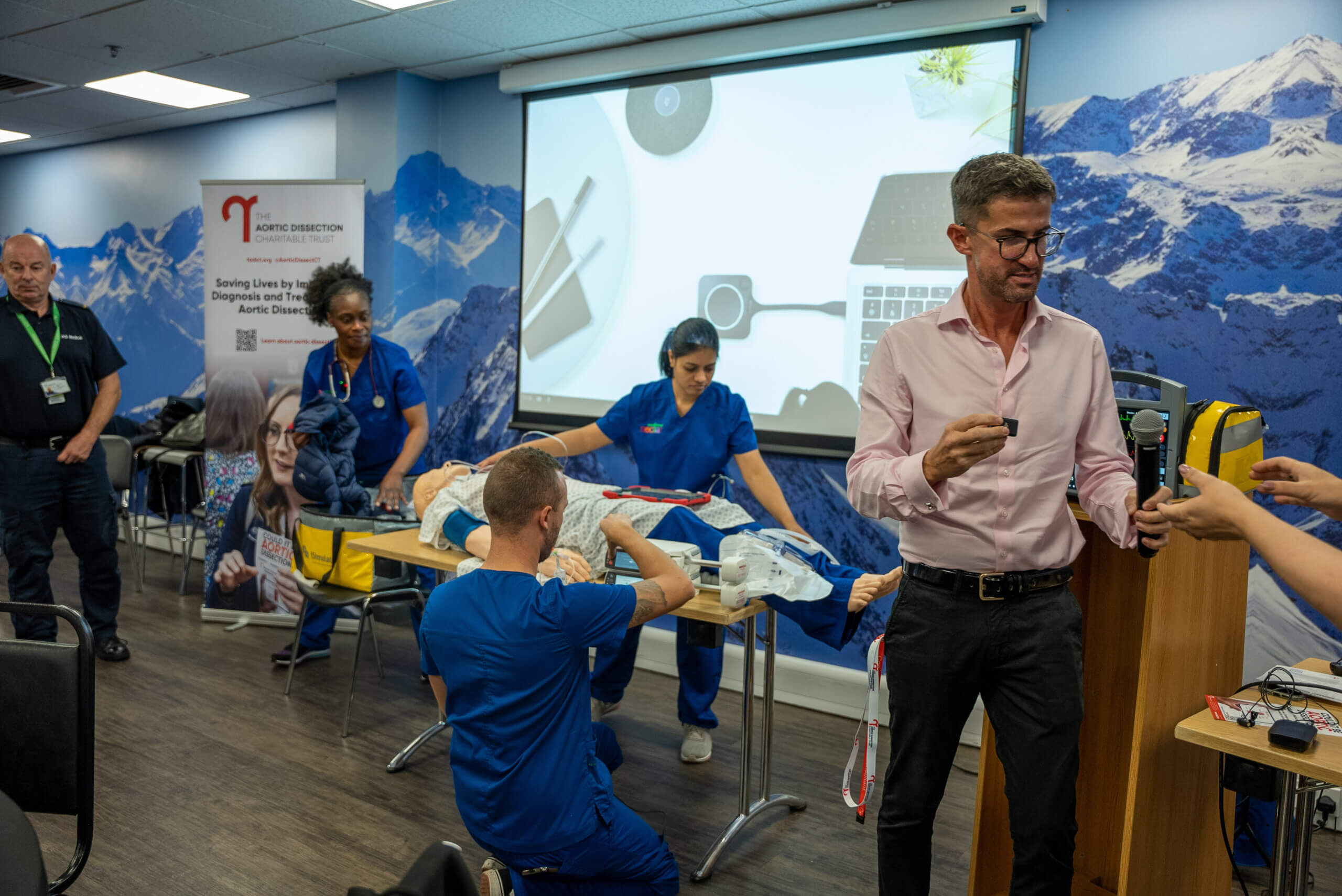
North East and Yorkshire
The toolkit gives a clear structure for change. Working together and keeping up education brings this structure into daily care and helps make safer pathways for patients with acute aortic dissection. Get in touch to see how we can help with your education and toolkit launch.
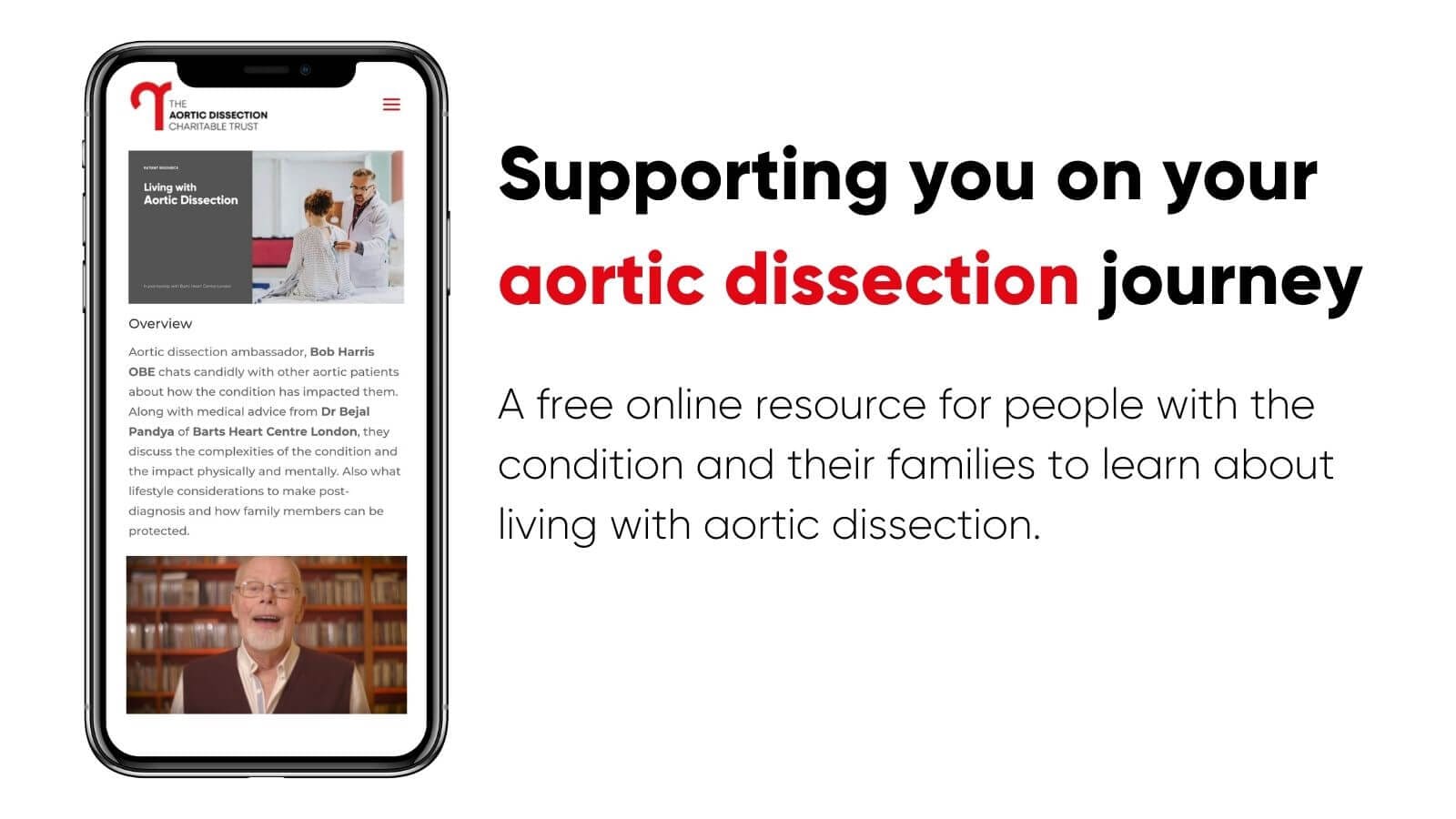
Patient Resources
Guiding you on your journey following an aortic dissection. Free online resources for families and those who have or are at risk of aortic dissection.
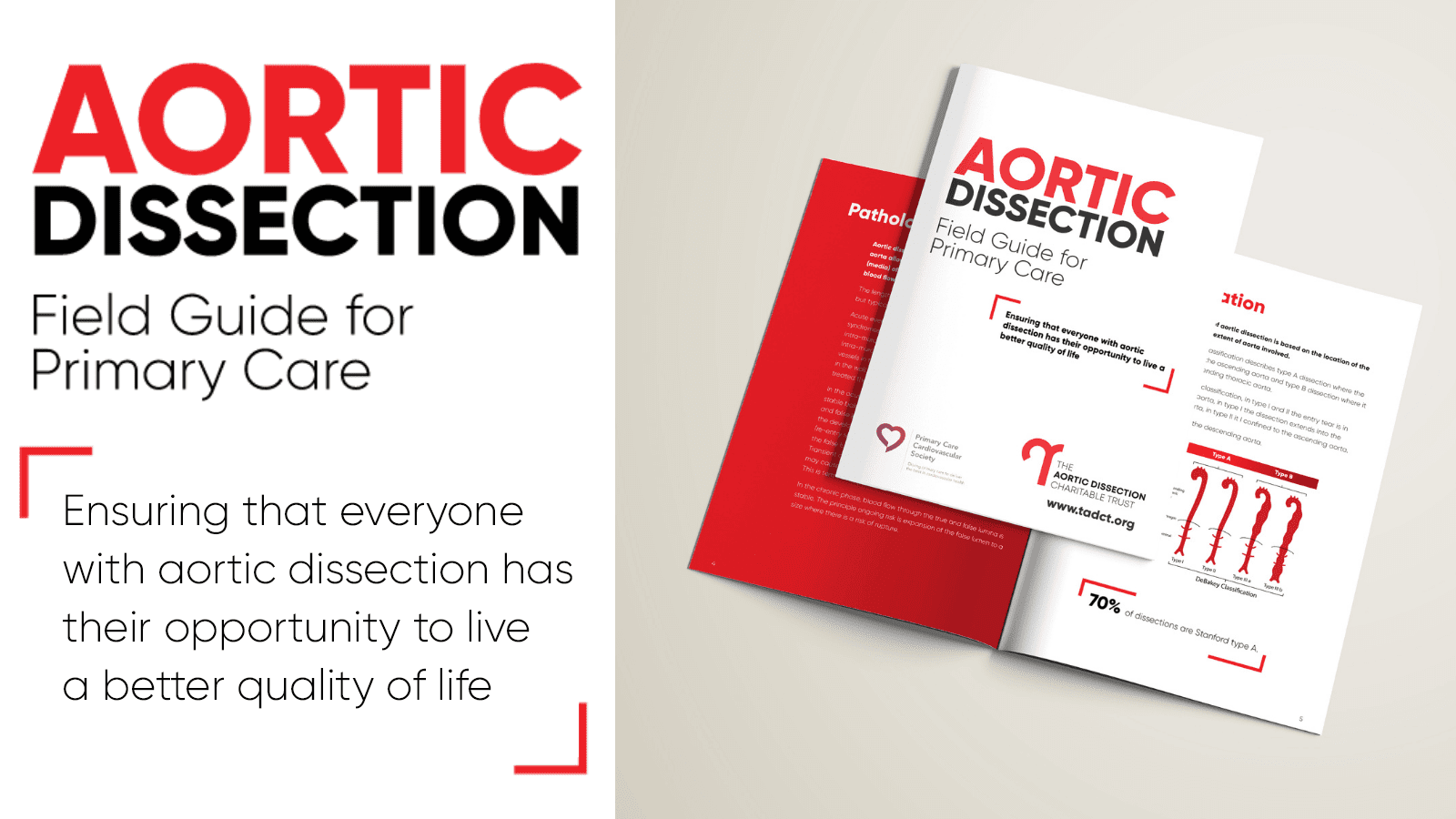
Primary Care Field Guide
Supporting multi-disciplinary teams of GPs, nurses, pharmacists & other healthcare professionals involved in cardiovascular disease care.
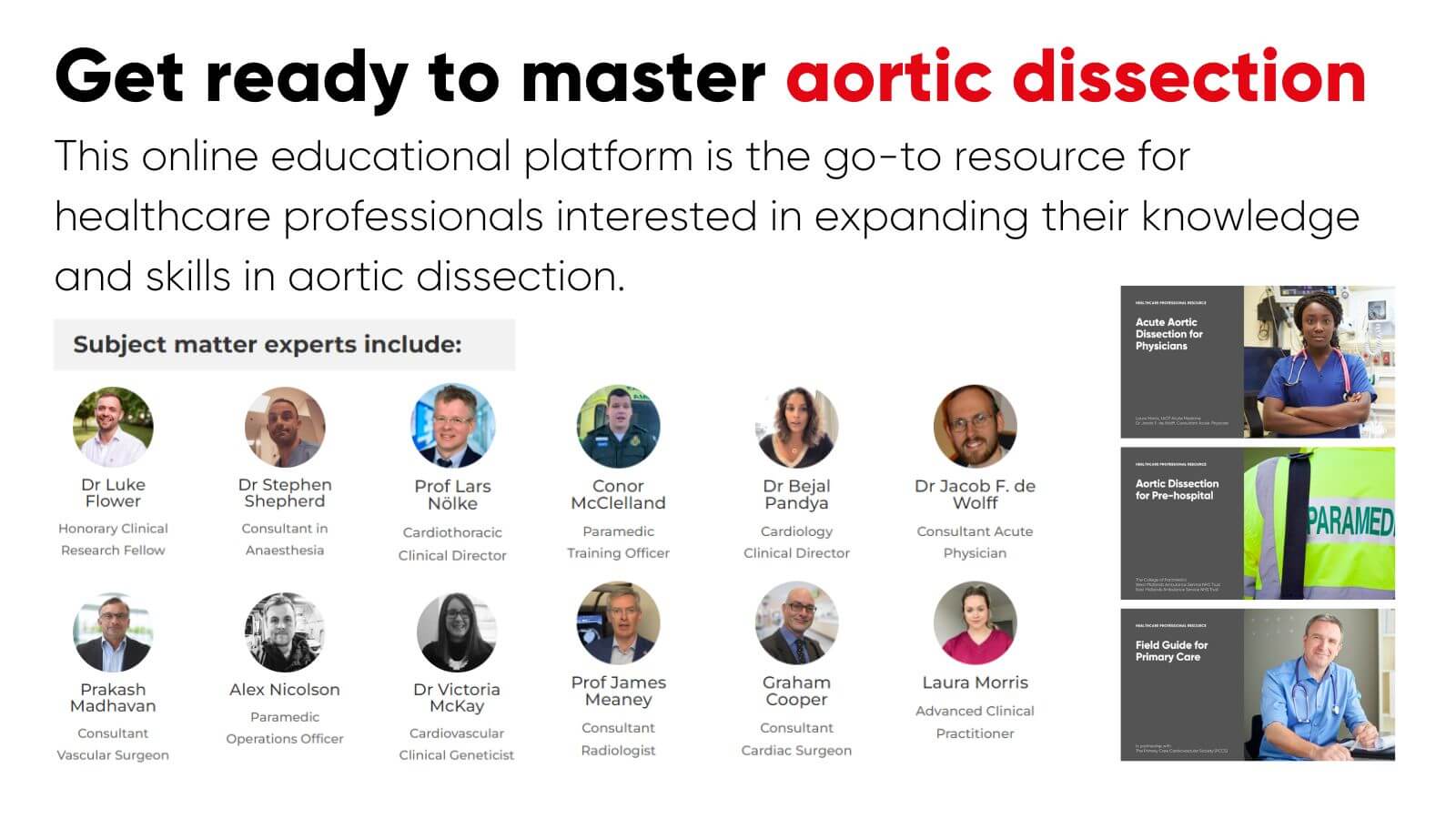
HCP Resources
Free open access AortaEd resources for healthcare professionals interested in expanding their knowledge and skills in this crucial area.

Privacy Policy | Accessibility
The Aortic Dissection Charitable Trust
Registered charity in England & Wales No. 1191420
Registered charity in Scotland No. SC051517
PO Box 812, Hope Valley, Chesterfield S40 9QY
The information and materials on this site are for general information purposes only. This site is not designed to provide individual medical advice, diagnosis or treatment. If you have any concerns, please speak to your GP. If you believe you have a medical emergency, call 999 immediately.