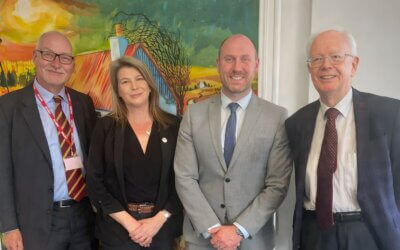
We were very pleased to support the recent Aortopathy Patient and Family Day at Great Ormond Street Hospital (GOSH). The event was thoughtfully planned for families of children and young people living with a diagnosis of aortopathy, whether newly identified or long established. Events like this help provide clear information, a chance to ask questions and time to meet others who understand the challenges of living with these conditions.
Aortopathy at GOSH
The clinical team at GOSH put together a full programme. Families learnt about aortopathies and how these conditions affect the aorta and the rest of the cardiovascular system. There were sessions on psychology, looking at the emotional and social impact of diagnosis, and practical physiotherapy advice for children and young people with connective tissue and vascular conditions. The team also talked about moving to adult services, which can be a worry for parents of teenagers.
The event also covered information about specific conditions like Marfan syndrome, Loeys-Dietz syndrome and vascular Ehlers-Danlos. Families could ask specialists direct questions during an expert panel session. One of the most memorable moments was when a guest family speaker shared their own experience. Hearing from another parent who has faced diagnosis, hospital visits and uncertainty can be very reassuring.
Supporting Children
Children and young people were included throughout the day. The GOSH play team set up arts and crafts activities. There were also virtual reality heart tours with the Institute of Cardiovascular Science, plus music, magic, computer and board games. Breakout sessions let parents and children join separate psychology discussions, and physiotherapy demonstrations offered practical tips to use at home.Talking to Children About Genetics
Inherited aortic conditions often raise questions about genetics and genetic testing, in addition to medical care. Many parents say this is one of the hardest topics to talk about. Feelings of guilt are common, and some parents want to protect their child by putting off the conversation.
If information is not shared, children might overhear conversations or pick up bits and pieces from relatives. They may imagine things that are worse than the truth. They also notice changes in a parent’s mood or behaviour and can feel anxious without knowing why. Open communication helps children feel respected and included. There is no perfect age to start. What matters is giving age-appropriate information and building understanding over time.
Involving Children in Genetic Testing Discussions
If an aortic condition is genetic, relatives may be offered testing to see if they have the same genetic change. Including children in these conversations can be helpful. Children have a right to know about their health in a way they can understand. Younger children might not understand everything, but simple explanations early on lay the groundwork. As they get older, this foundation makes it easier to have more detailed talks without the news feeling sudden or overwhelming. It also helps to show your child how you handle uncertainty and risk. Parents who were diagnosed later in life often felt shocked or upset. For a child who grows up knowing about a condition in the family, it can feel normal. Being familiar with the condition often makes it less scary.Practical Tips for Conversations
When deciding what to say, begin by asking your child what they already know. Some children might worry they will need surgery right away. In these cases, explaining the diagnosis and the plan for monitoring can help reassure them. Use clear words and name the condition. Many families find it helpful to share information bit by bit. One conversation starts things off, but it usually isn’t the last. Keep explanations simple and manageable. Pay attention to signs that your child has heard enough for now. Focus on the positive side of knowing, like access to screening, monitoring, and better treatments. If you are having tests or procedures, explain them in simple terms so your child understands what is happening and why. Children are often more practical than adults expect. School, friends and hobbies are still their main focus. Health risks in the future can seem far away to them. Let them know they are not alone. If siblings or cousins are also being tested, support from family can help. Remember that each child reacts differently, so adjust your conversations as needed. Some children find it easier to talk while doing something else, like cooking or walking. These times can feel less intense than sitting face to face. Let your child know that questions are always welcome. By making it clear they can talk, you lower the chance they will stay quiet out of fear of upsetting you. It is okay to admit when you do not know the answer. You can suggest finding out together.Additional Support
Resources can help too. The My Genome Sequence animation from GOSH explains what a genome is and how whole genome sequencing works in a way that young people can understand. Tools like this can make discussions easier and help make complex science less intimidating.
Most importantly, remember there is no perfect script. What matters most is being open, honest, and reassuring. Genetic counsellors and cardiac teams are there to help with these conversations. Families do not have to face them alone. At the Aortic Dissection Charity, we share that message. Clear information and kind communication help children feel confident and support families as they move forward together.