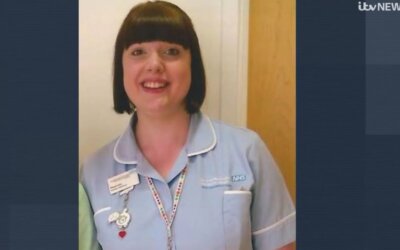
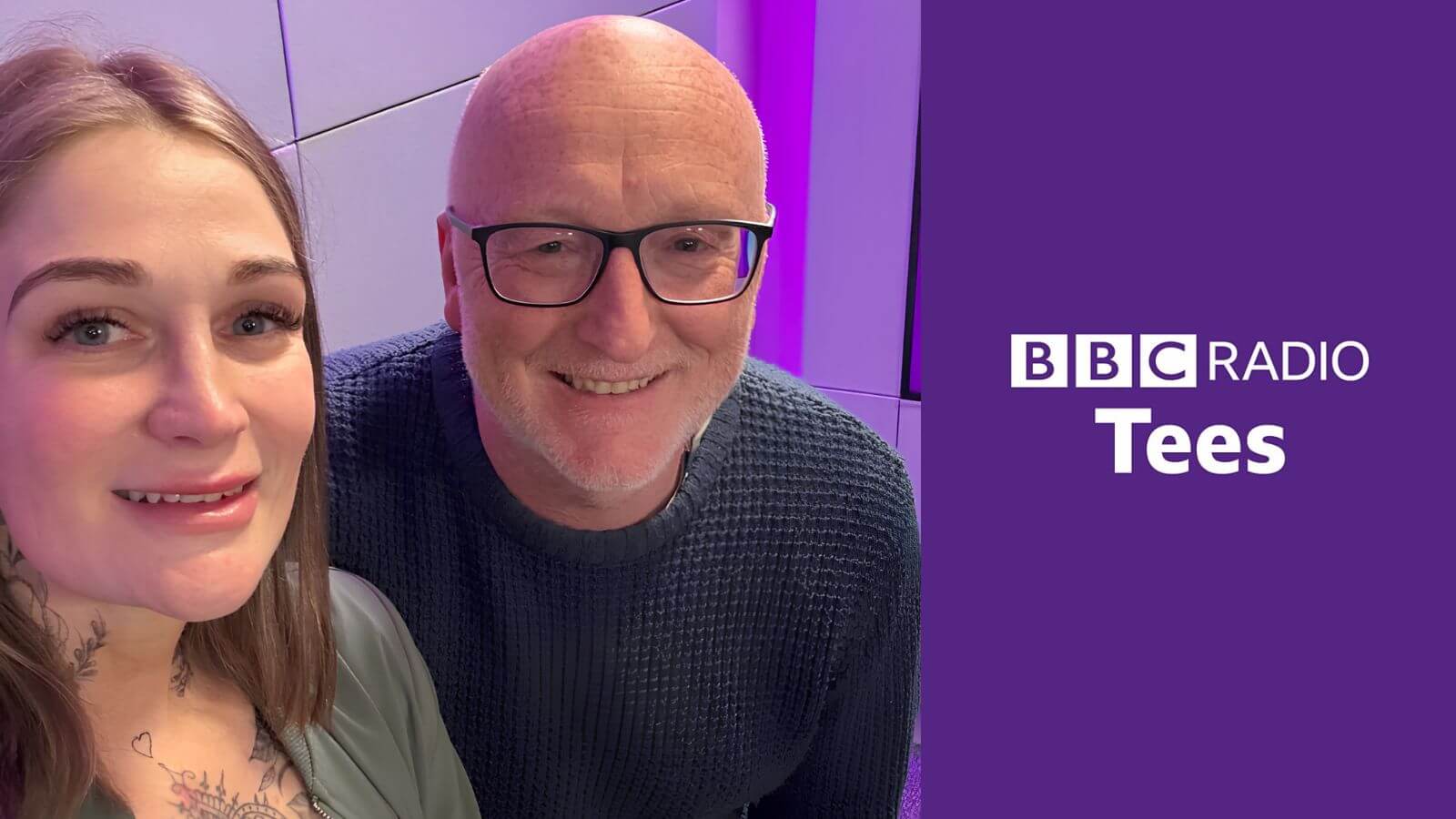
BBC Radio Tees is helping to raise awareness of aortic dissection through a powerful interview with Rachel, who shared her family’s experience of living with inherited aortic disease. Speaking openly about loss and recovery following her own recent surgery, Rachel highlighted the importance of understanding family history and recognising the signs of aortic aneurysm and dissection before it is too late.
Rachel talks to BBC Tees presenter Gary Philipson
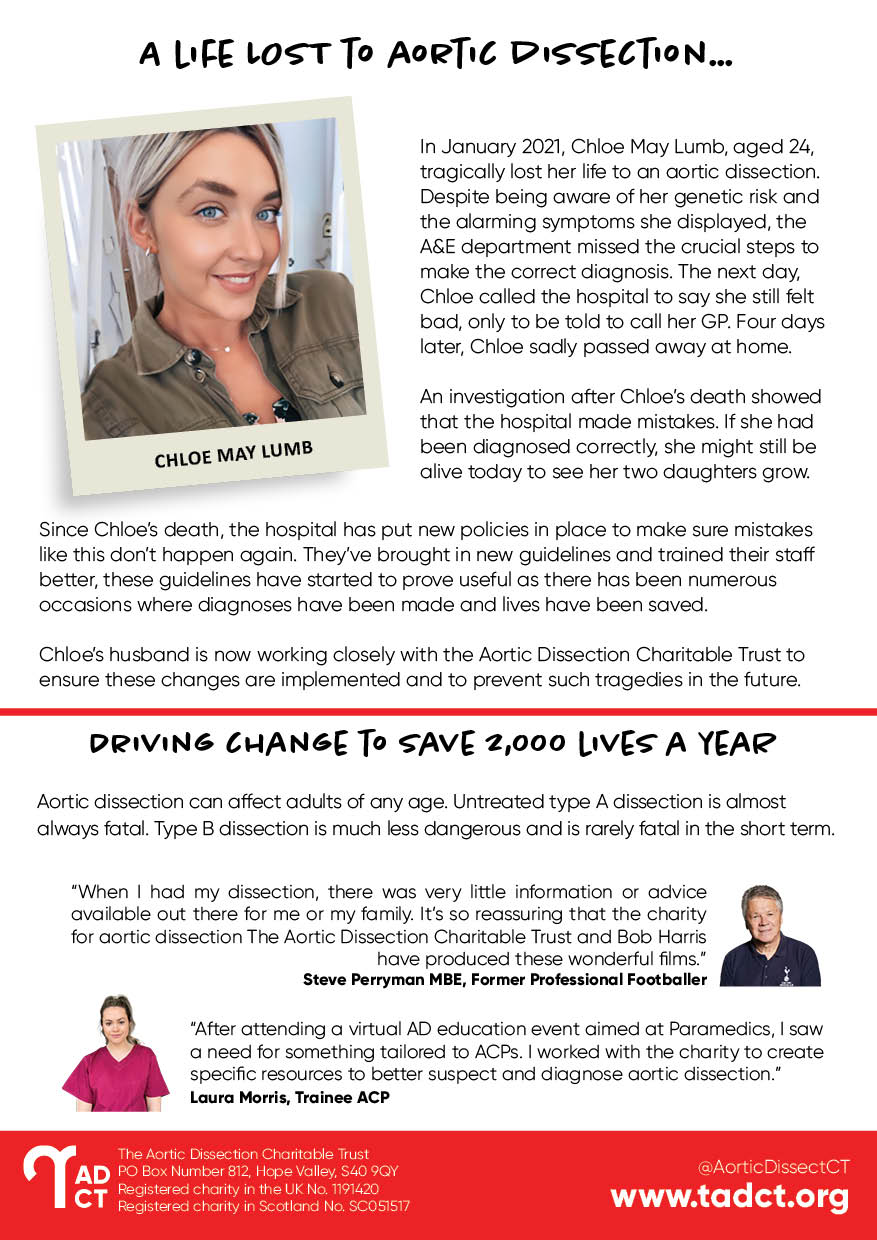
Rachel’s story is one that reflects the reality faced by many families living with inherited aortic conditions. She lost her grandmother at the age of 58, her mother at just 39, and later her younger sister Chloe to the same condition at the age of 24. Despite extensive investigations, no specific genetic cause has yet been identified within the family. What is clear, however, is that the condition has affected multiple generations of women in the family through aortic aneurysm and dissection.
Earlier this year, Rachel underwent major surgery after doctors identified that her own aortic aneurysm had reached a high risk of dissection. During the interview, she described the operation, which involved replacing part of her aorta with a synthetic graft and repairing a leaking valve. Recovery has not been straightforward, with Rachel also developing pneumonia following surgery, but she is now back working, driving and rebuilding her strength.
Speaking during the interview, Rachel reflected on both the emotional and physical impact of living with the condition.
“It’s a scary place to be, but one thing that gives me strength is knowing that conversations around this condition are finally happening more openly.”
A Family’s Loss Driving Change
One of the heartbreaking parts of Rachel’s interview was speaking about her younger sister Chloe, who died in 2021. Chloe was known to be at high risk due to the family history and attended A&E with concerning symptoms. Despite this, her condition was not recognised and she was sent home. Tragically, Chloe died just days later from an aortic dissection.
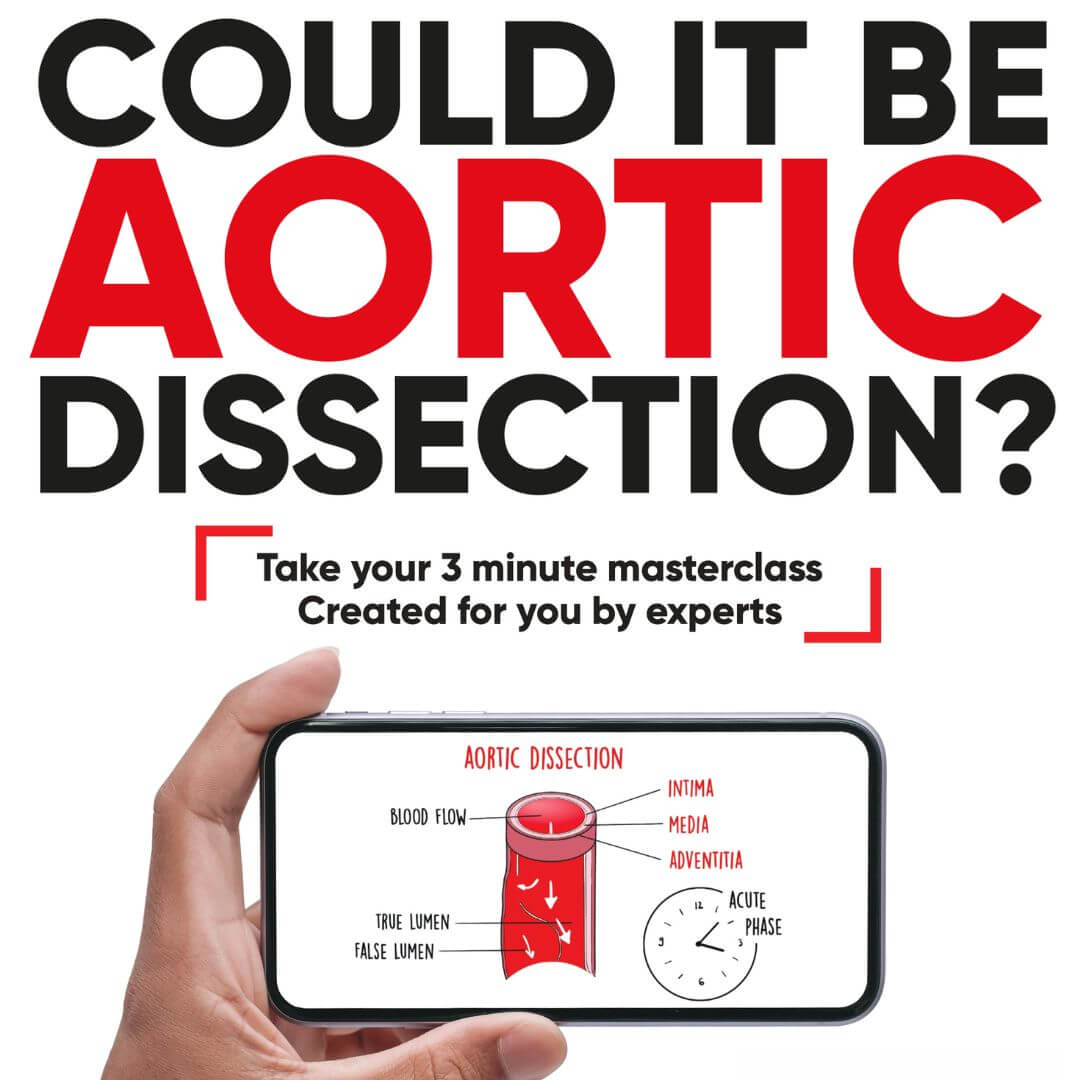
A subsequent Prevention of Future Deaths report identified missed opportunities in her care and highlighted the need for improved awareness and education around aortic dissection within emergency medicine. Since then, the charity has continued working alongside NHS Trusts and healthcare professionals to improve recognition, to consider: Could it be AD? of this often misunderstood condition.
During the interview, Rachel spoke powerfully about the lack of awareness surrounding aortic dissection and aneurysm, especially in younger patients and women.
“If you’ve had a parent, grandparent, aunt, uncle, anybody in your family who has died of aortic aneurysm or dissection, go and get checked straight away.”
Turning Awareness Into Action
Rachel and her husband Sean are supporters of the charity. Last year, they organised a successful community fundraising and awareness day featuring raffles, cakes and wellbeing services to help raise both funds and awareness for aortic dissection.
Throughout the interview, Rachel’s determination and resilience were impossible to miss. Despite everything her family has endured, she spoke with positivity about the future and her desire to help others understand the condition before it is too late. She also revealed her ambition to complete a marathon following her recovery from surgery, describing it as both a personal challenge and a tribute to her family.
The Importance of Knowing Your Risk
Aortic aneurysm and dissection can affect people of all ages and do not always present with the symptoms many people expect. Family history, regular monitoring and early intervention remain critical in improving survival.
Rachel’s interview is an important reminder that conversations about inherited conditions matter. Families need access to information, screening and specialist care. Most importantly, people need to feel confident speaking up about their family history and seeking help when something does not feel right.
We would like to thank Rachel for sharing her story so openly and for continuing to raise awareness of aortic dissection in memory of her mum, grandmother and sister Chloe. Her courage and determination are helping to save lives.