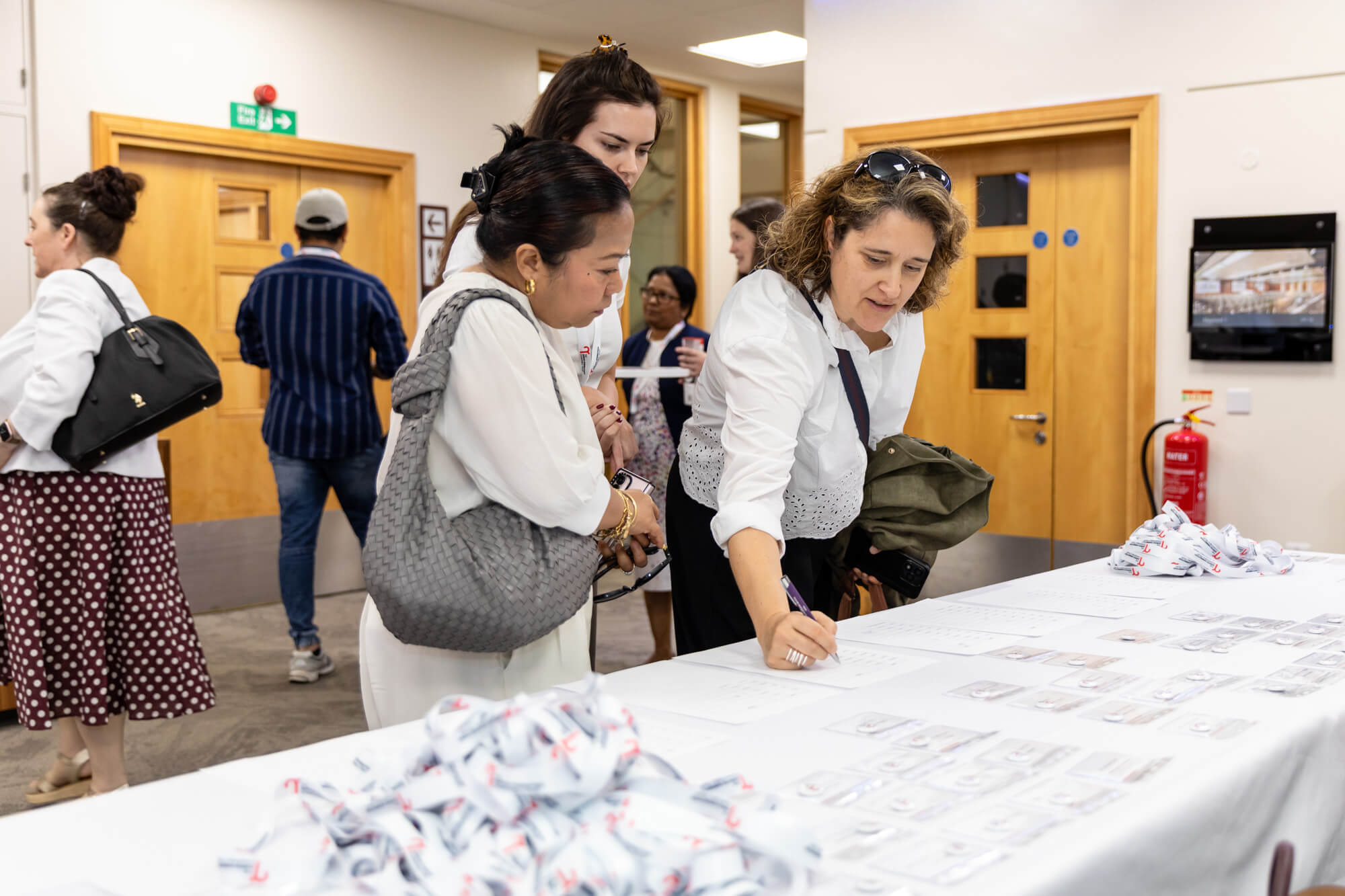
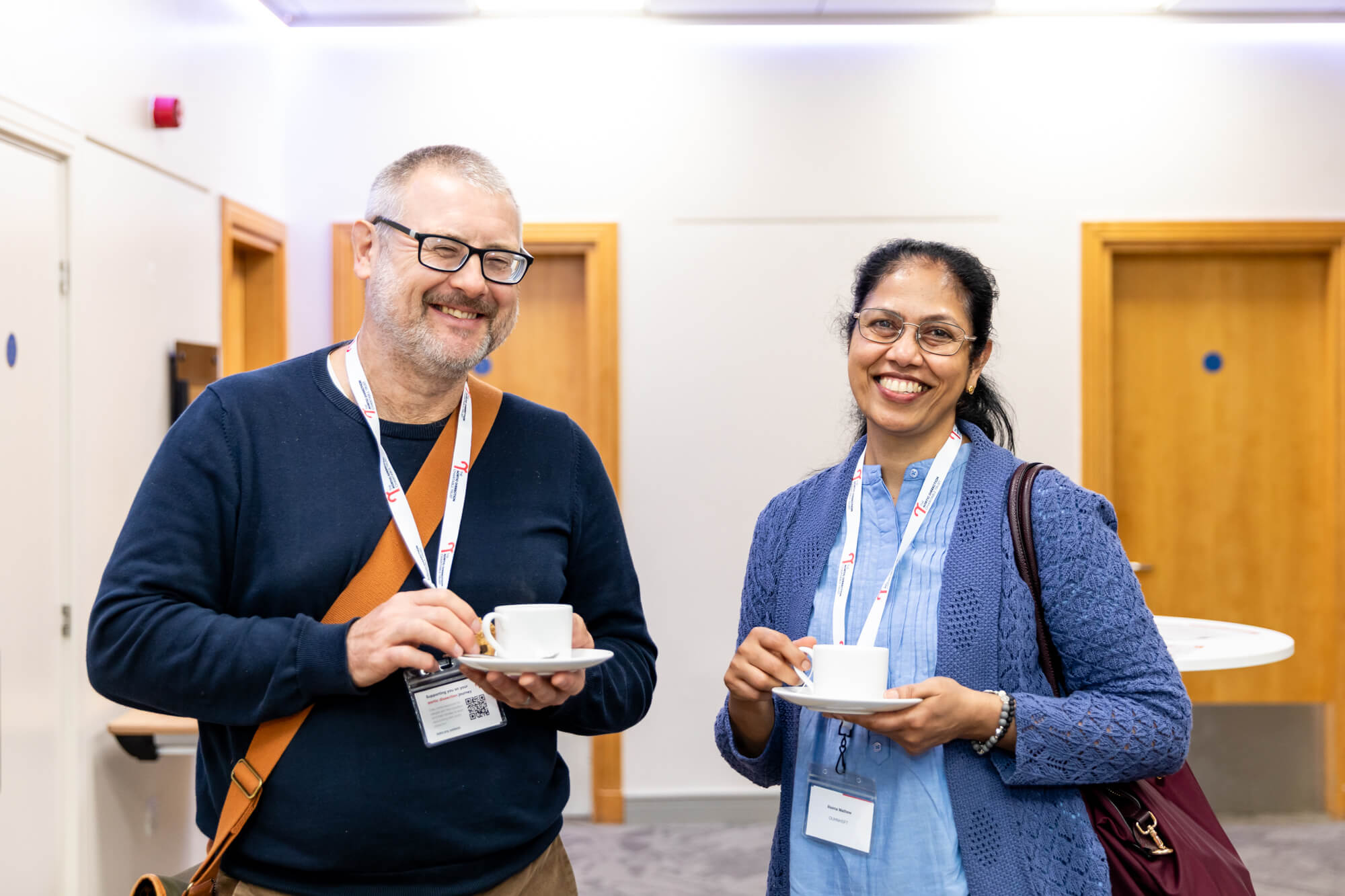
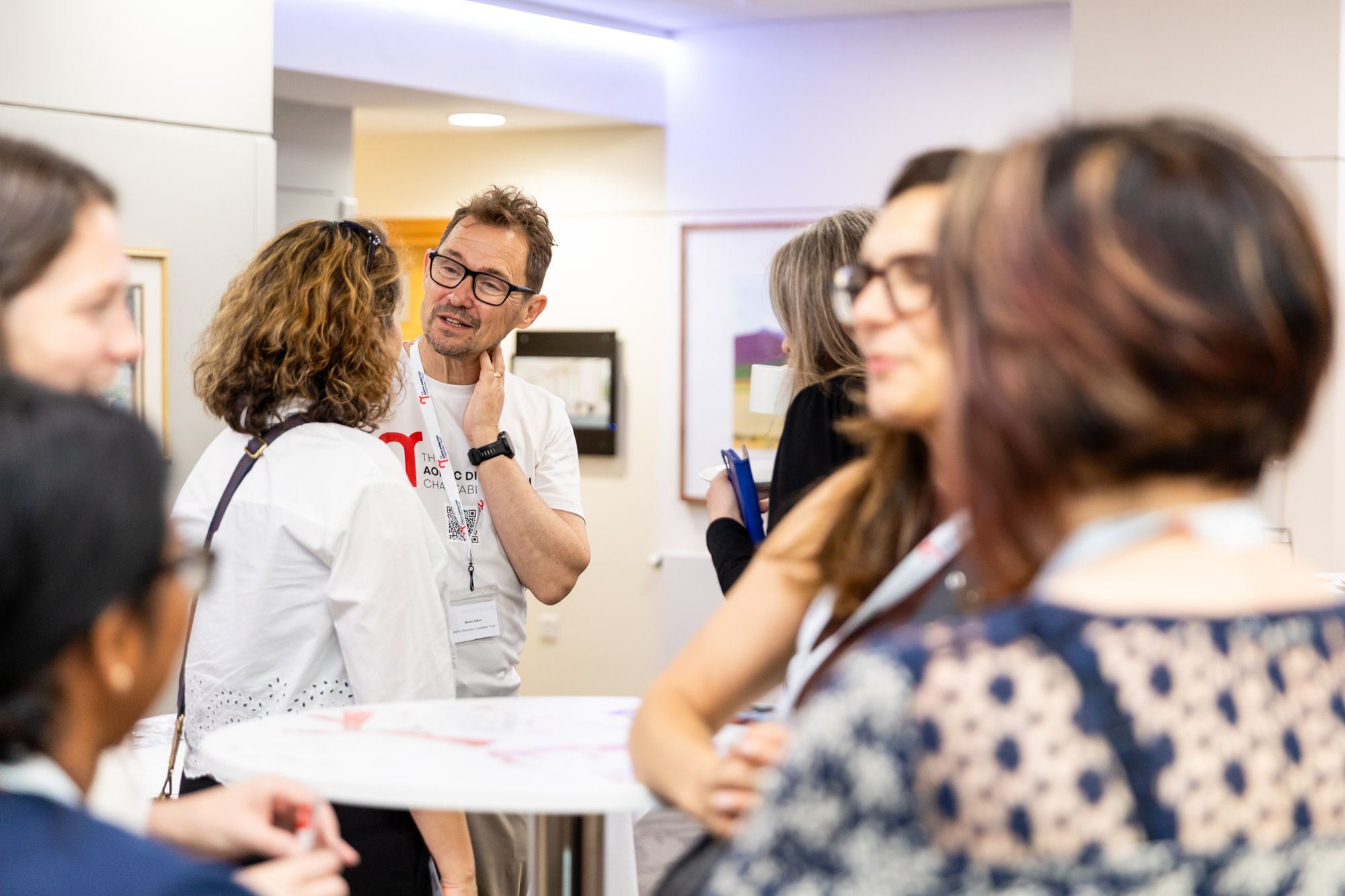
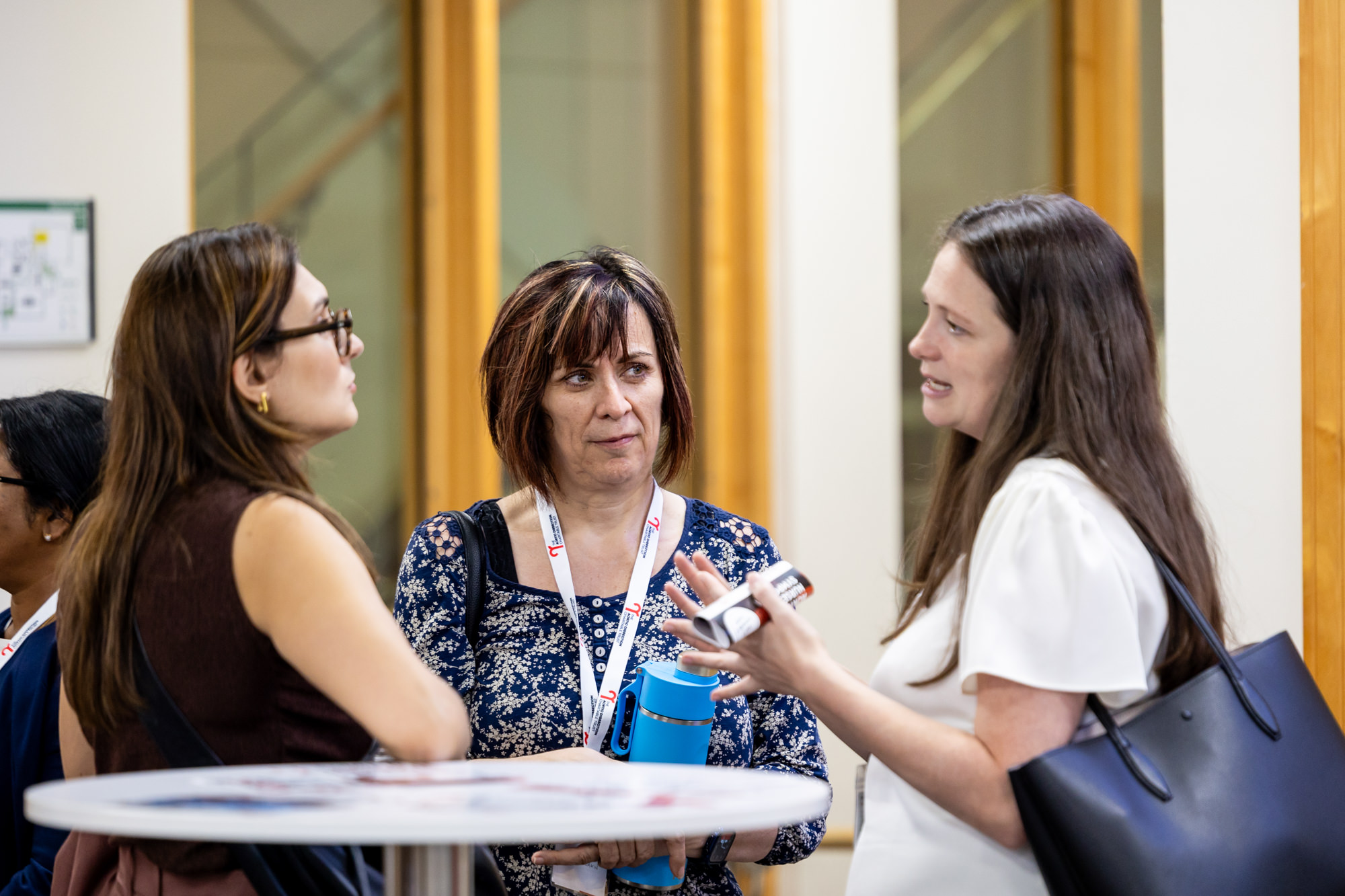
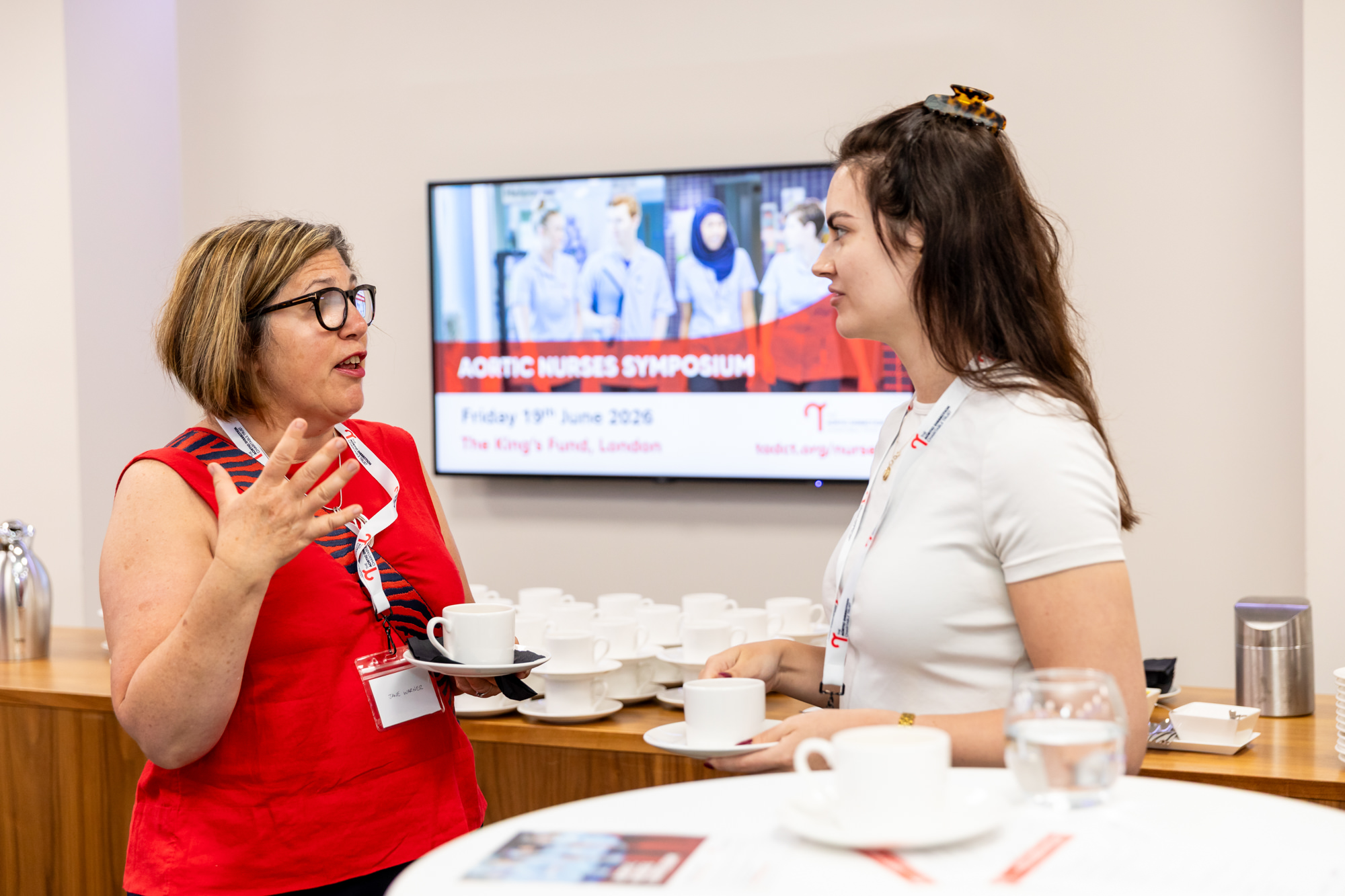
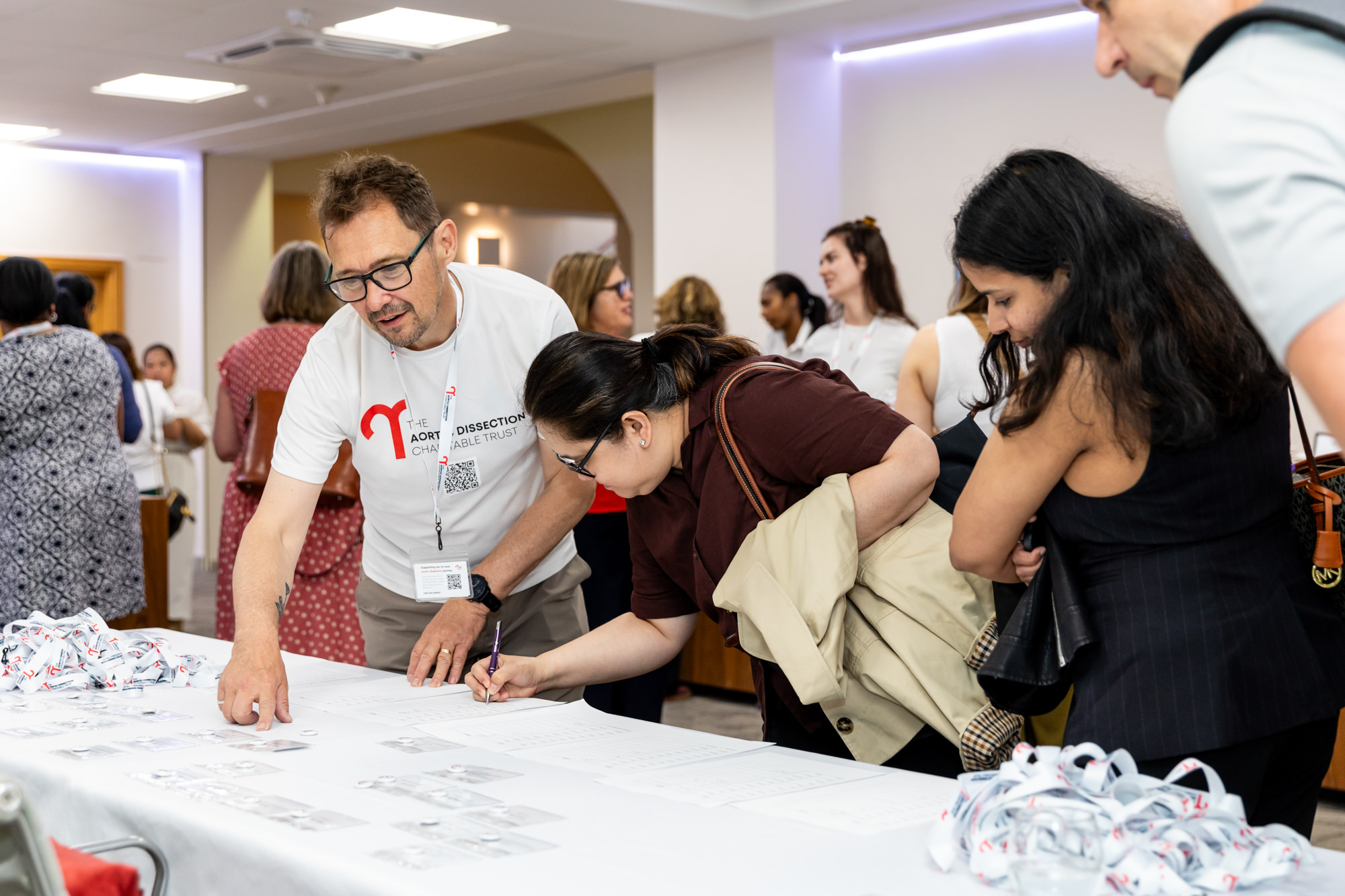
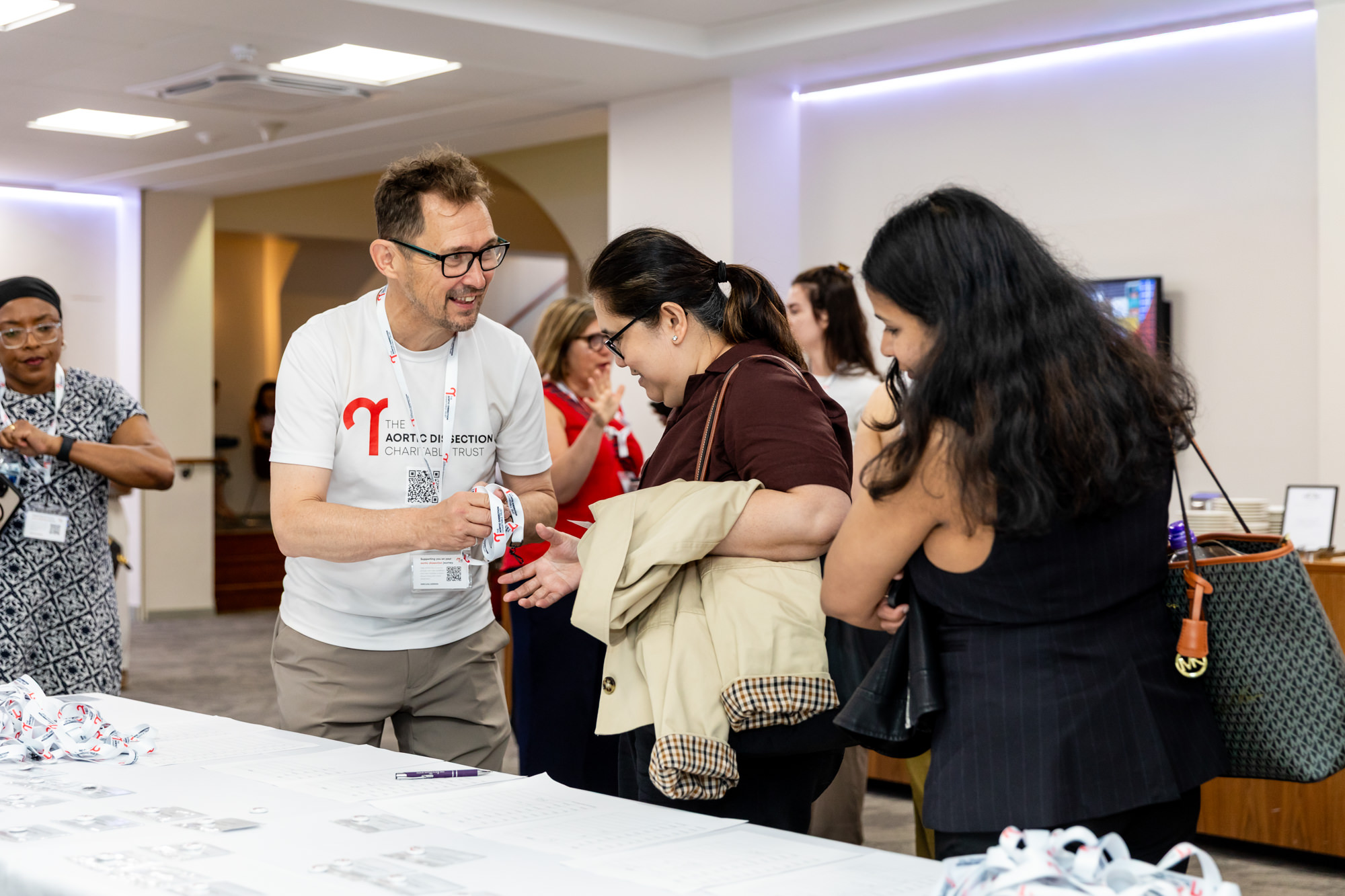
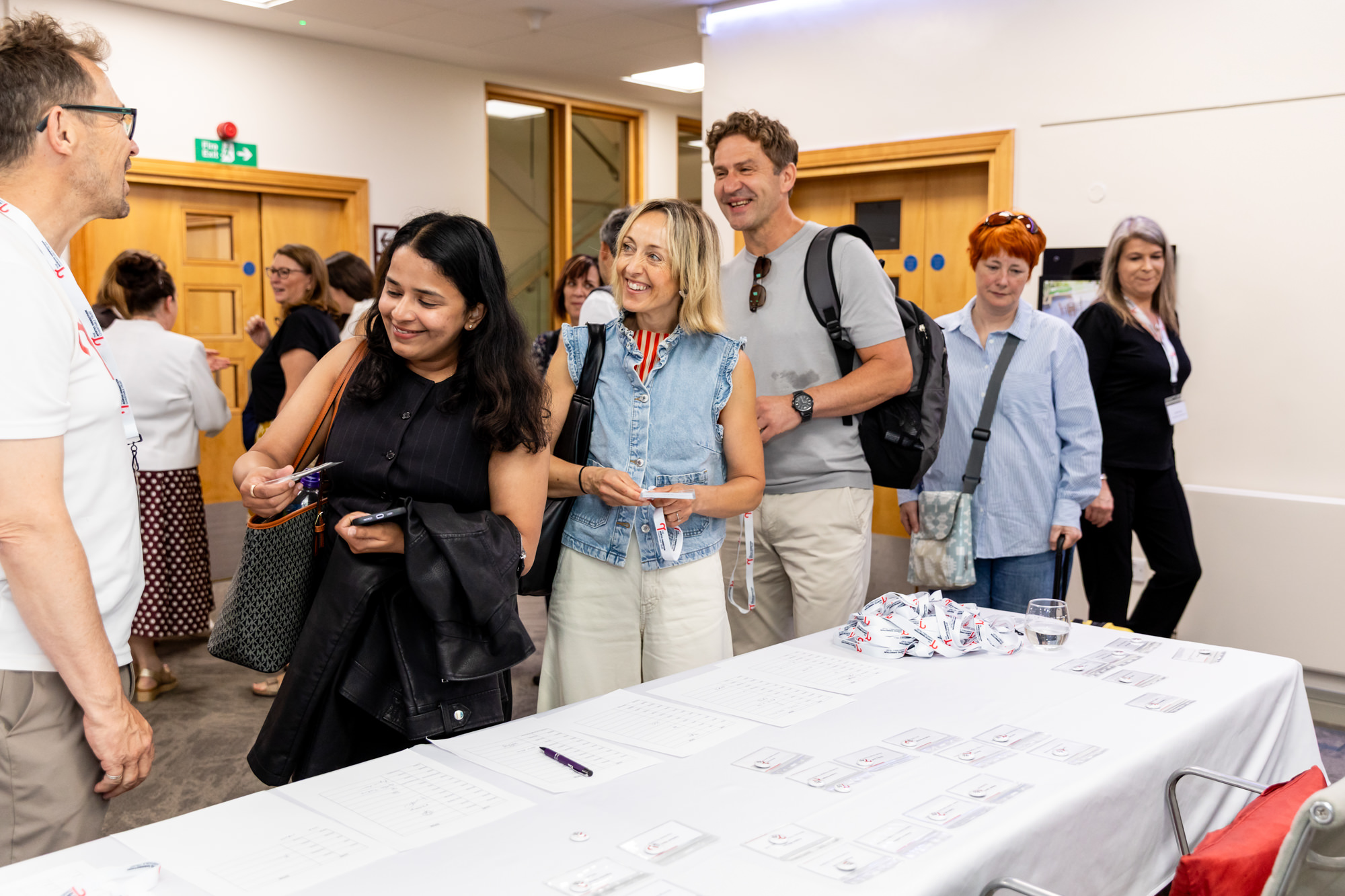
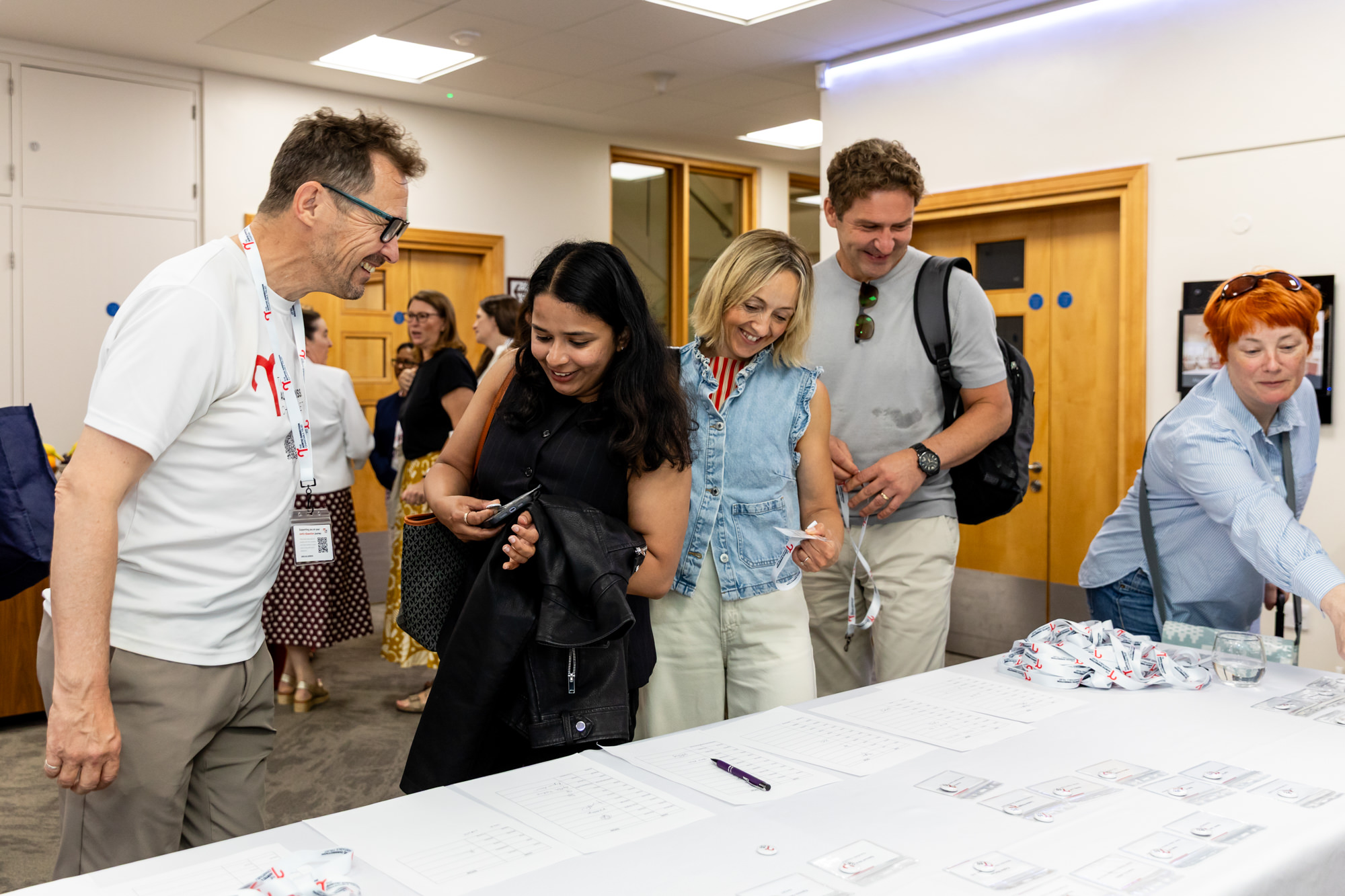
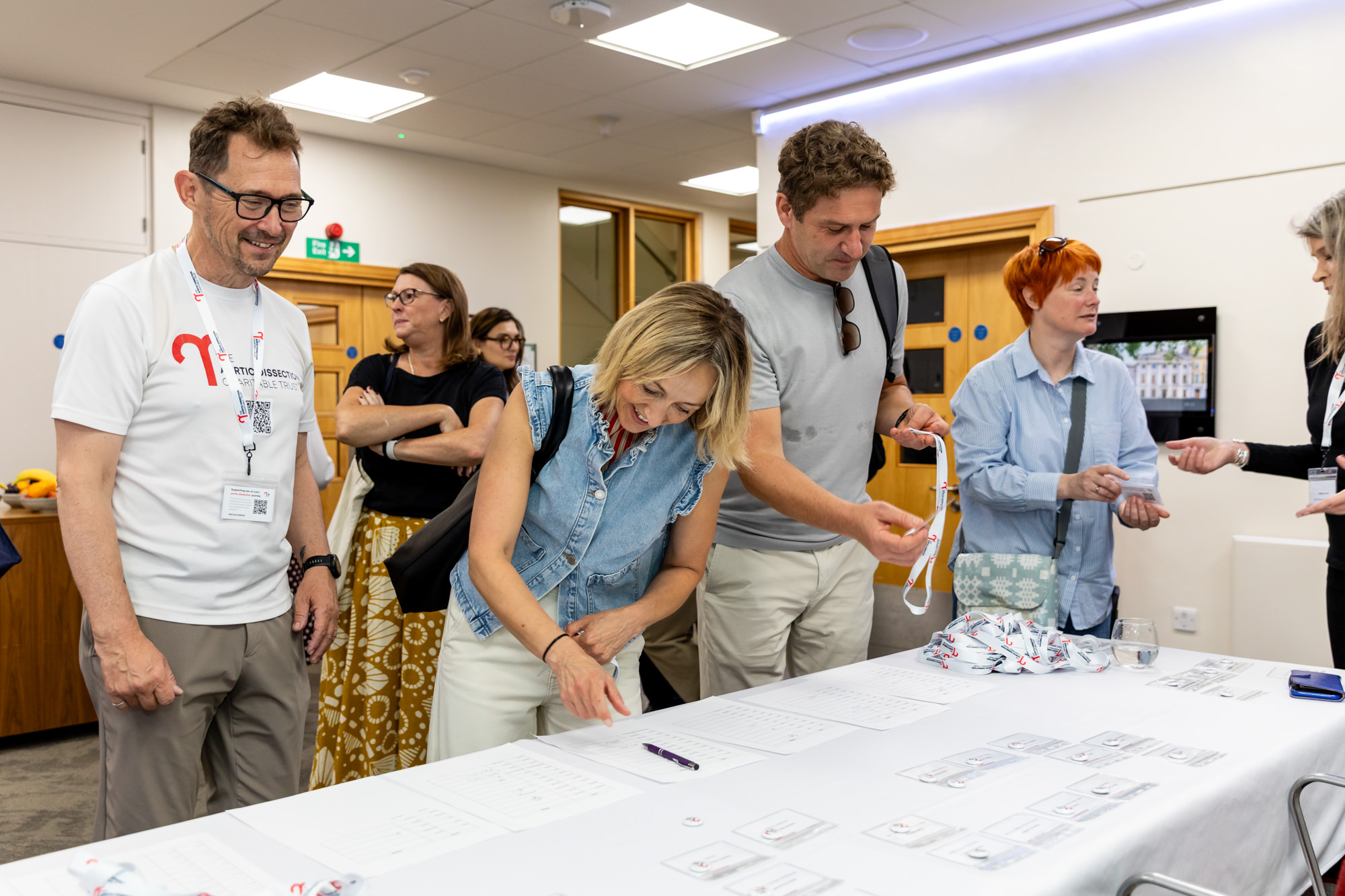
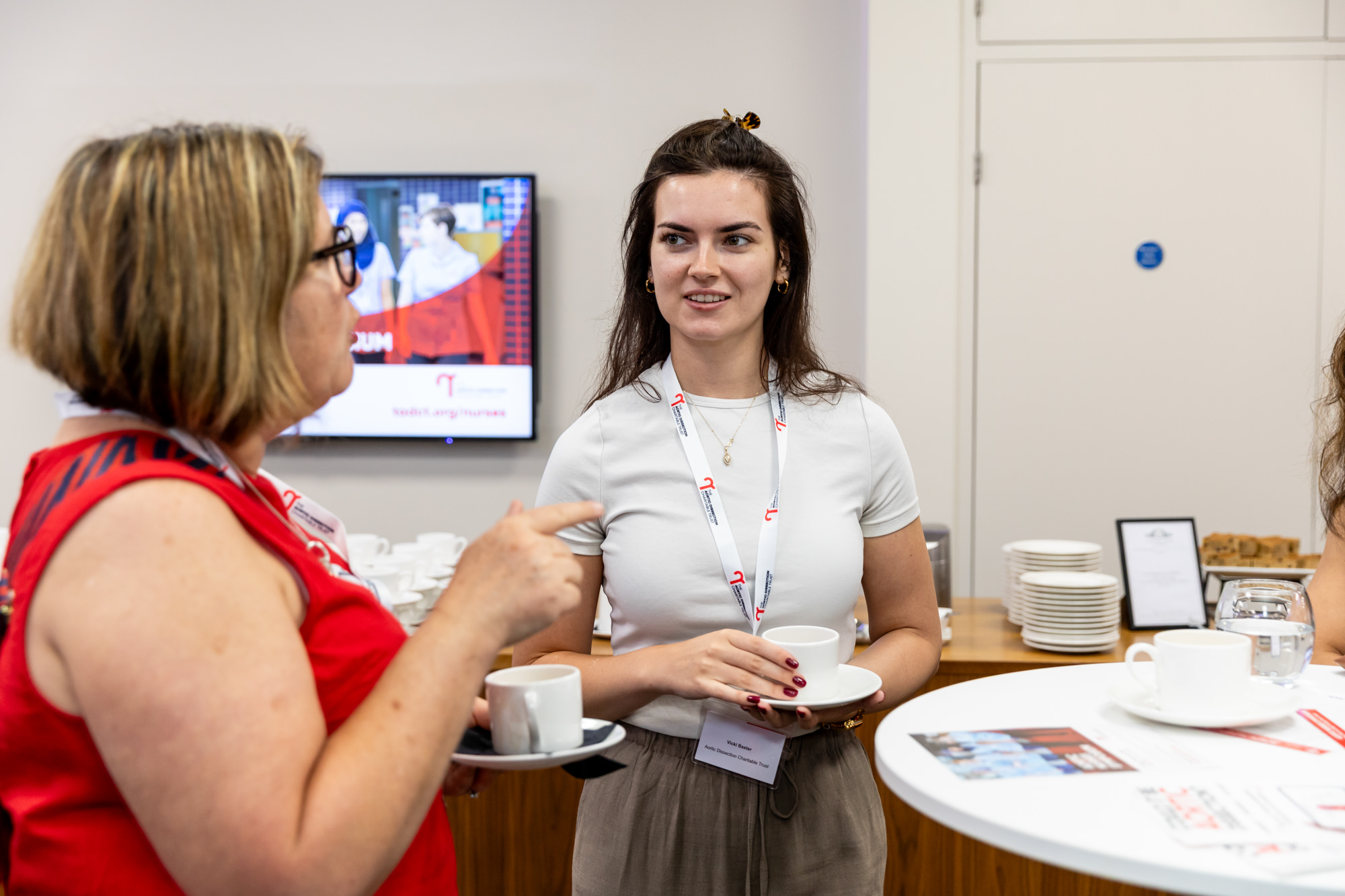
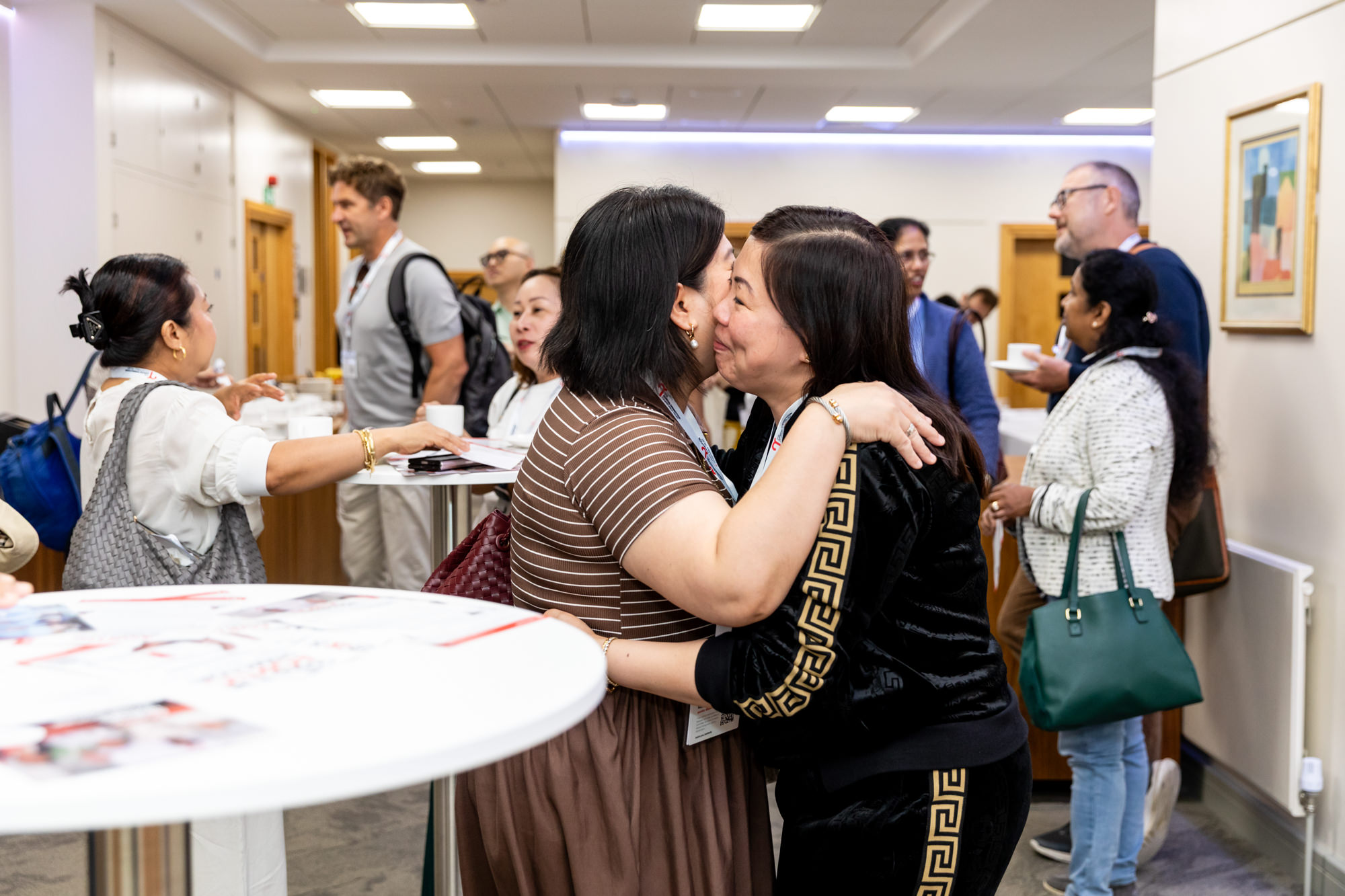
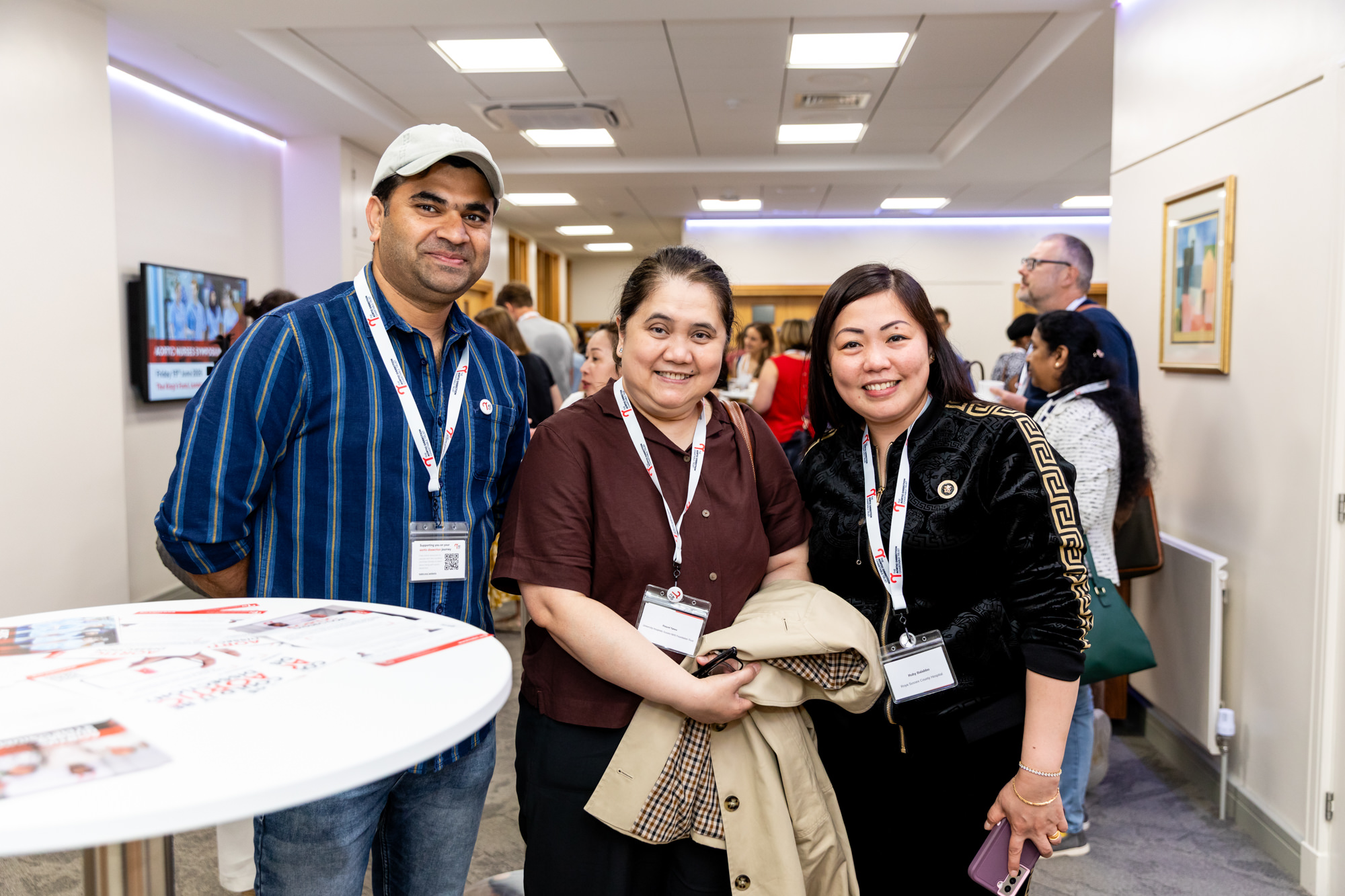
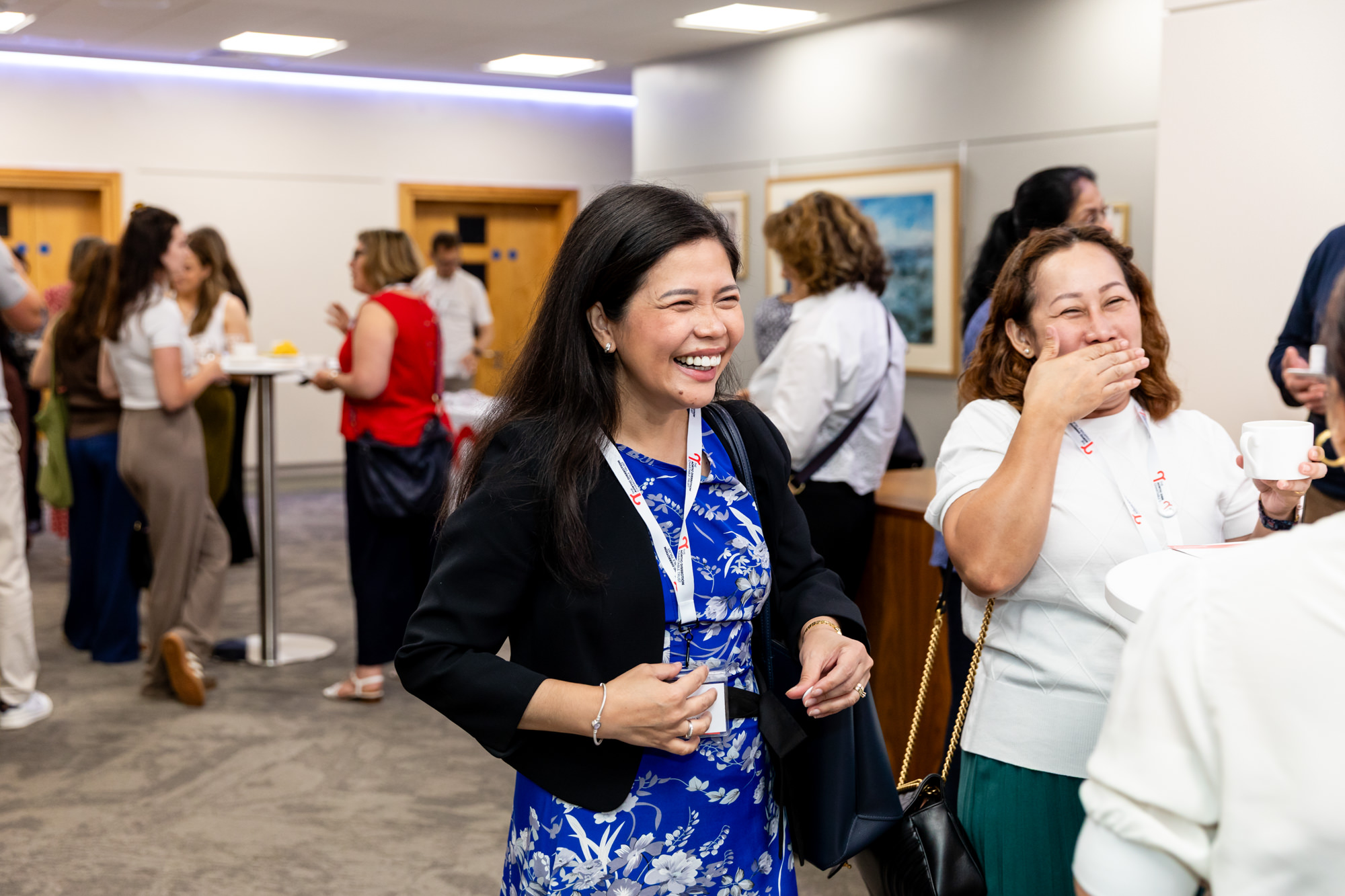
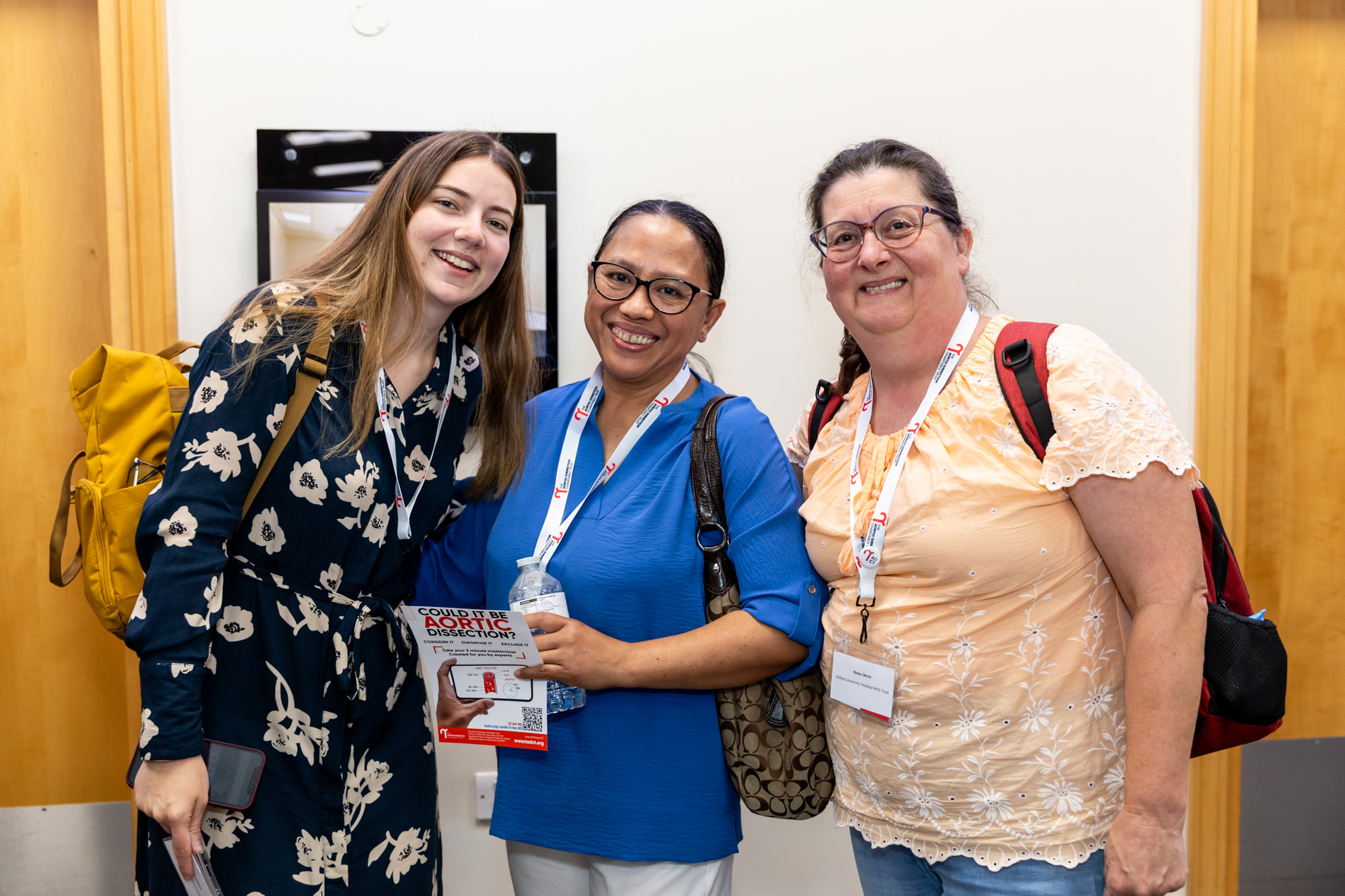
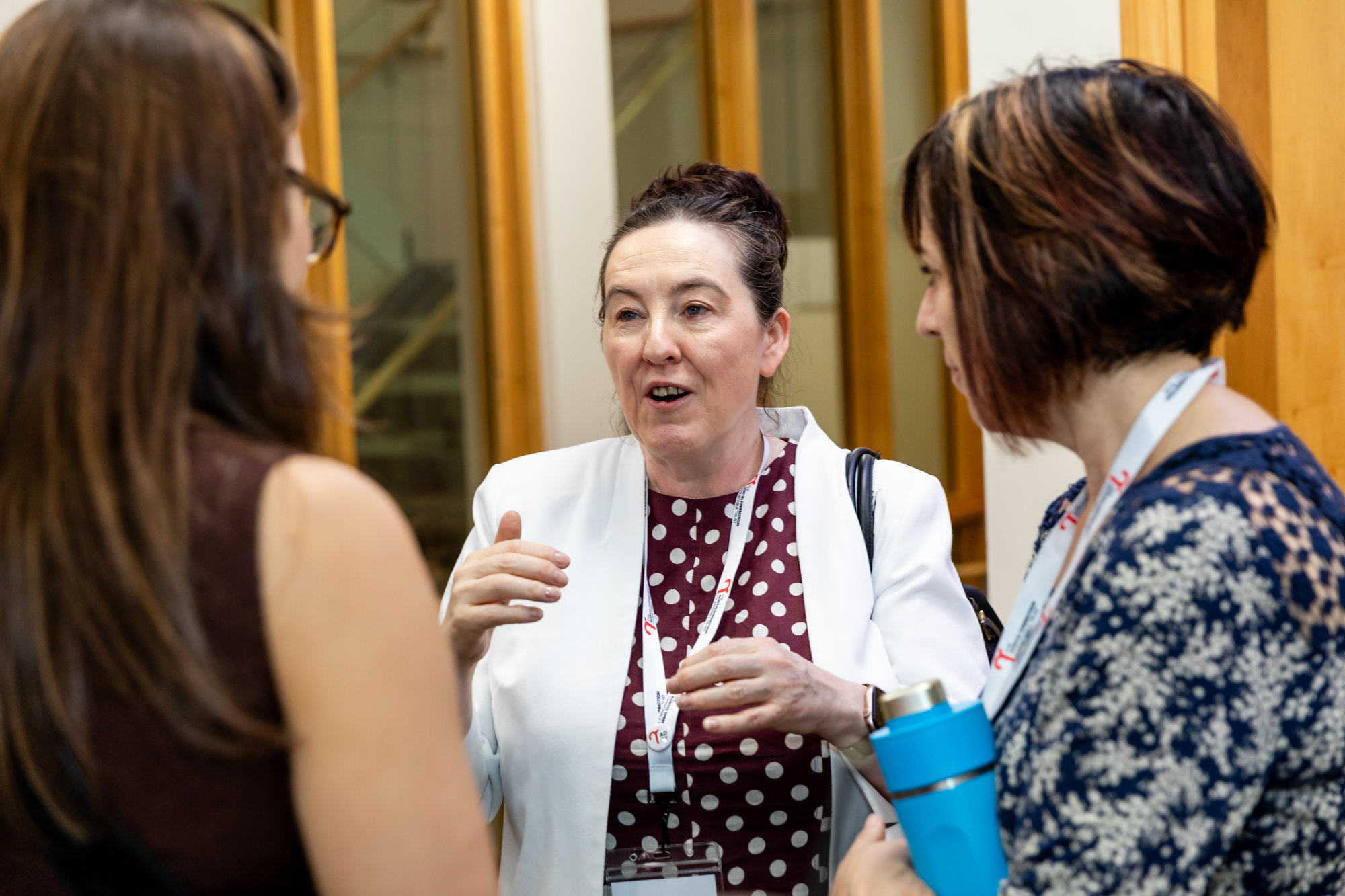
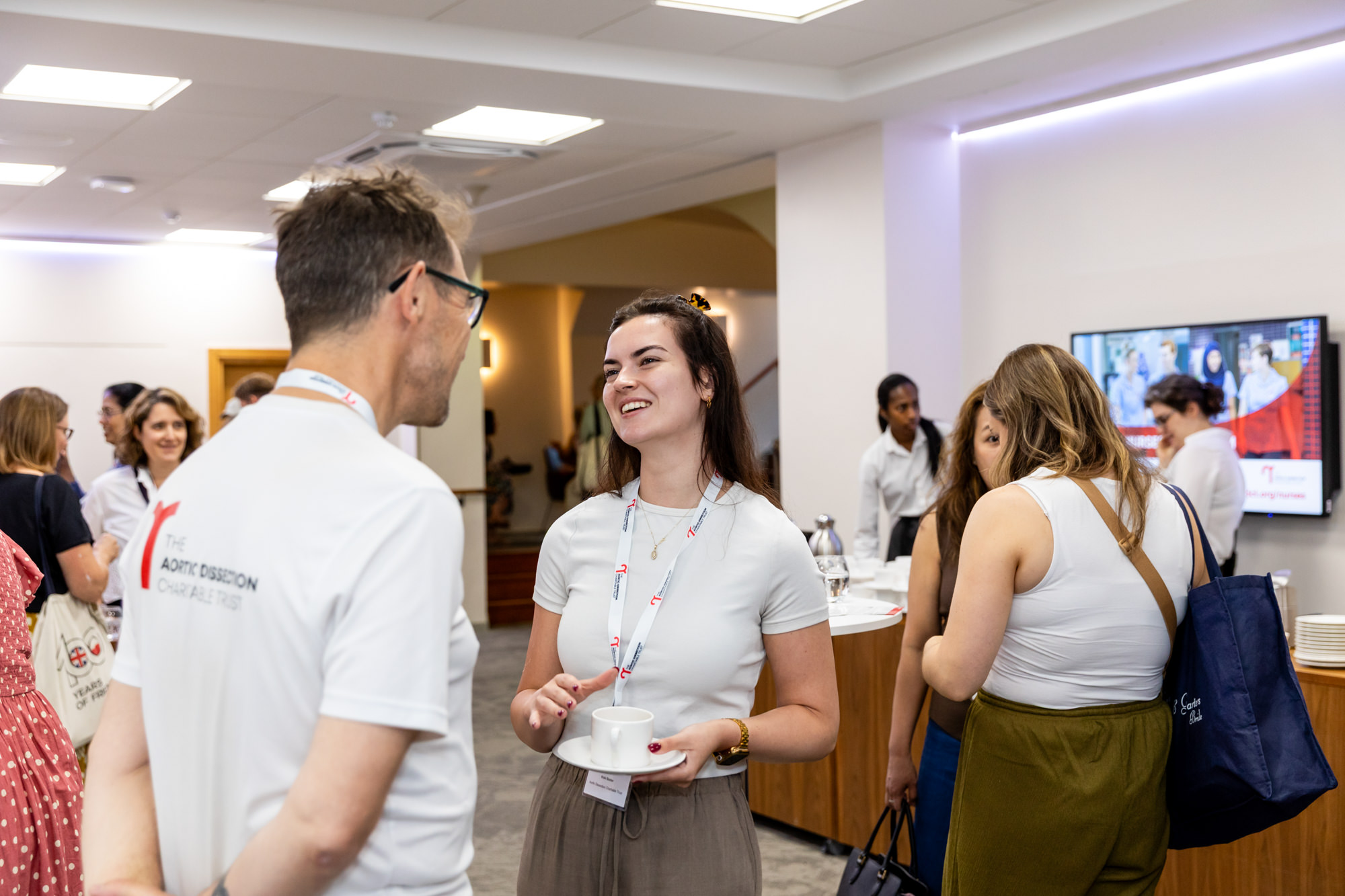
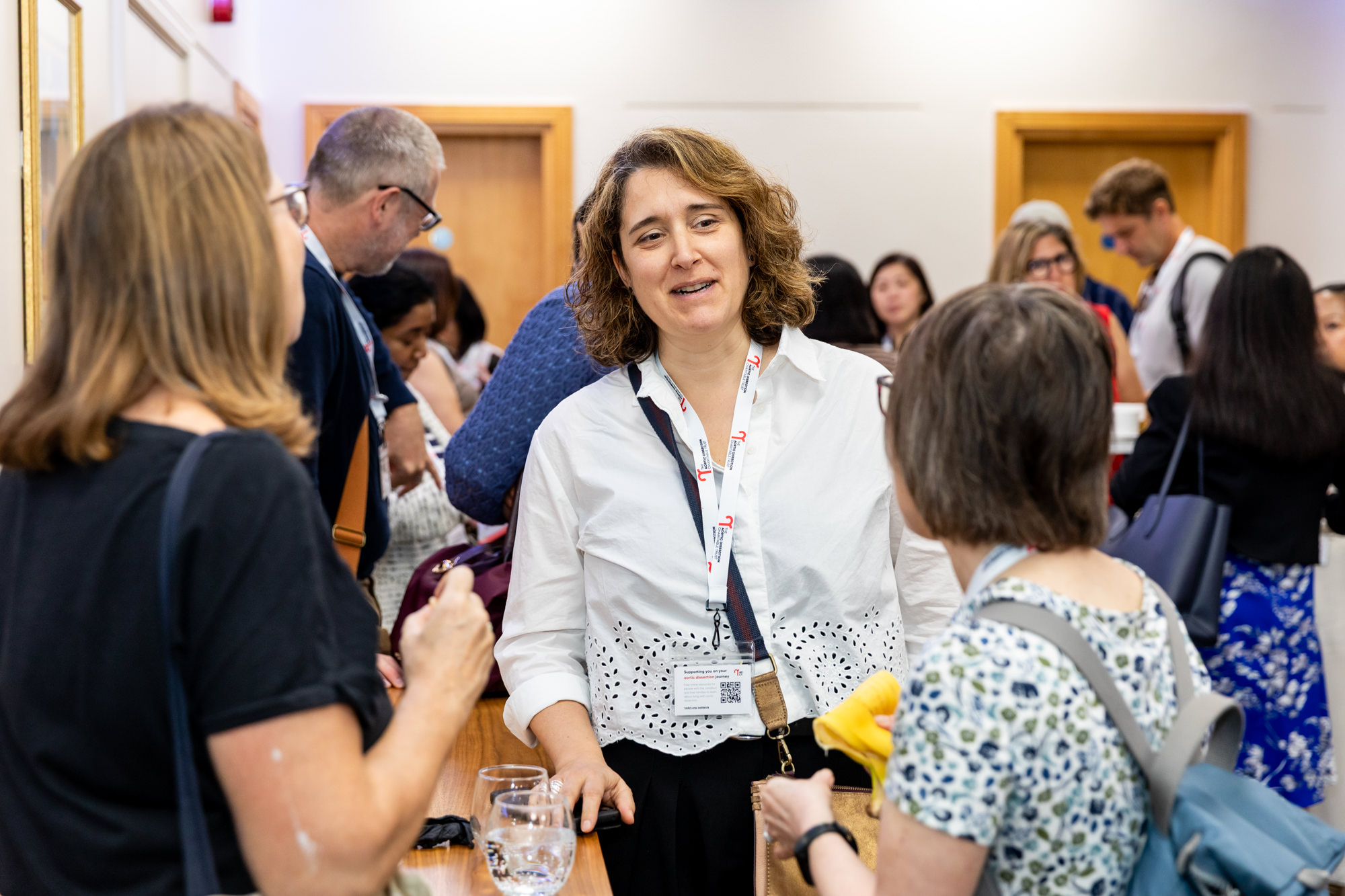
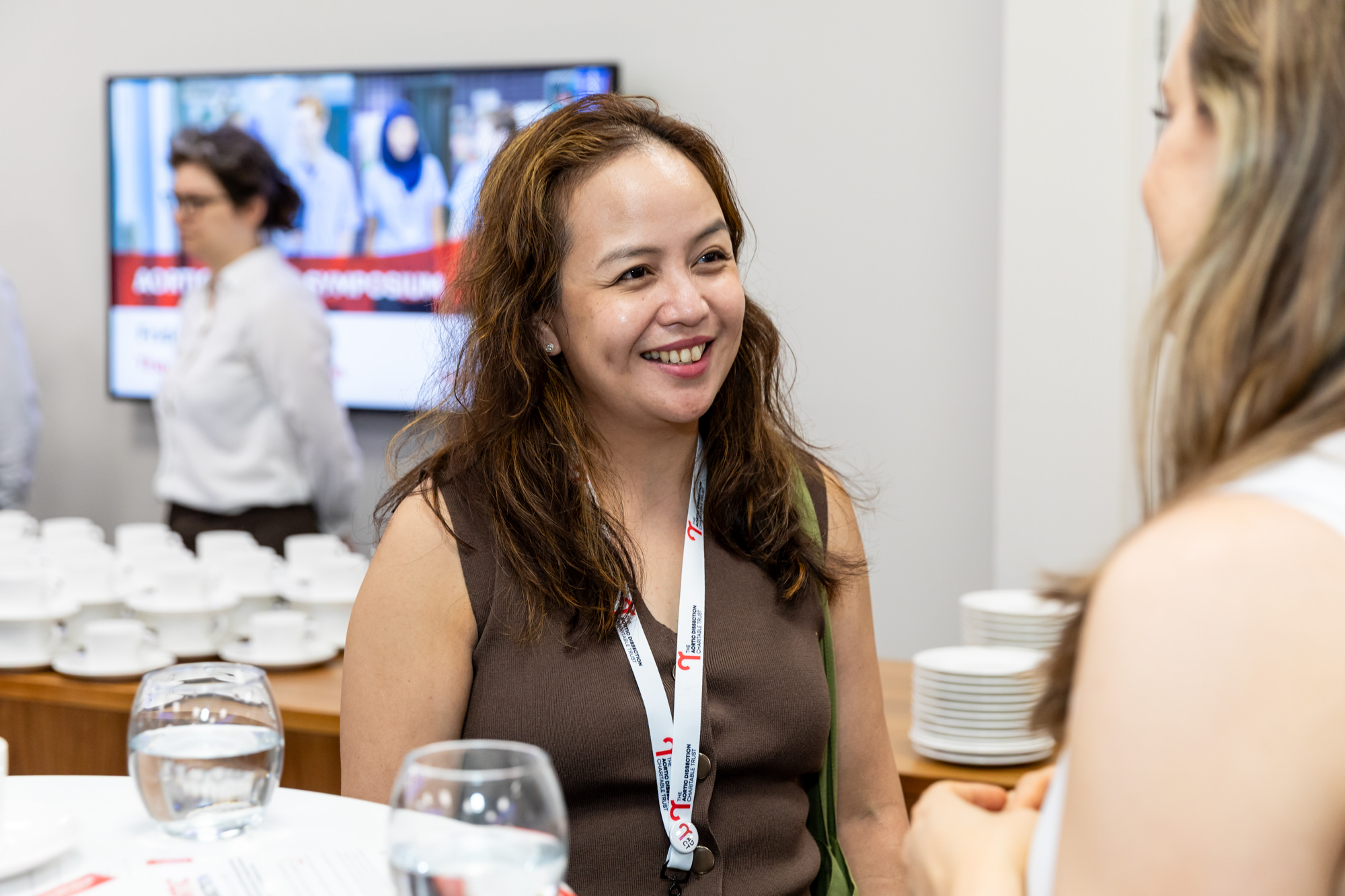
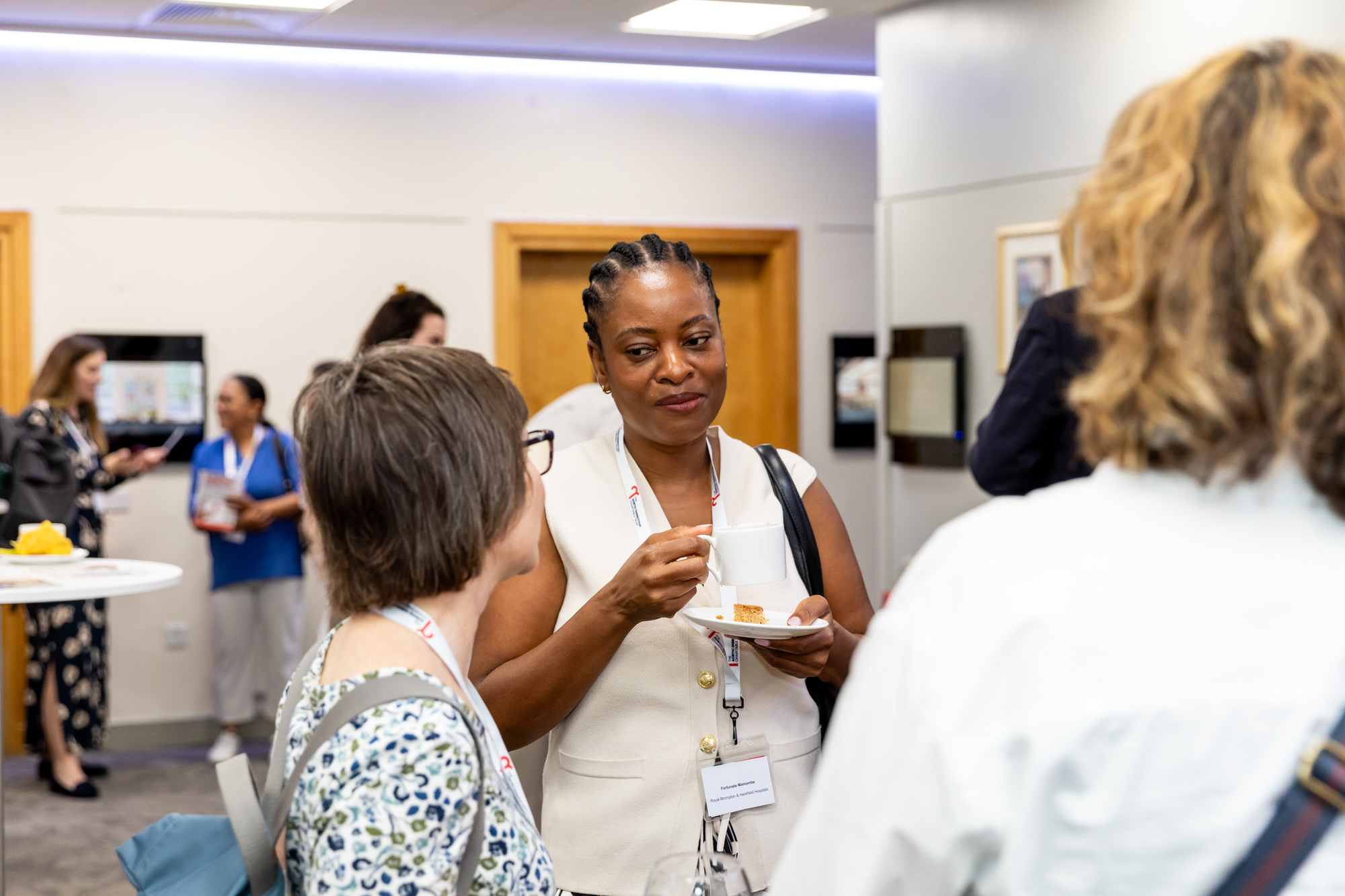
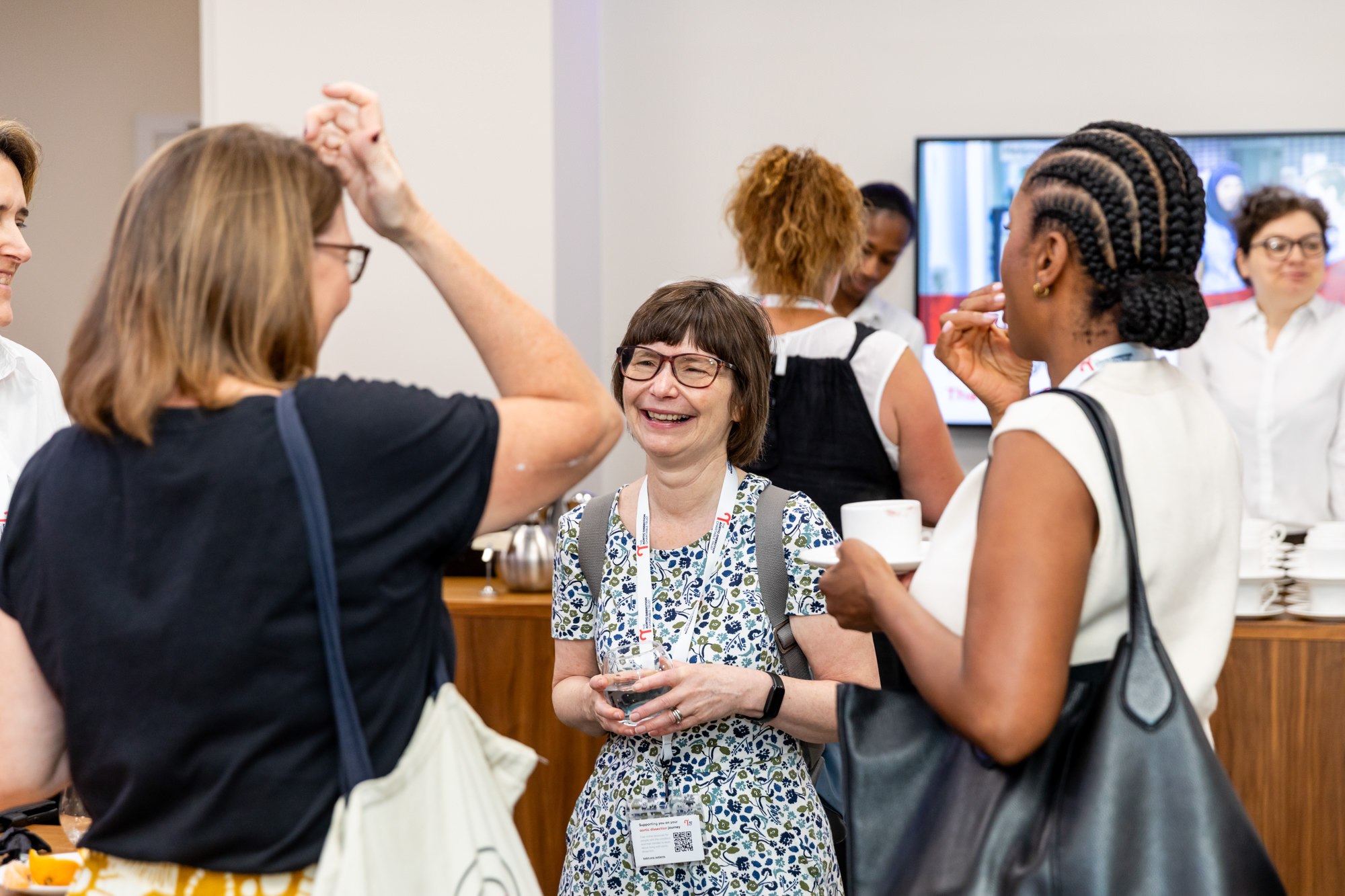
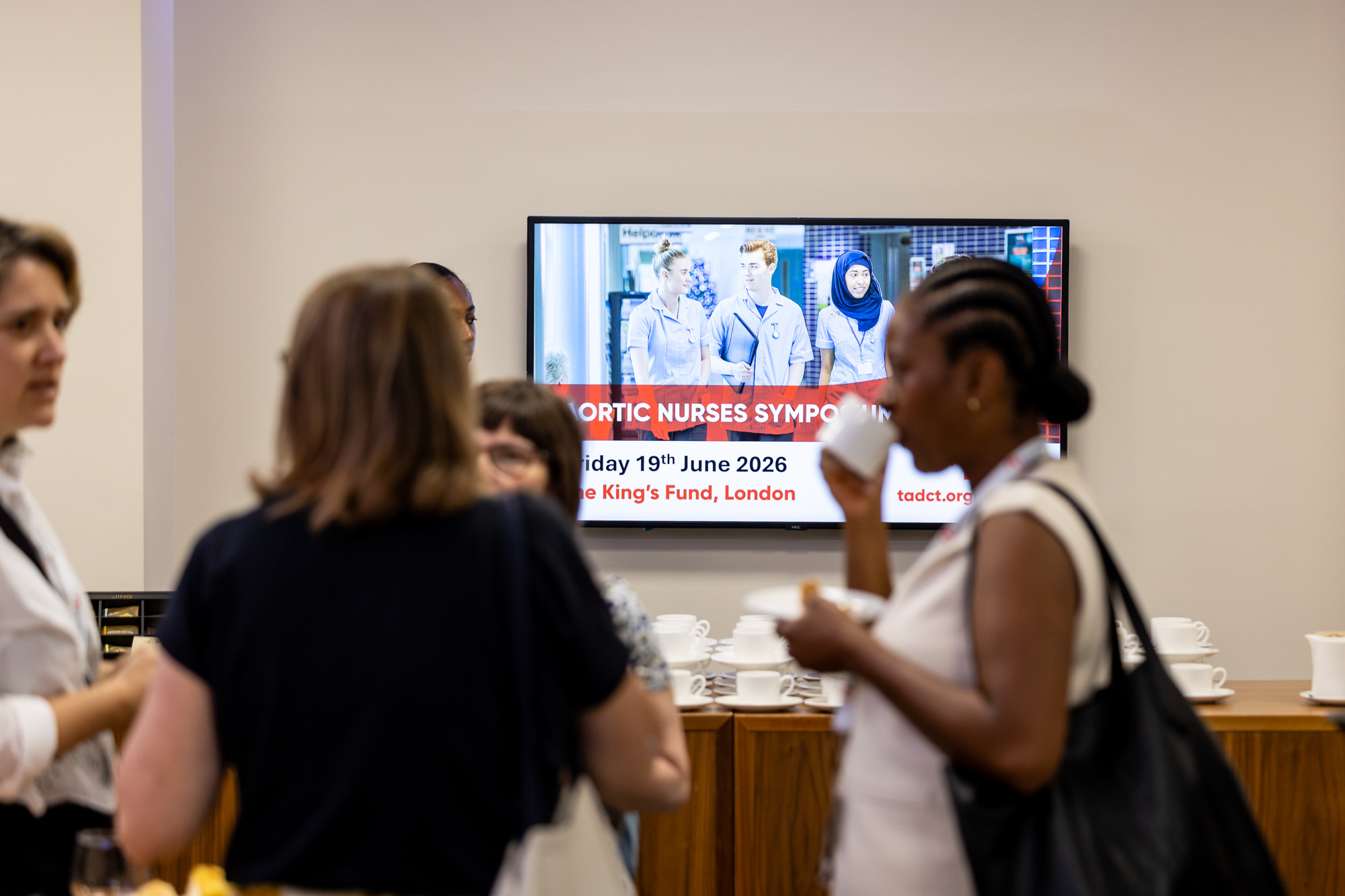
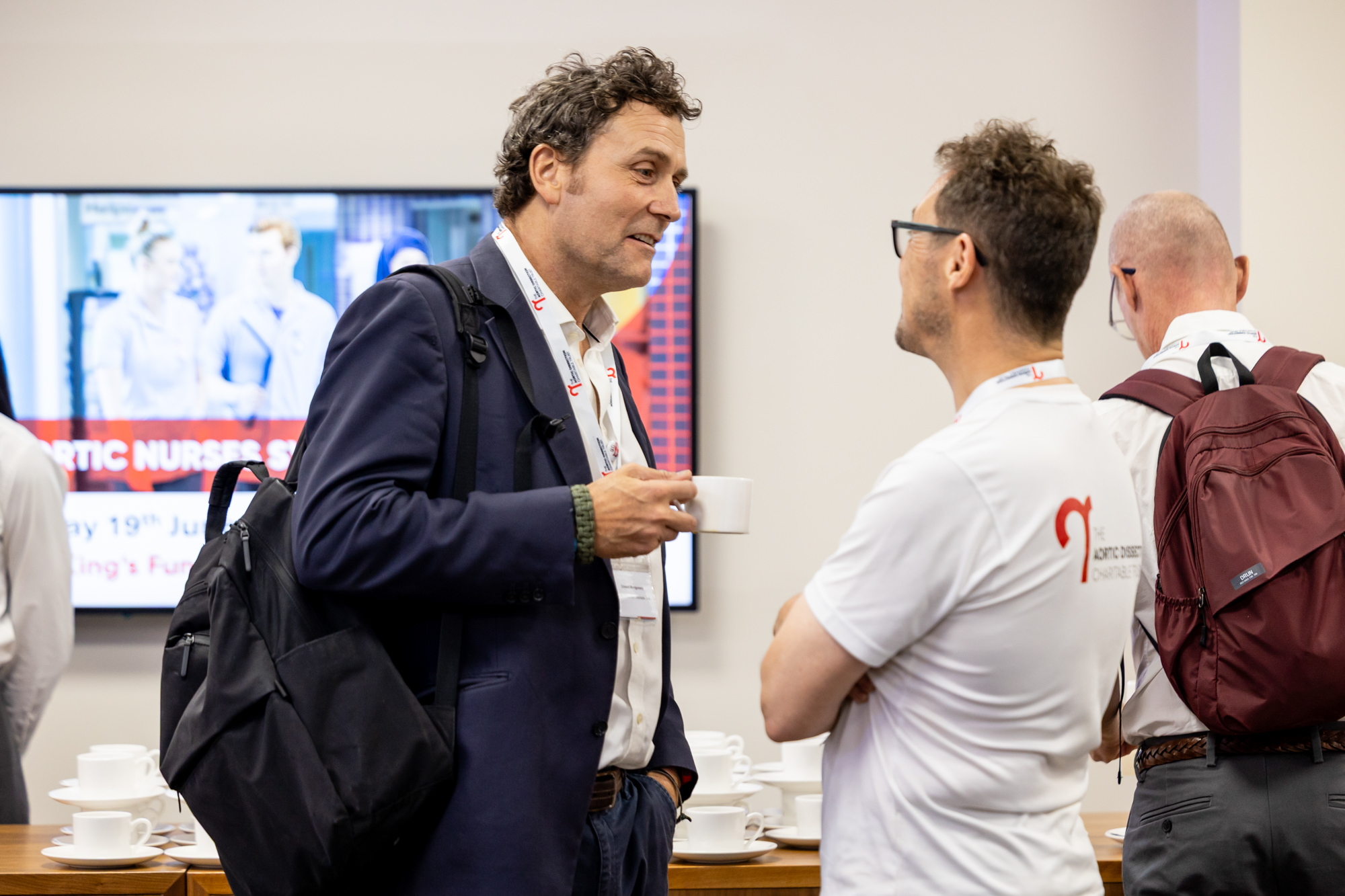
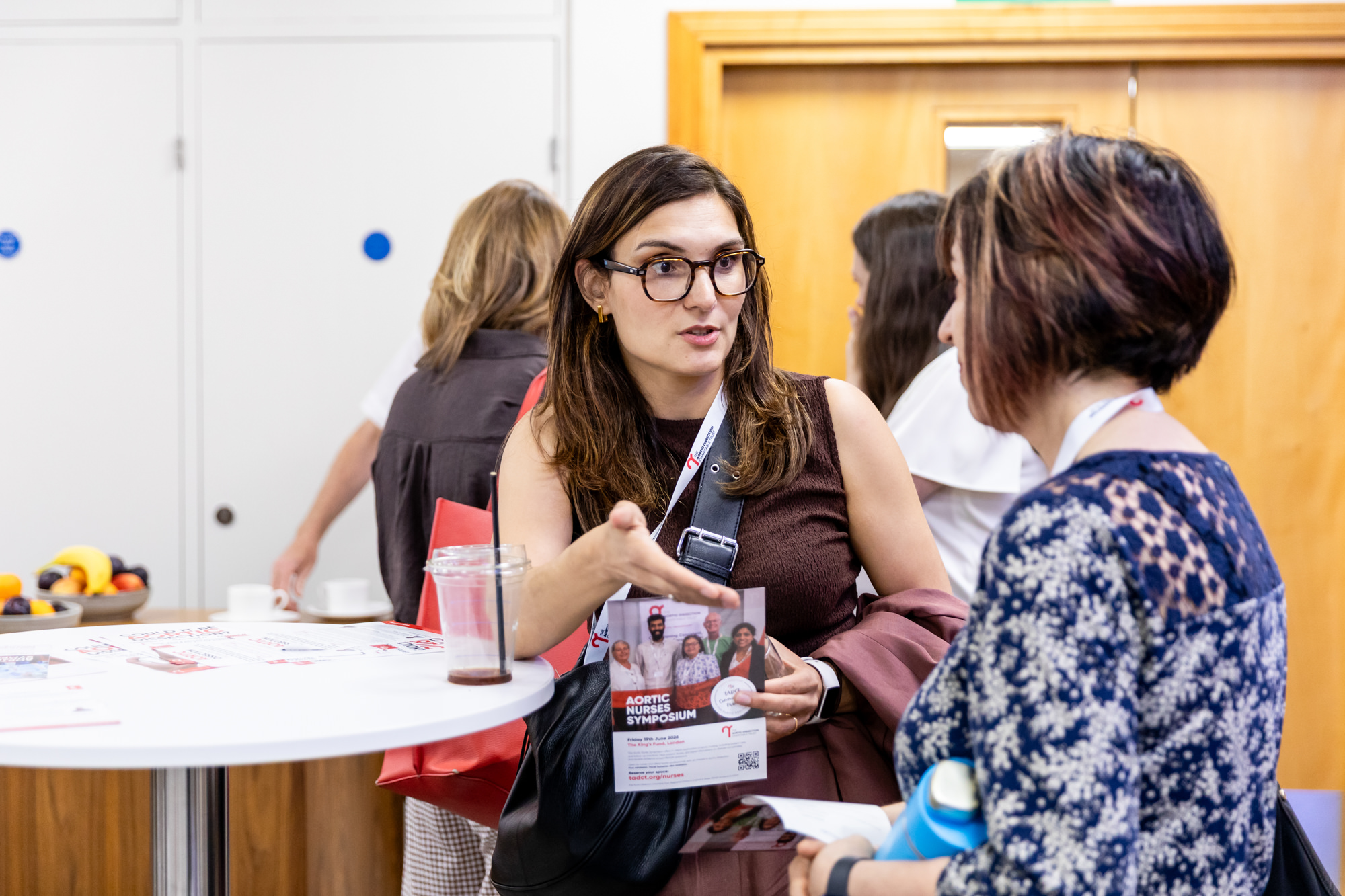
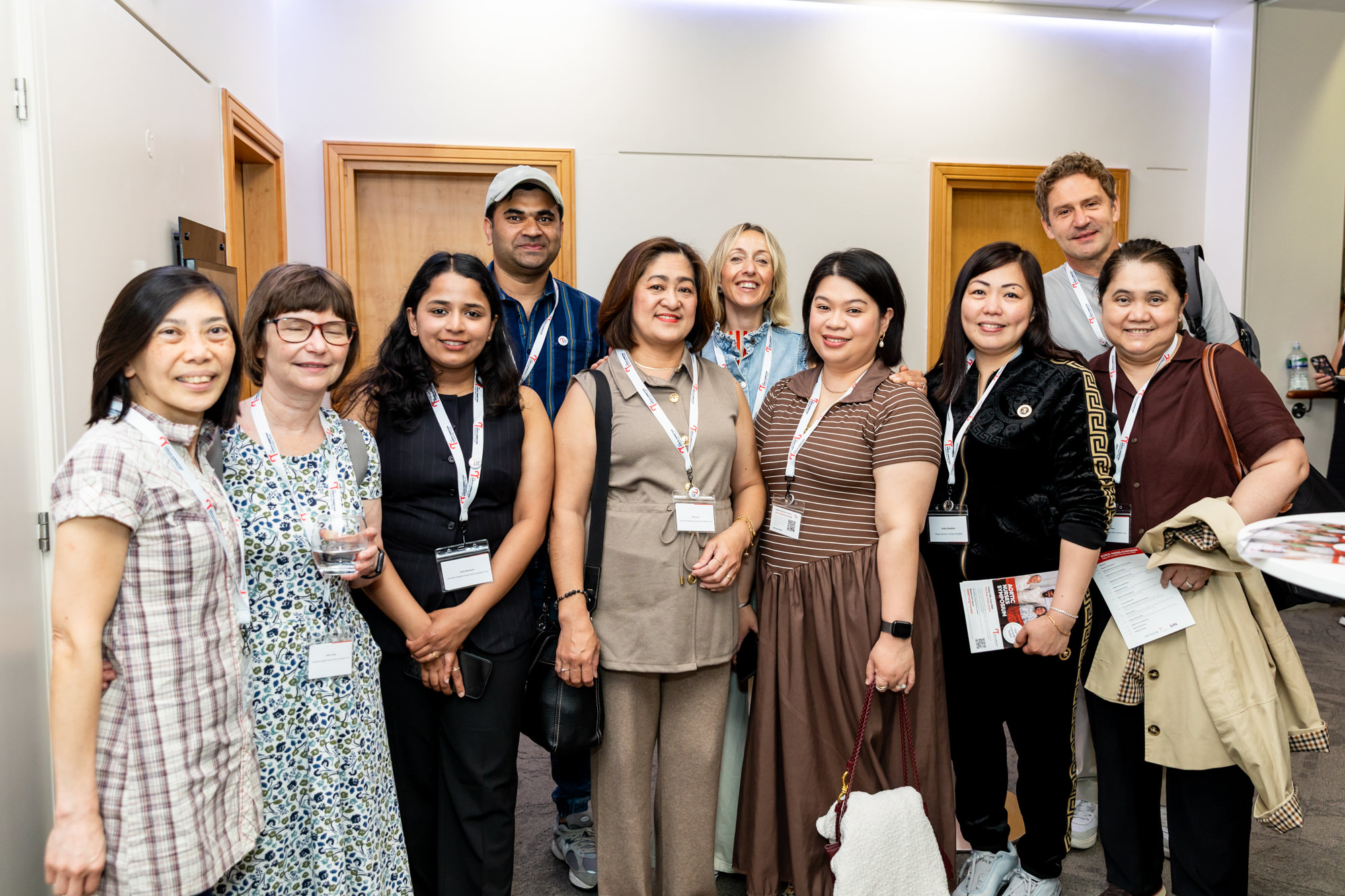
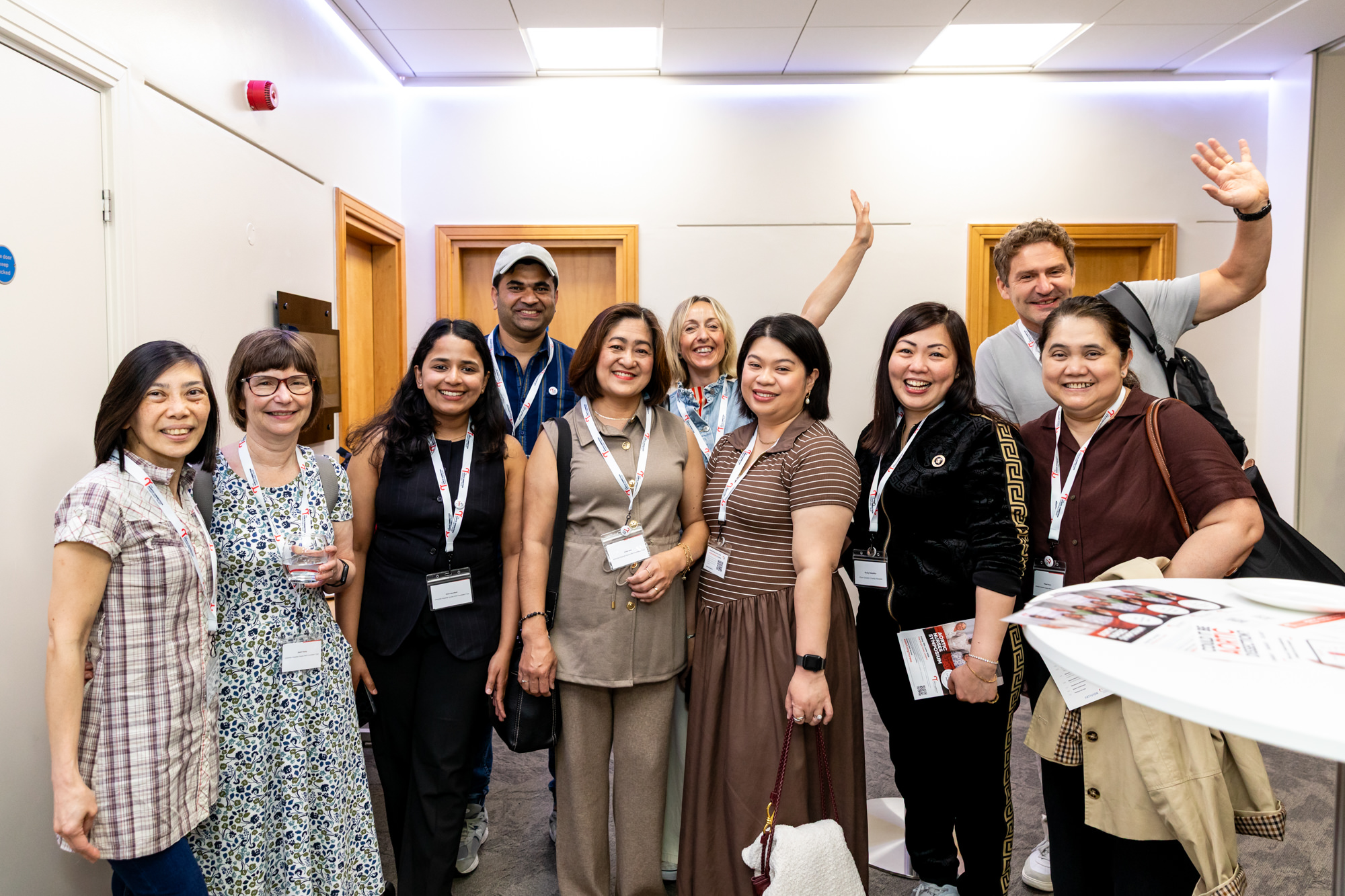
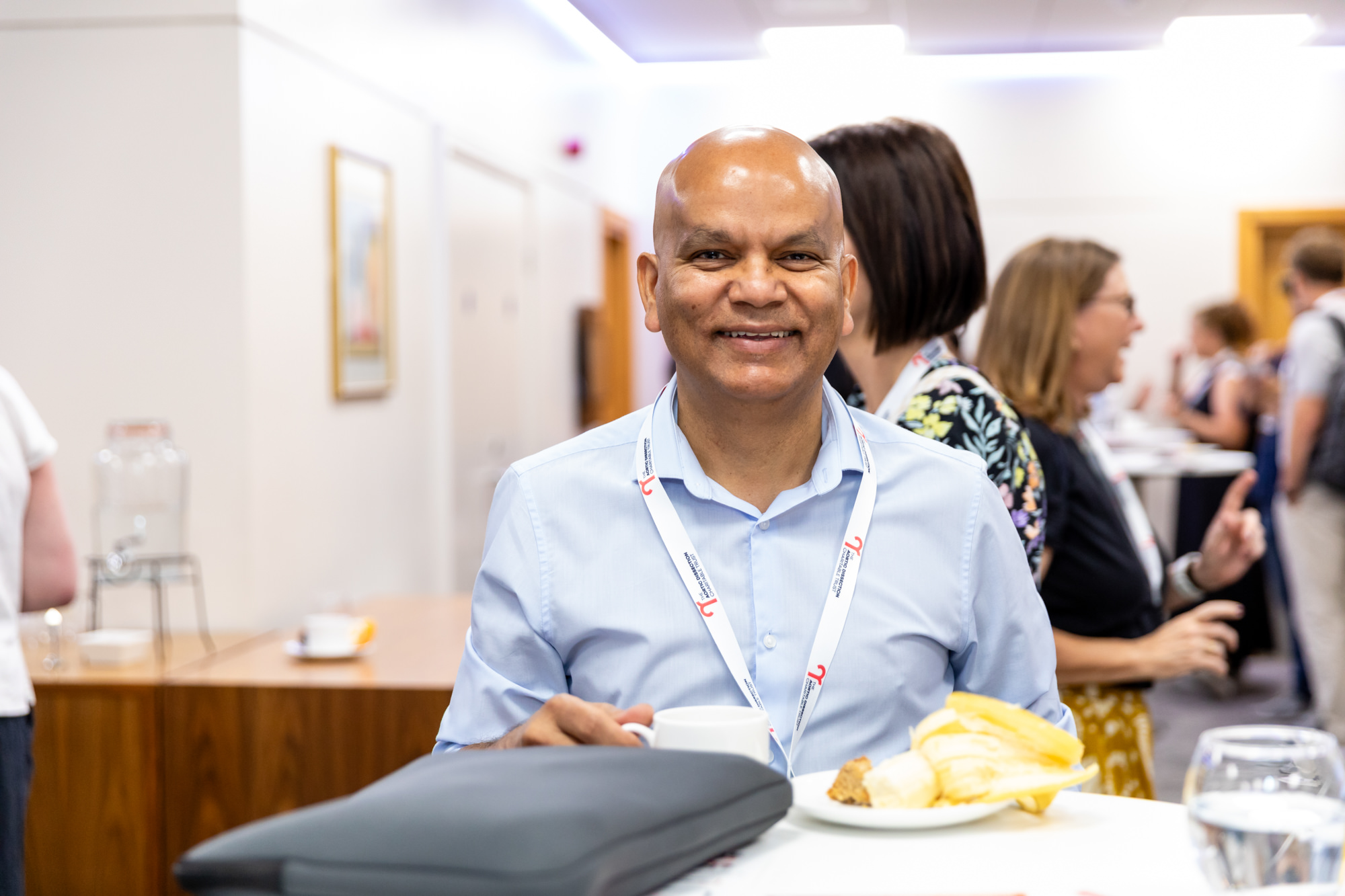
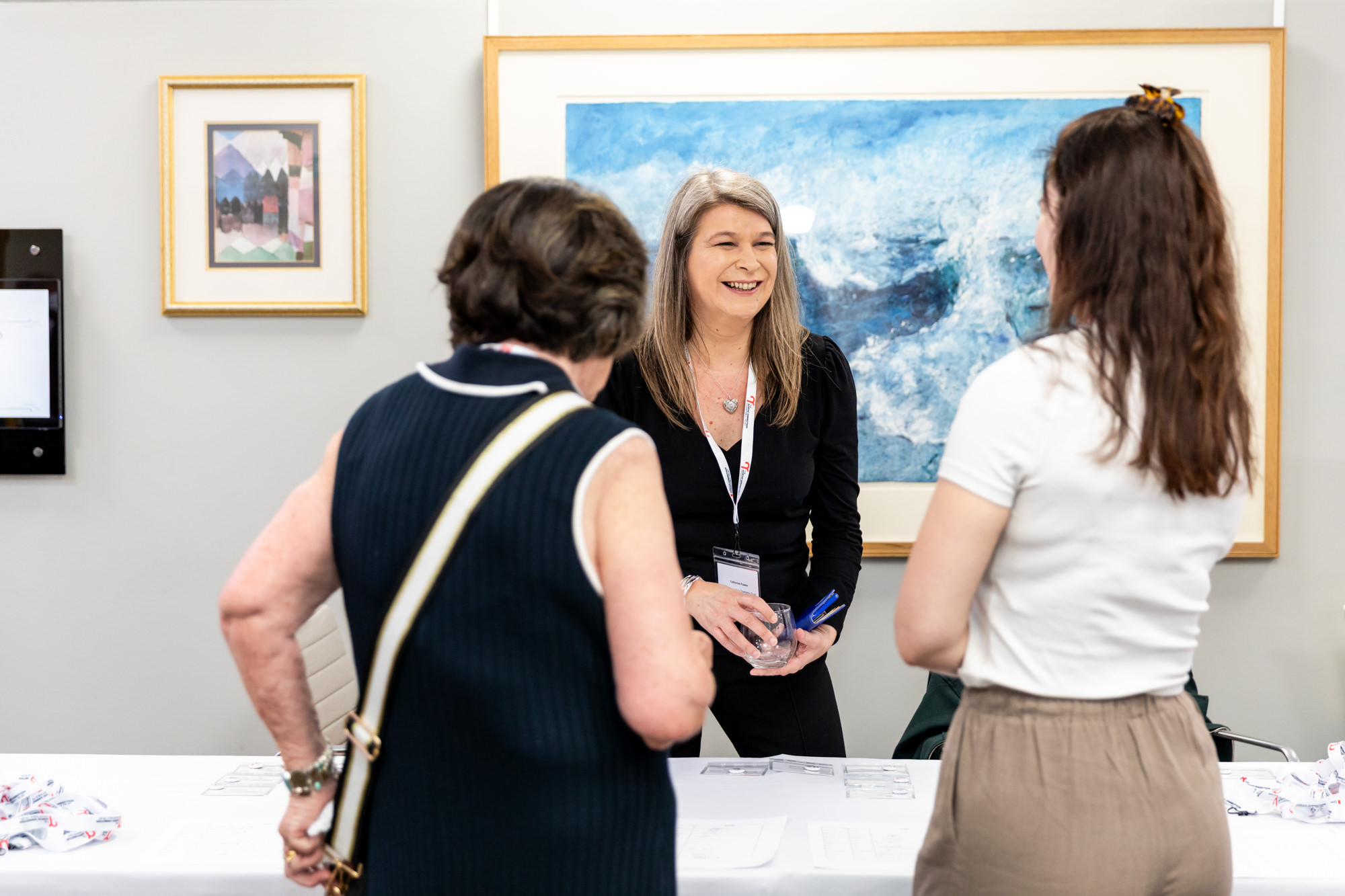
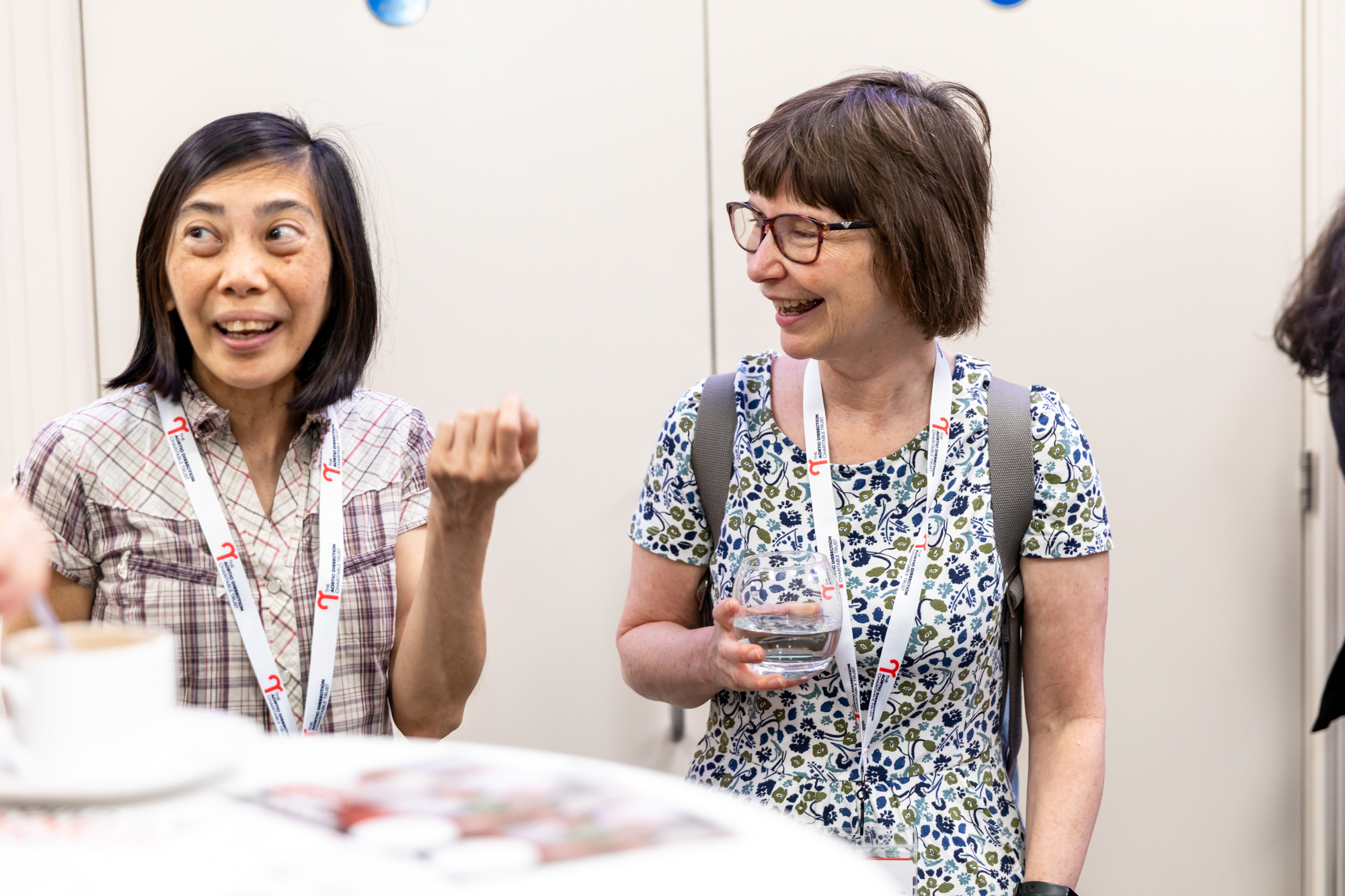
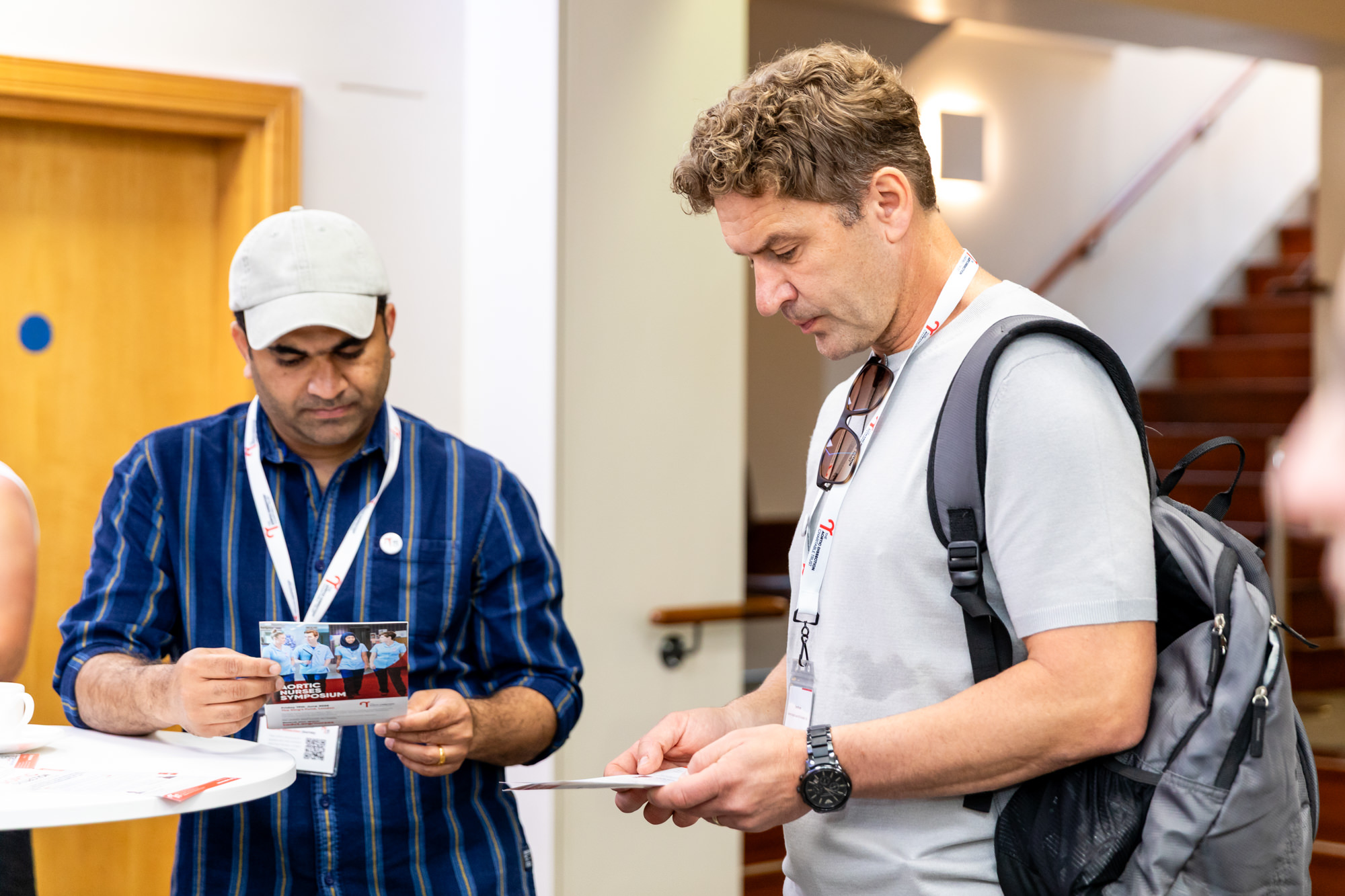
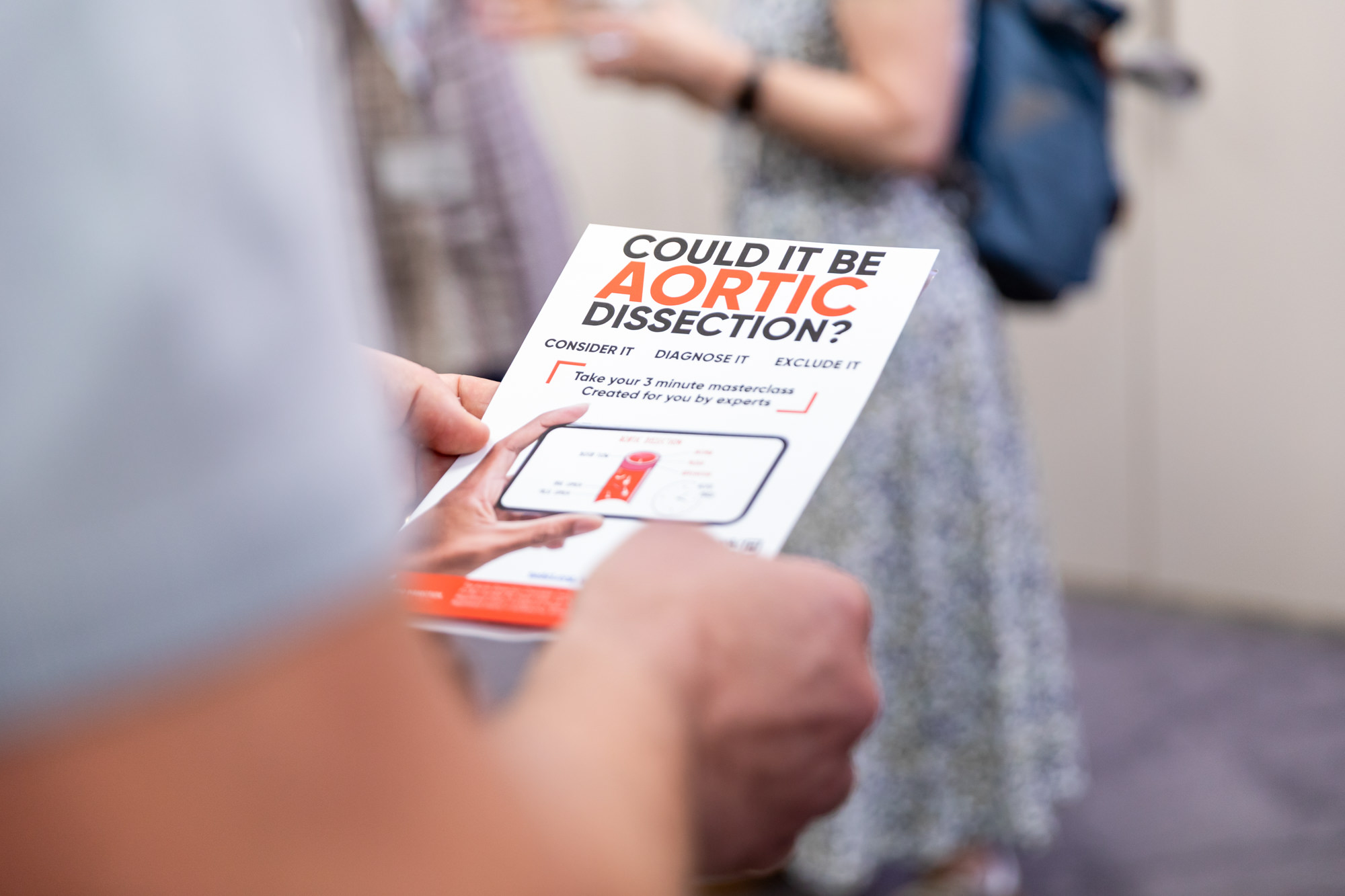
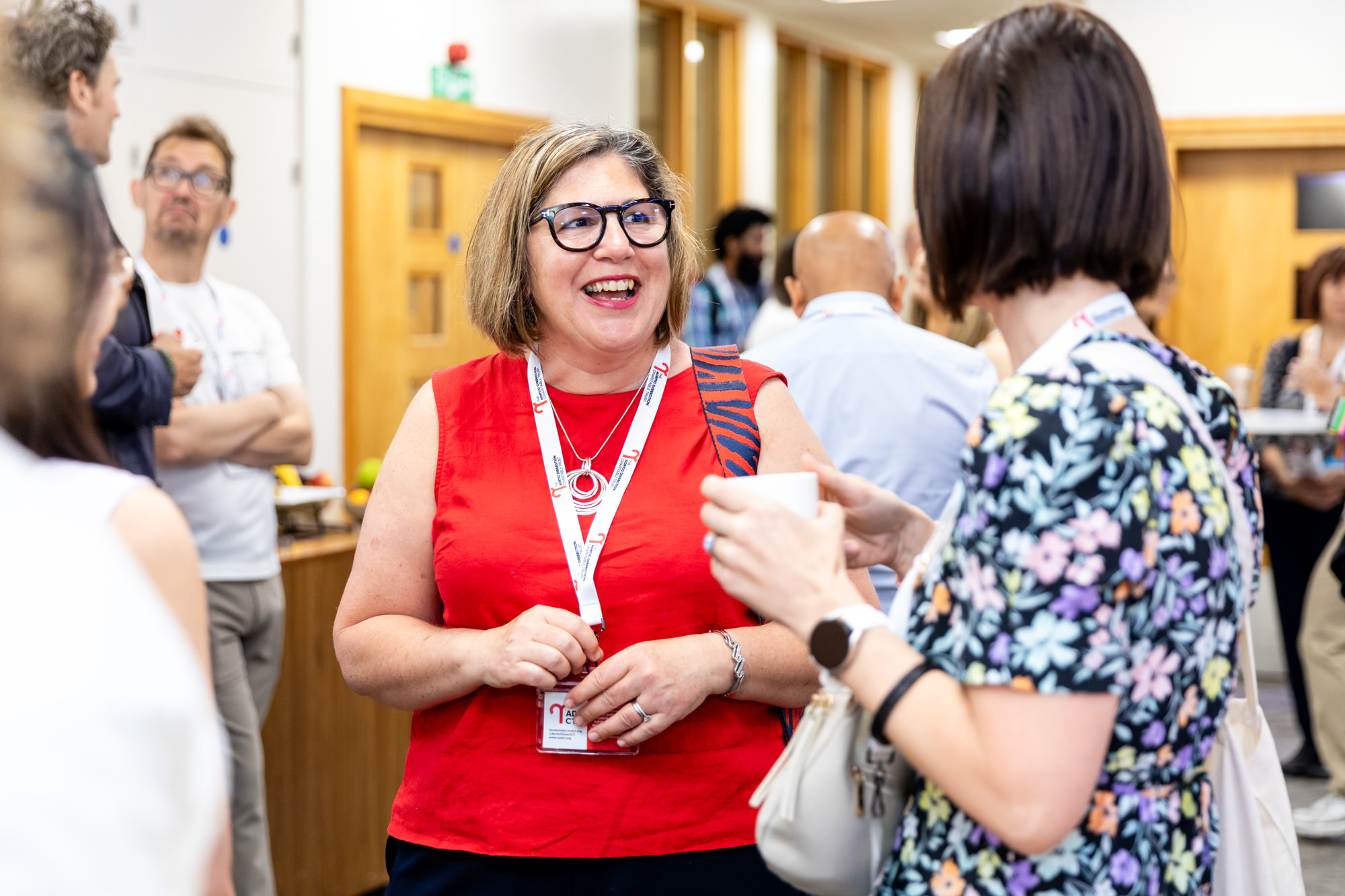
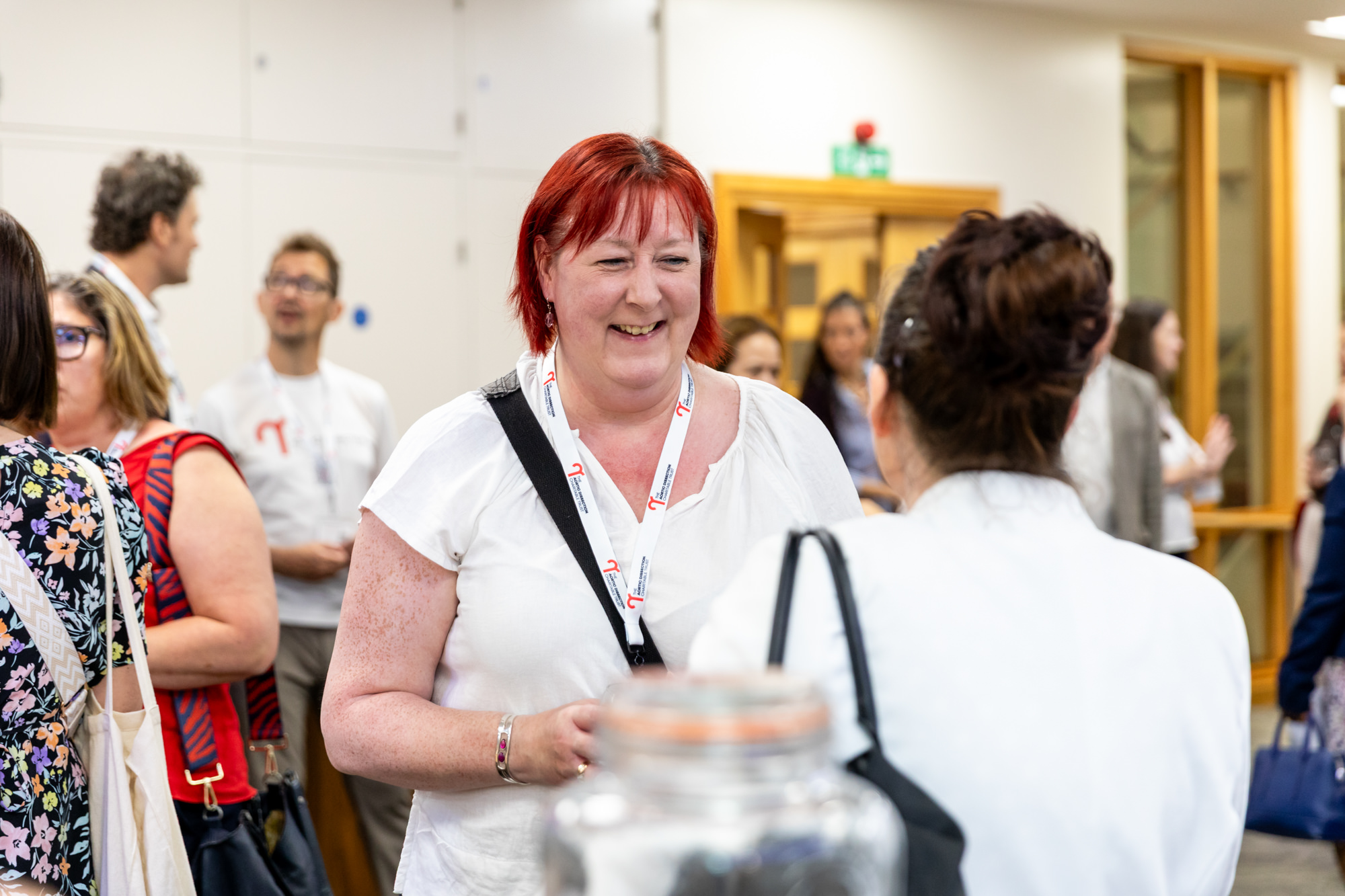
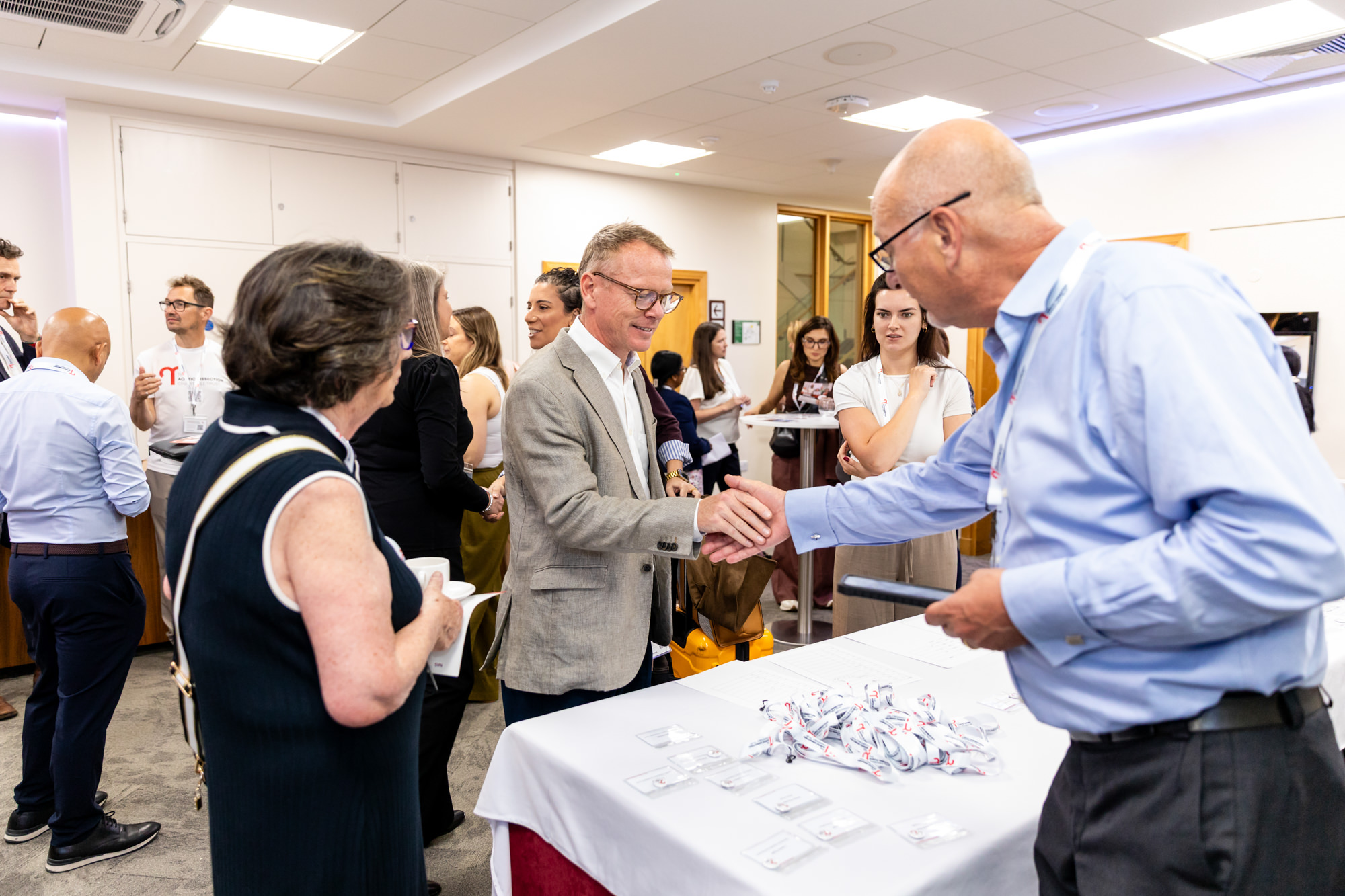
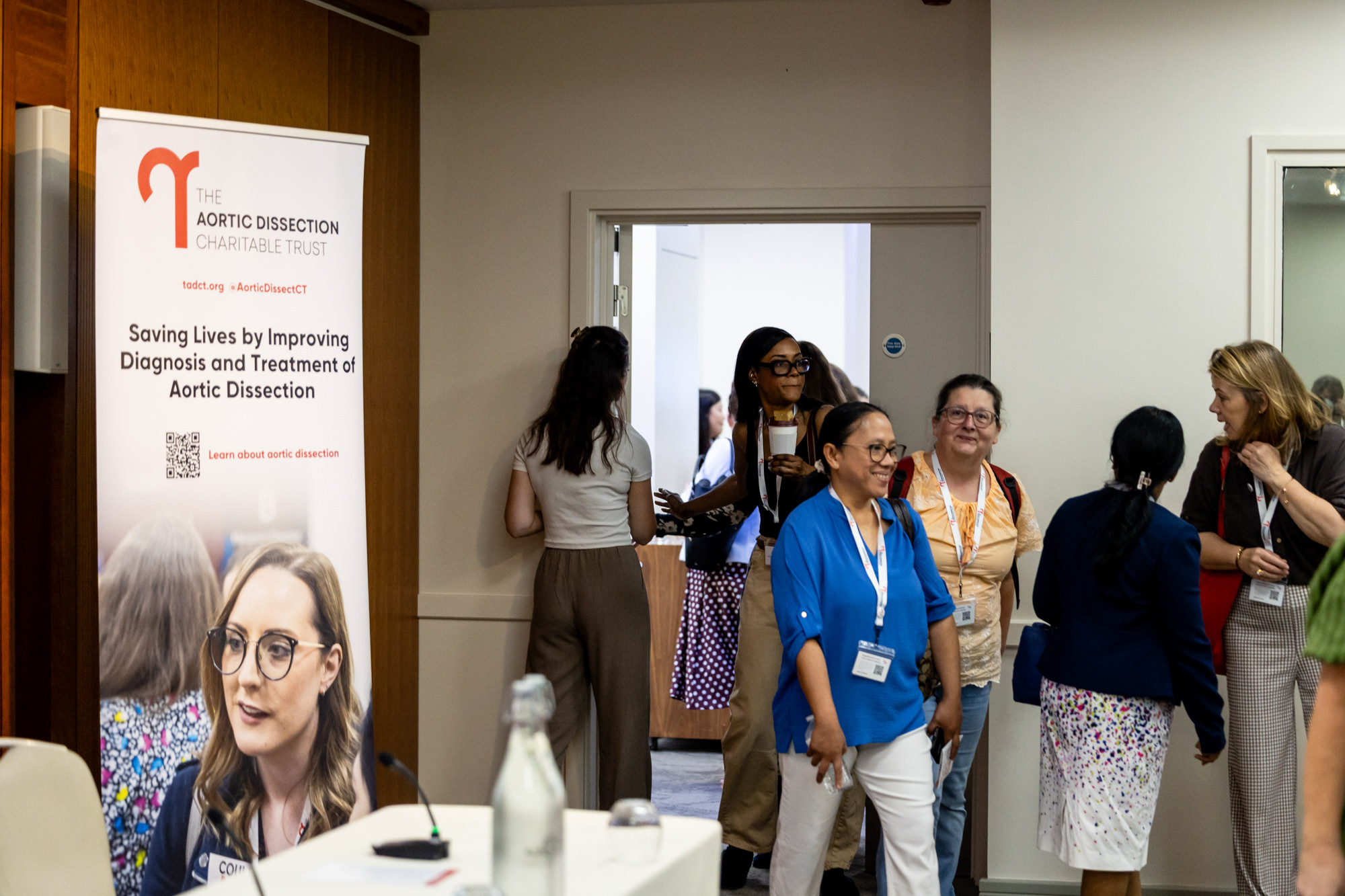
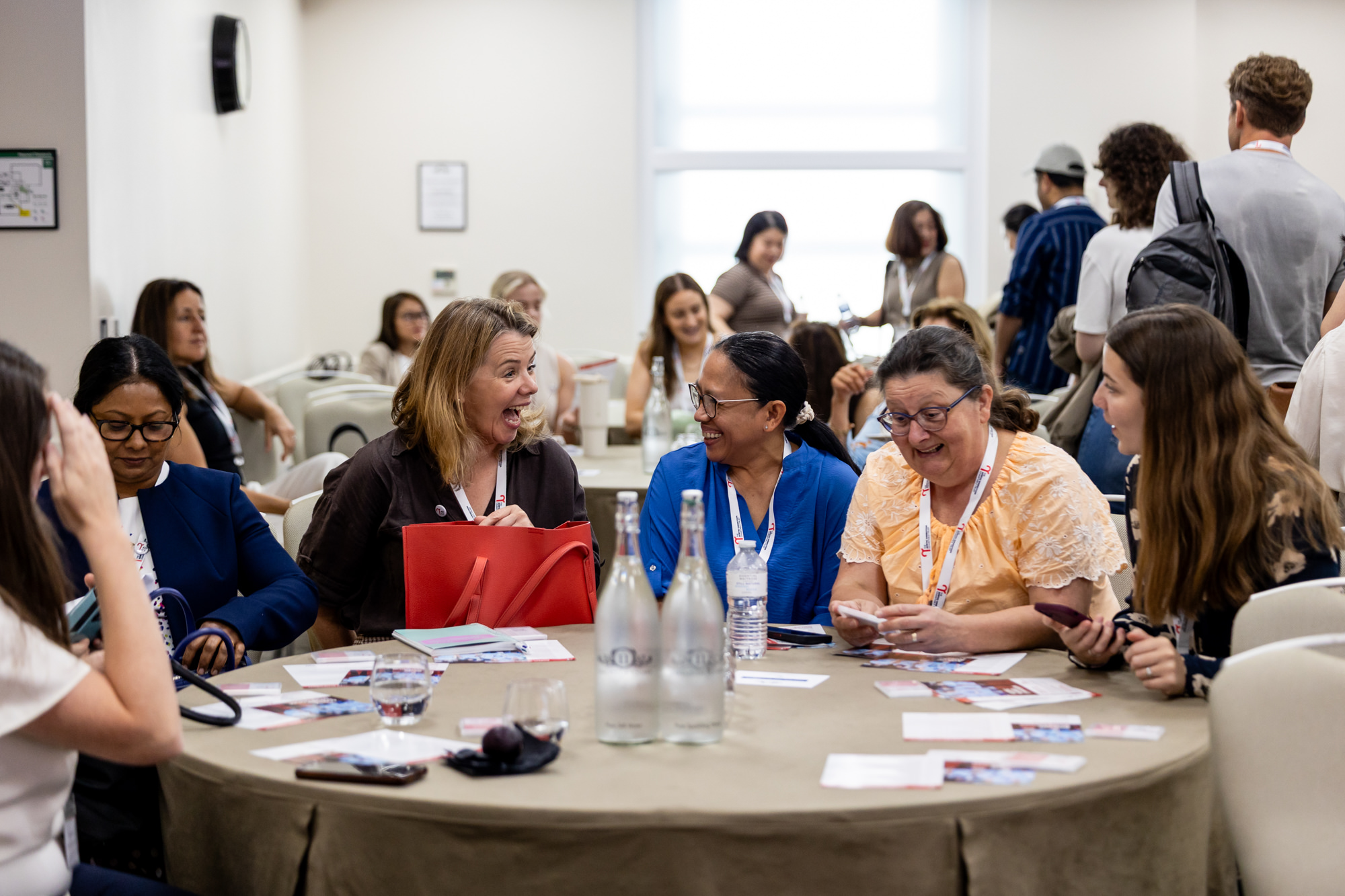
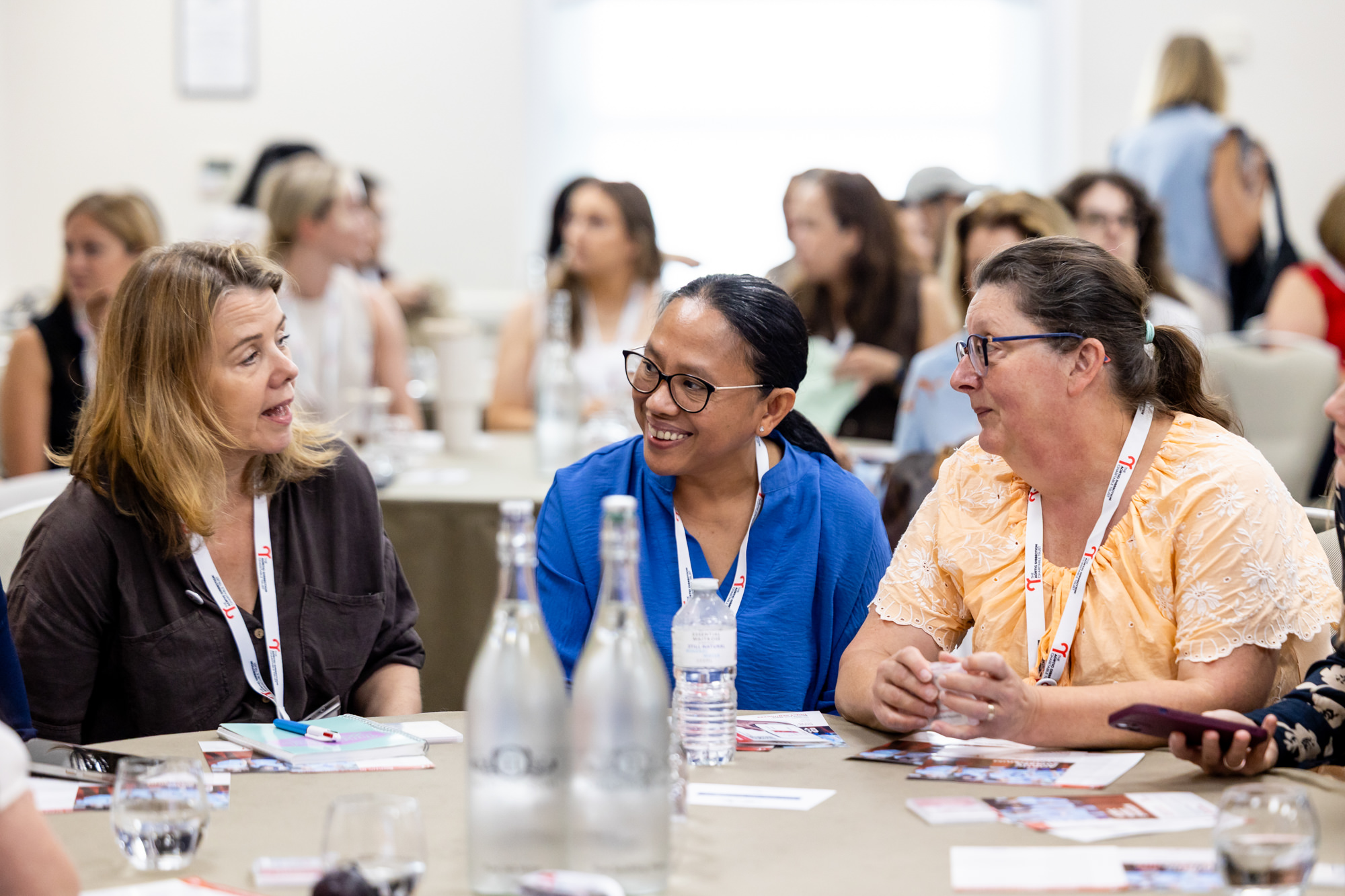
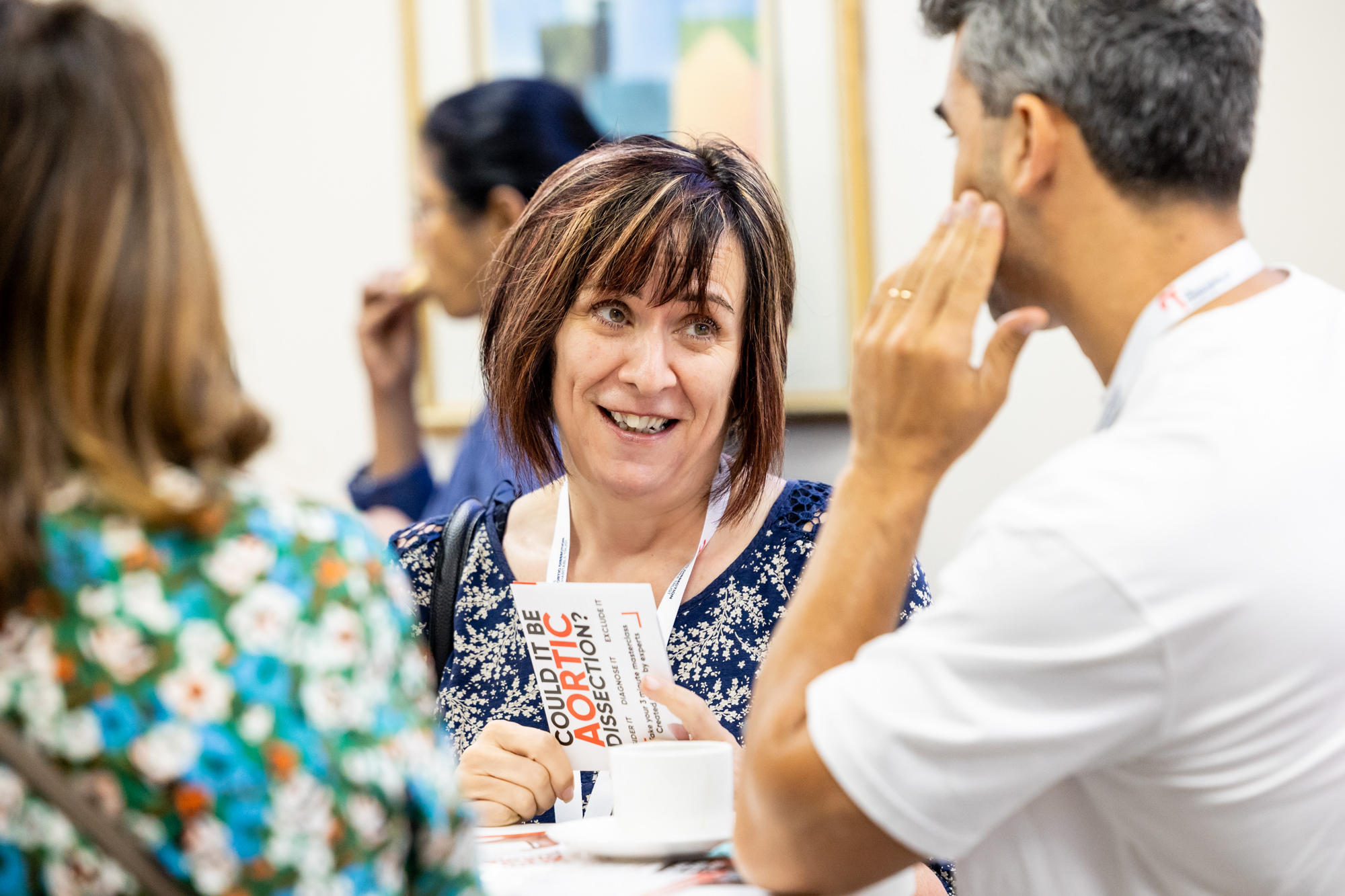
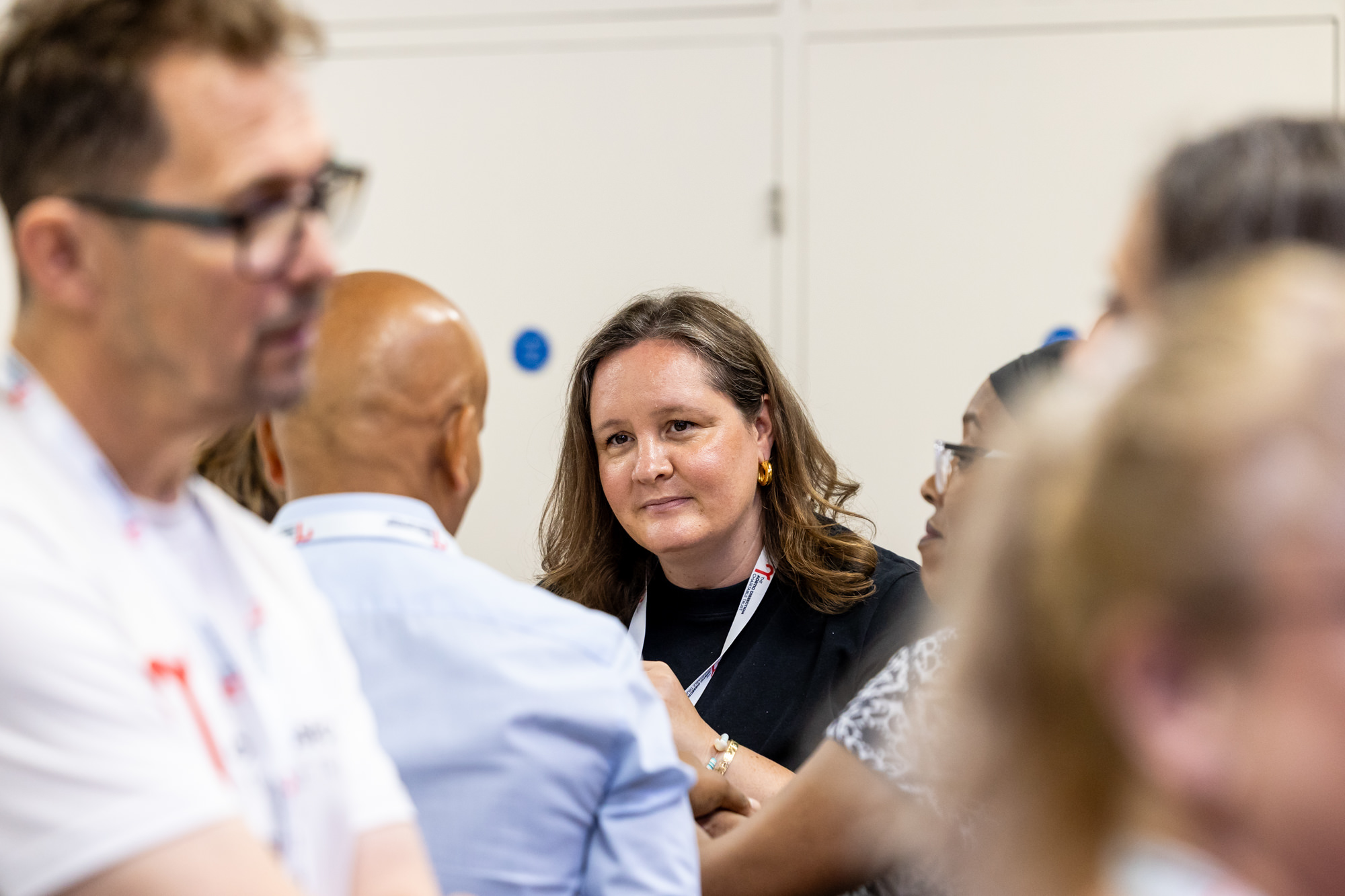
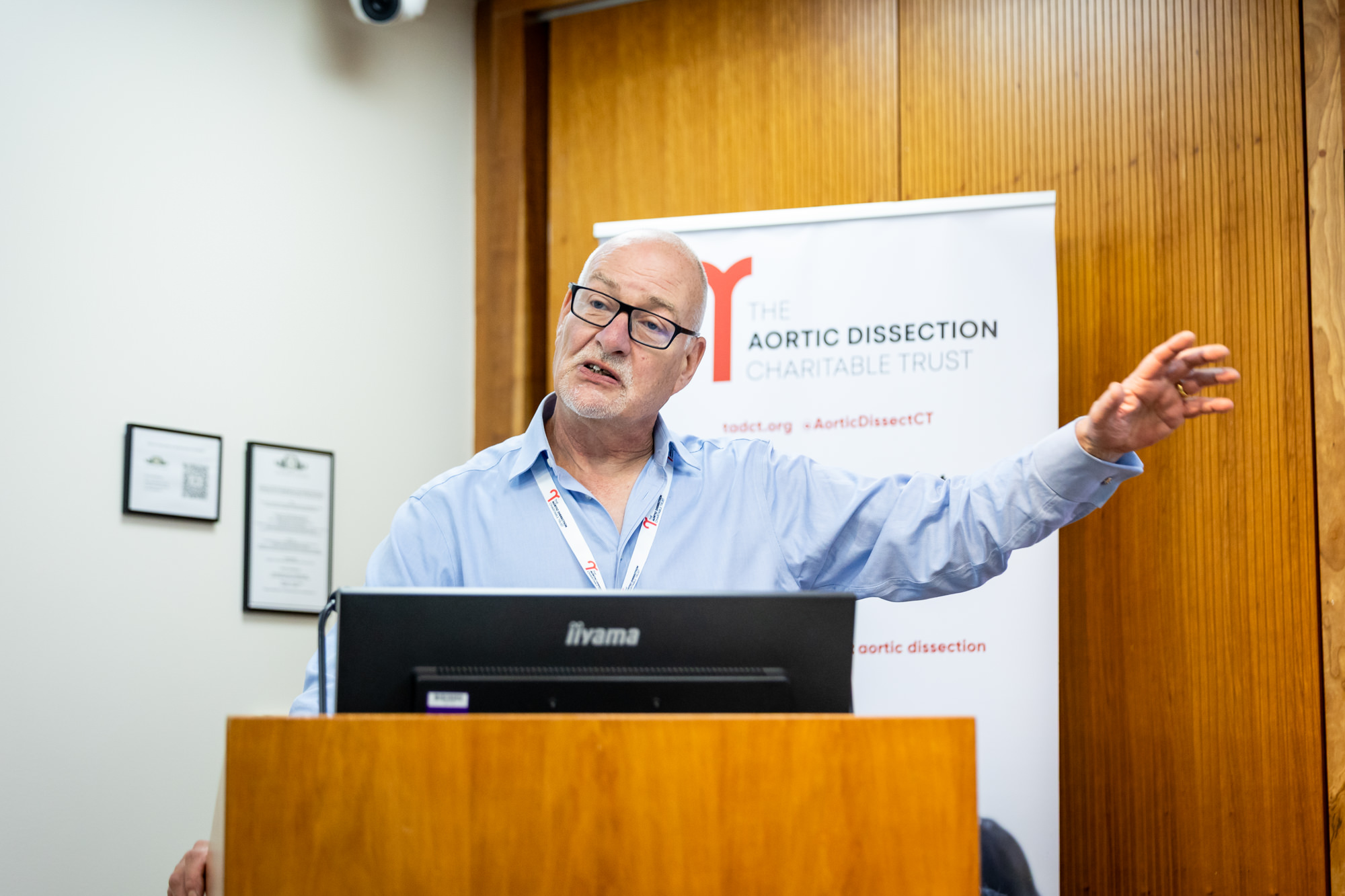
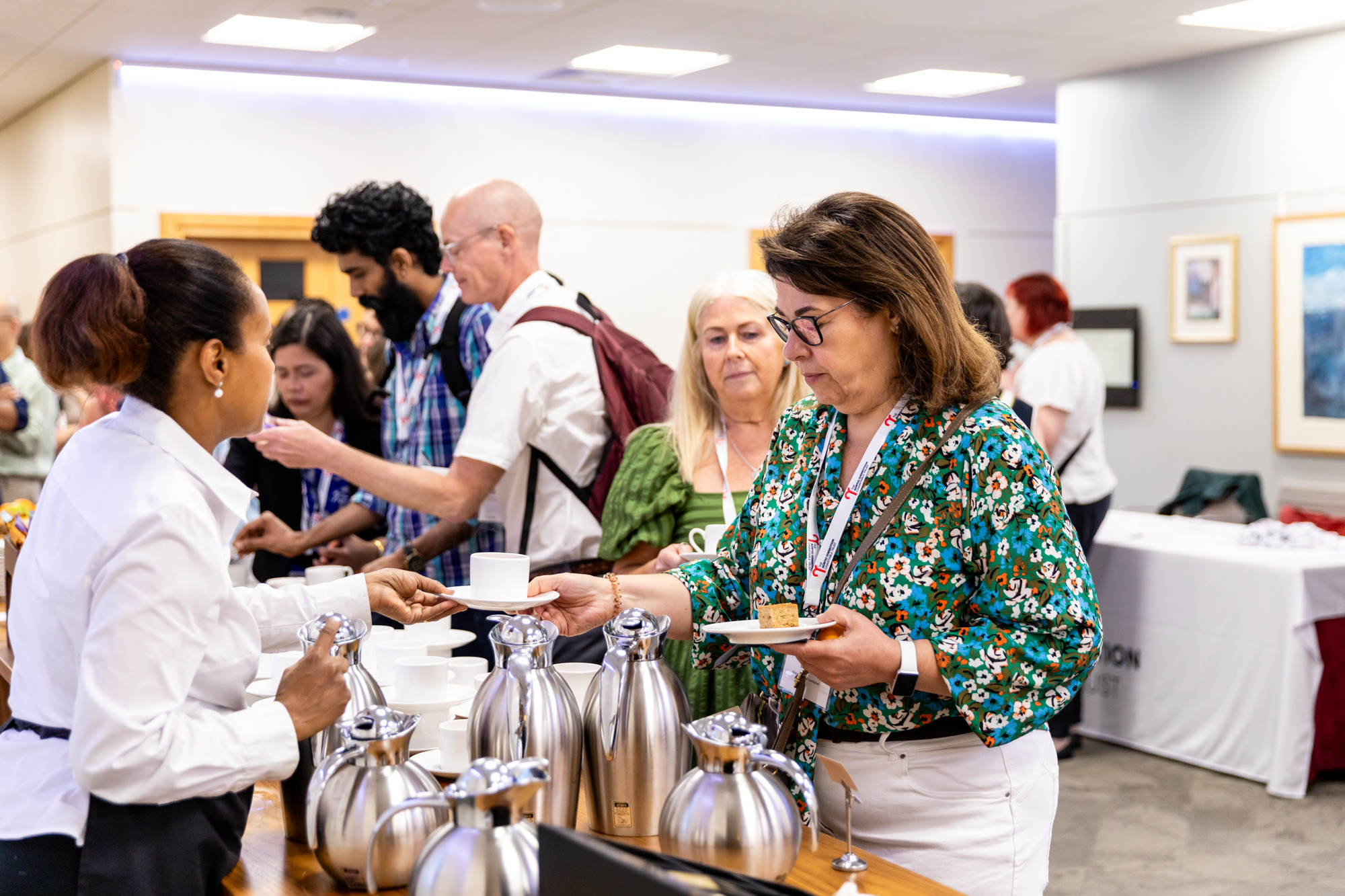
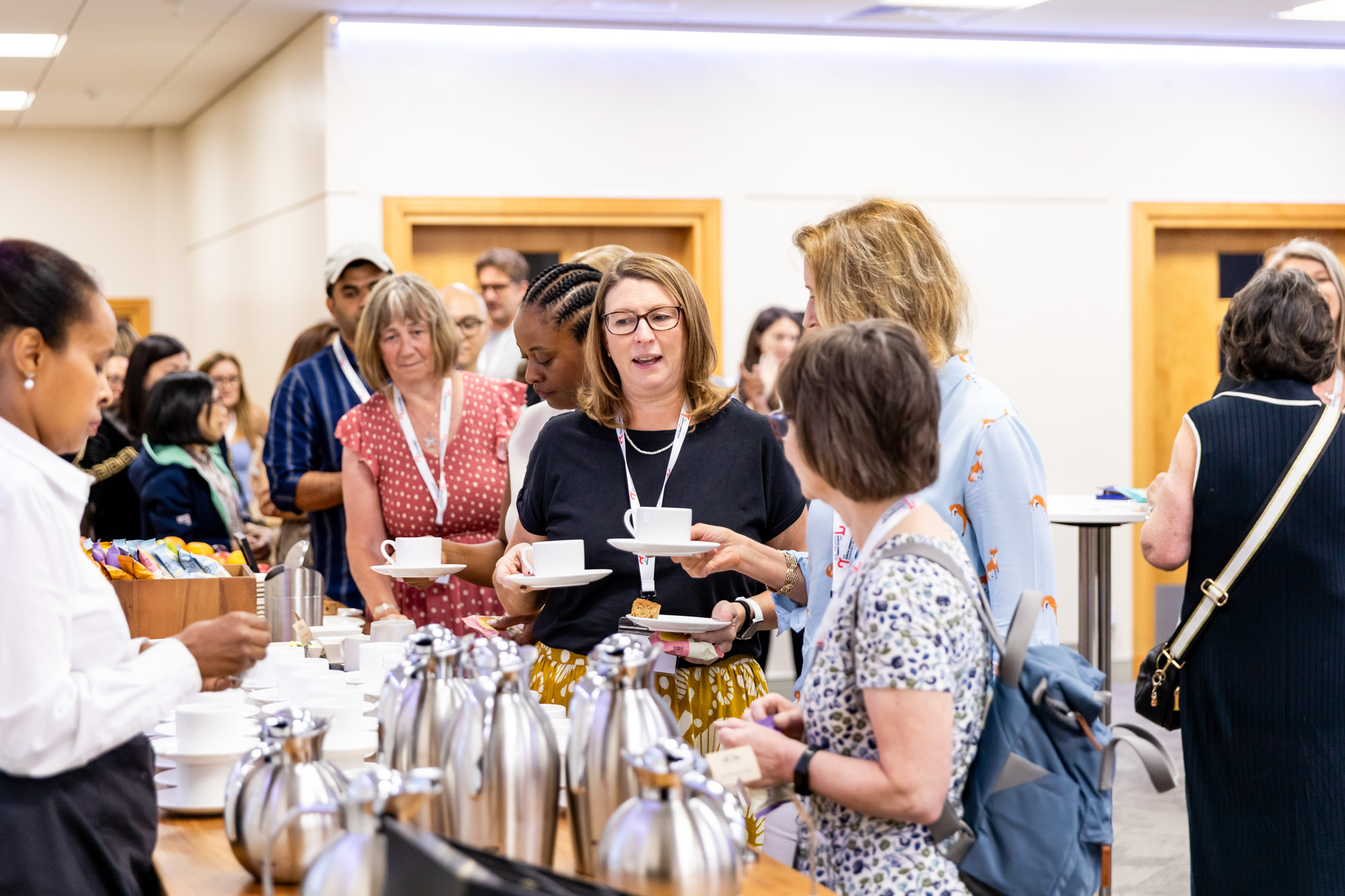
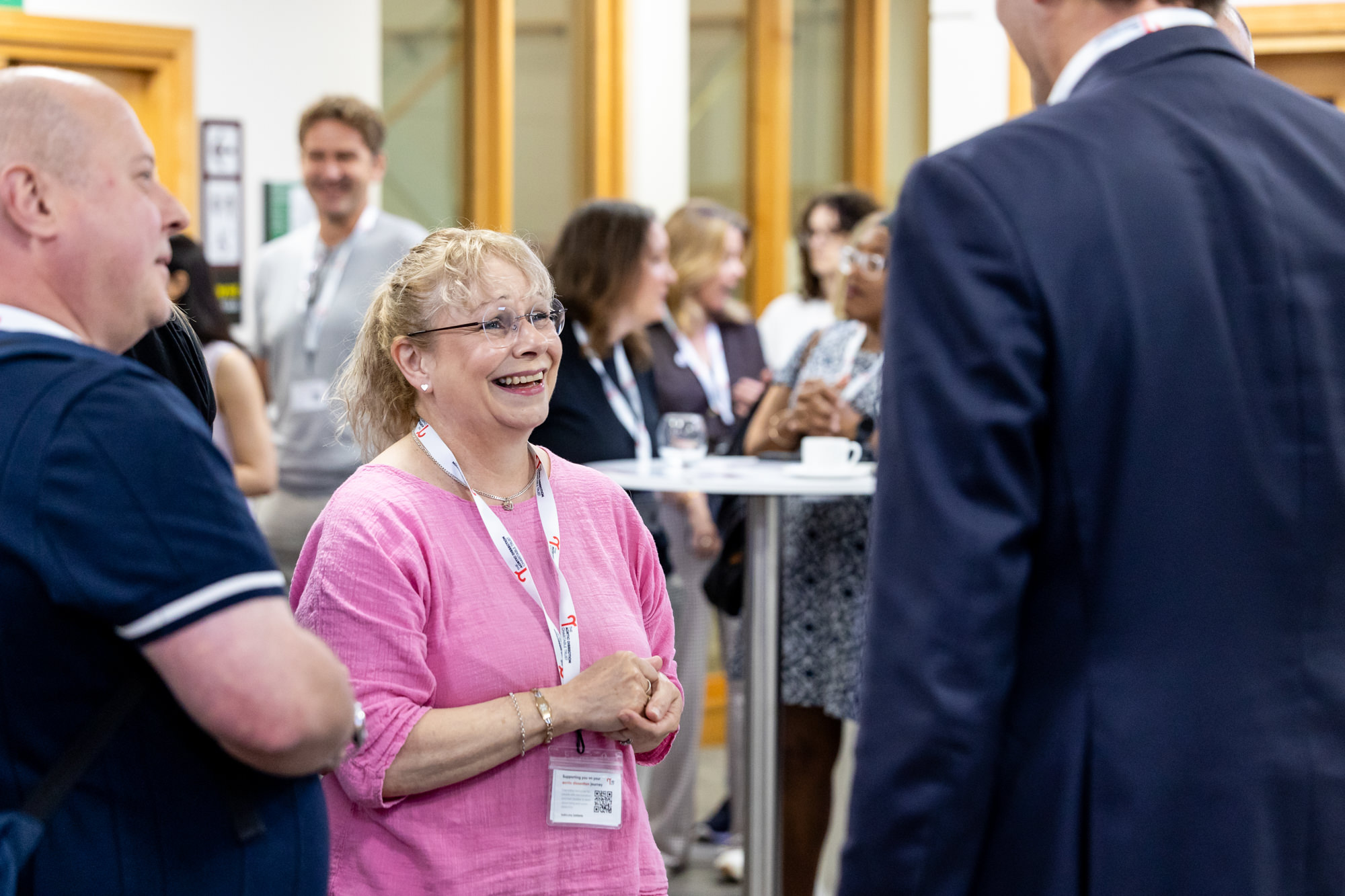
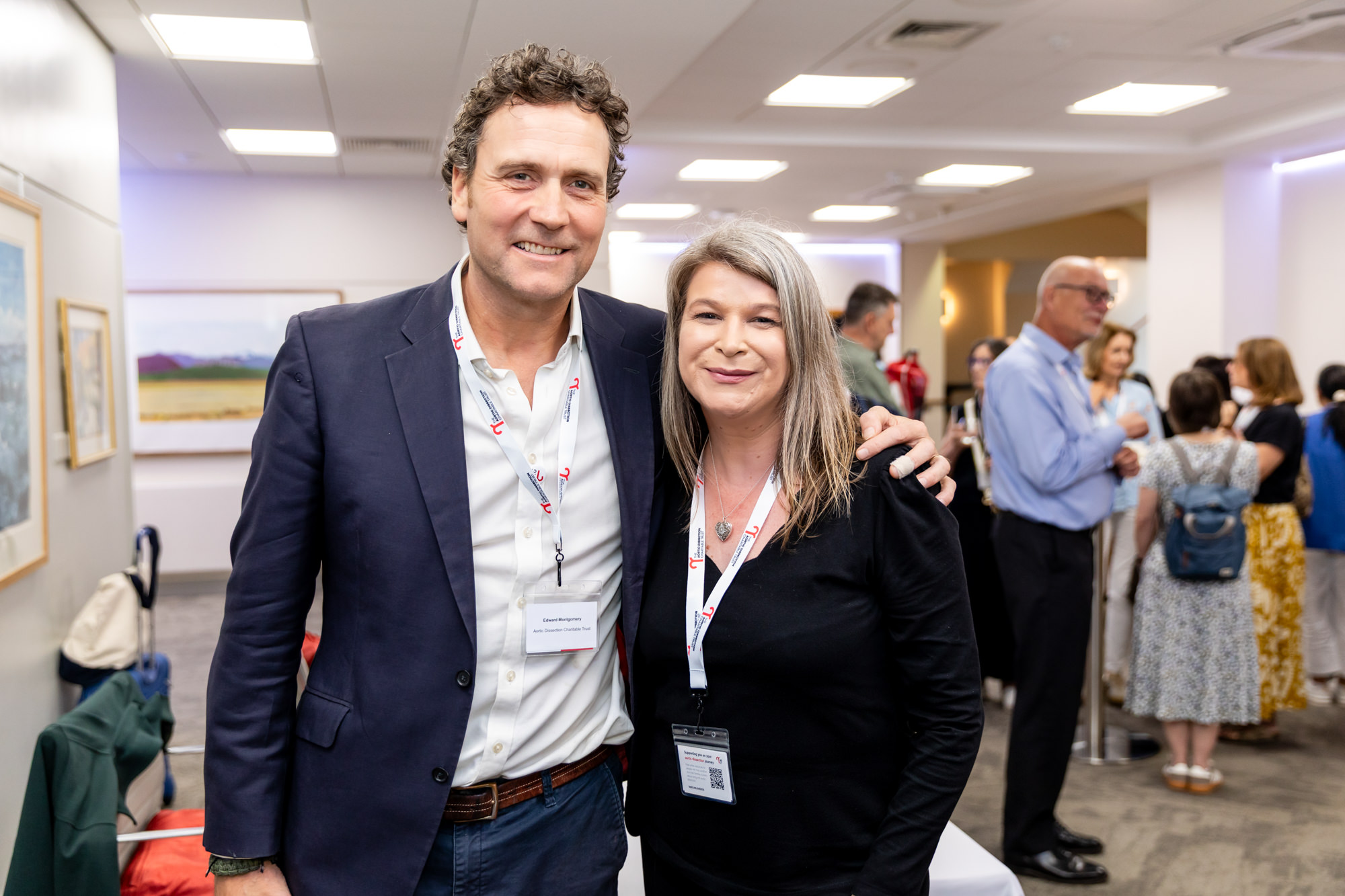
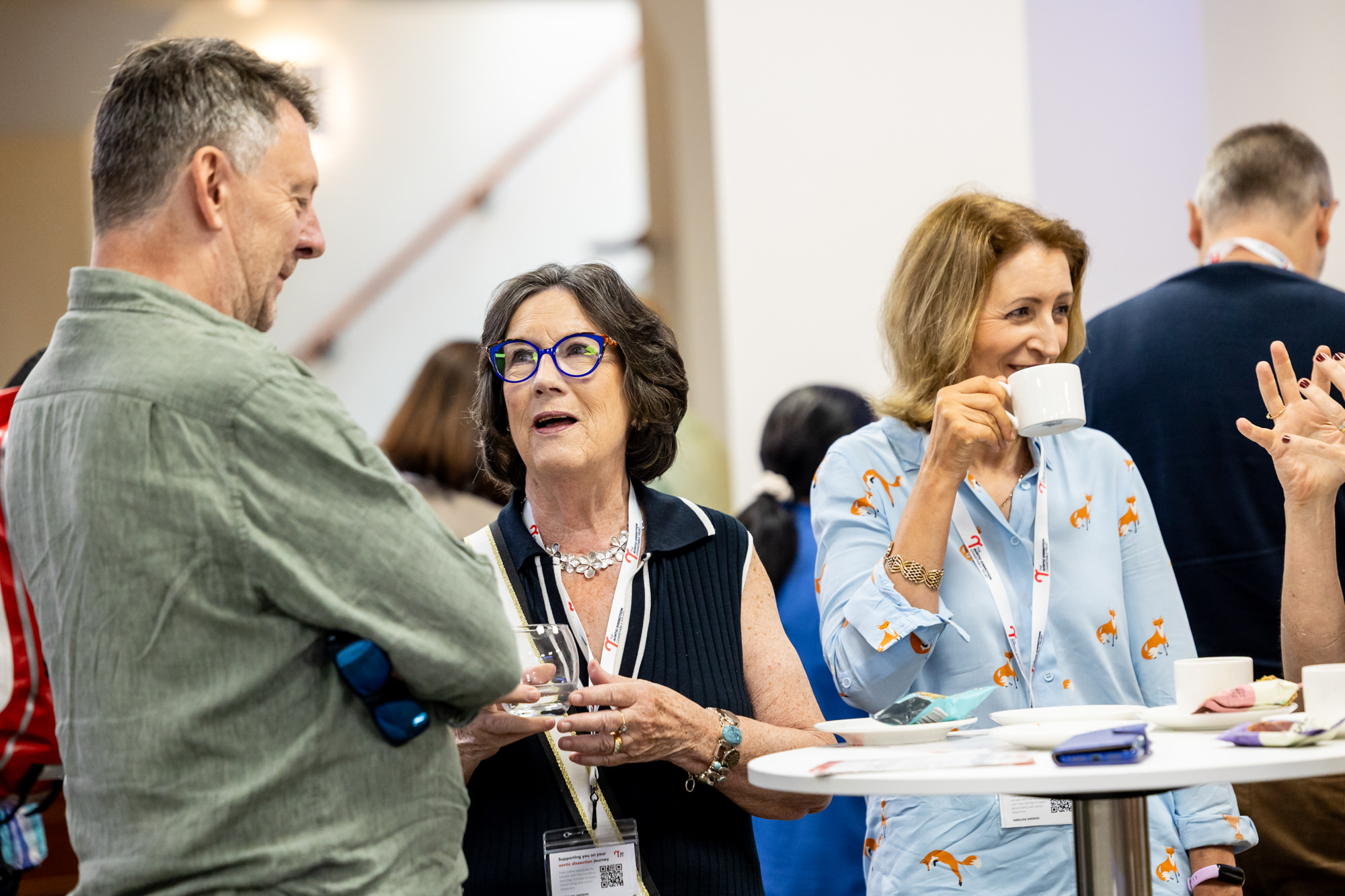
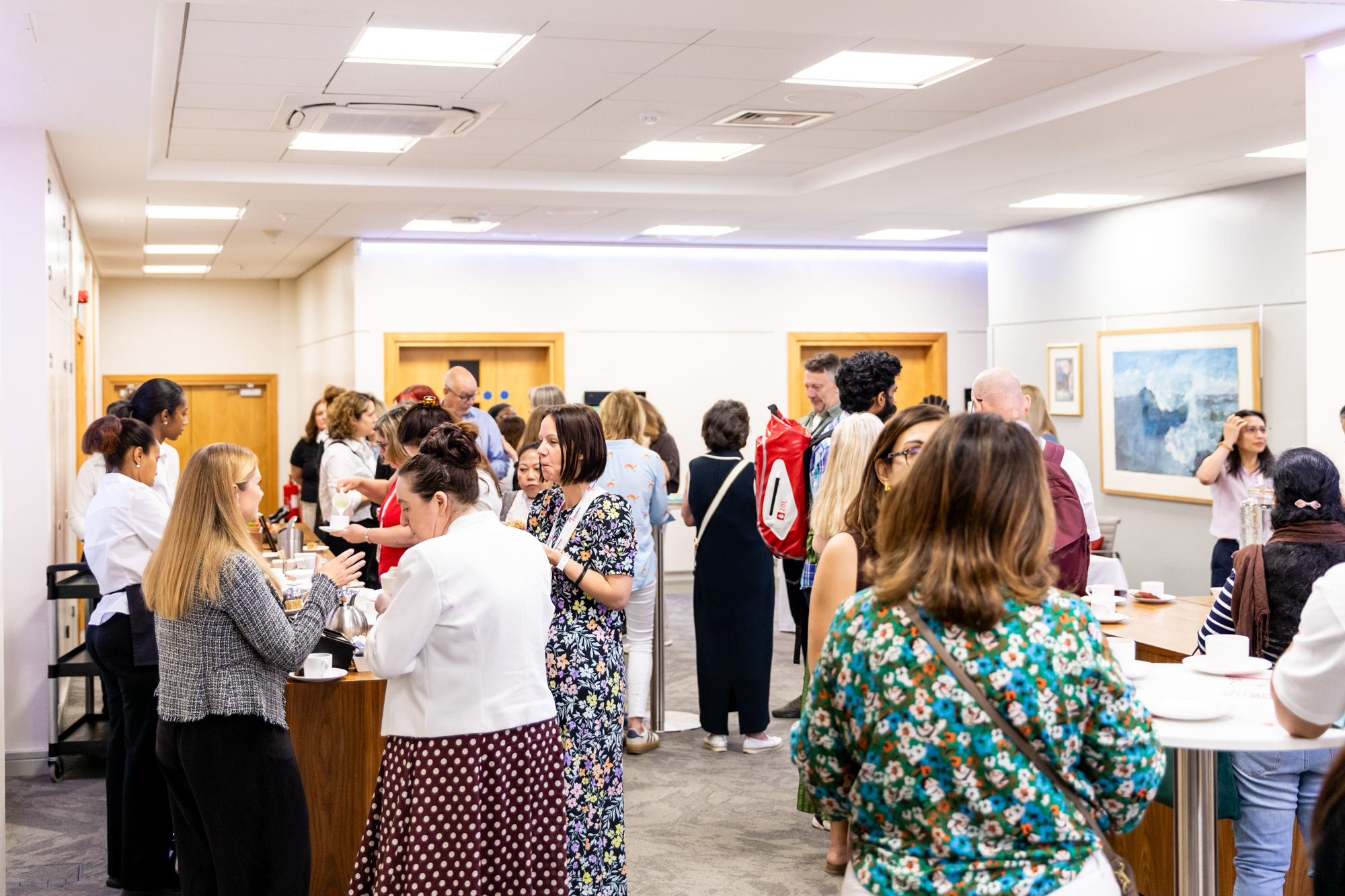
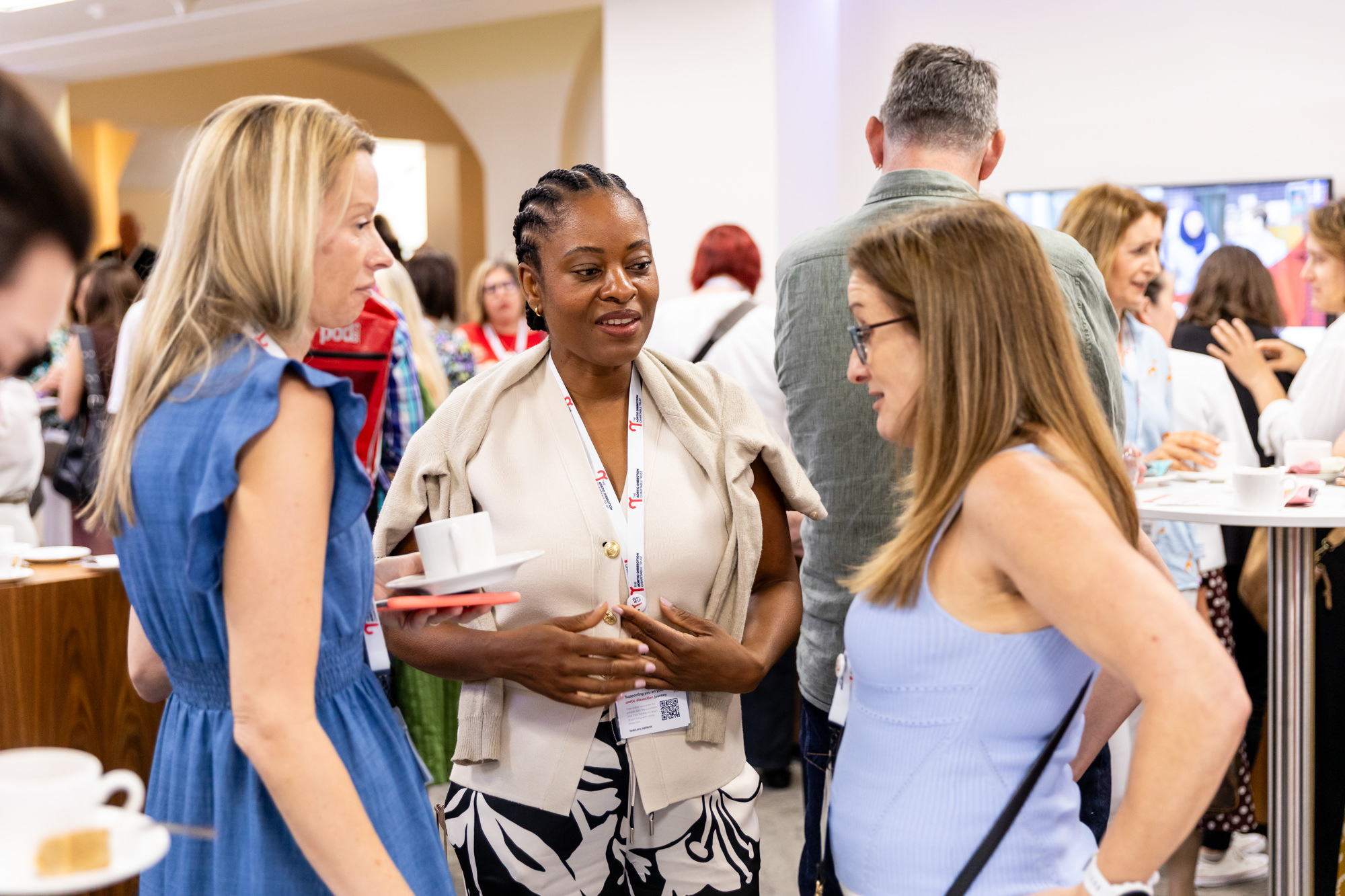
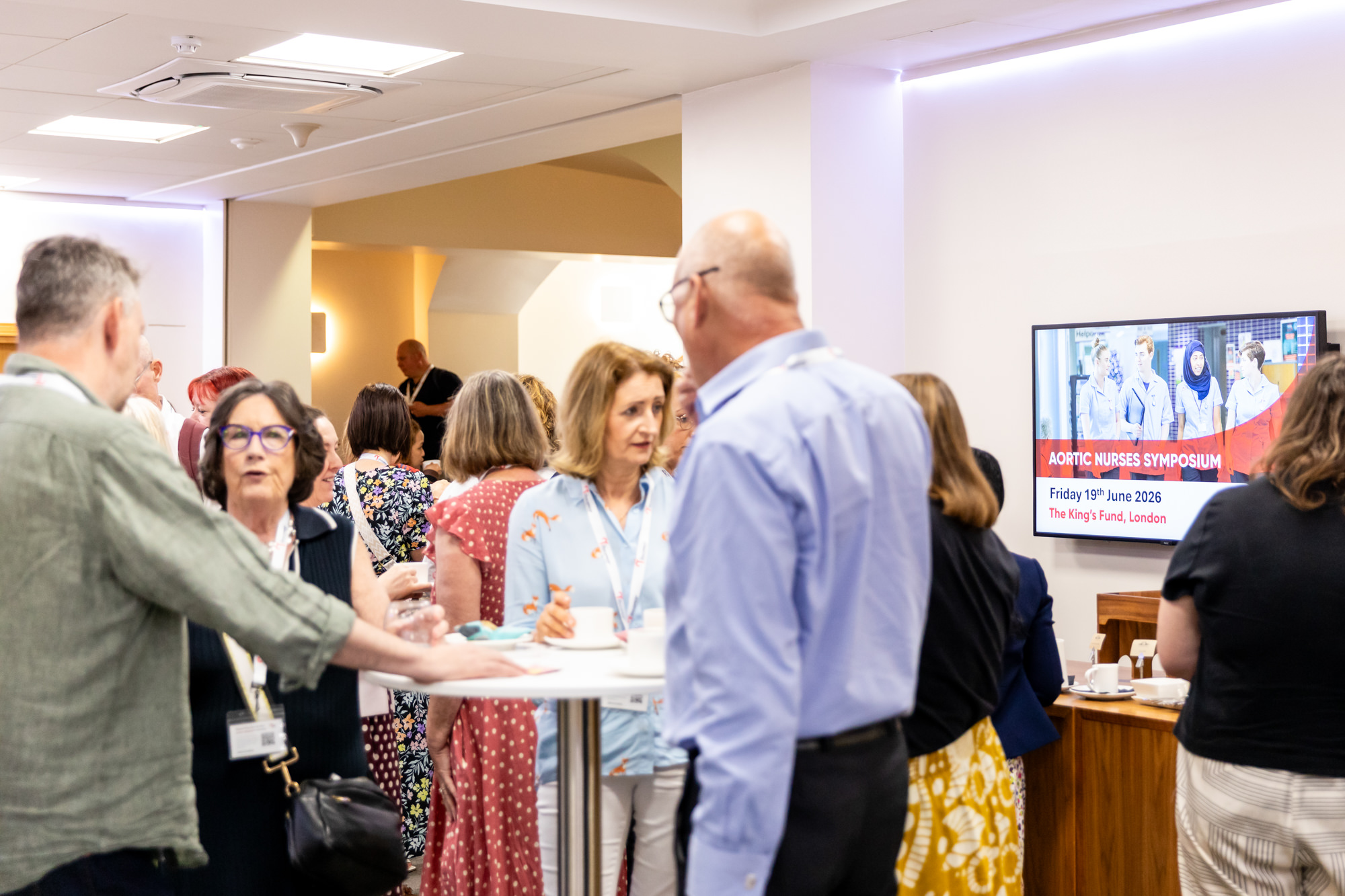
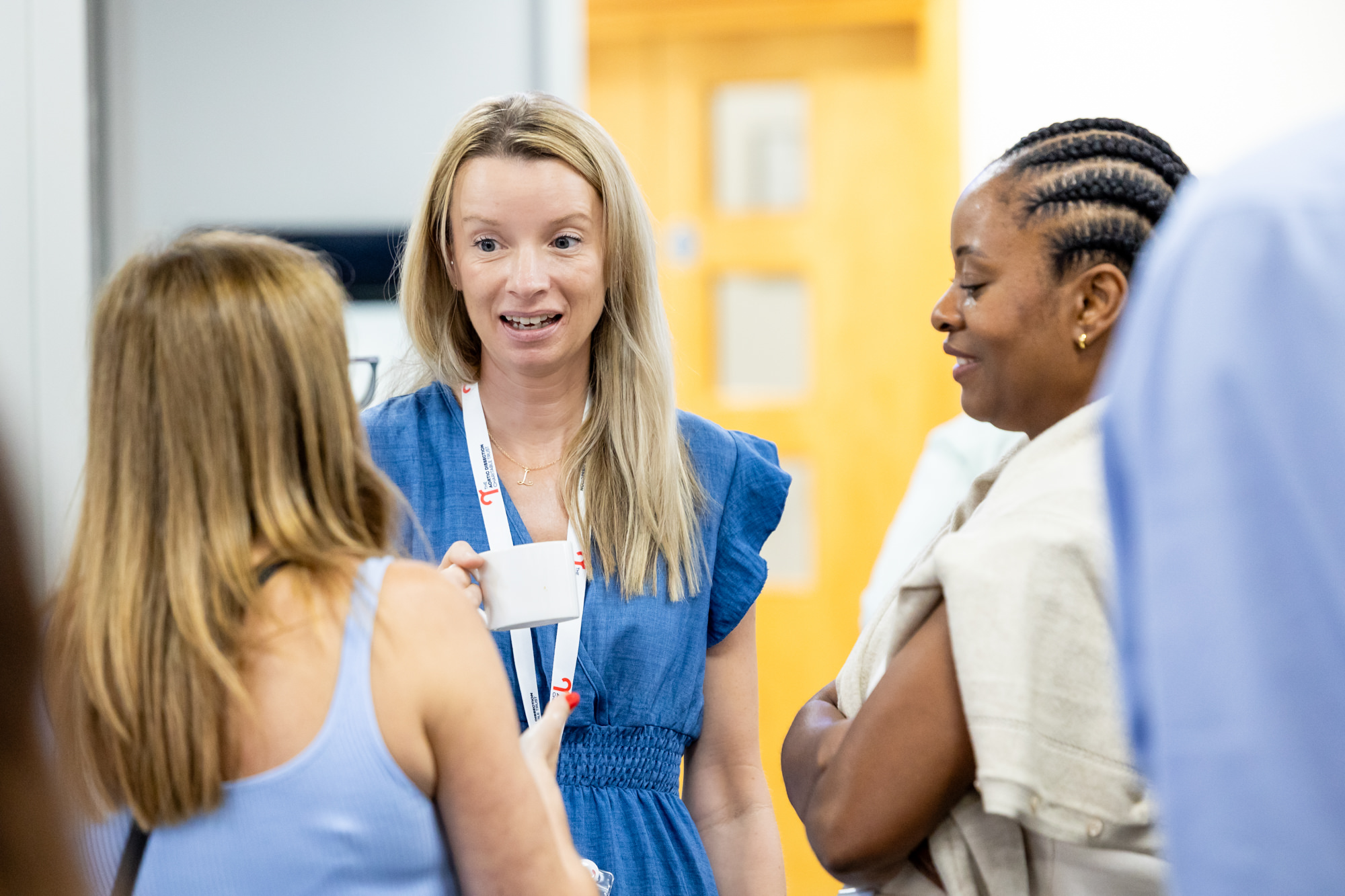
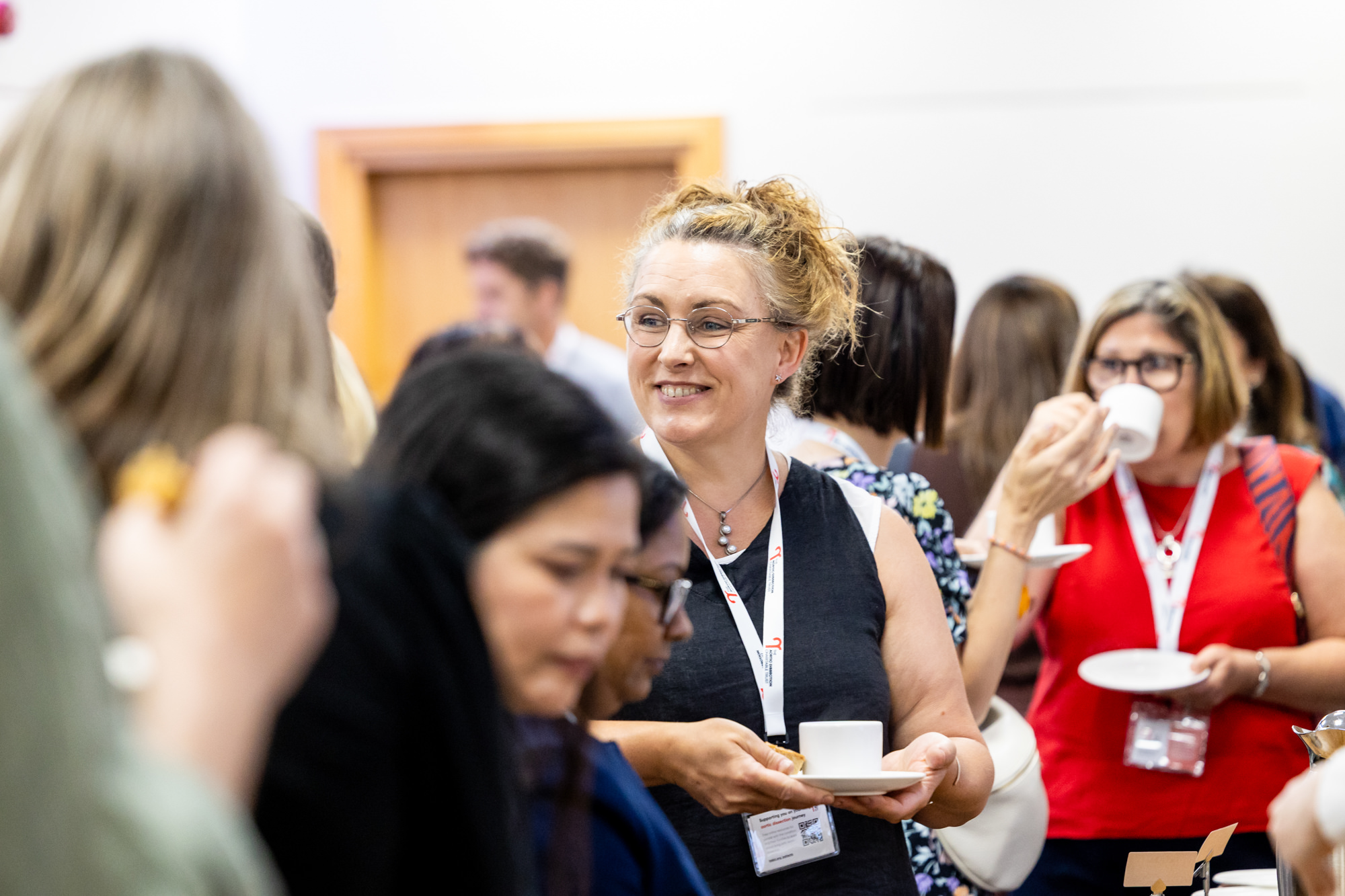
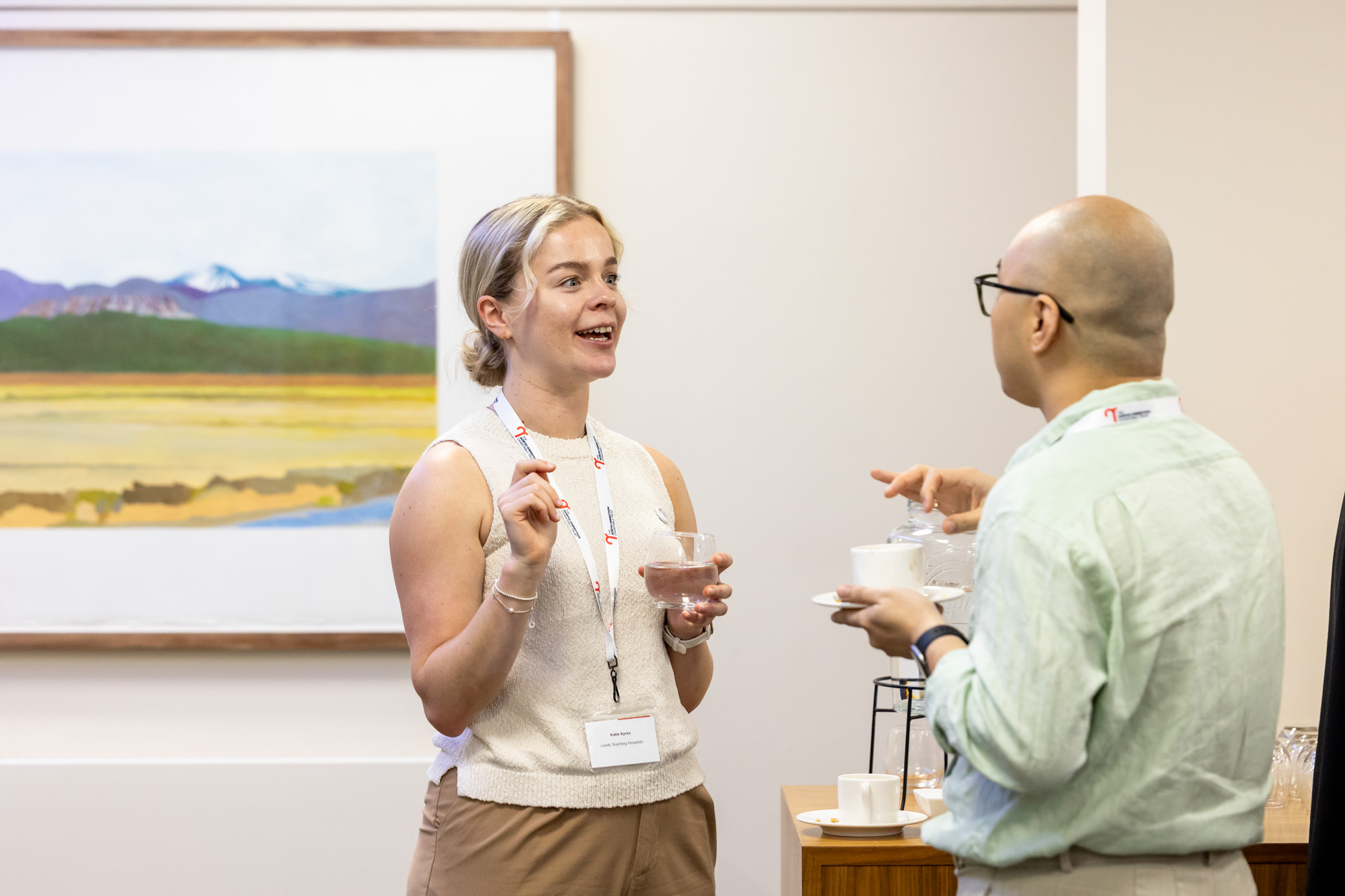
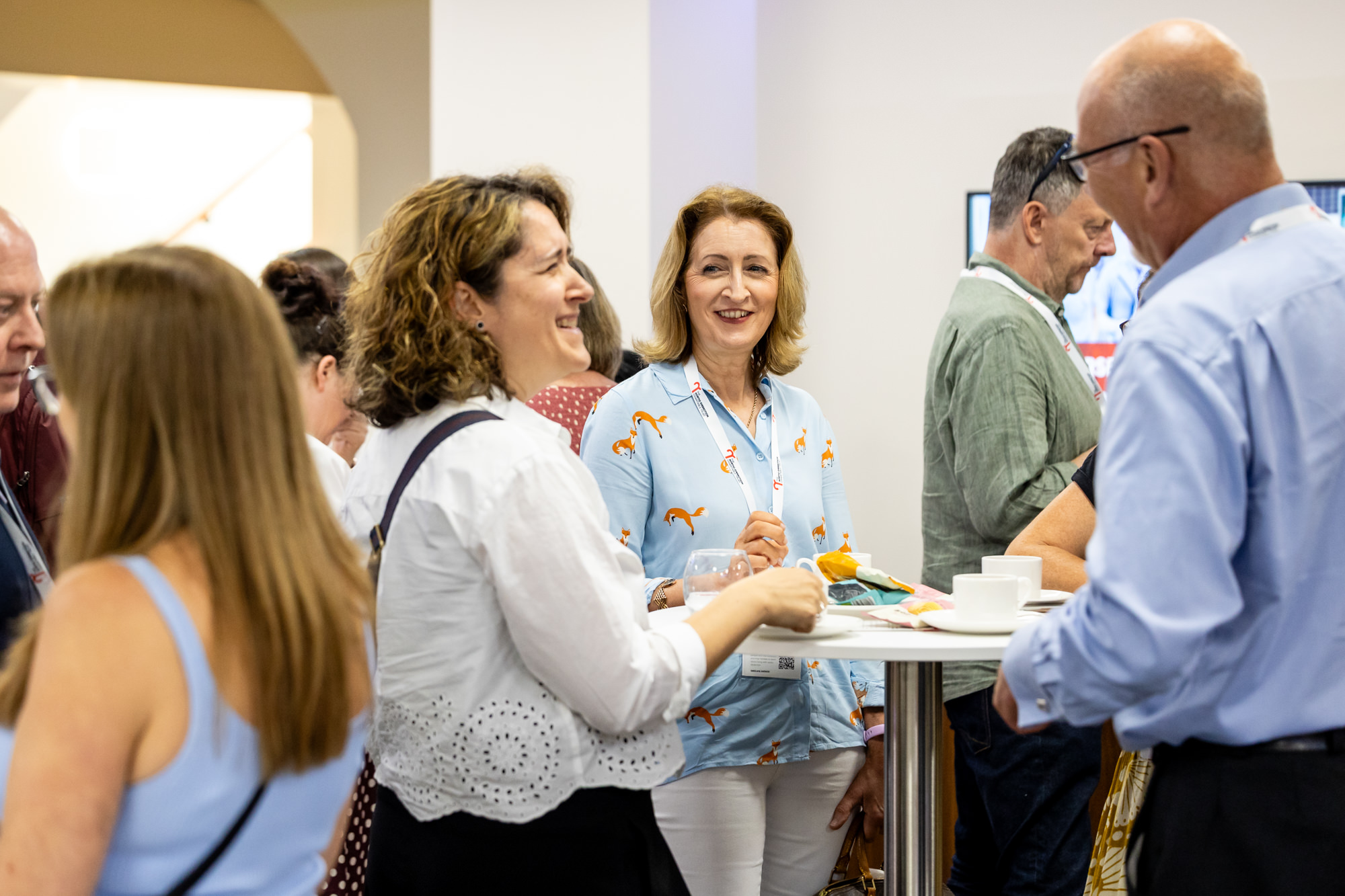
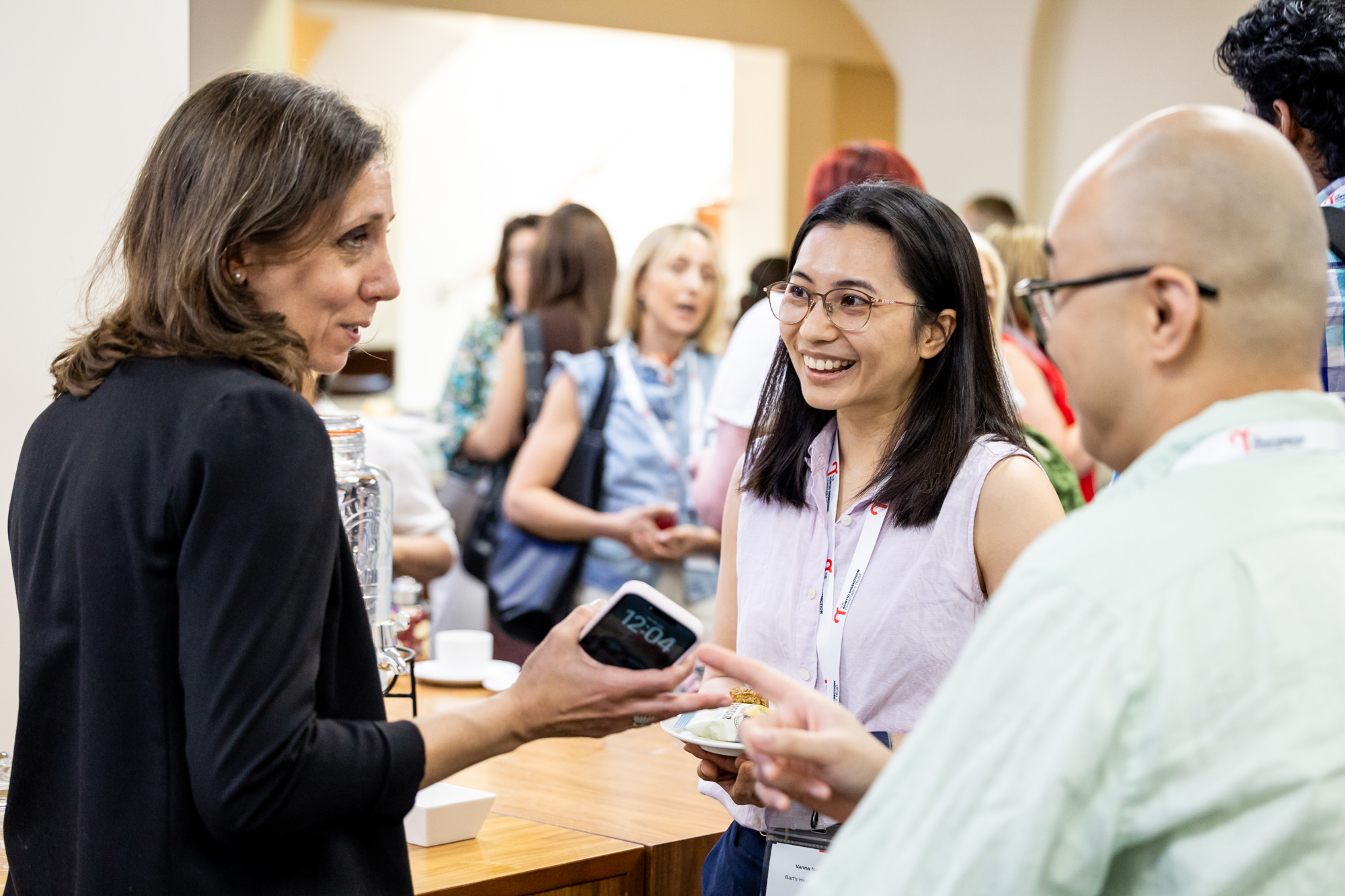
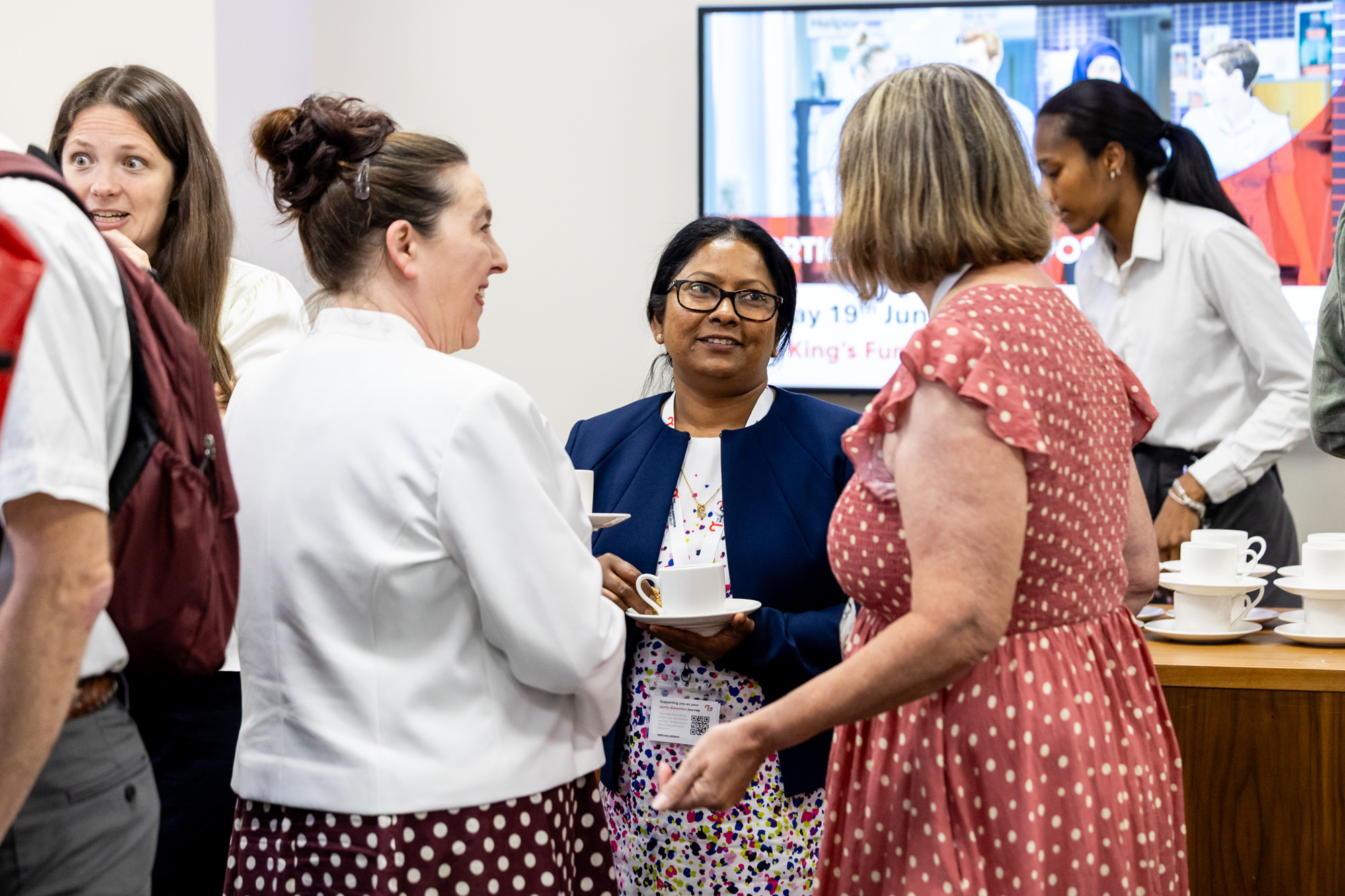
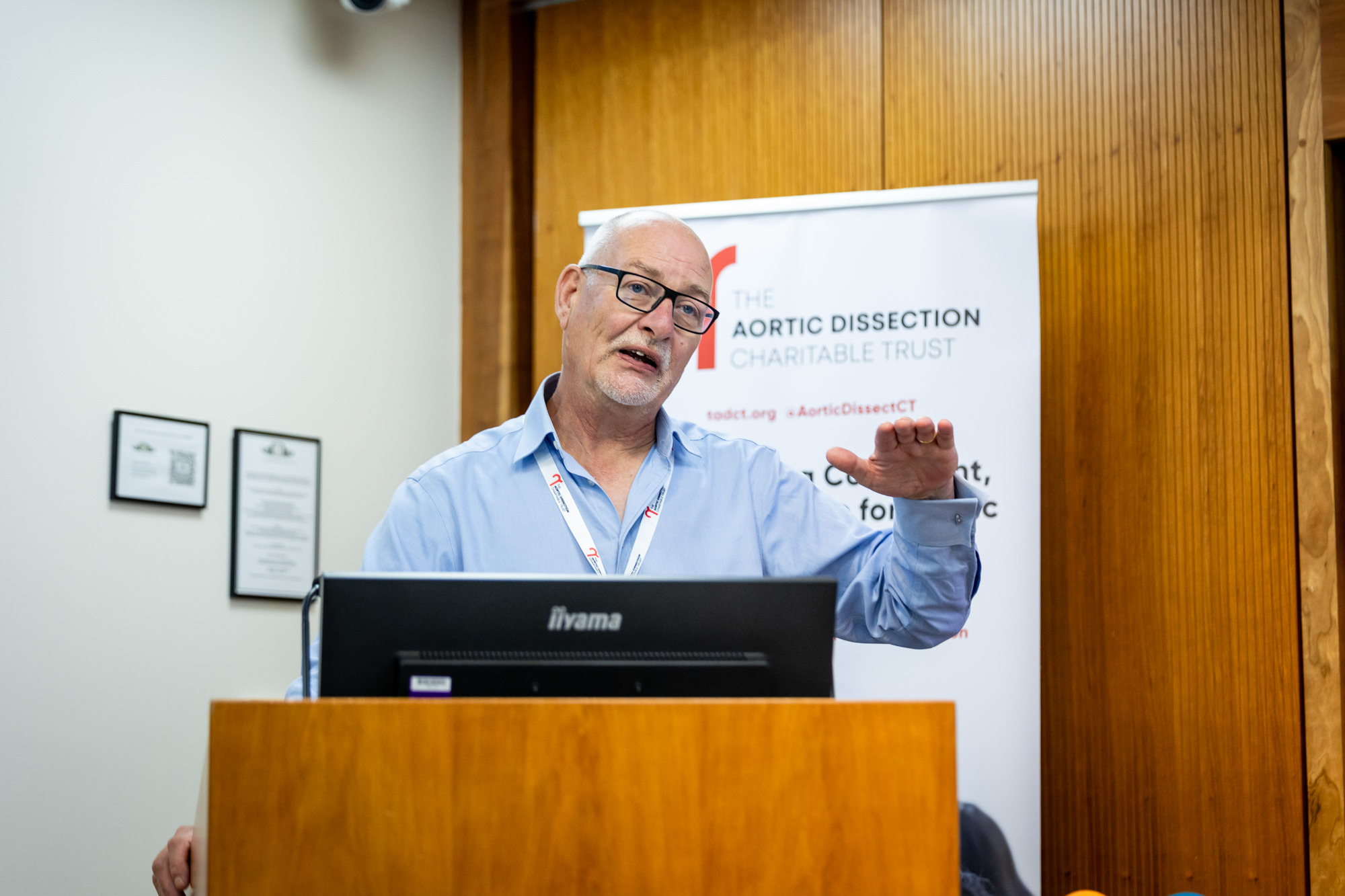
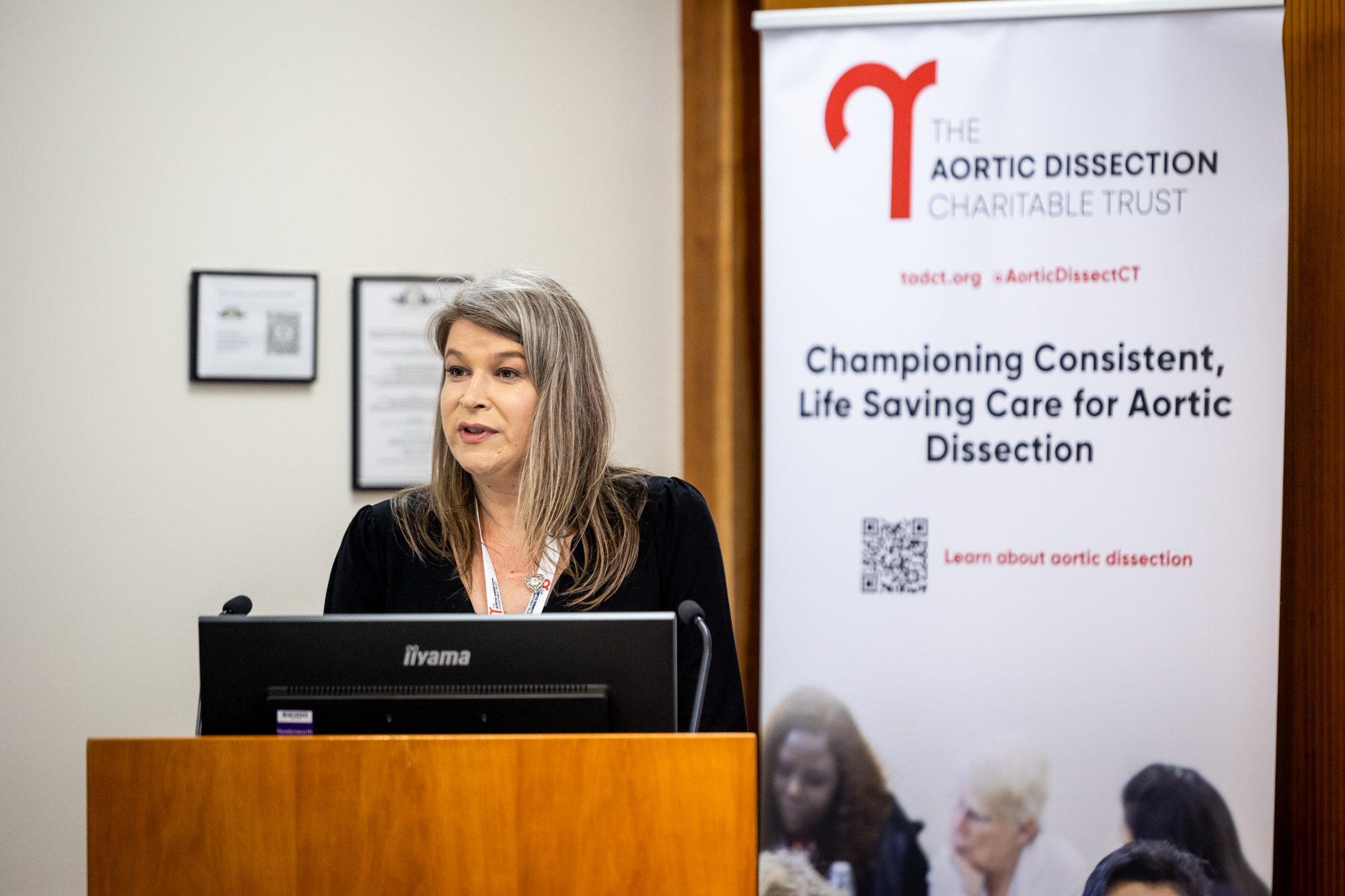
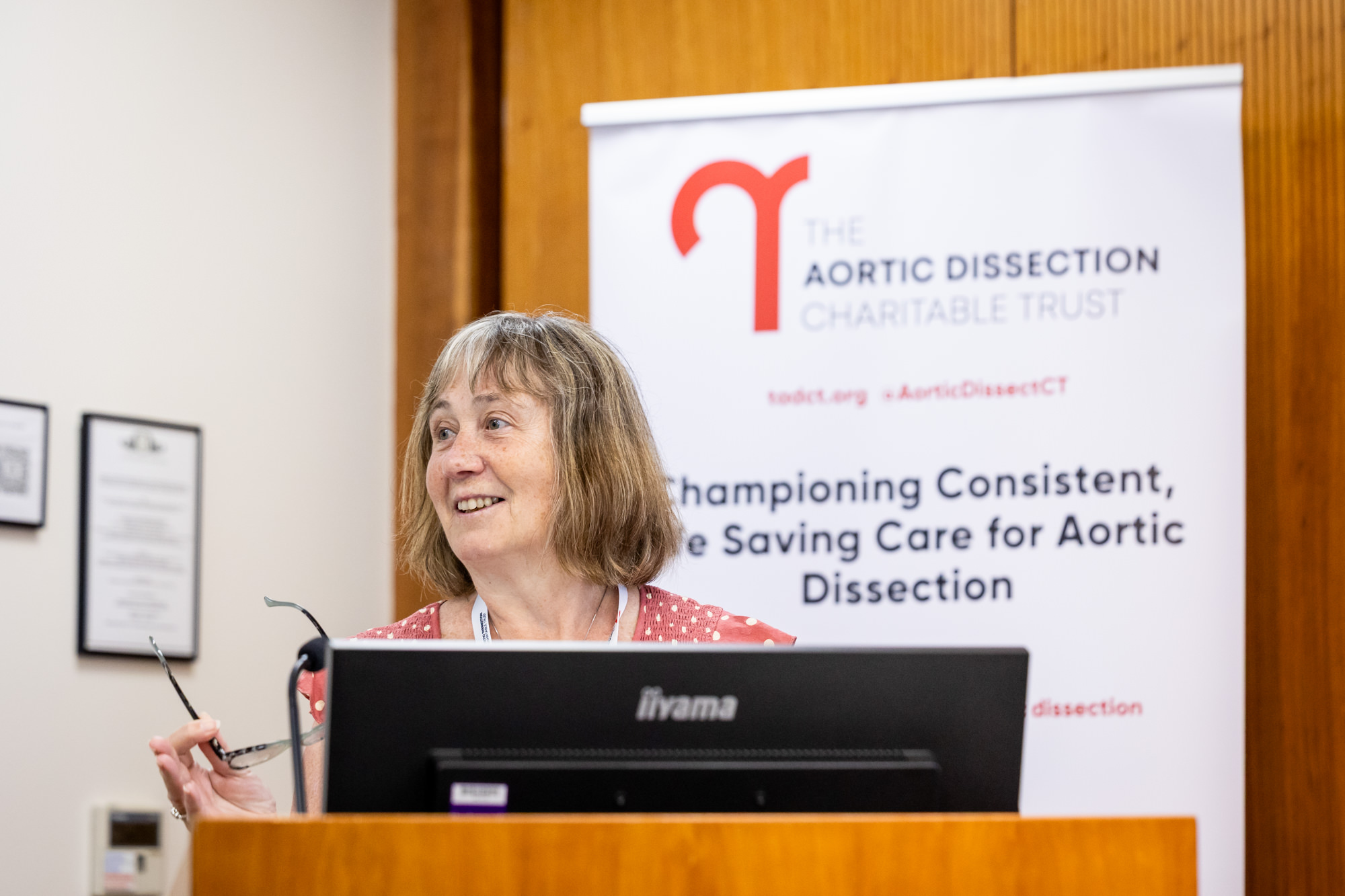
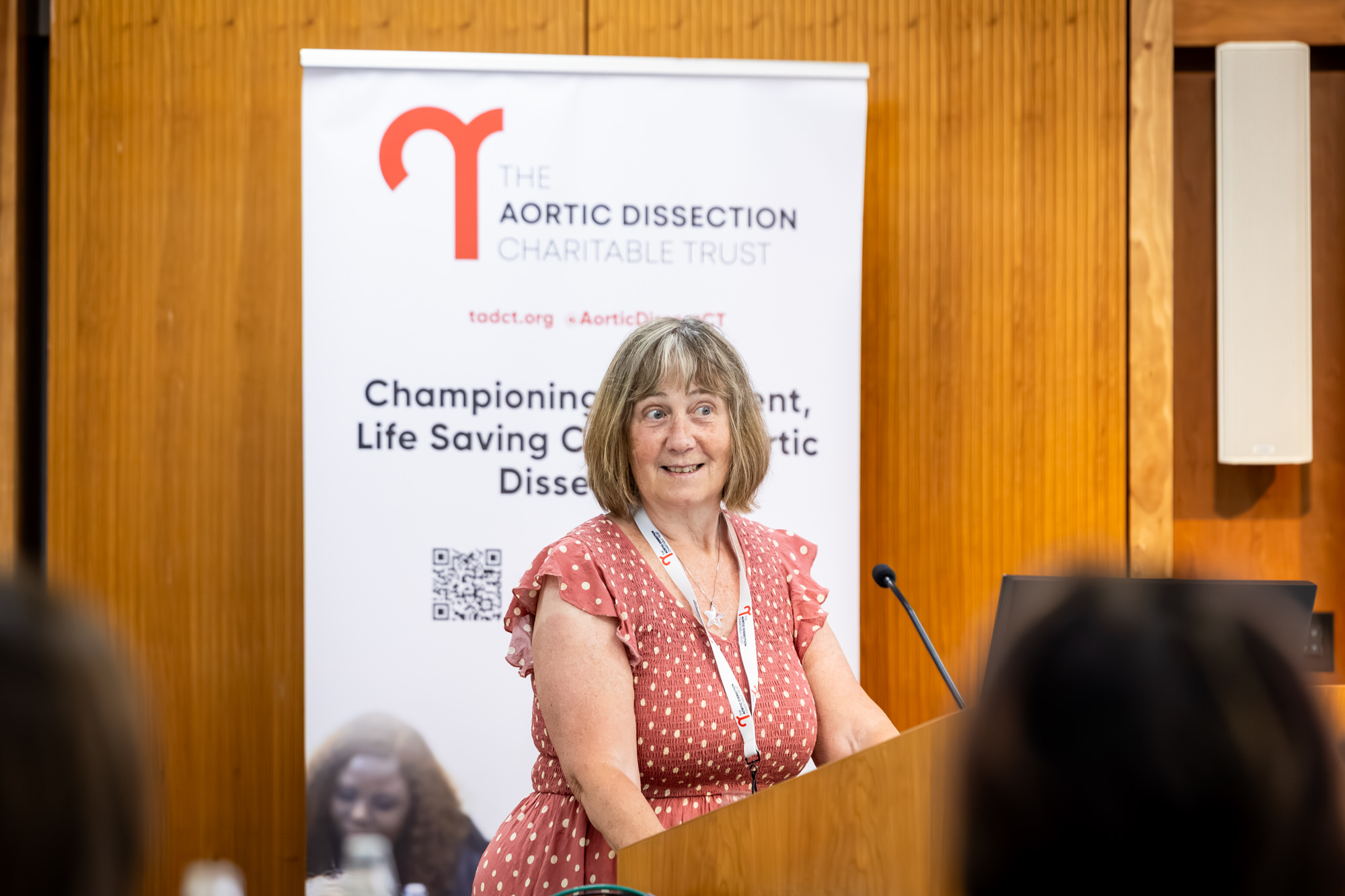
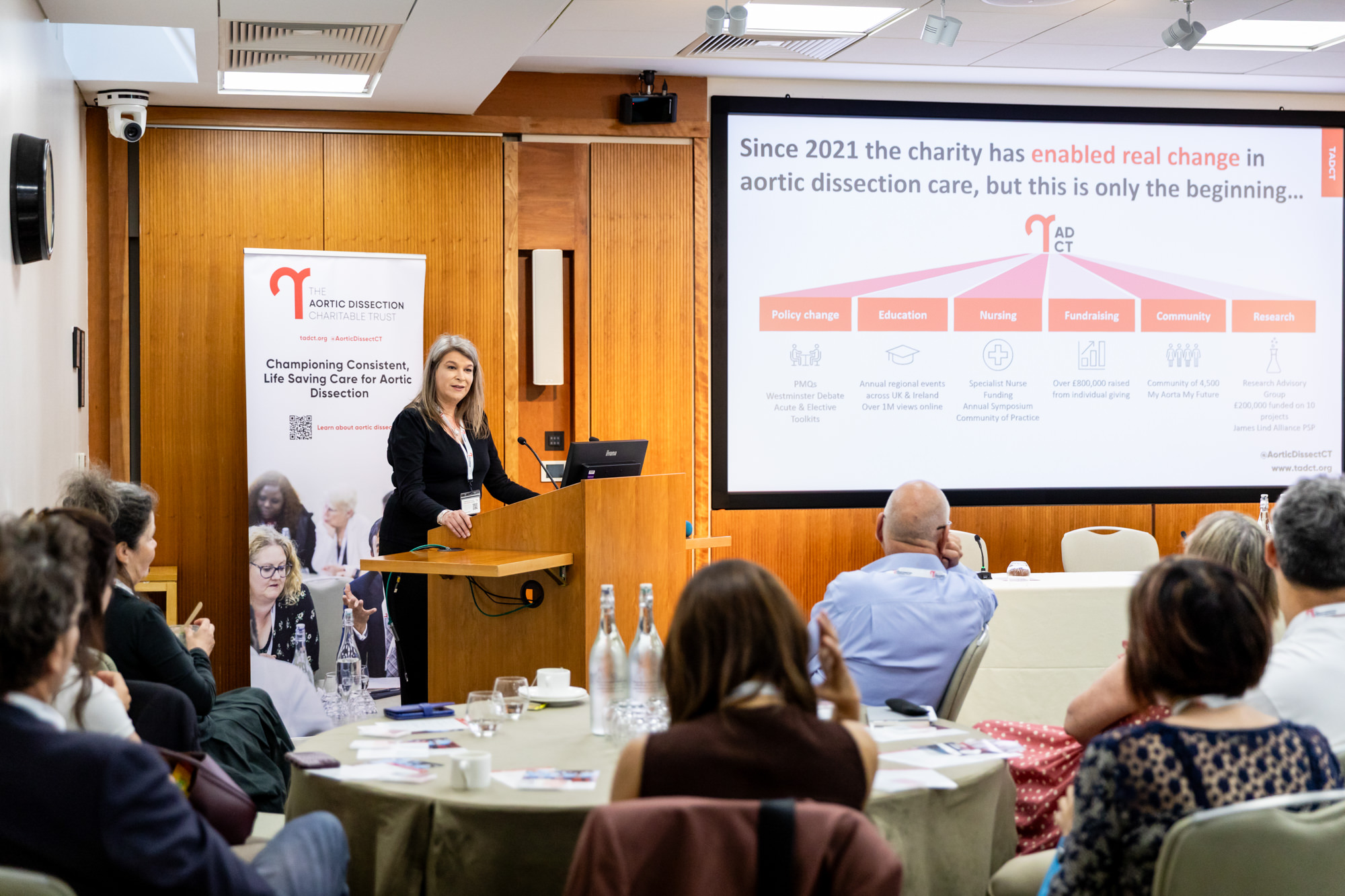
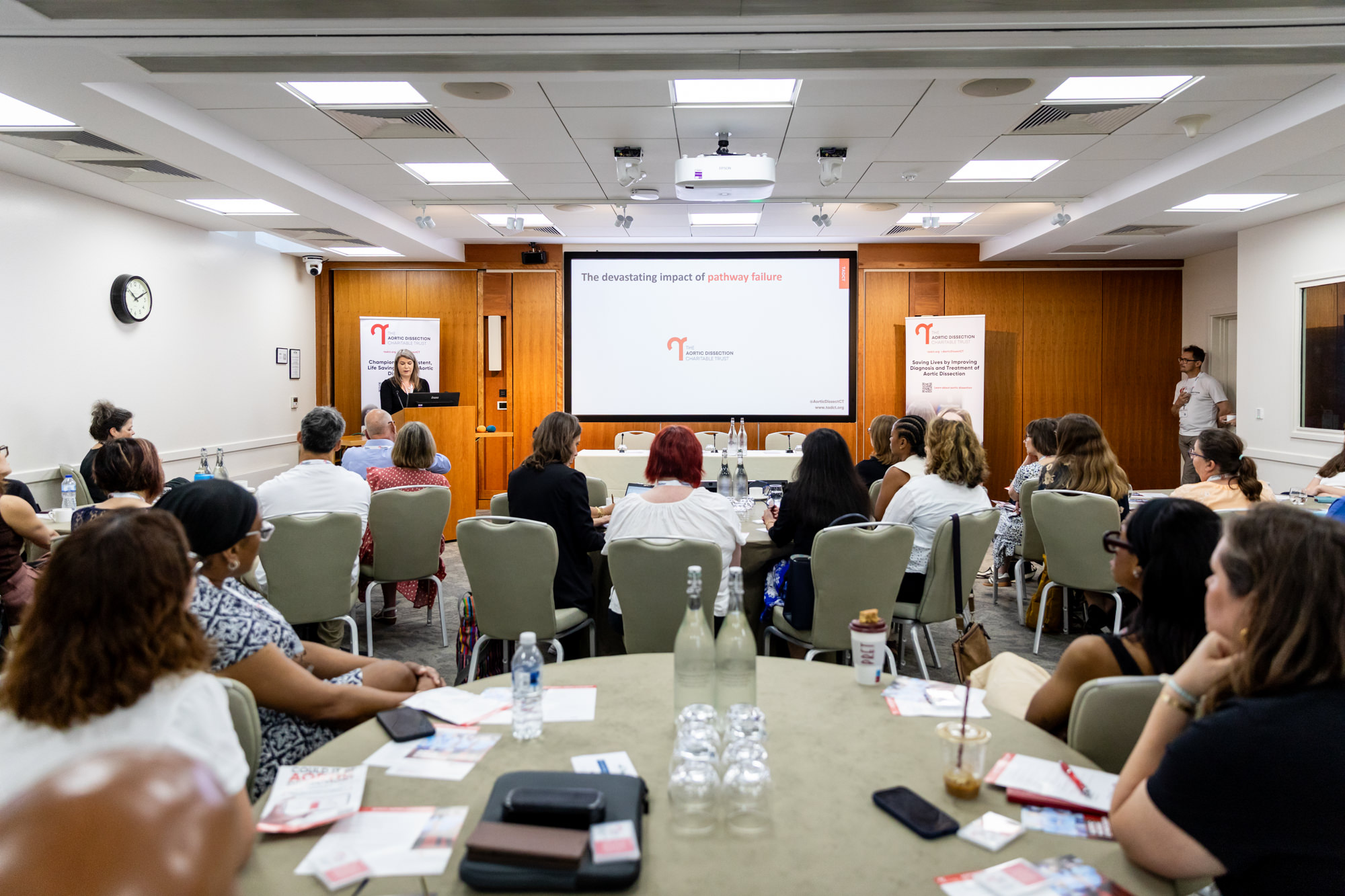
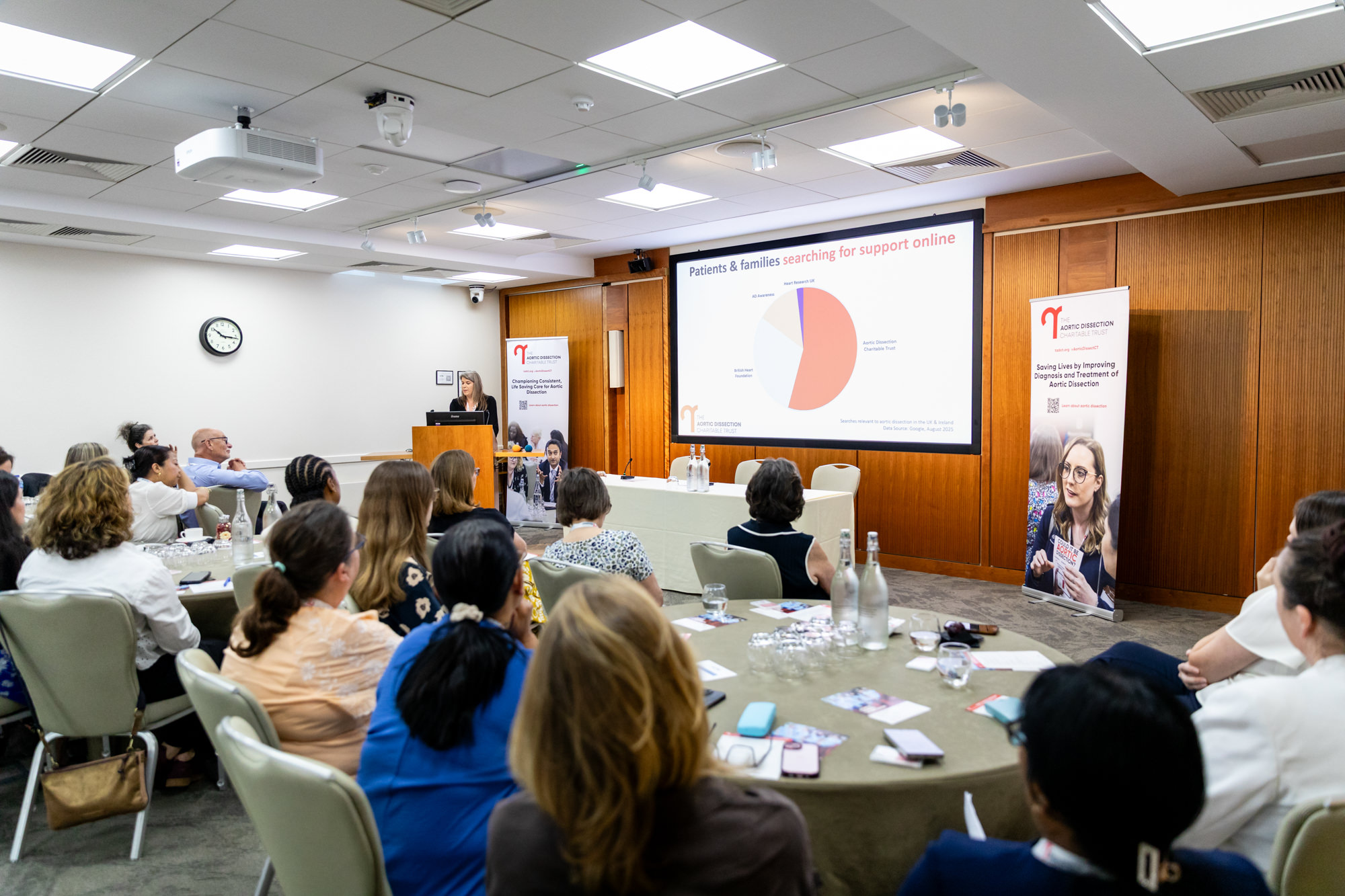
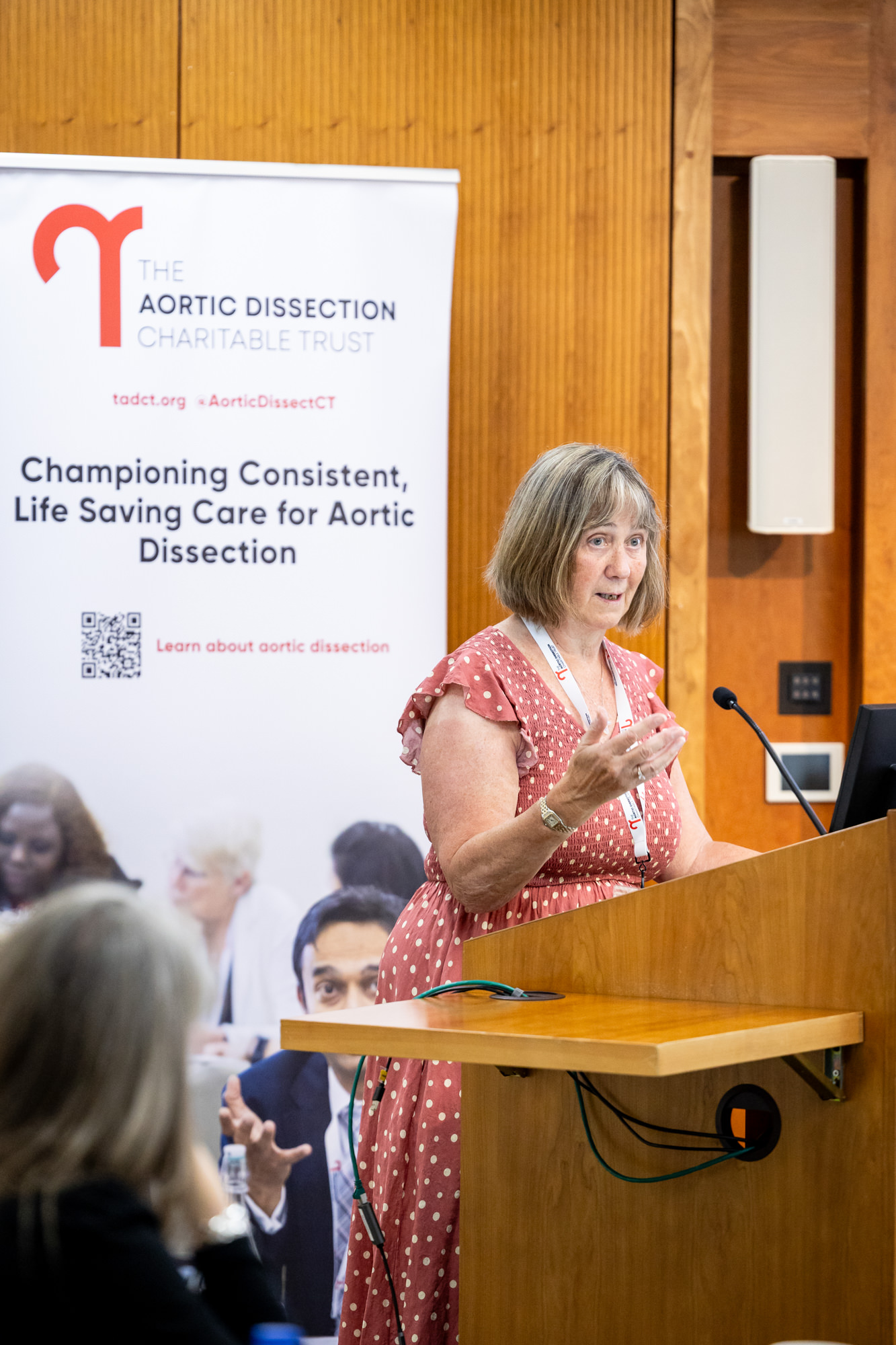
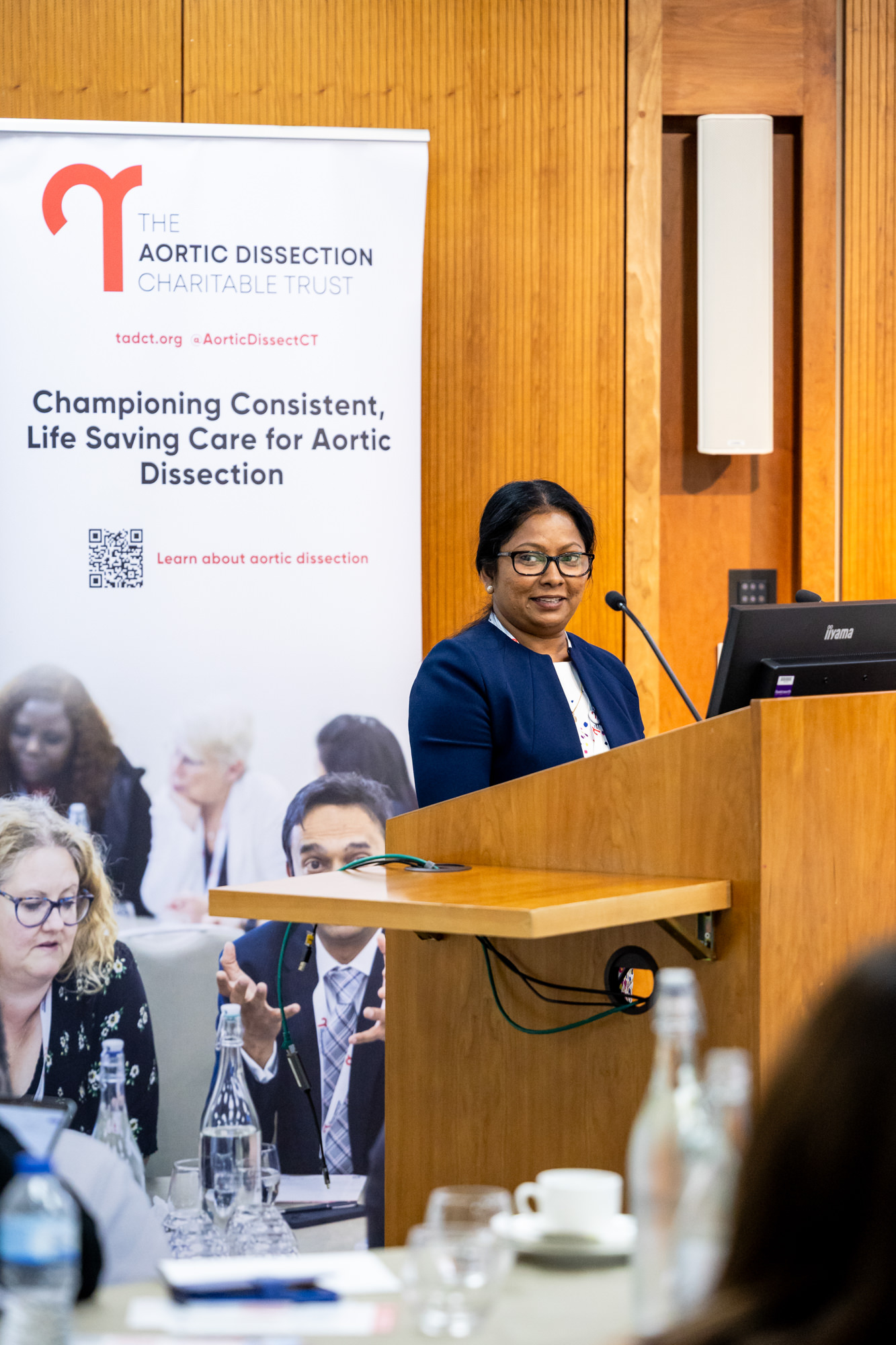
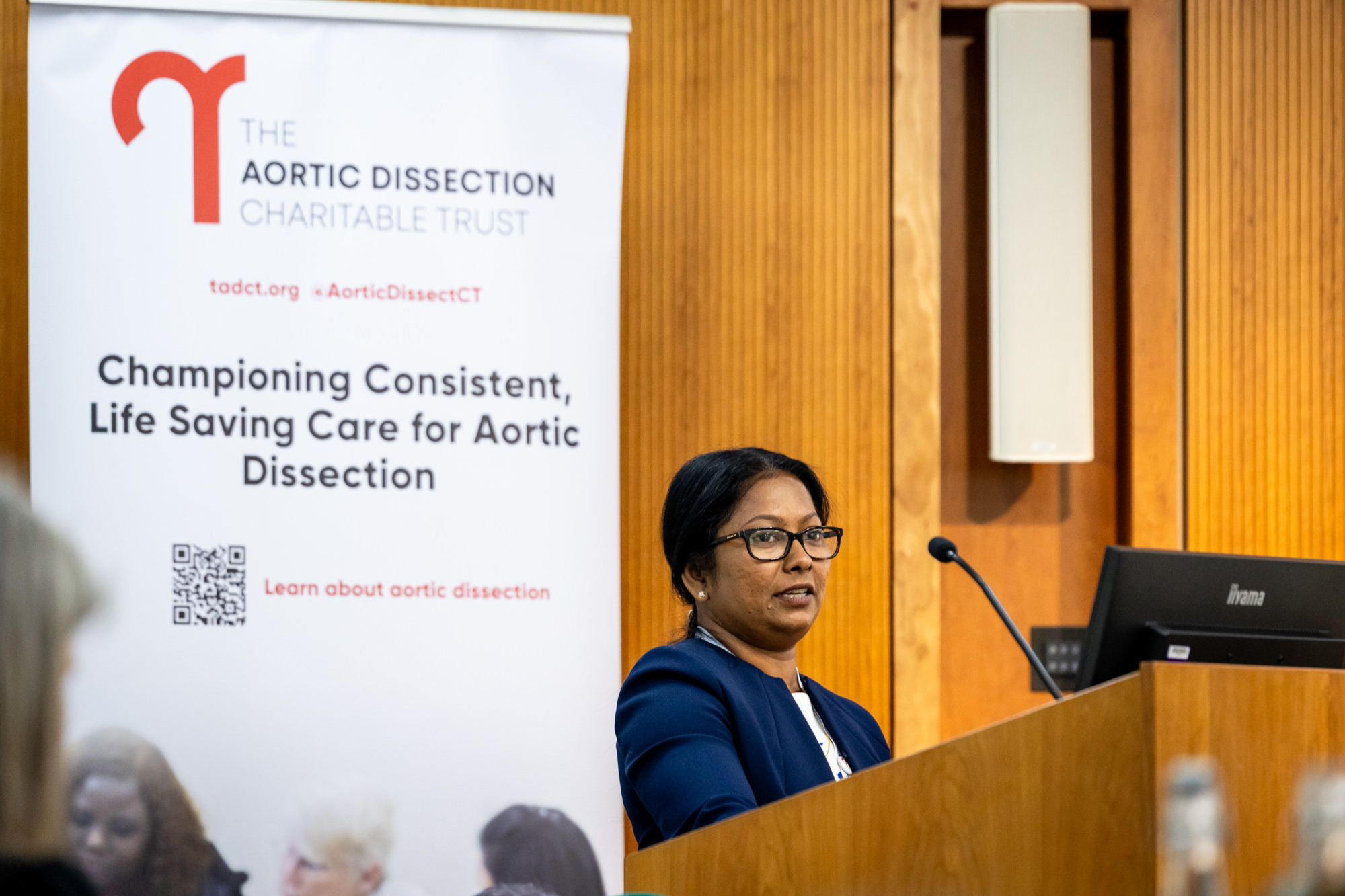
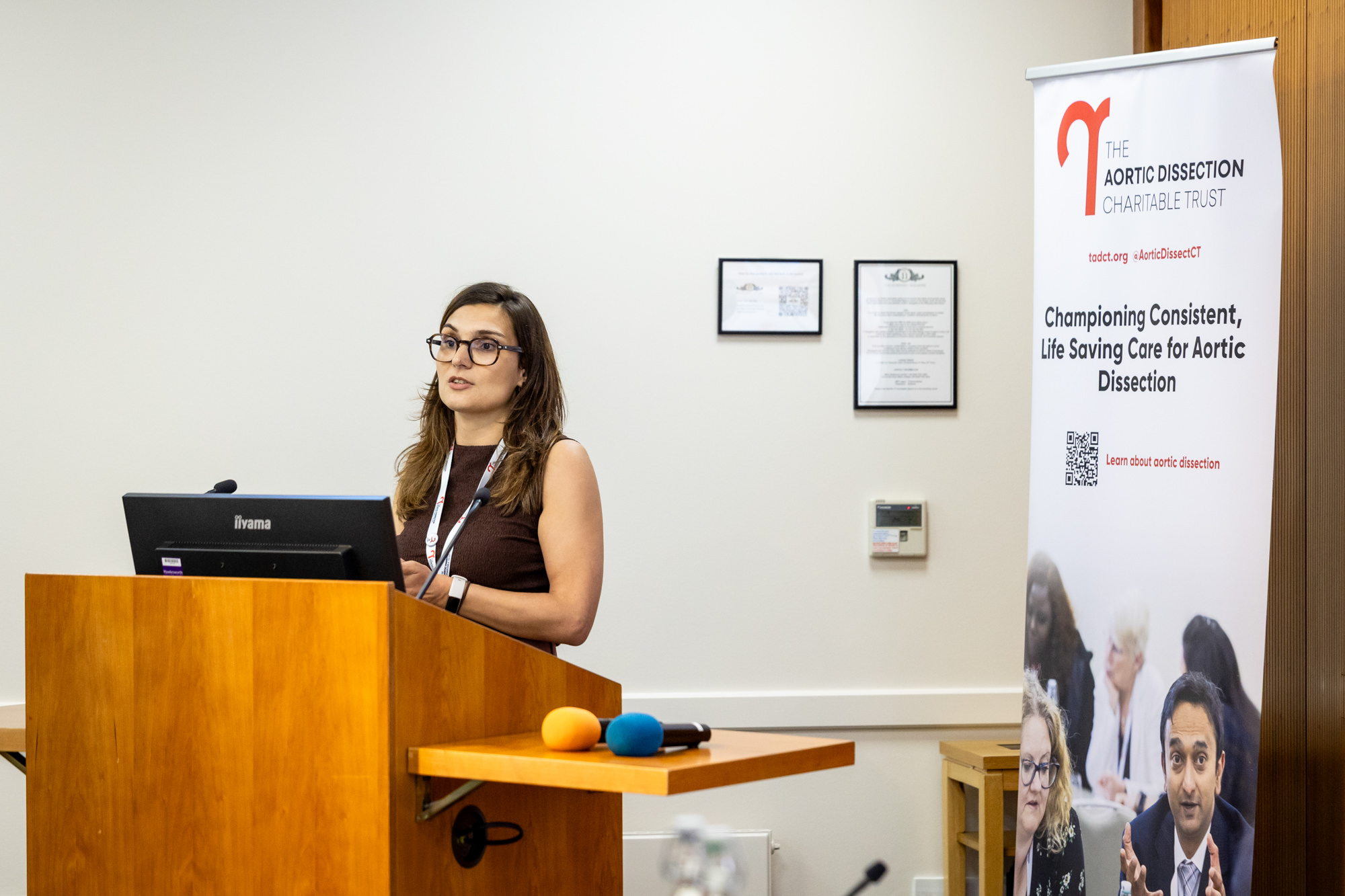
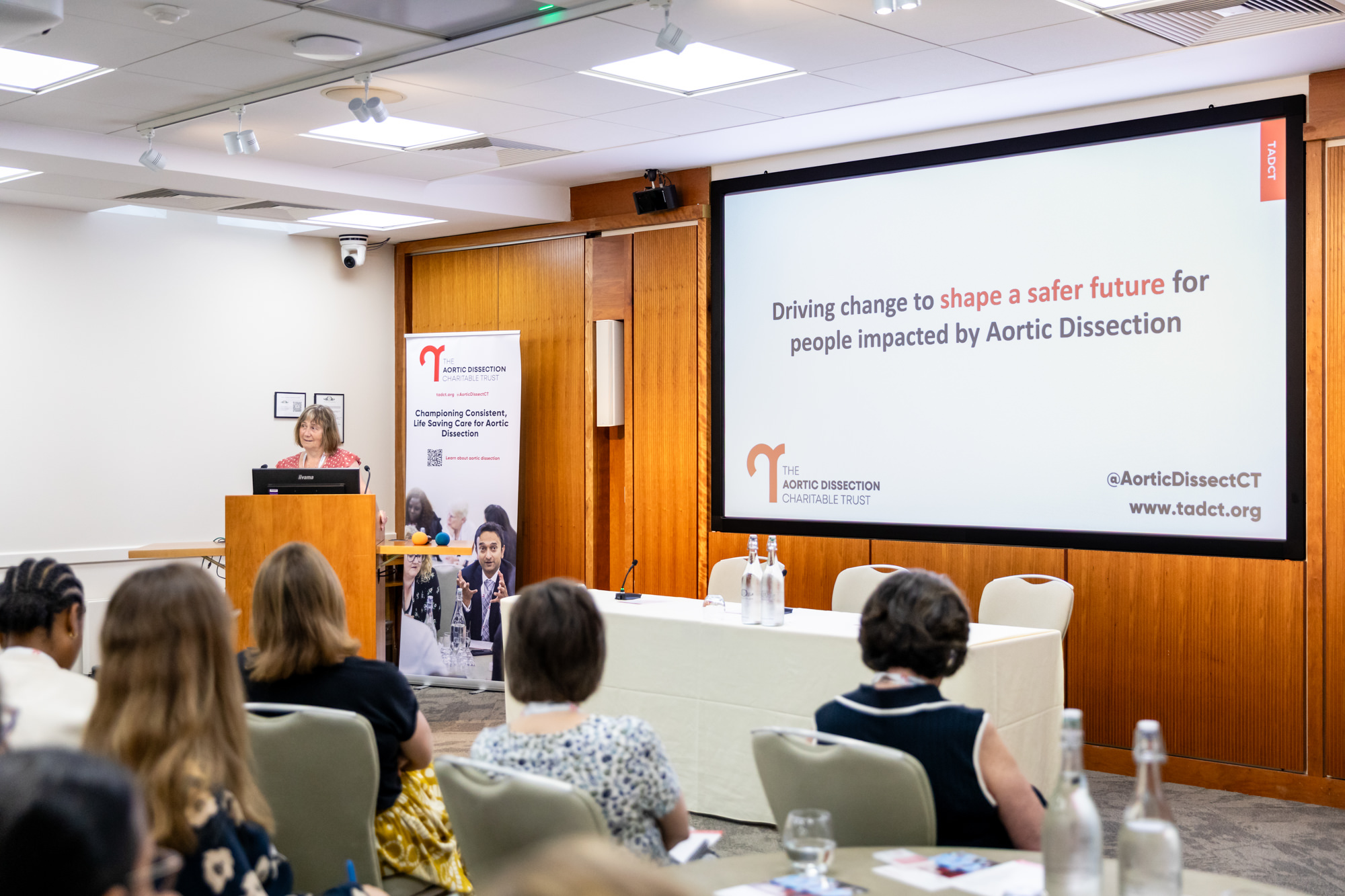
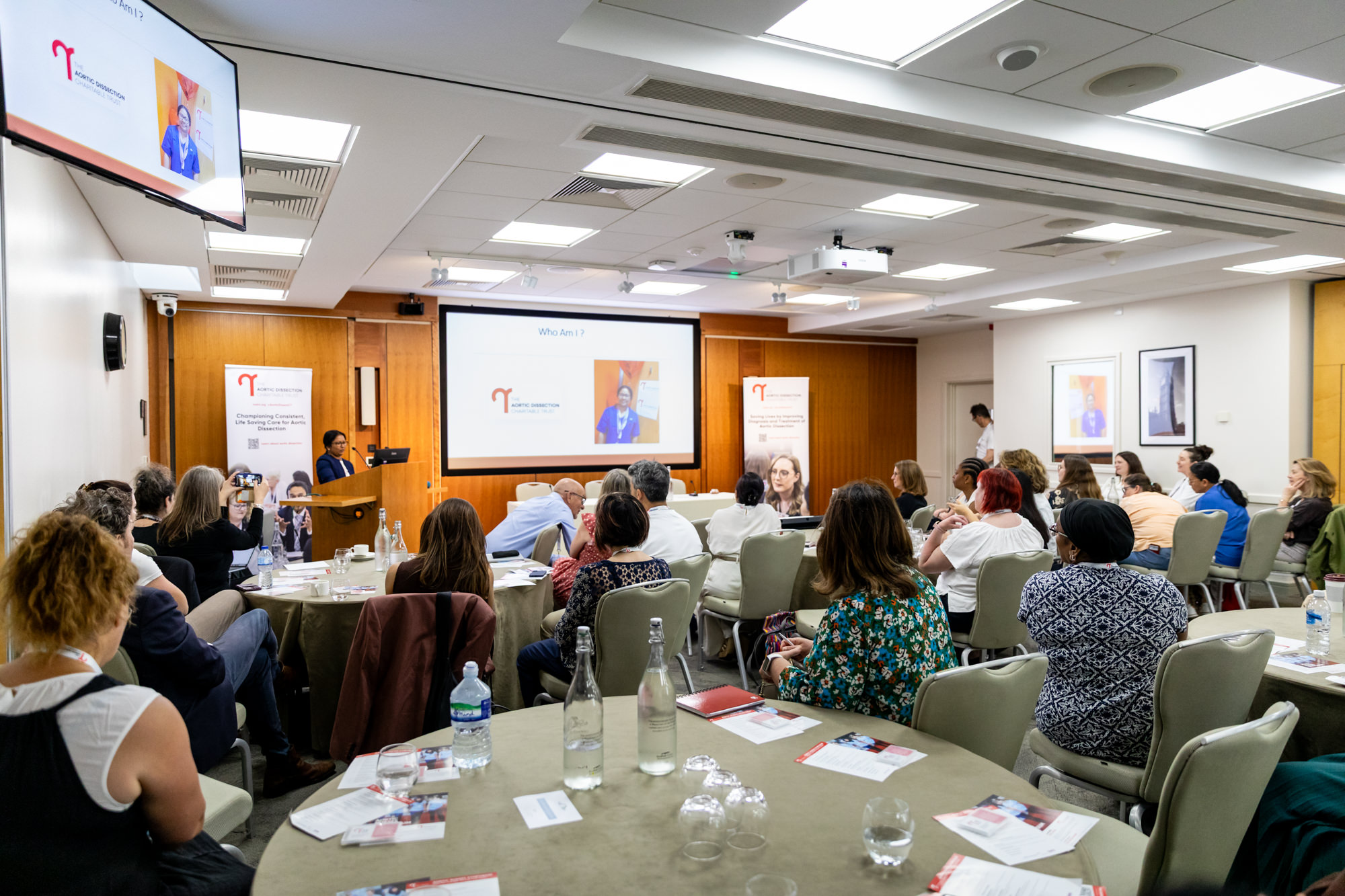
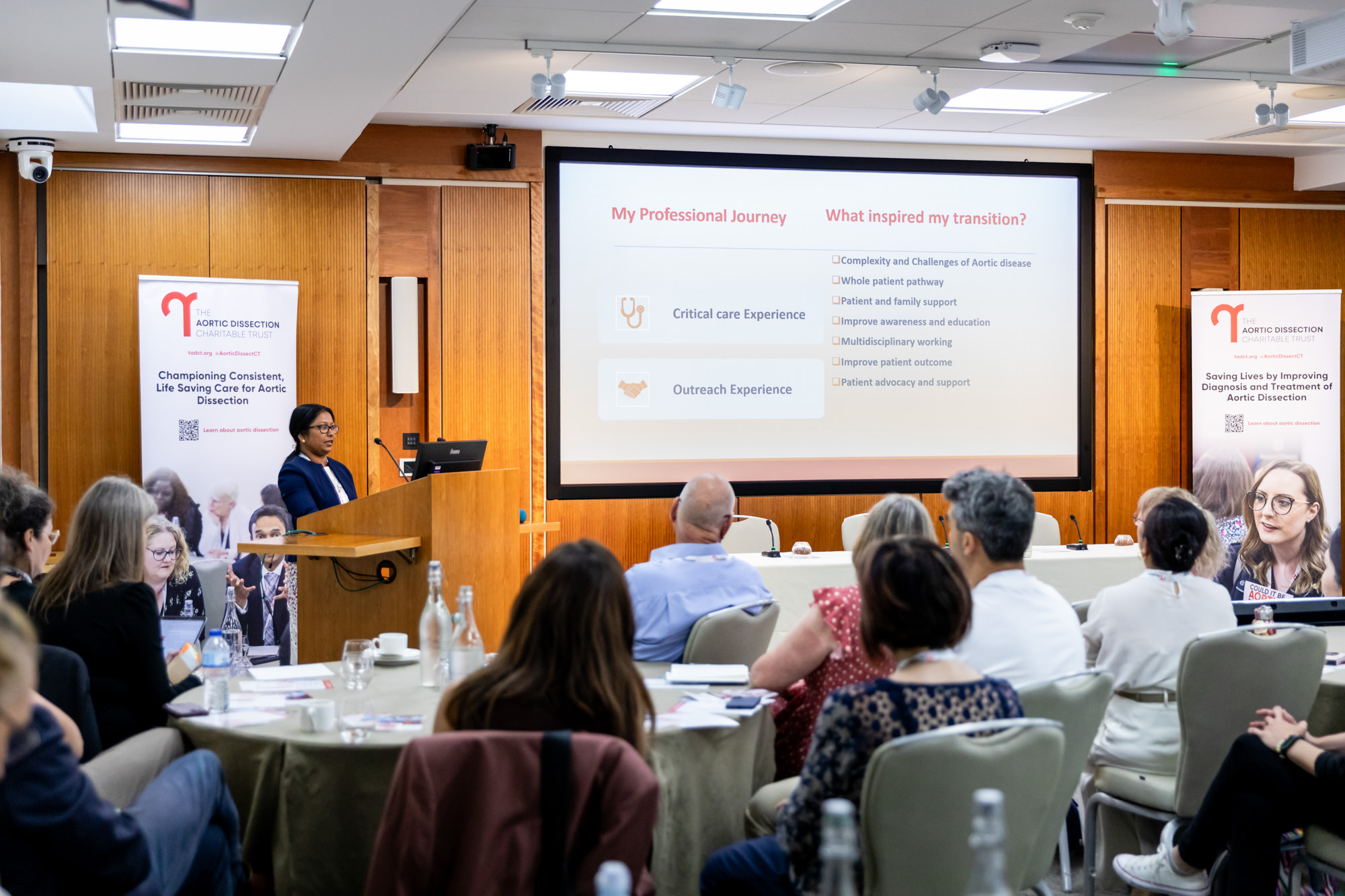
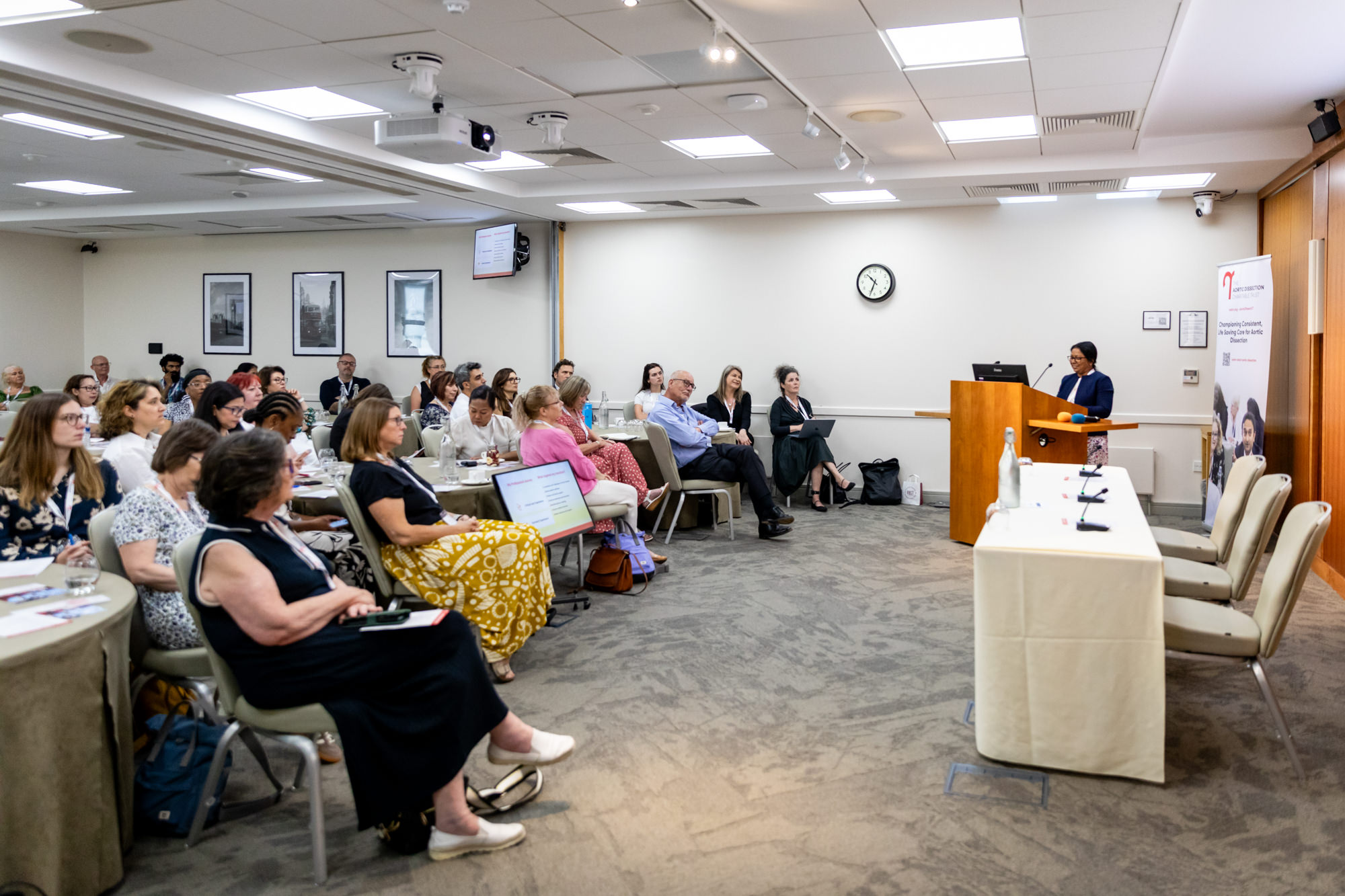
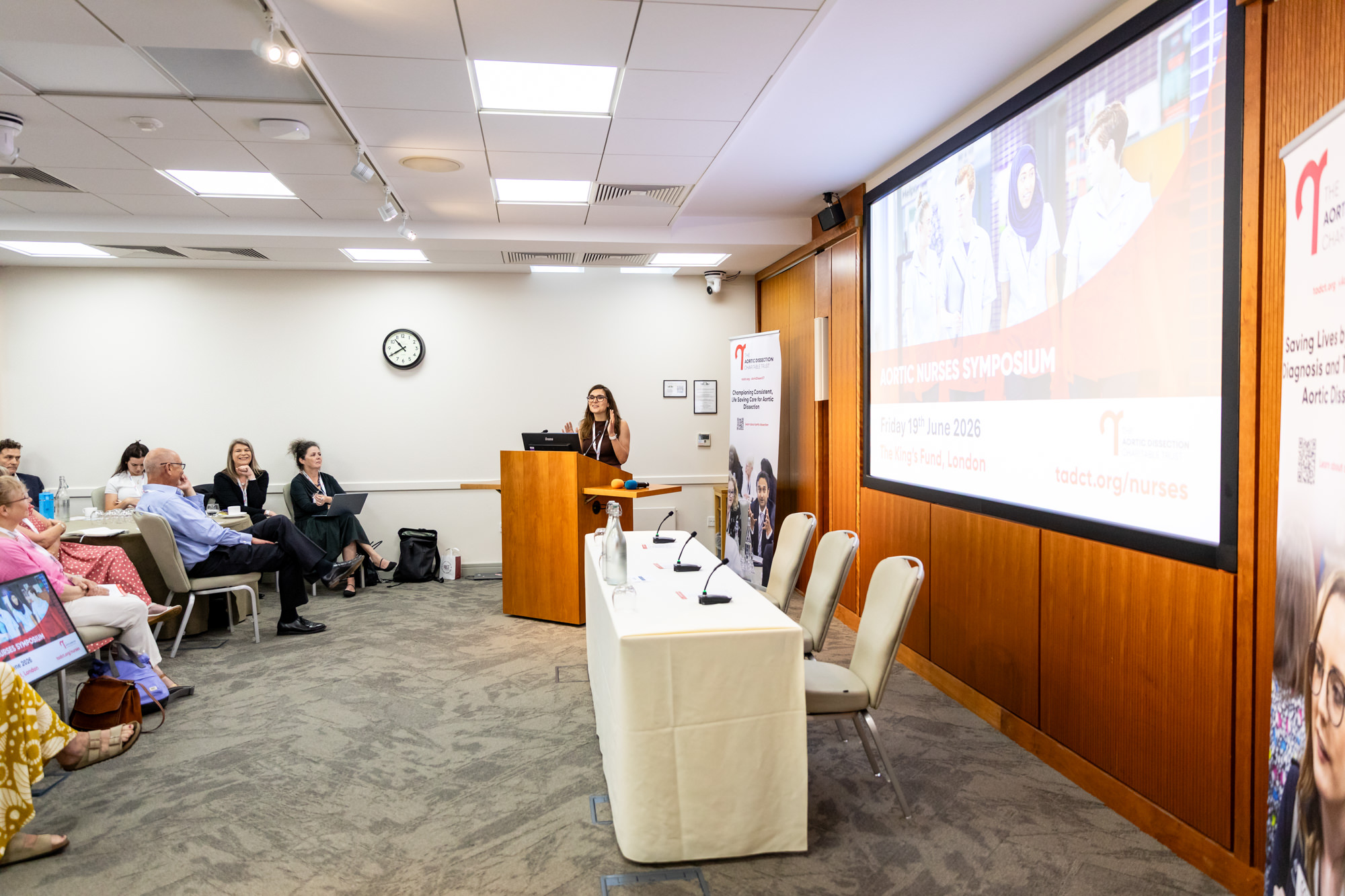
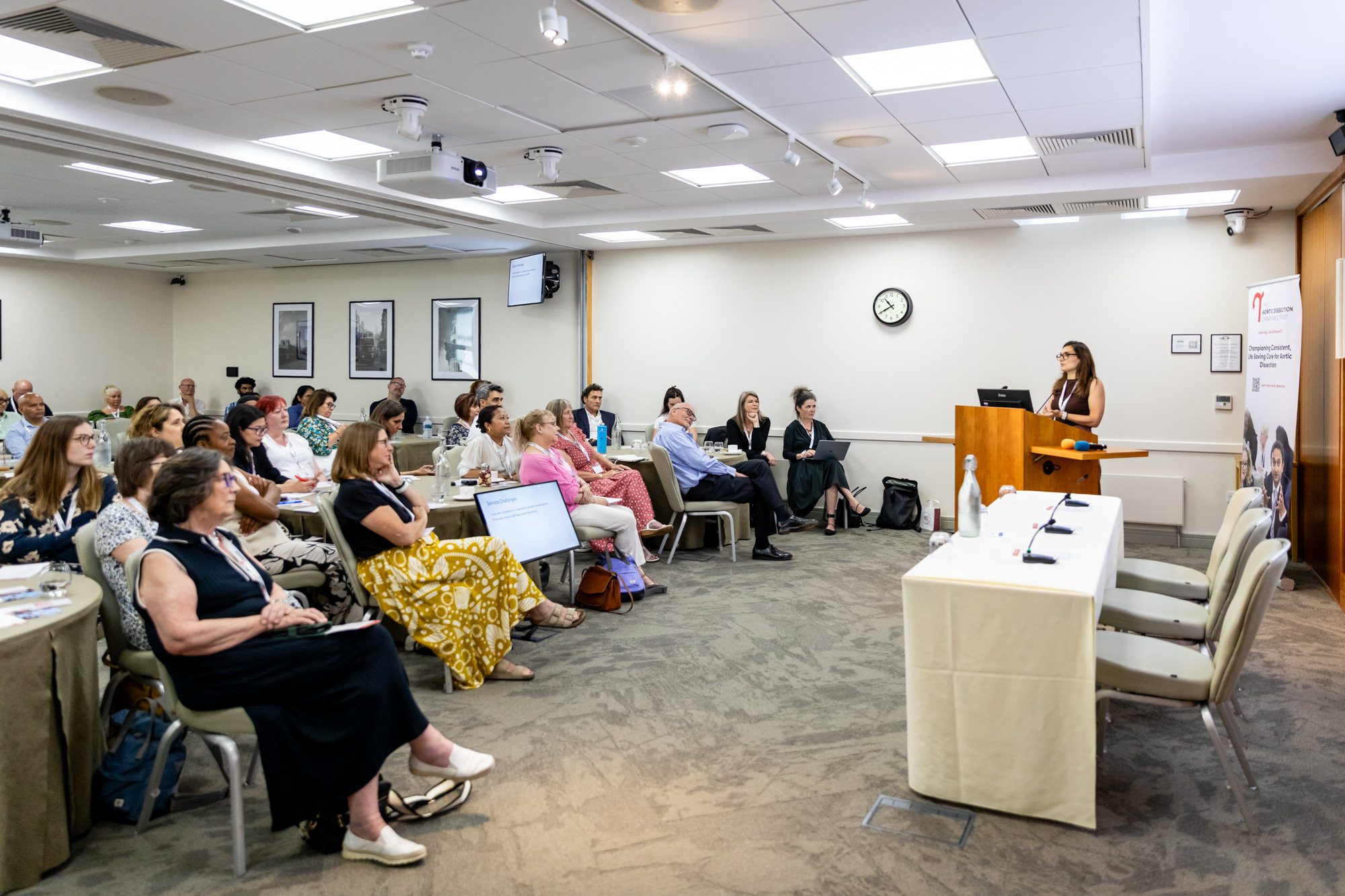
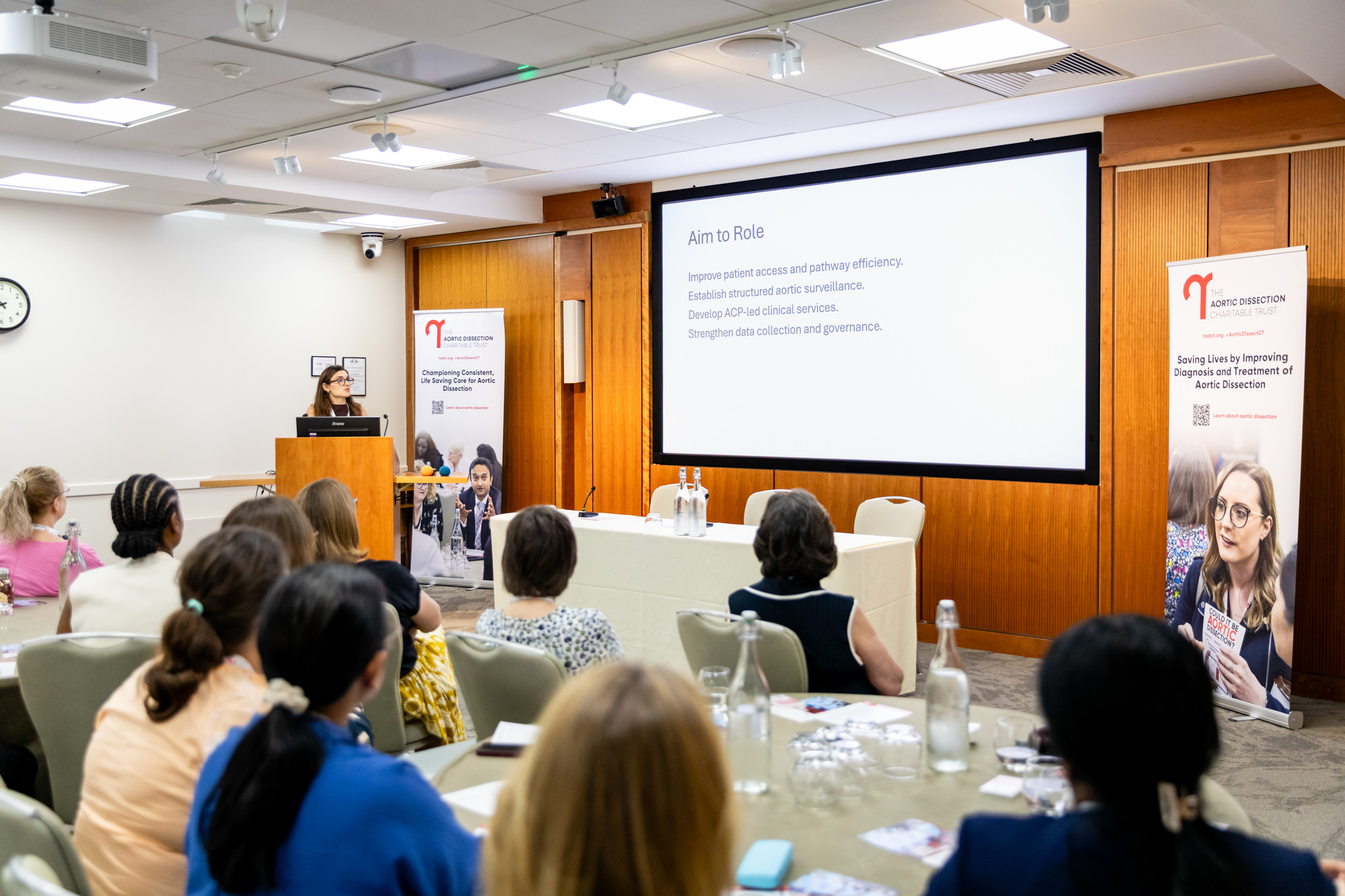
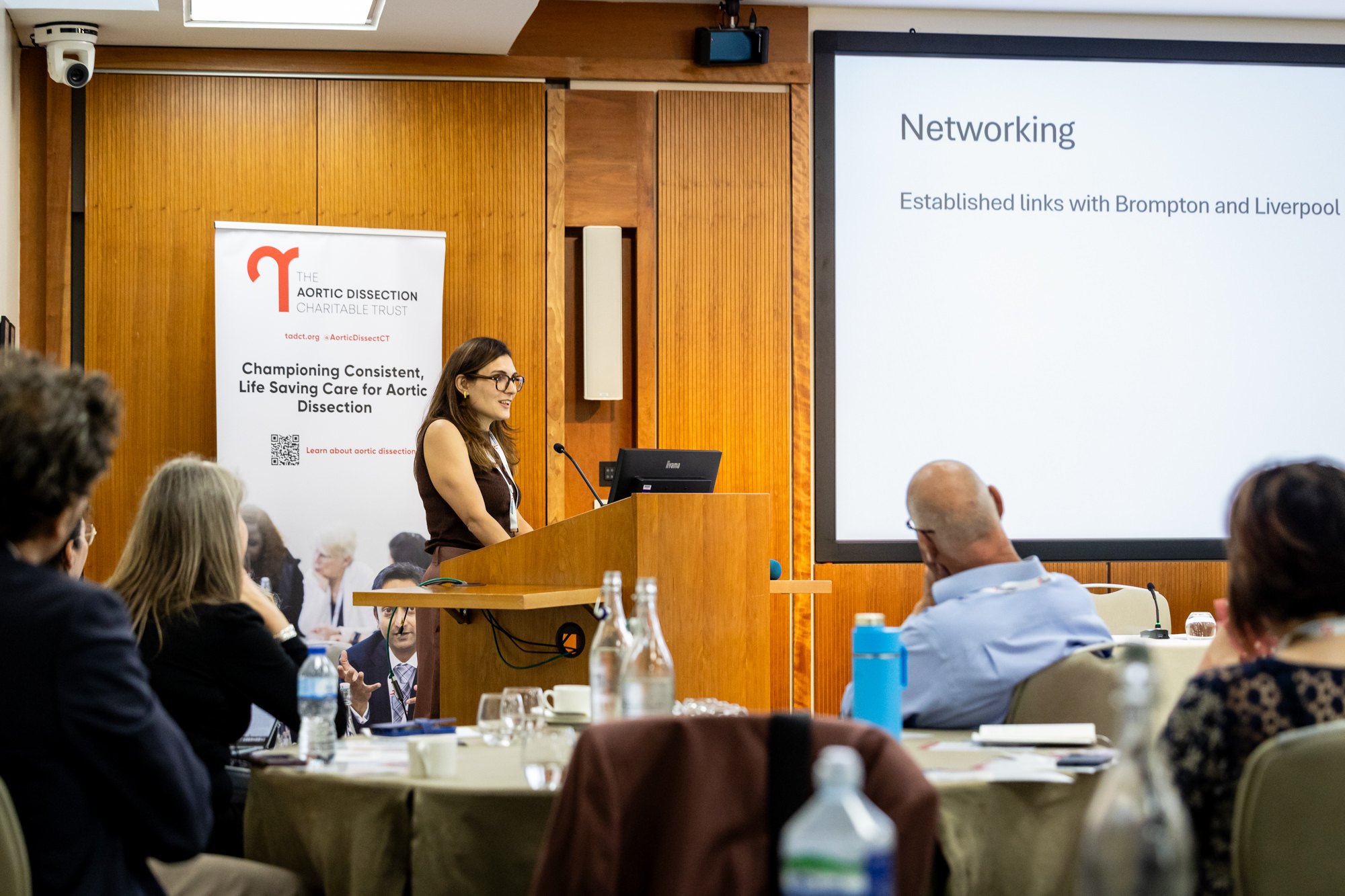
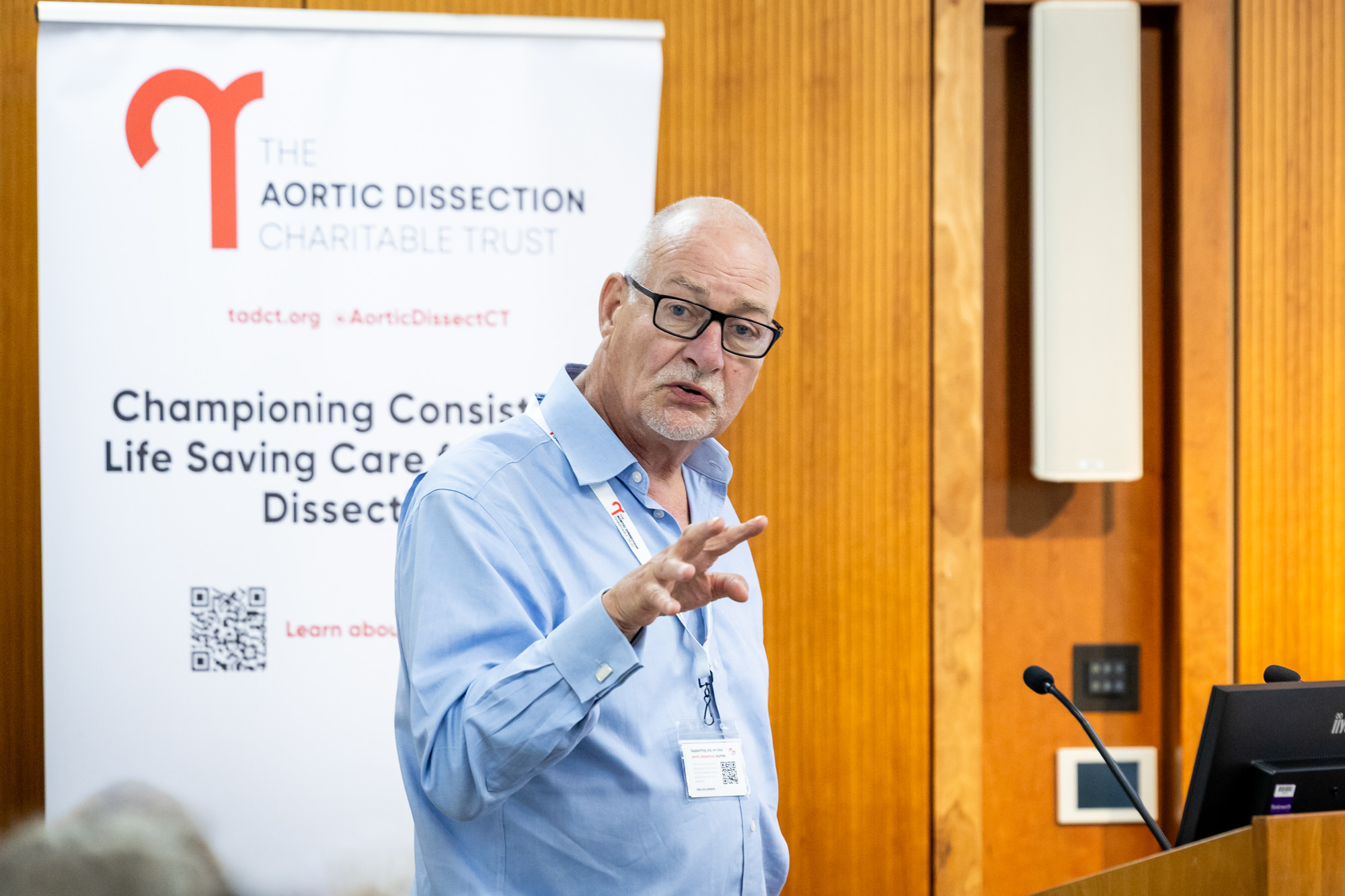
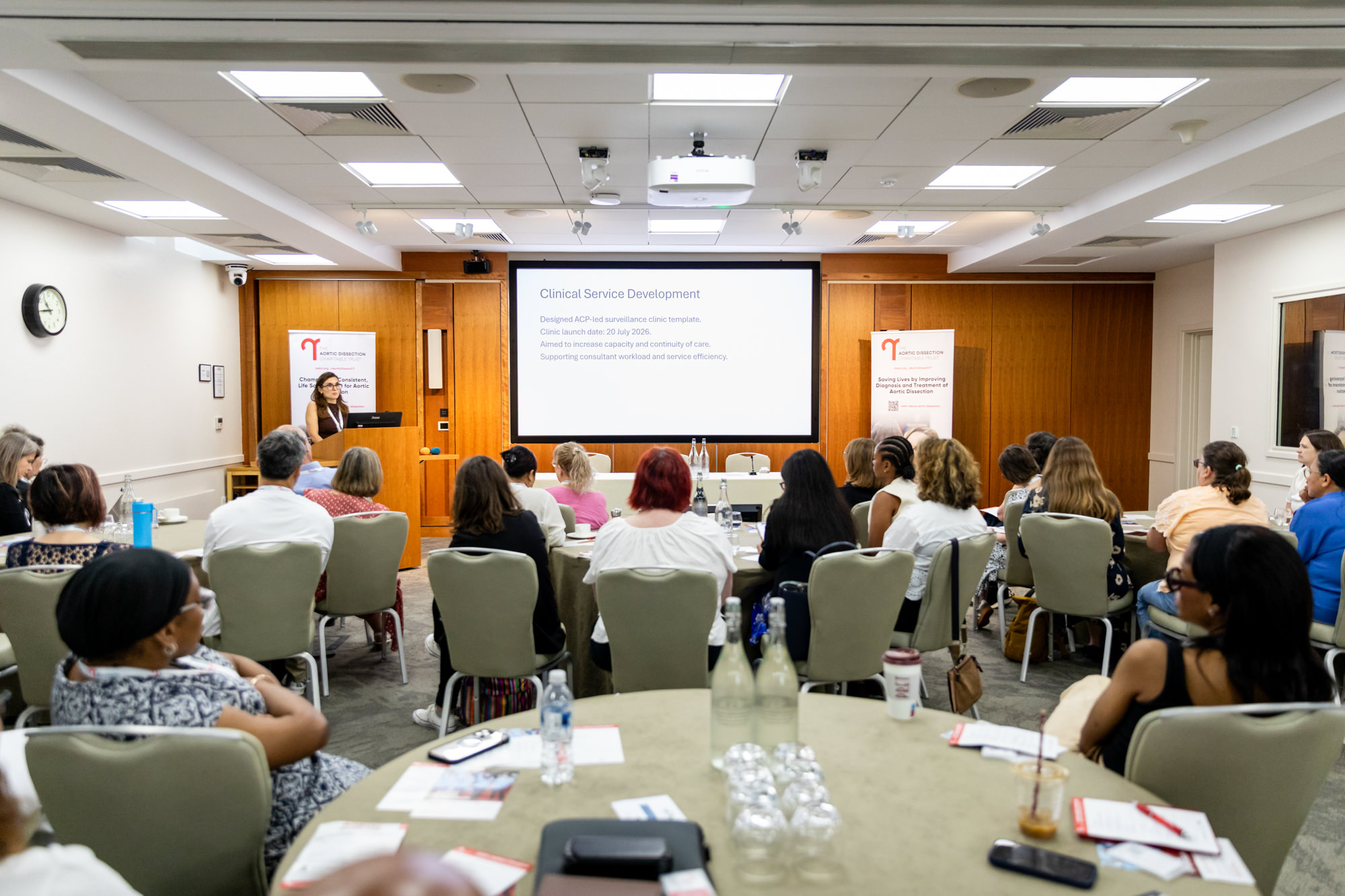
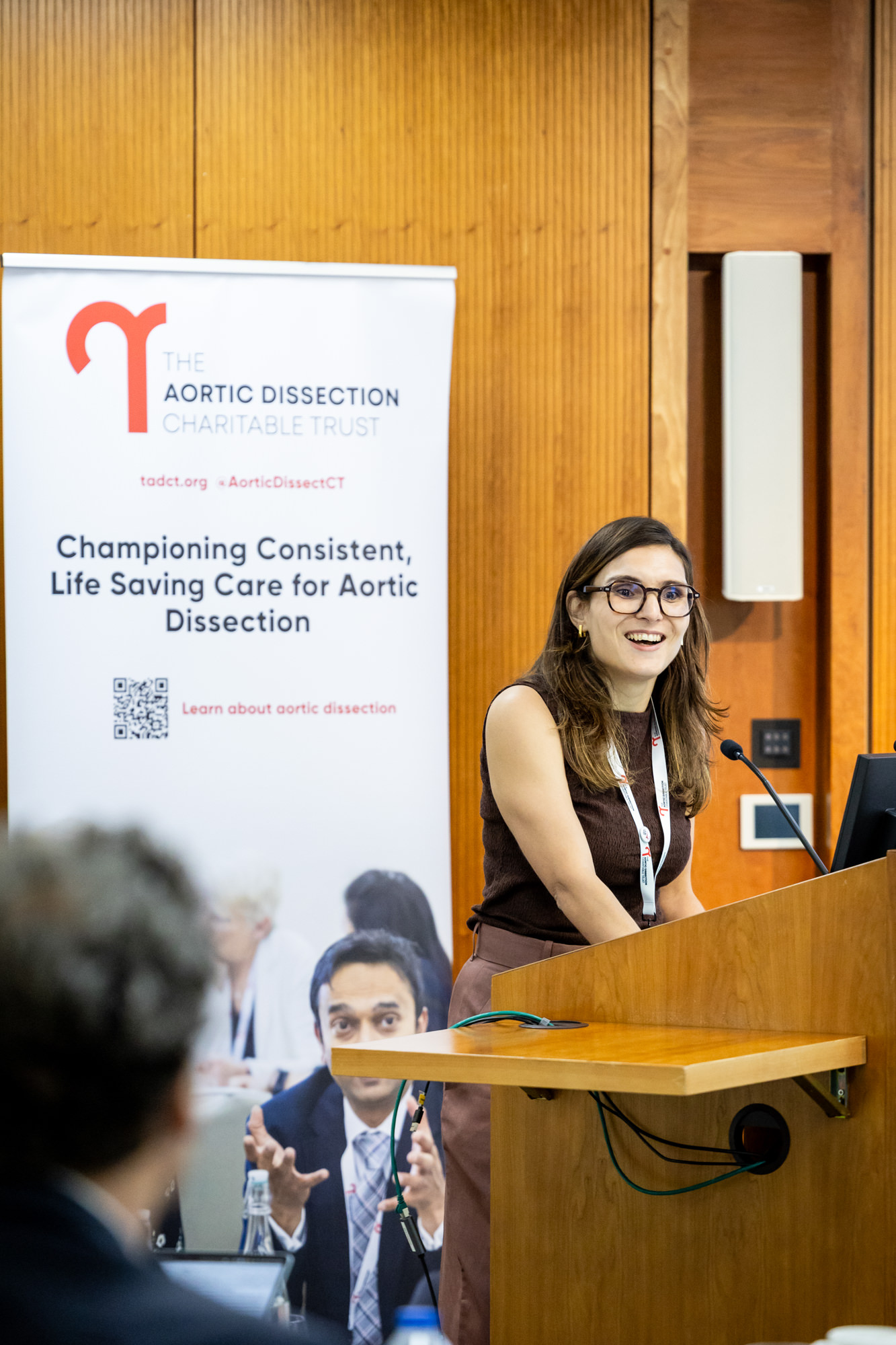
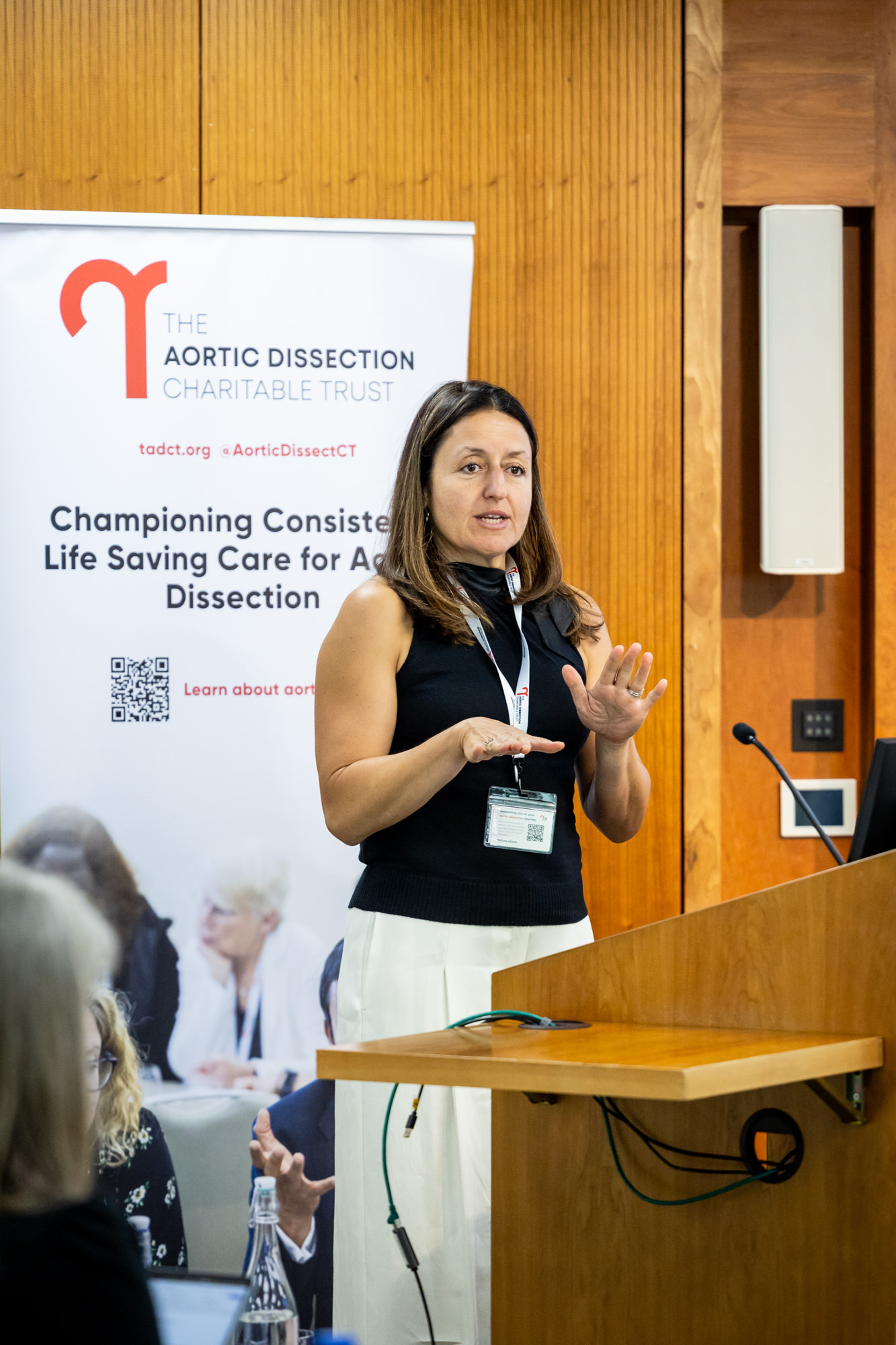
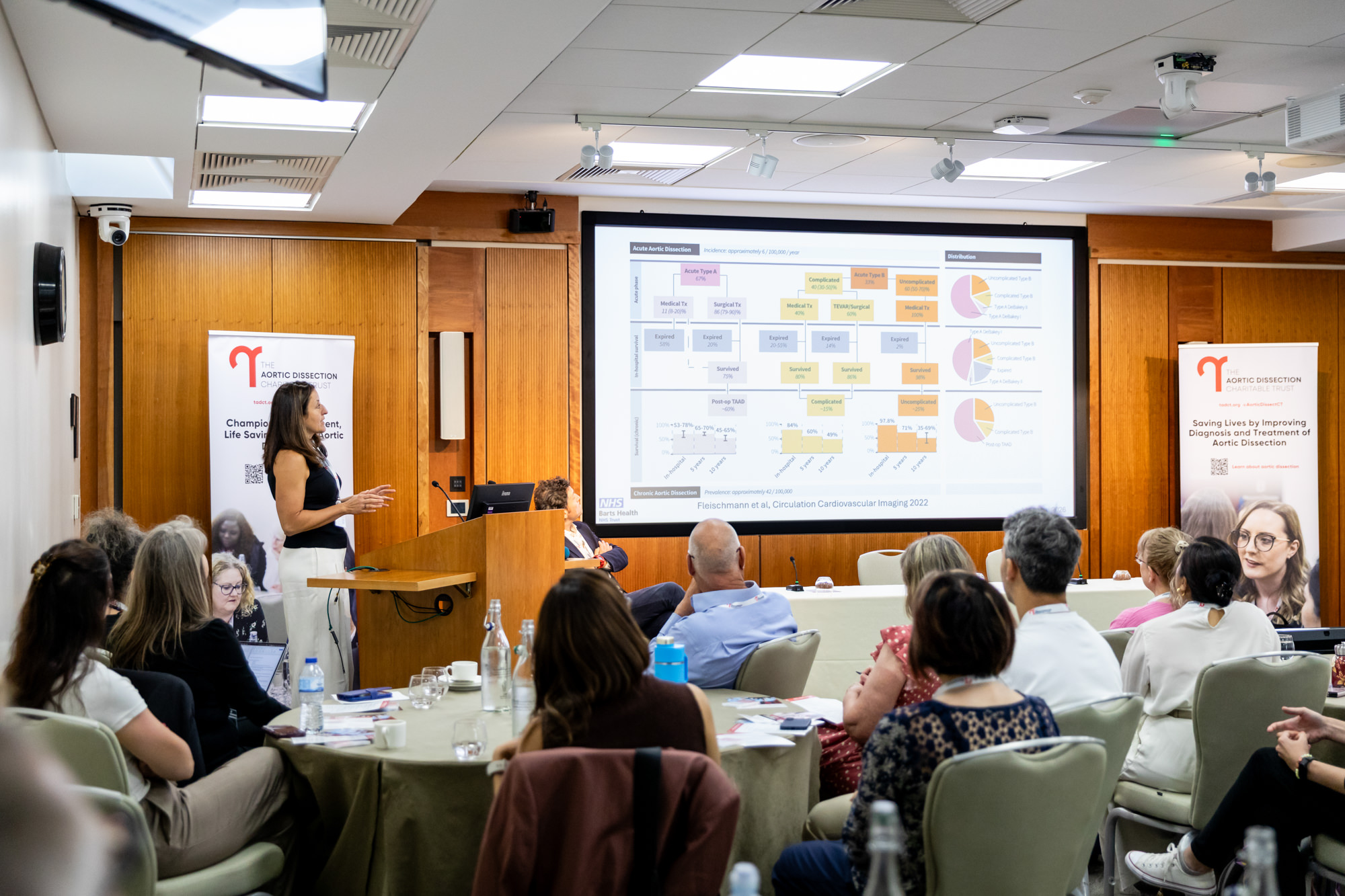
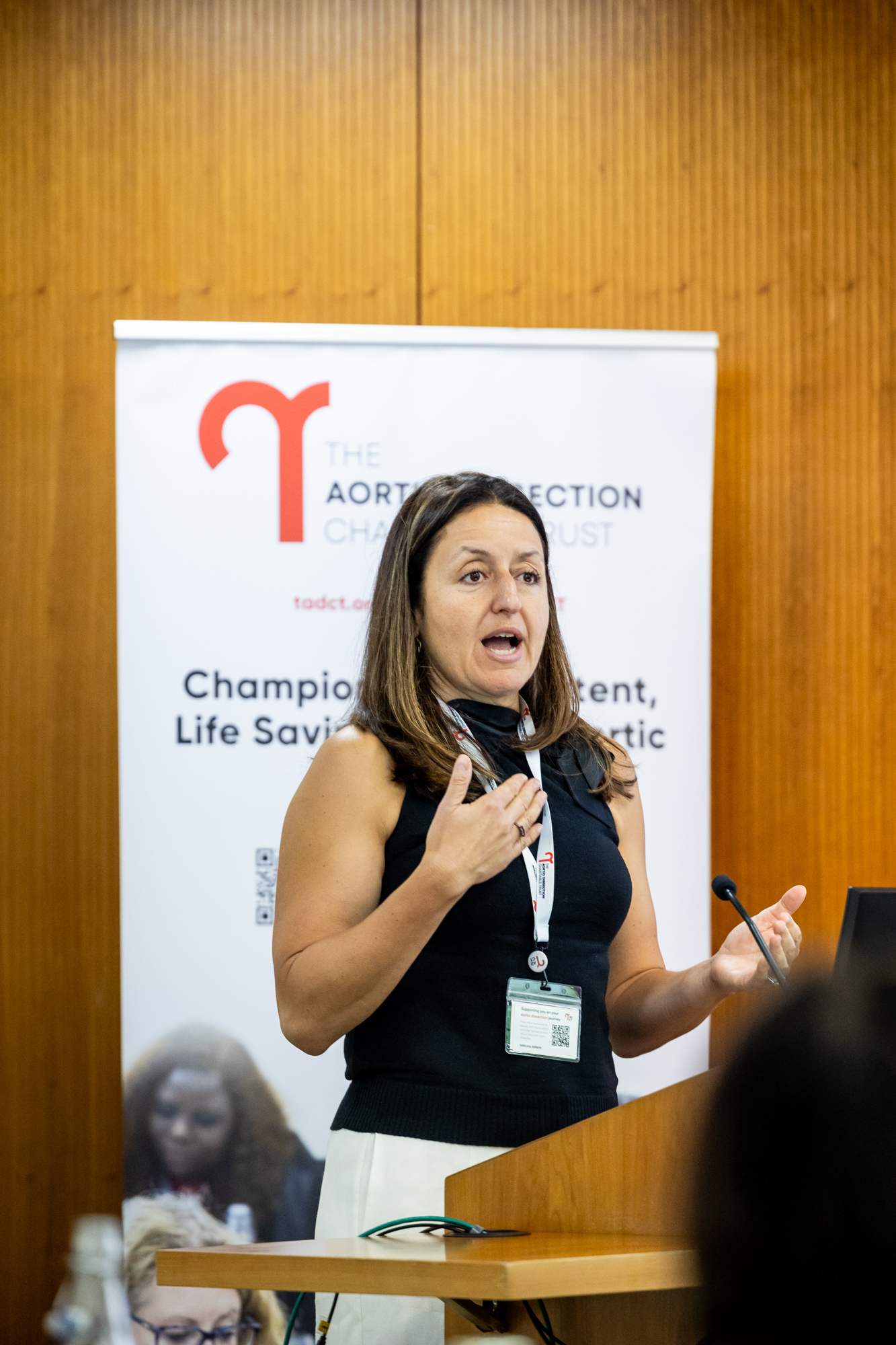
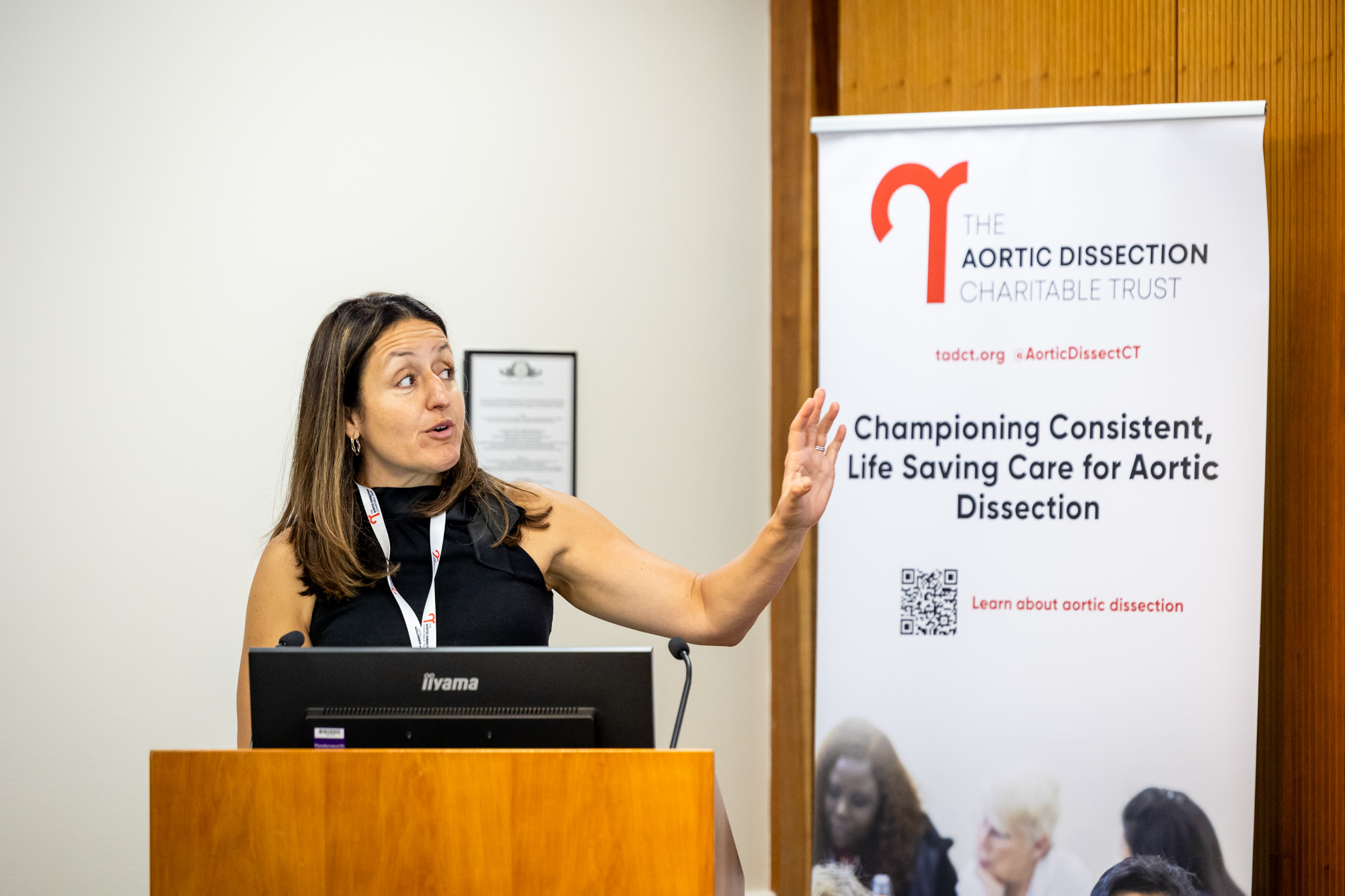
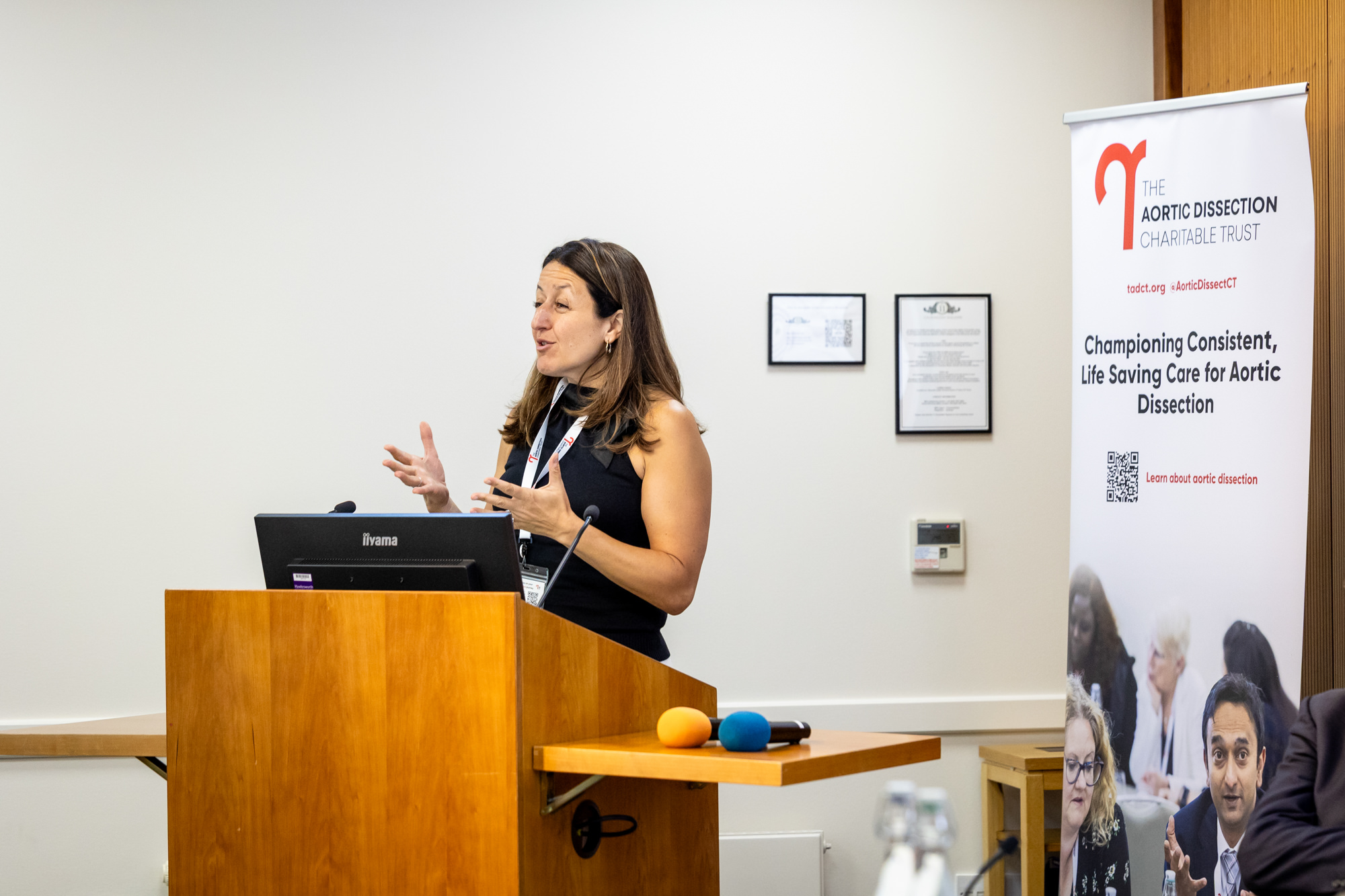
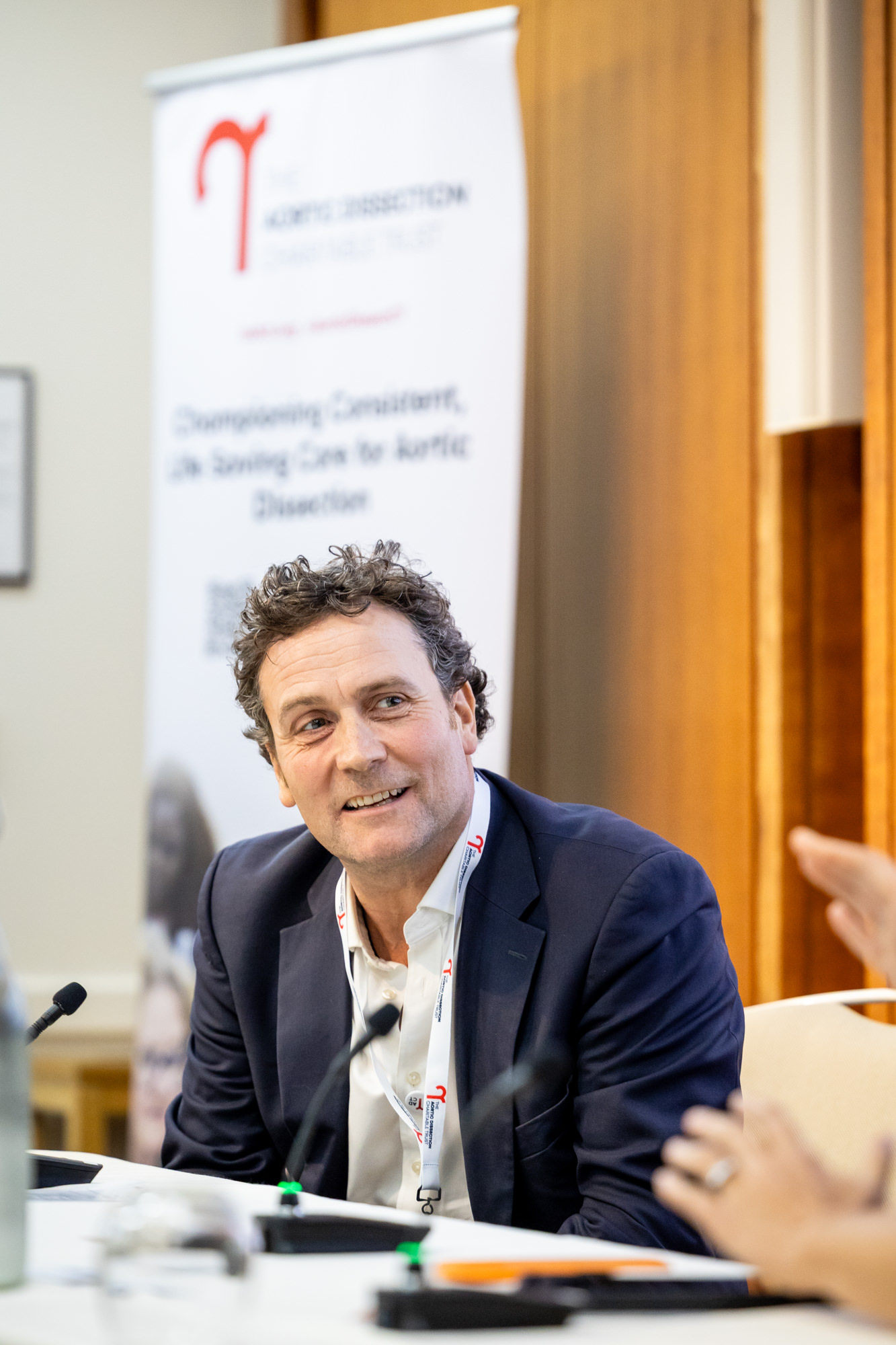
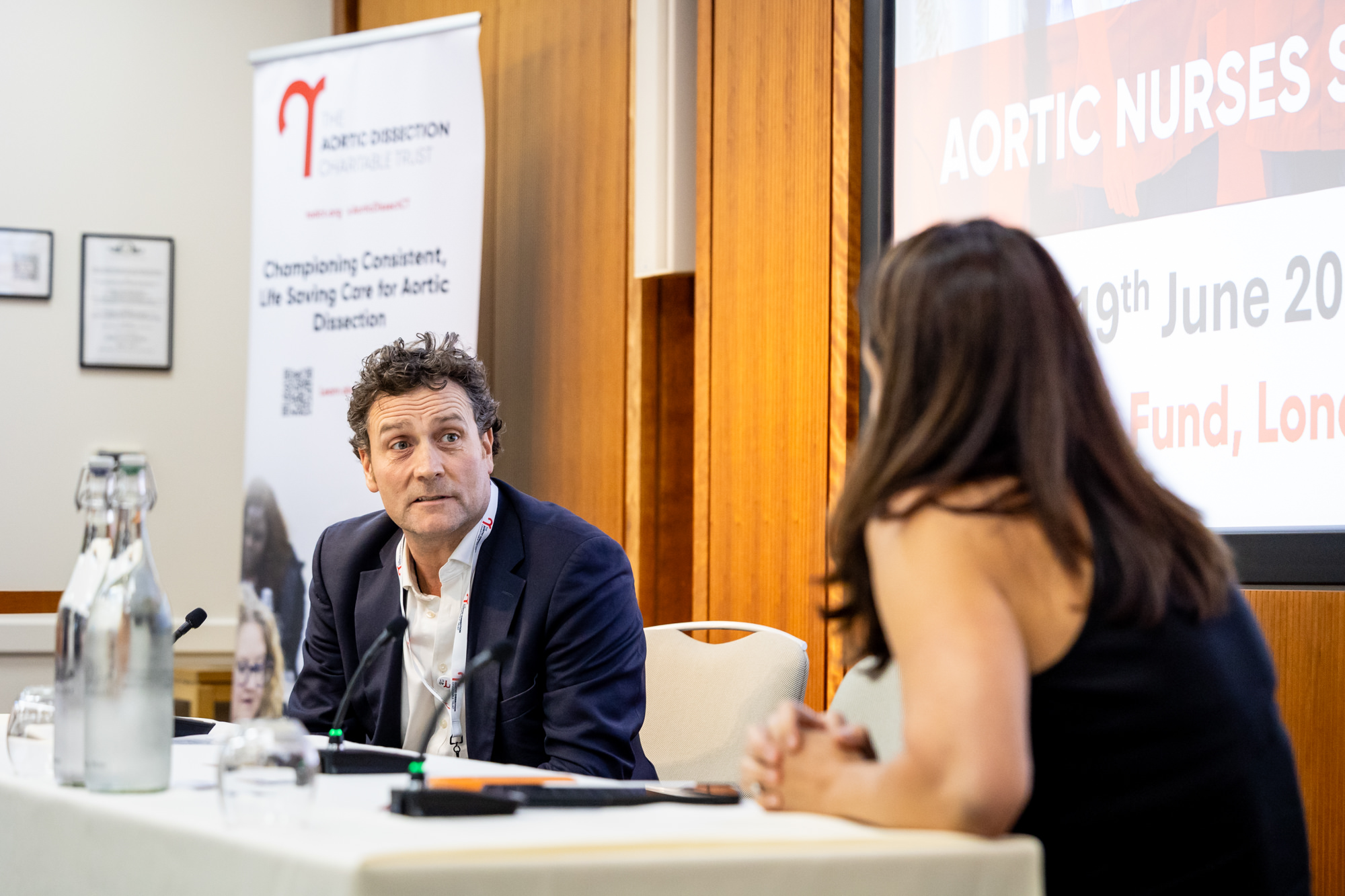
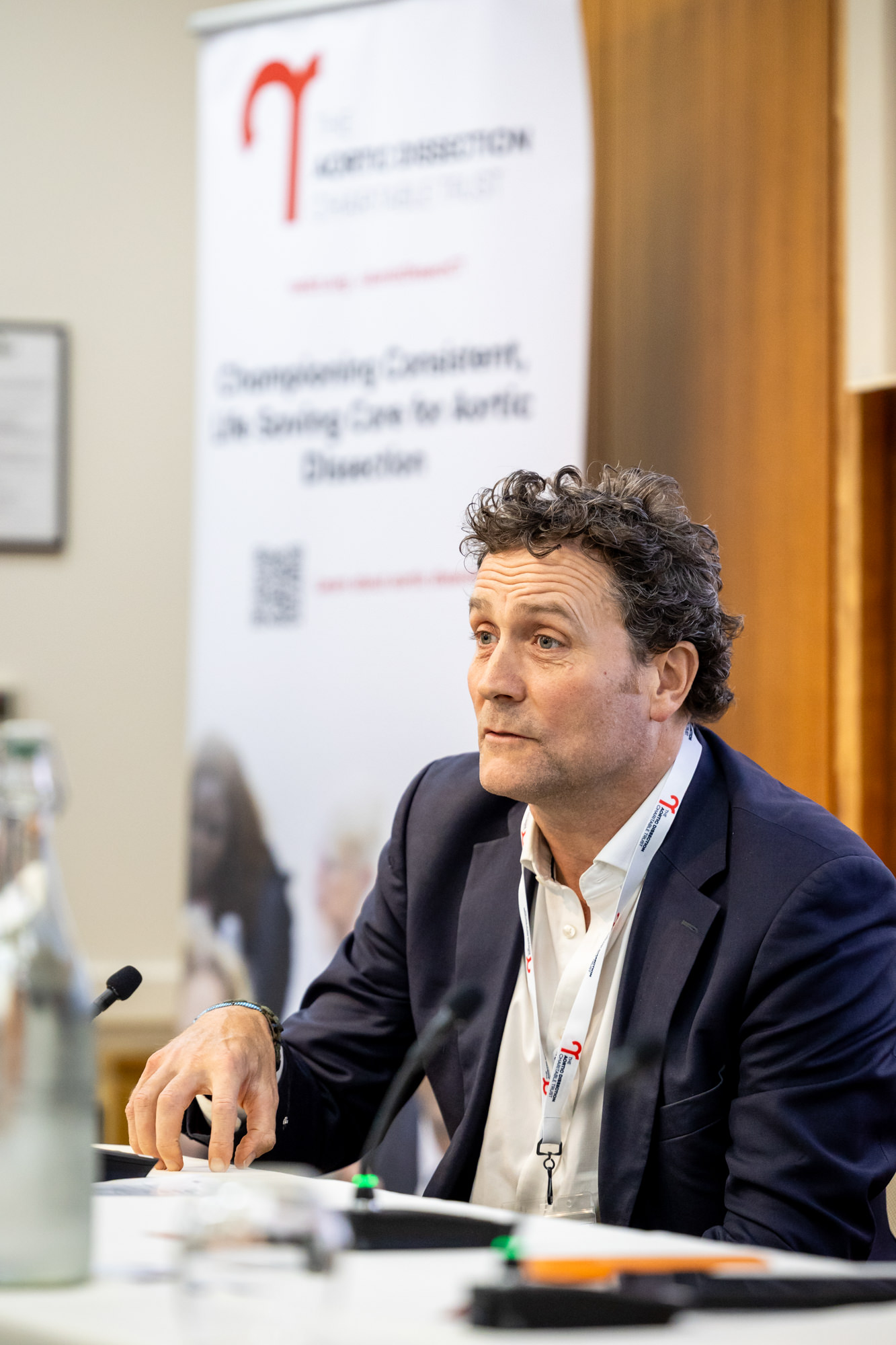
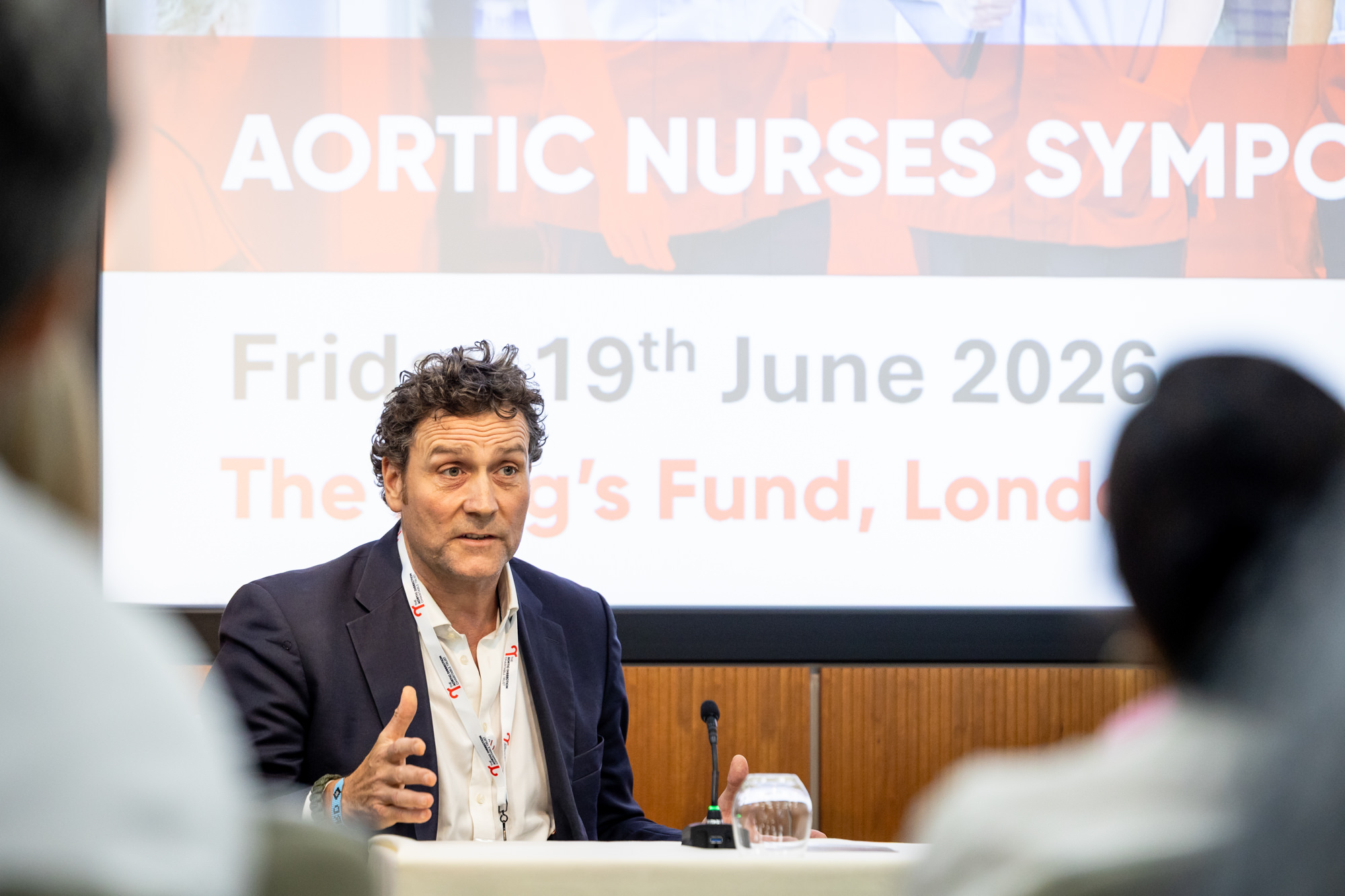
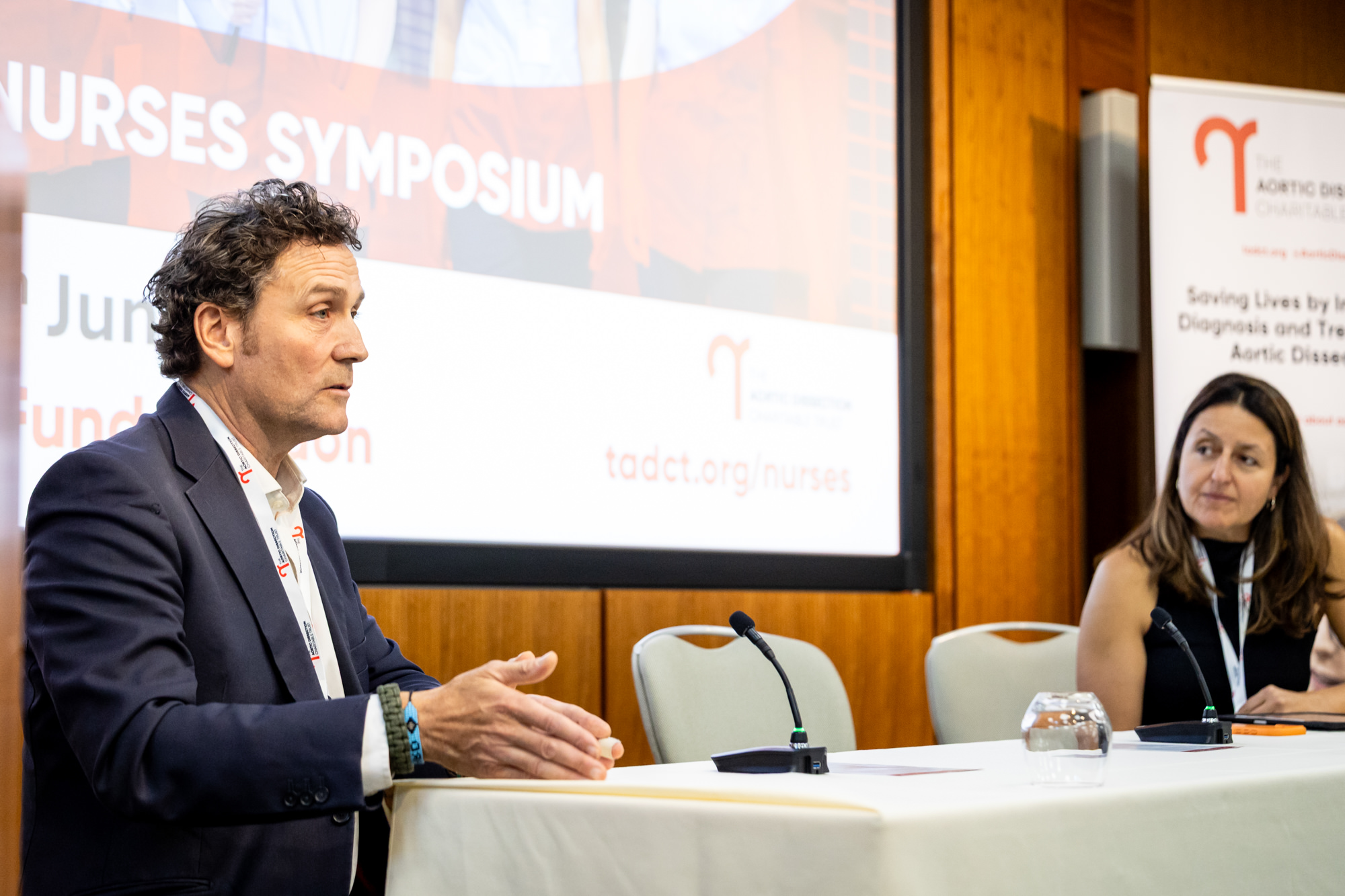
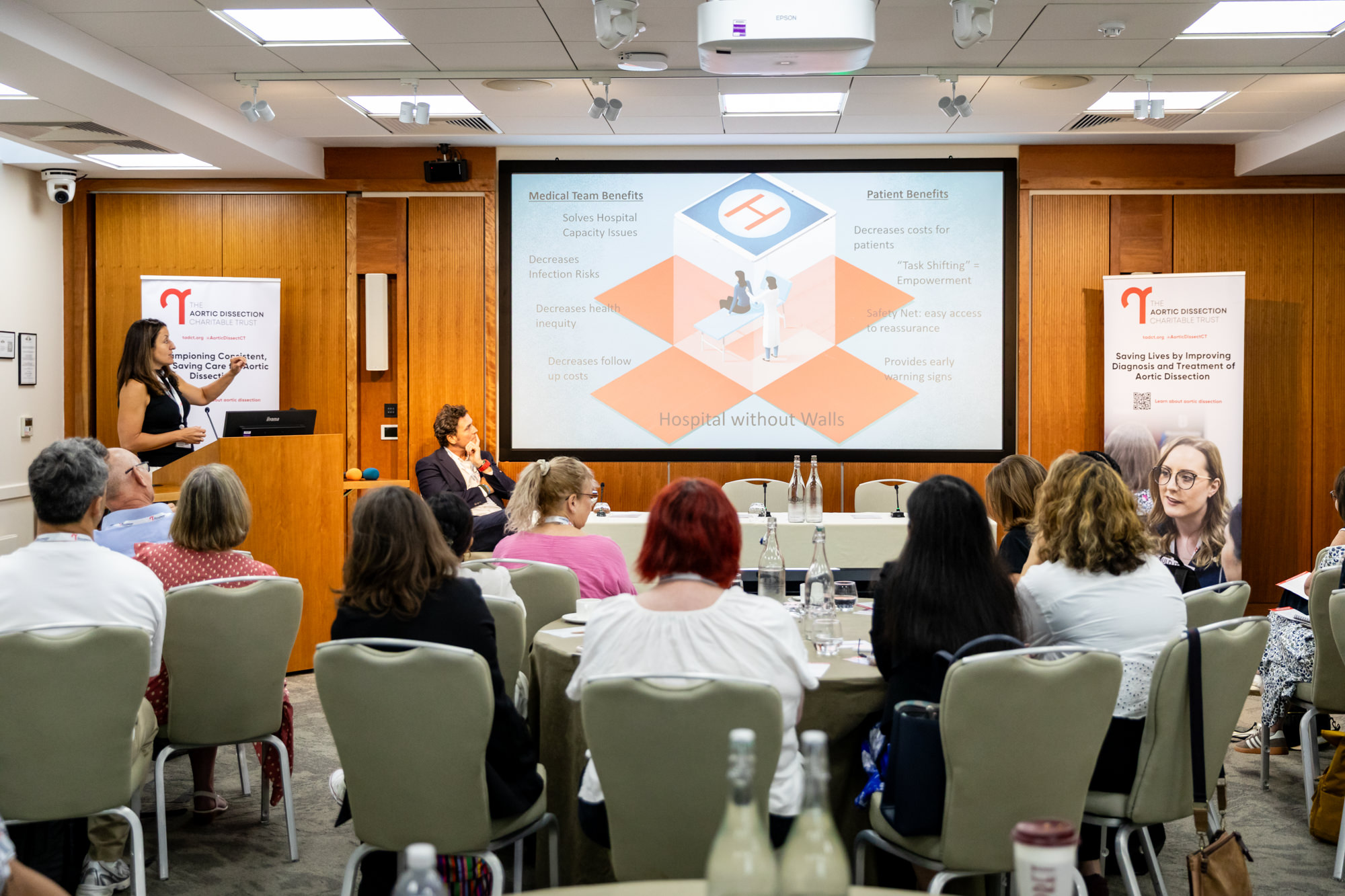
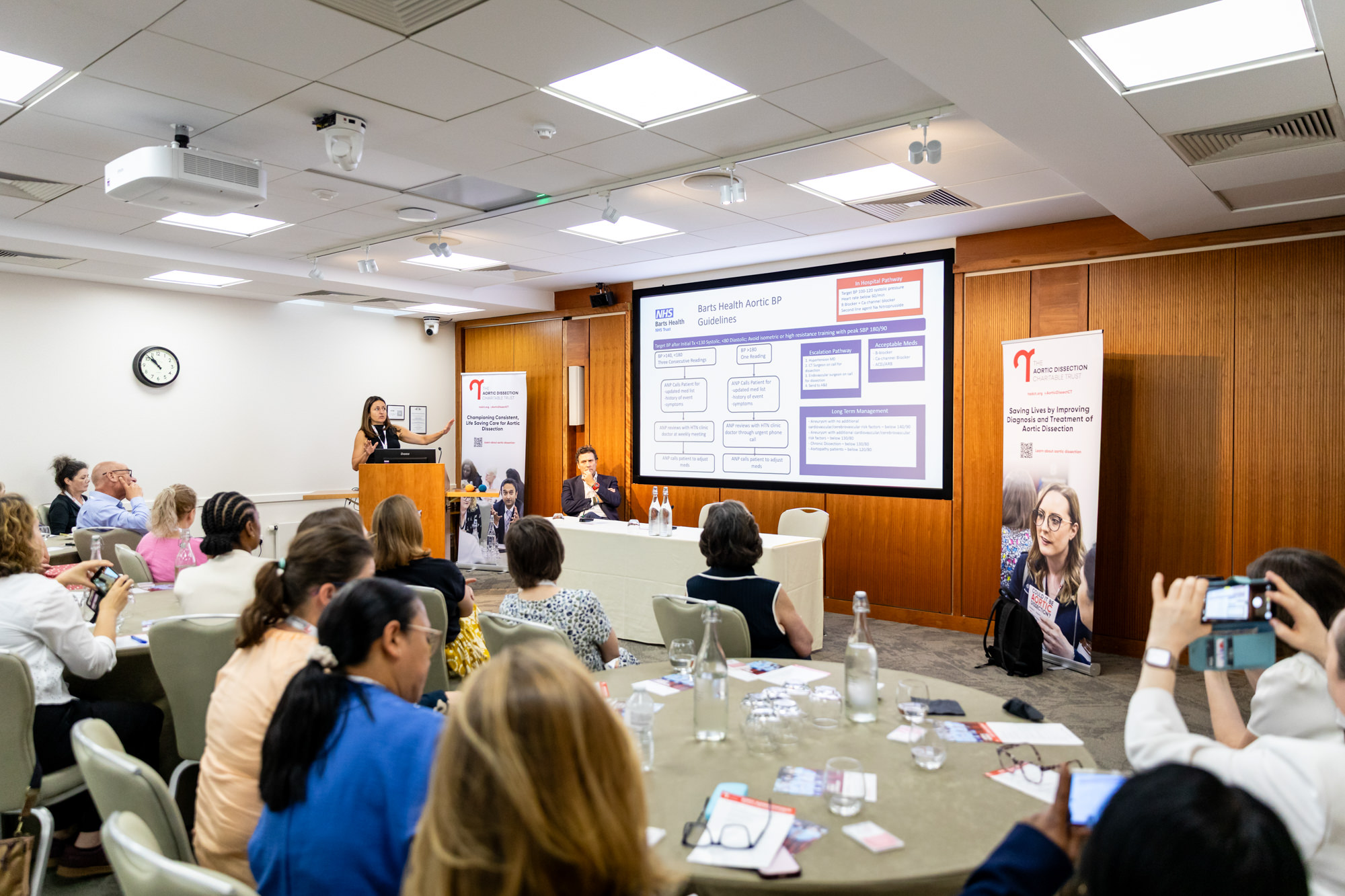
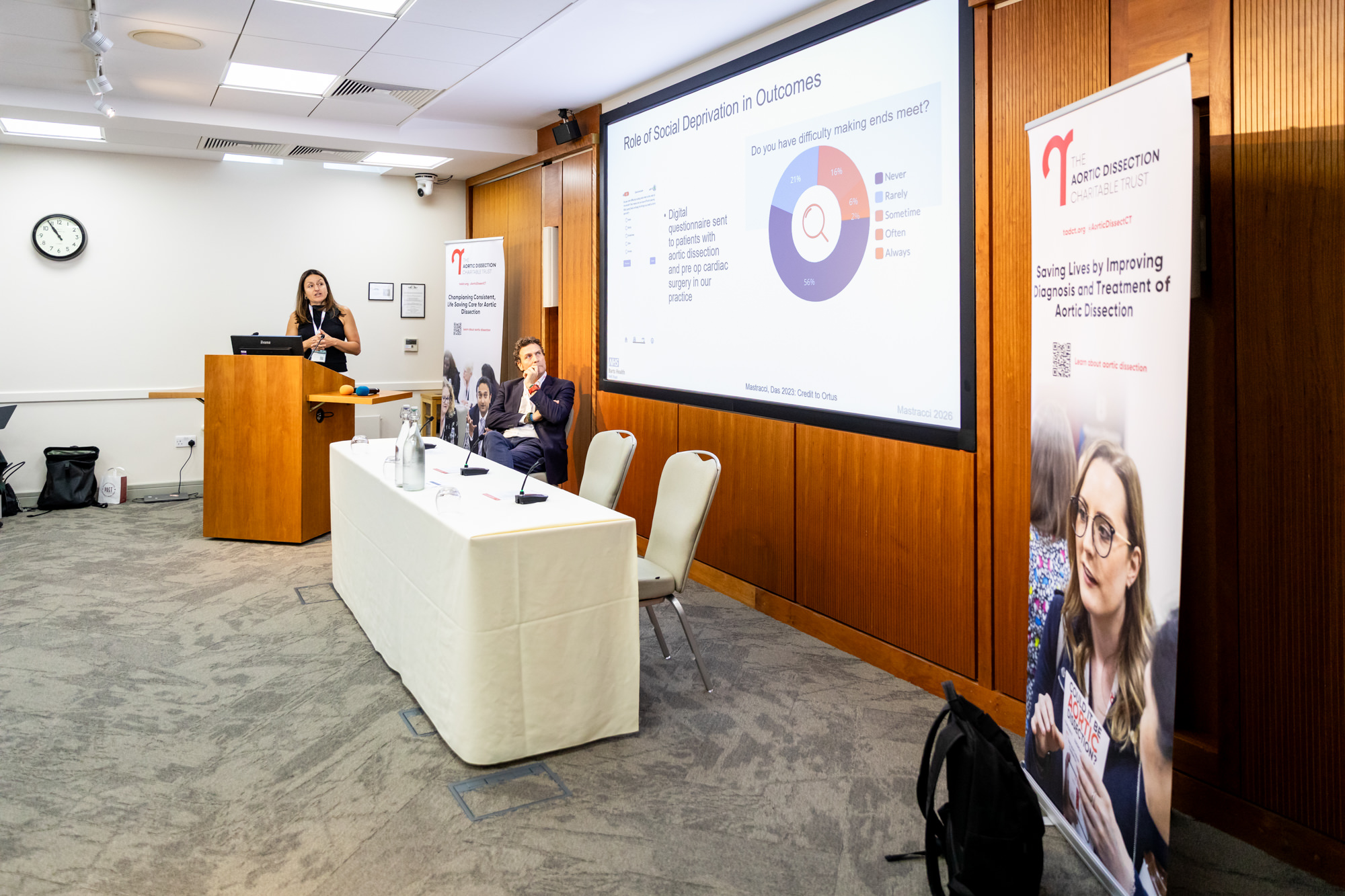
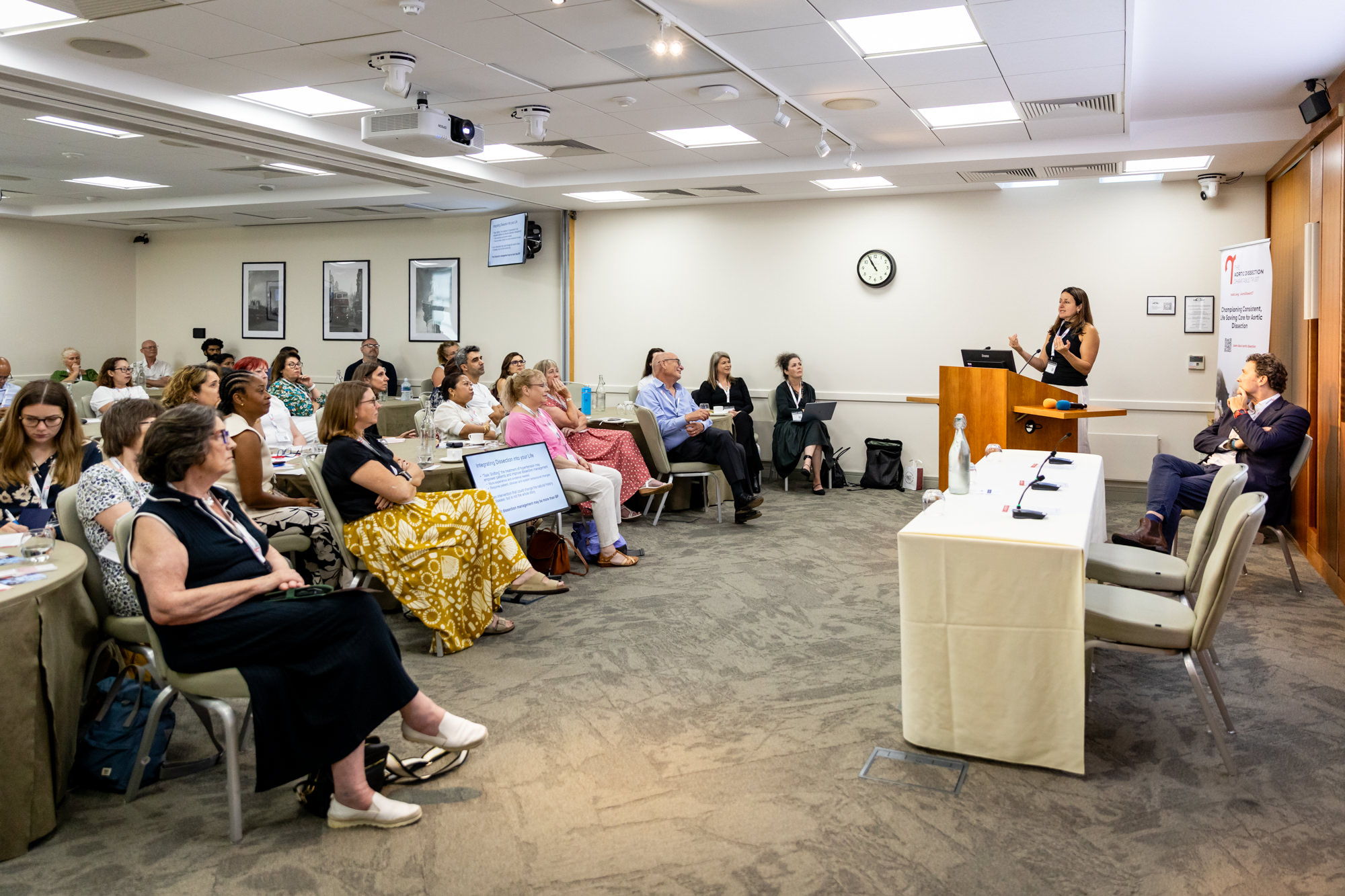
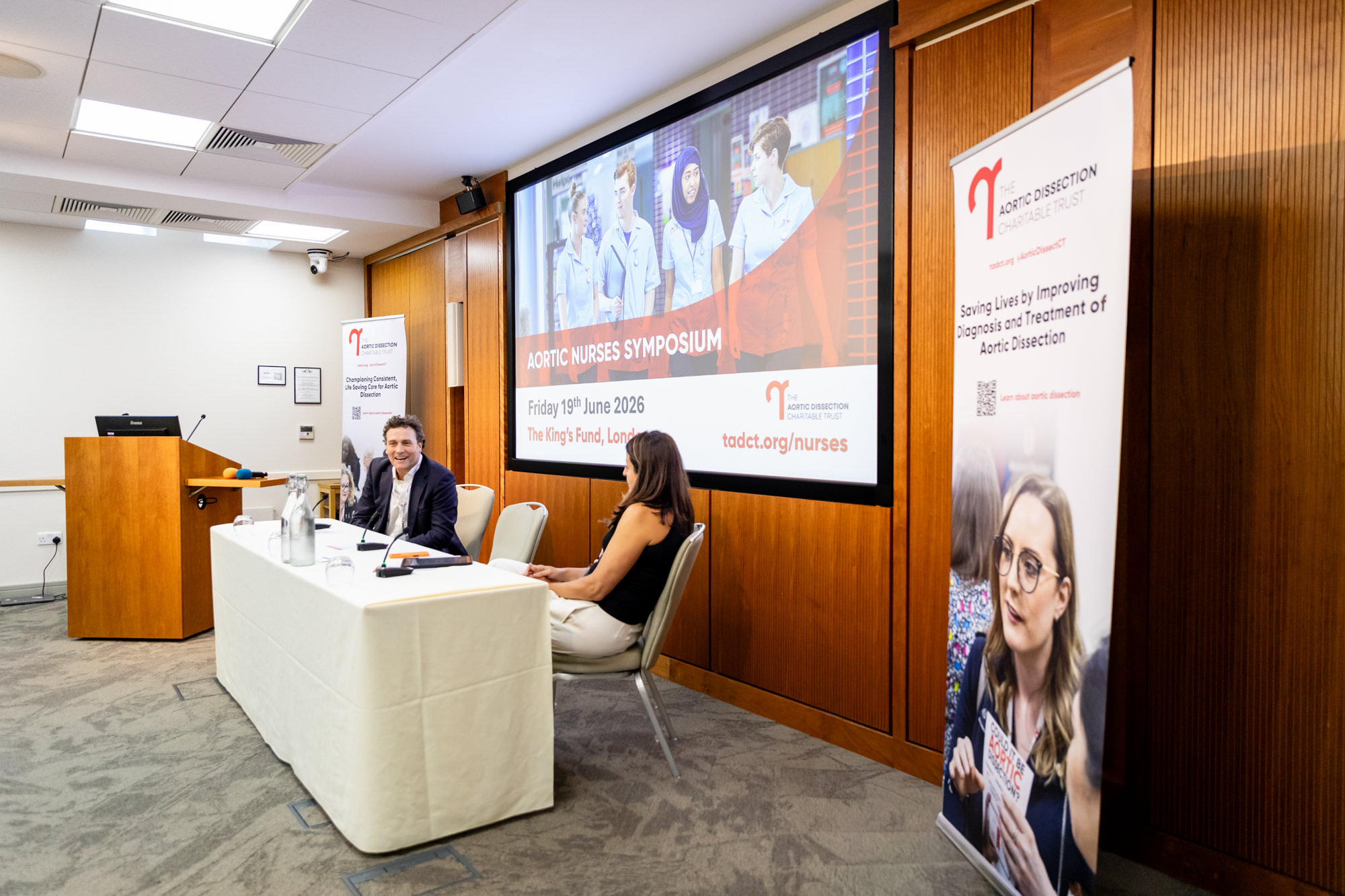
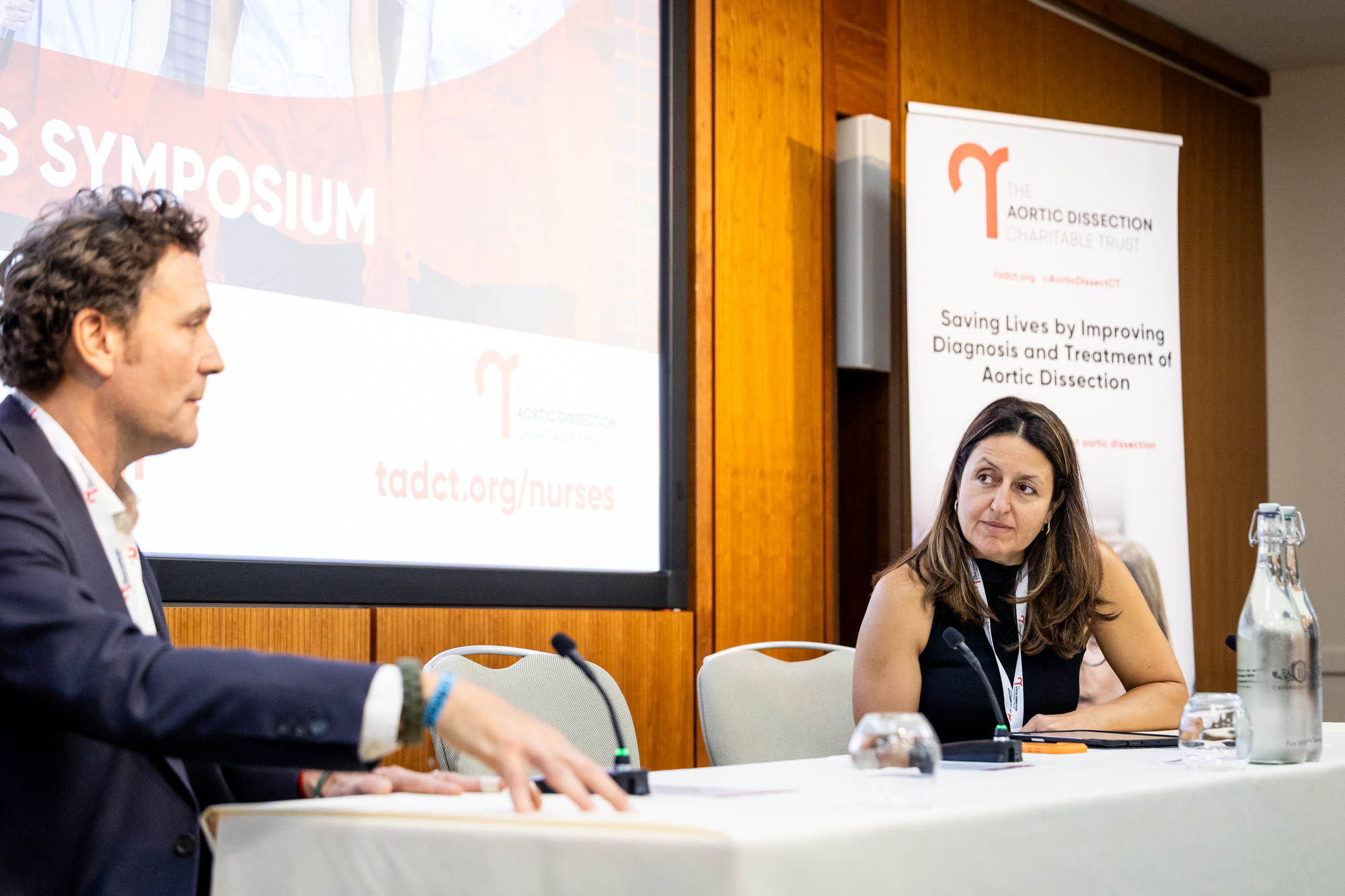
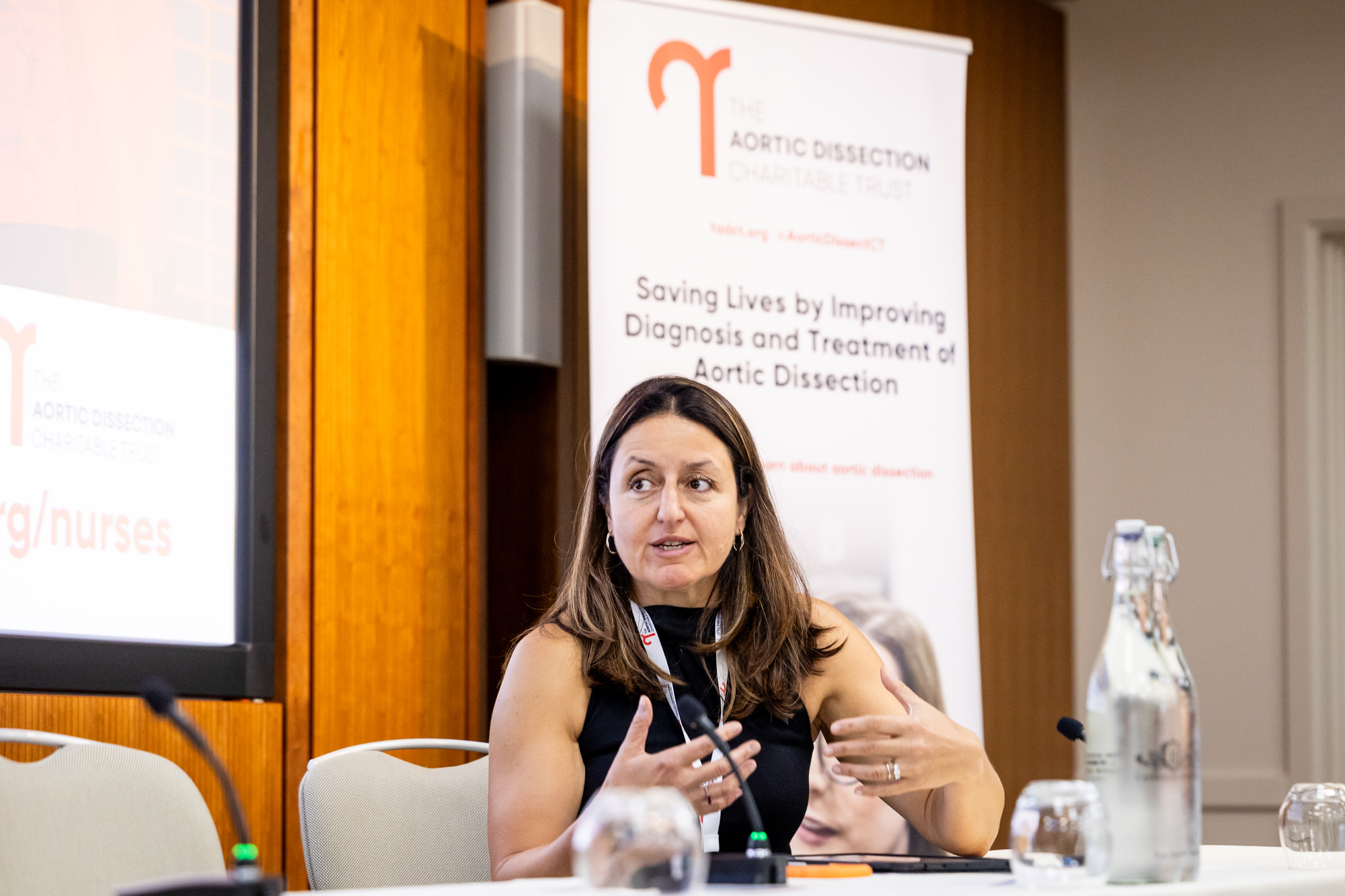
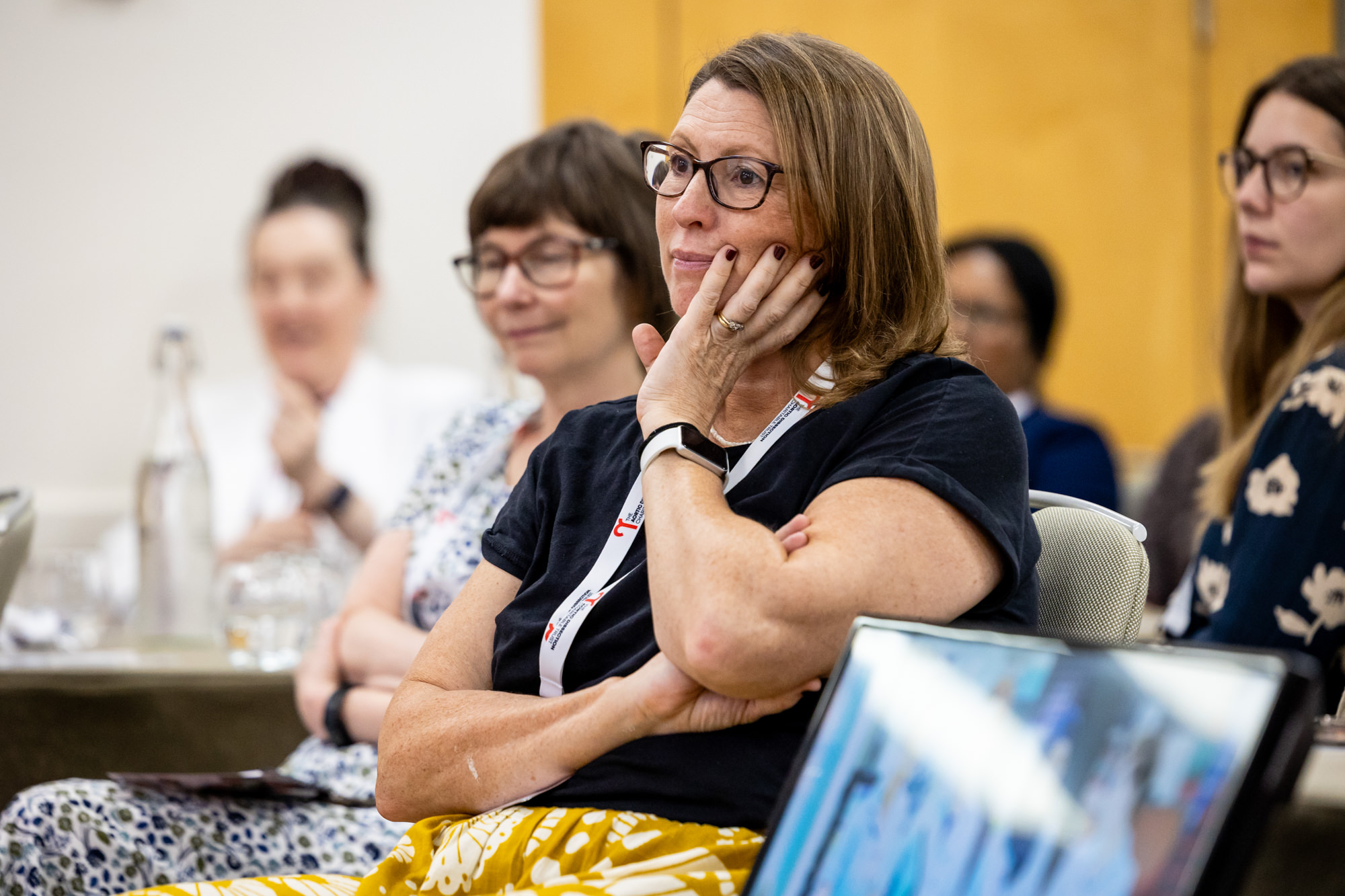
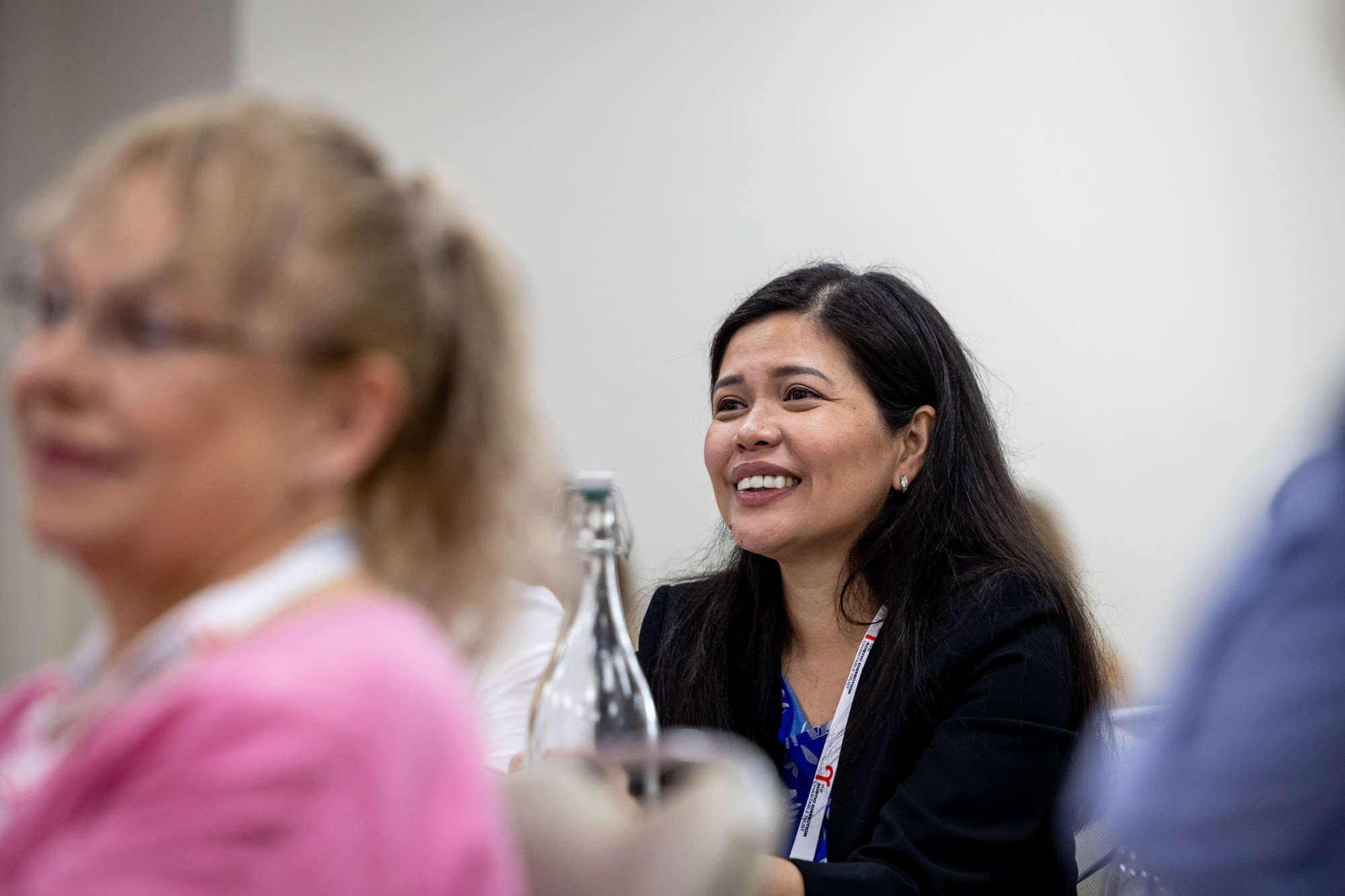
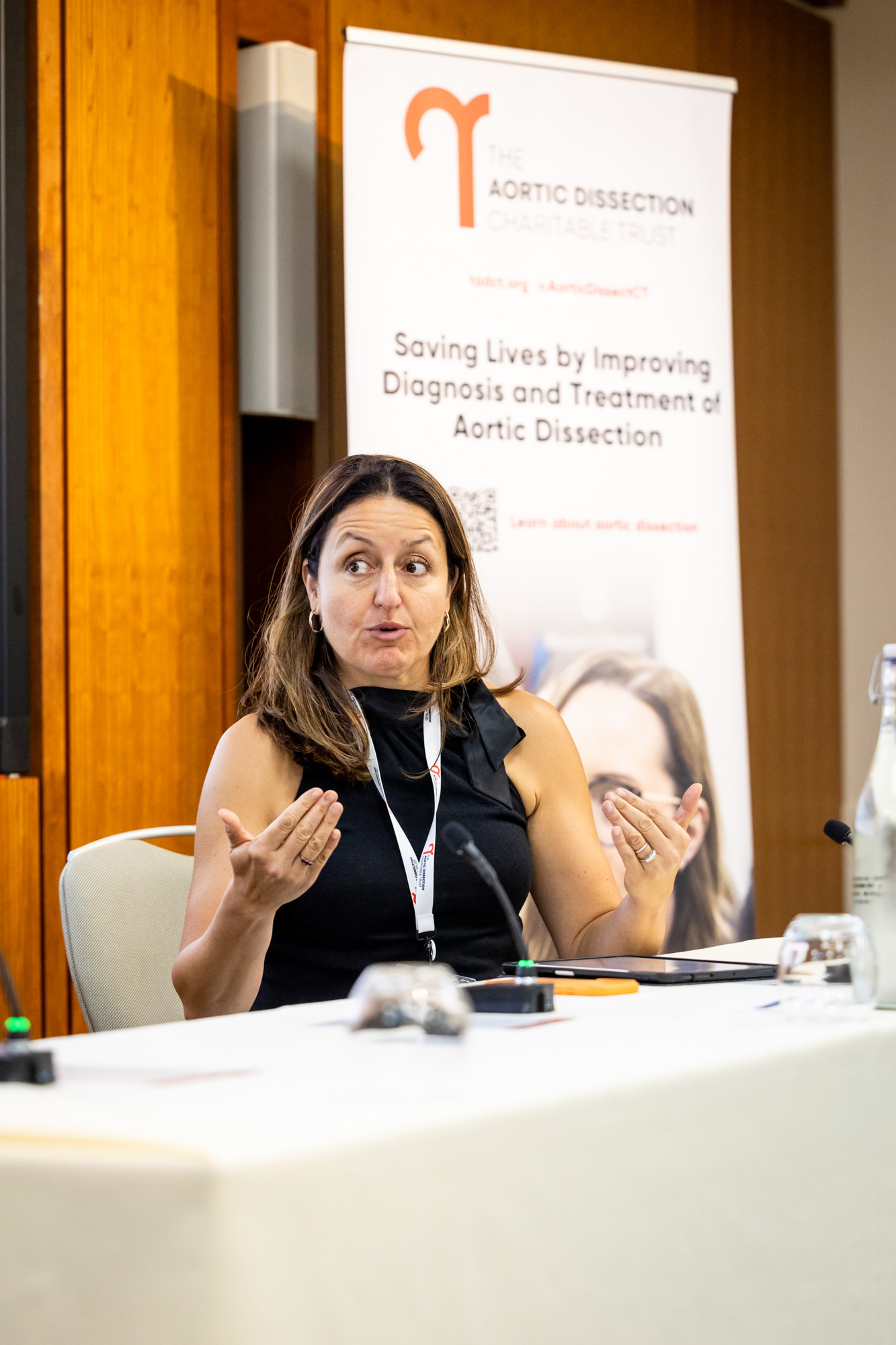
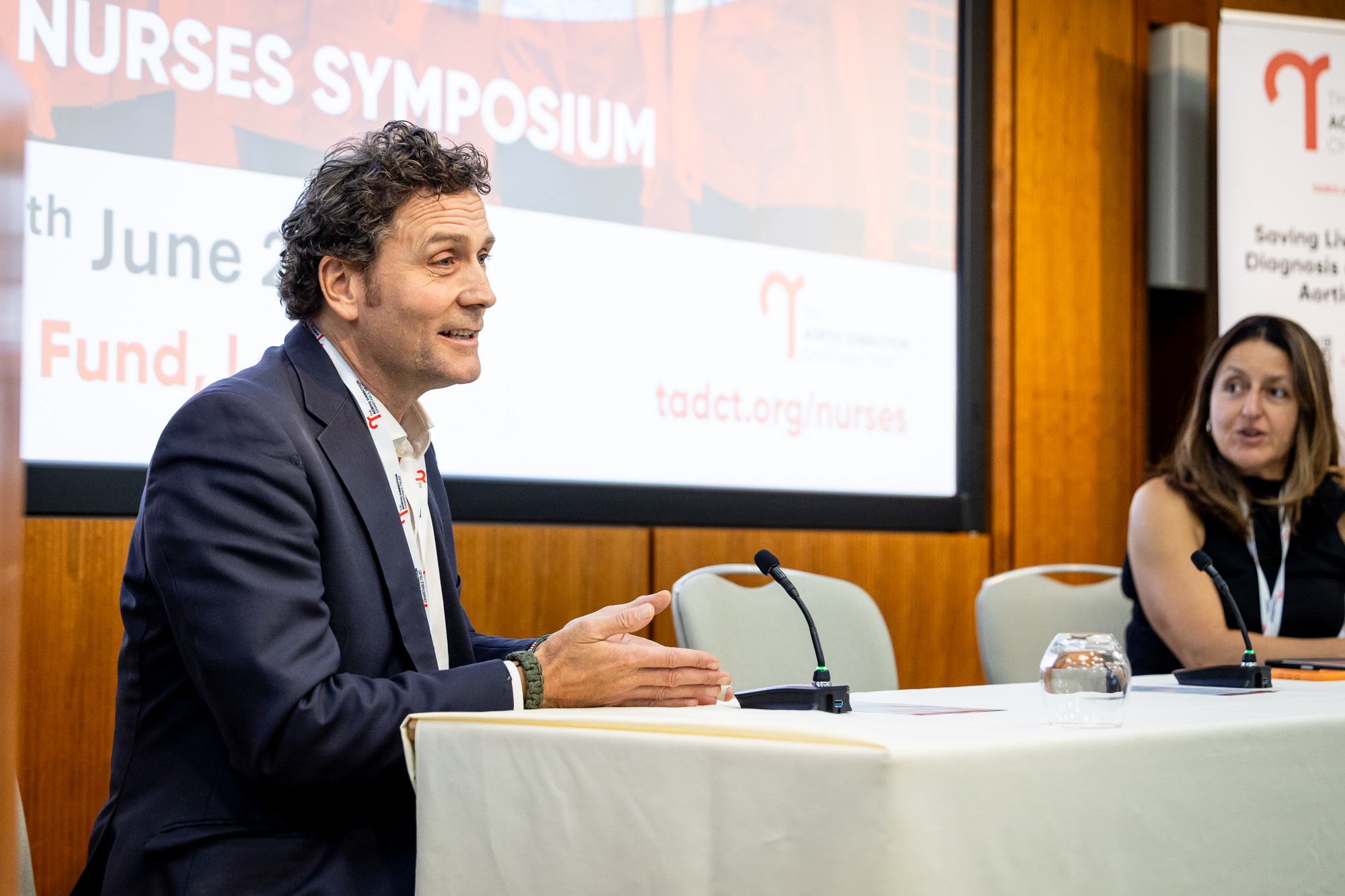
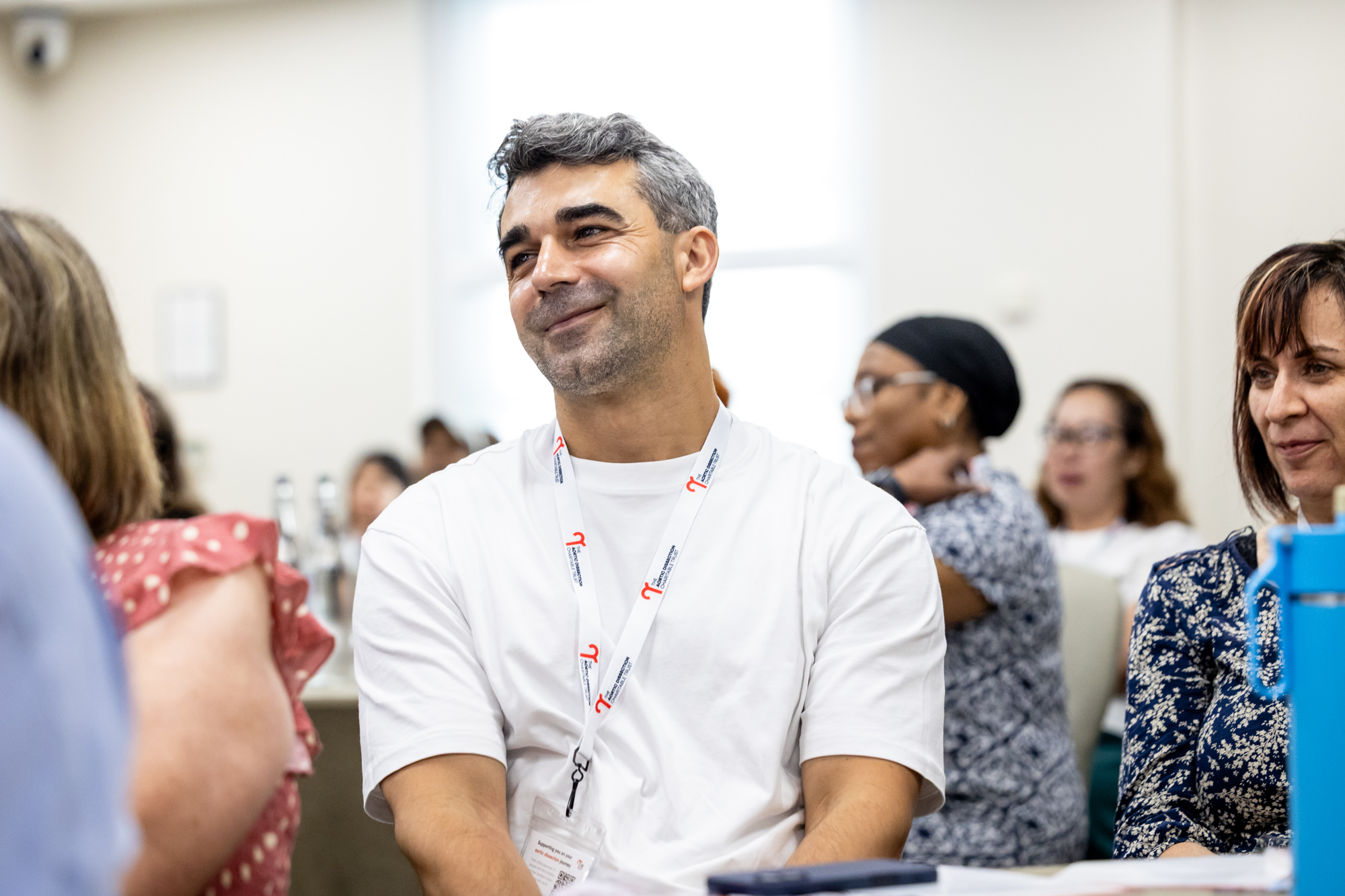
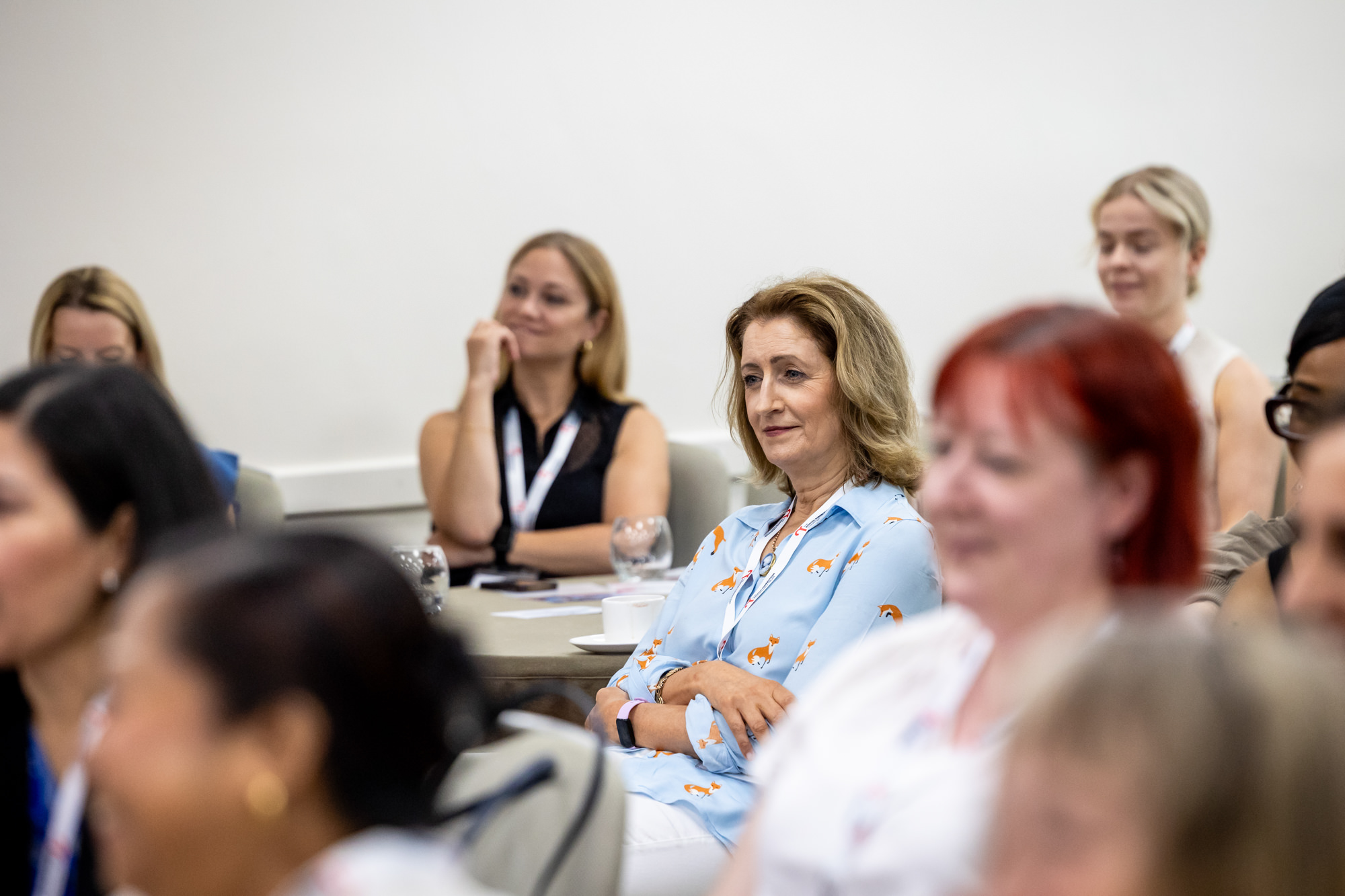
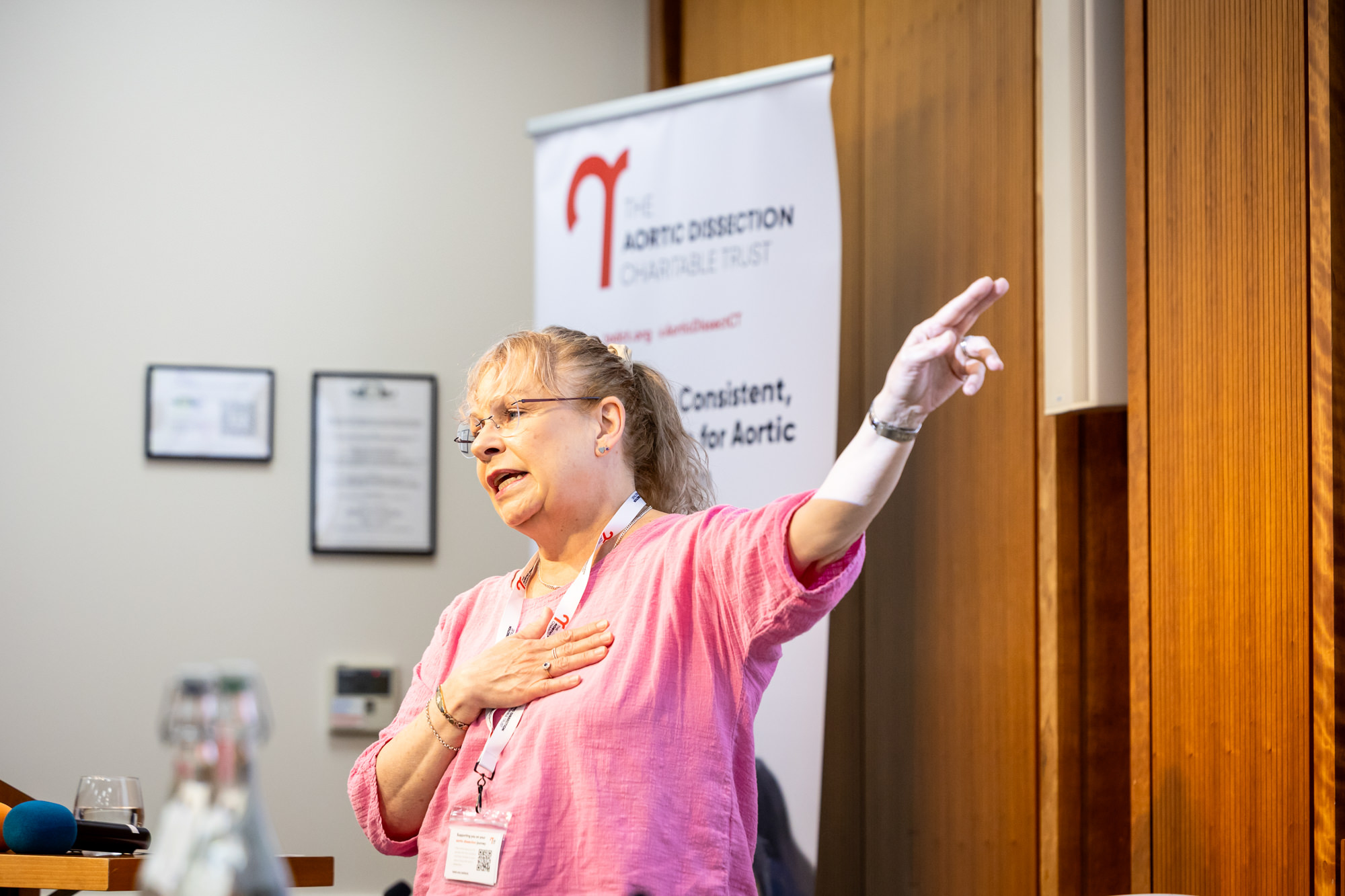
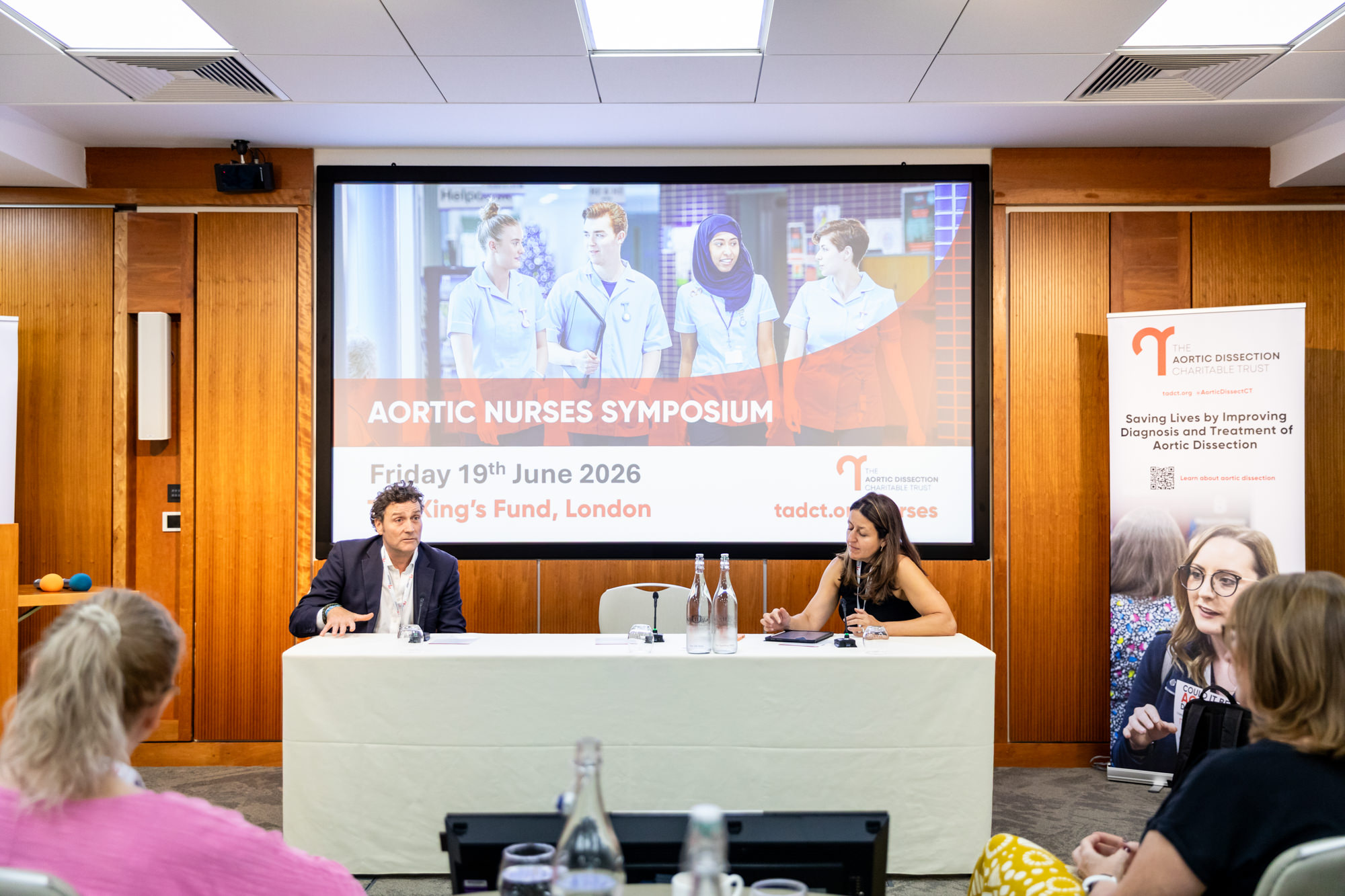
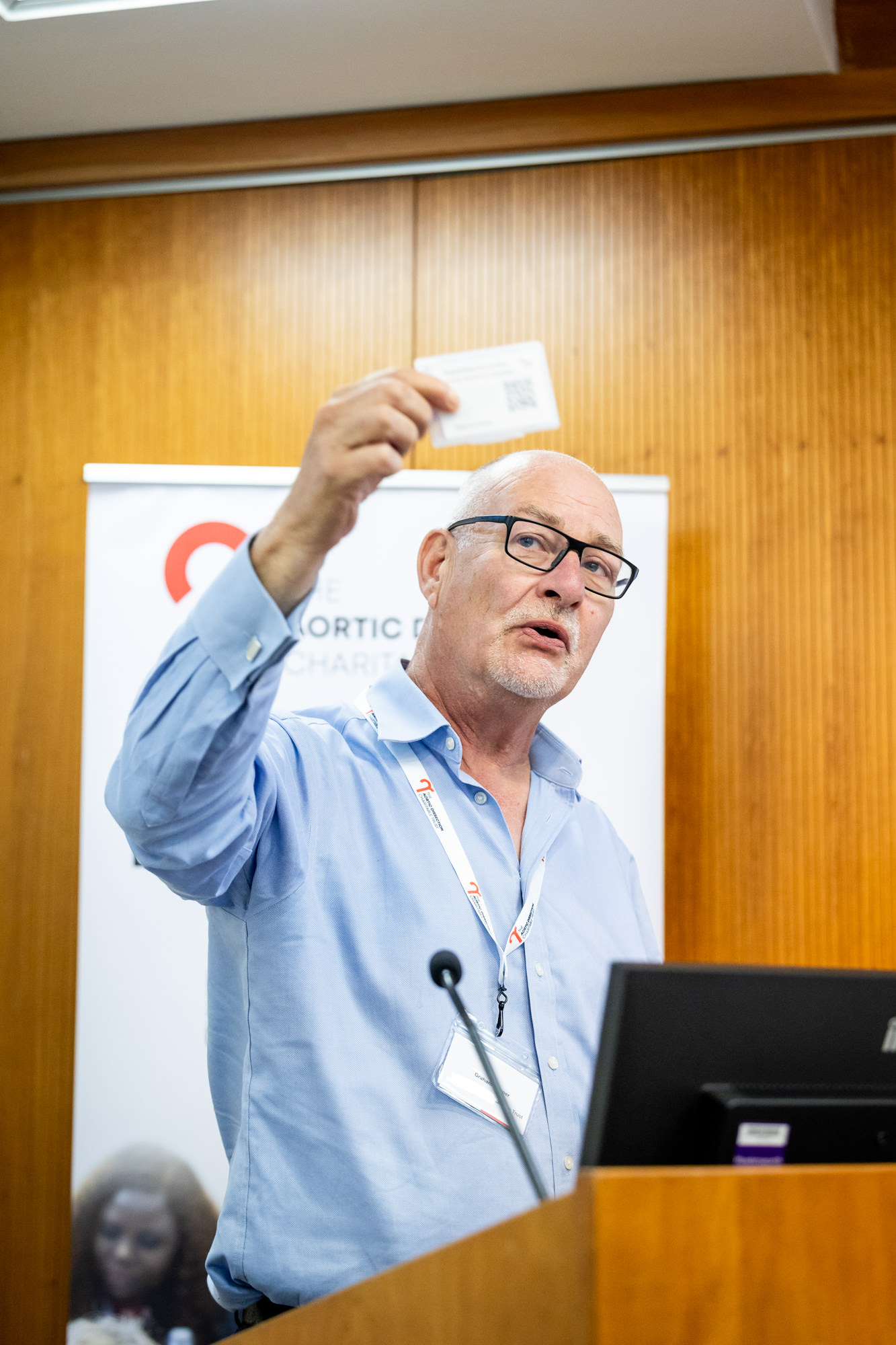
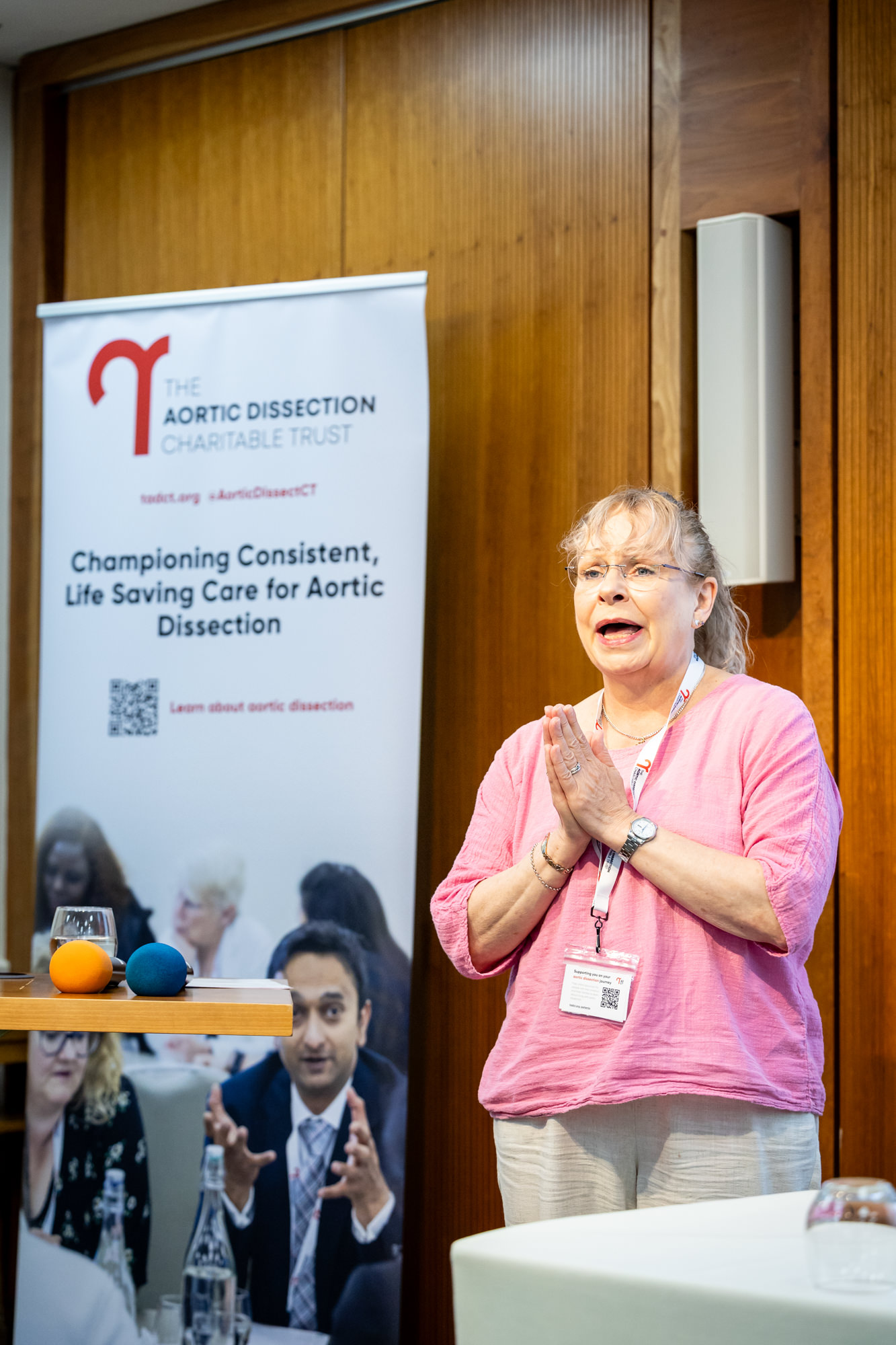
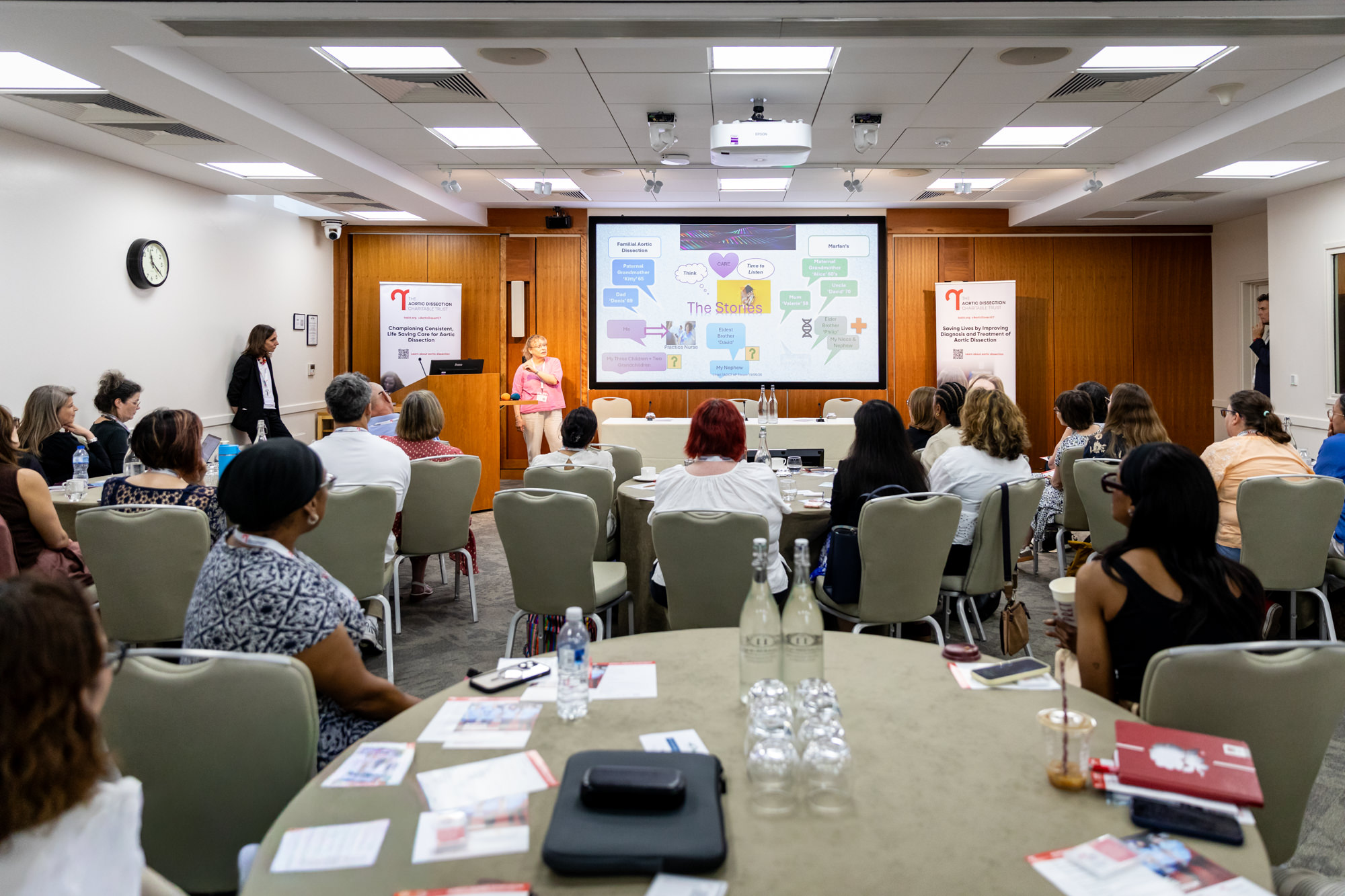
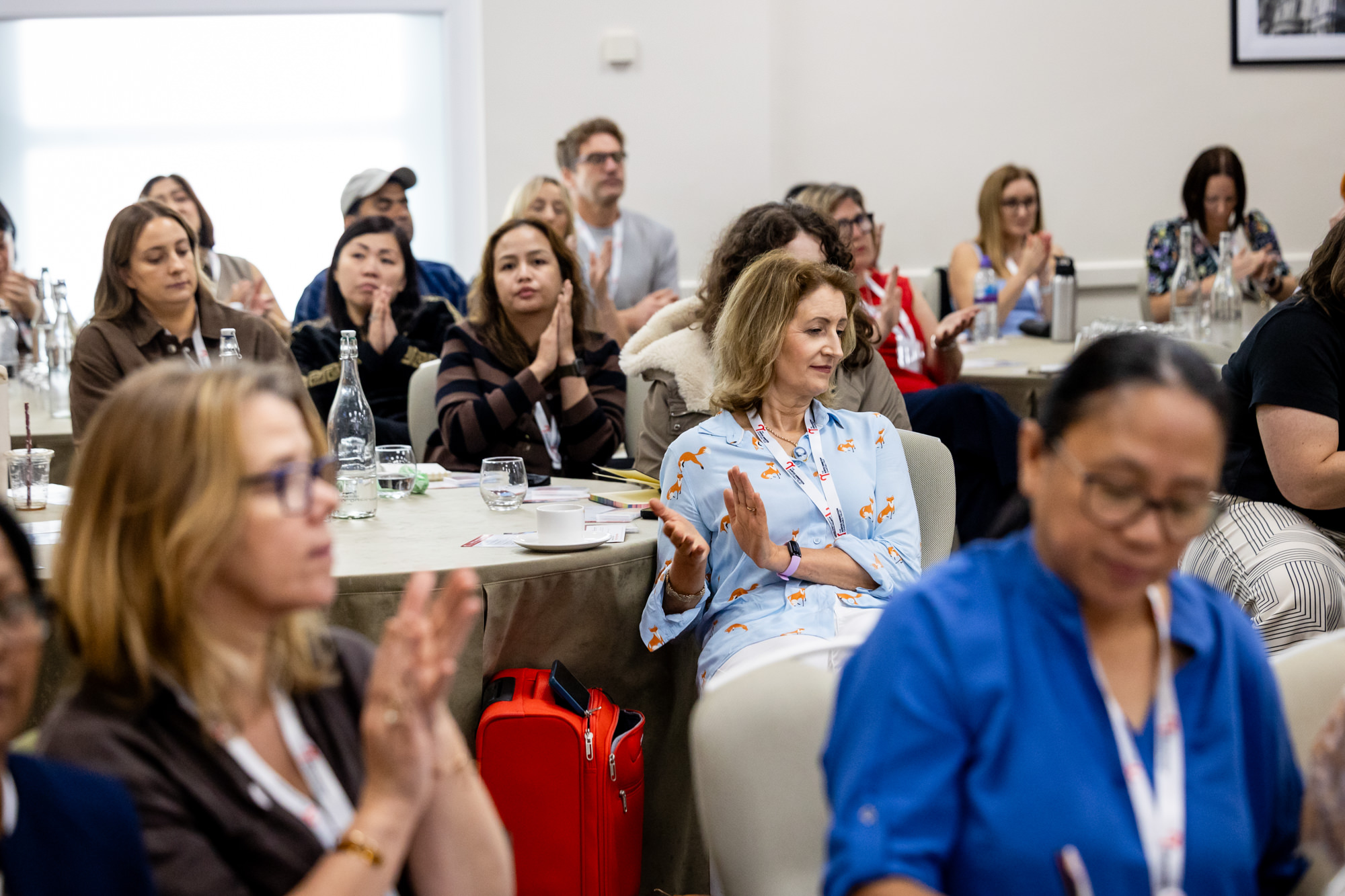
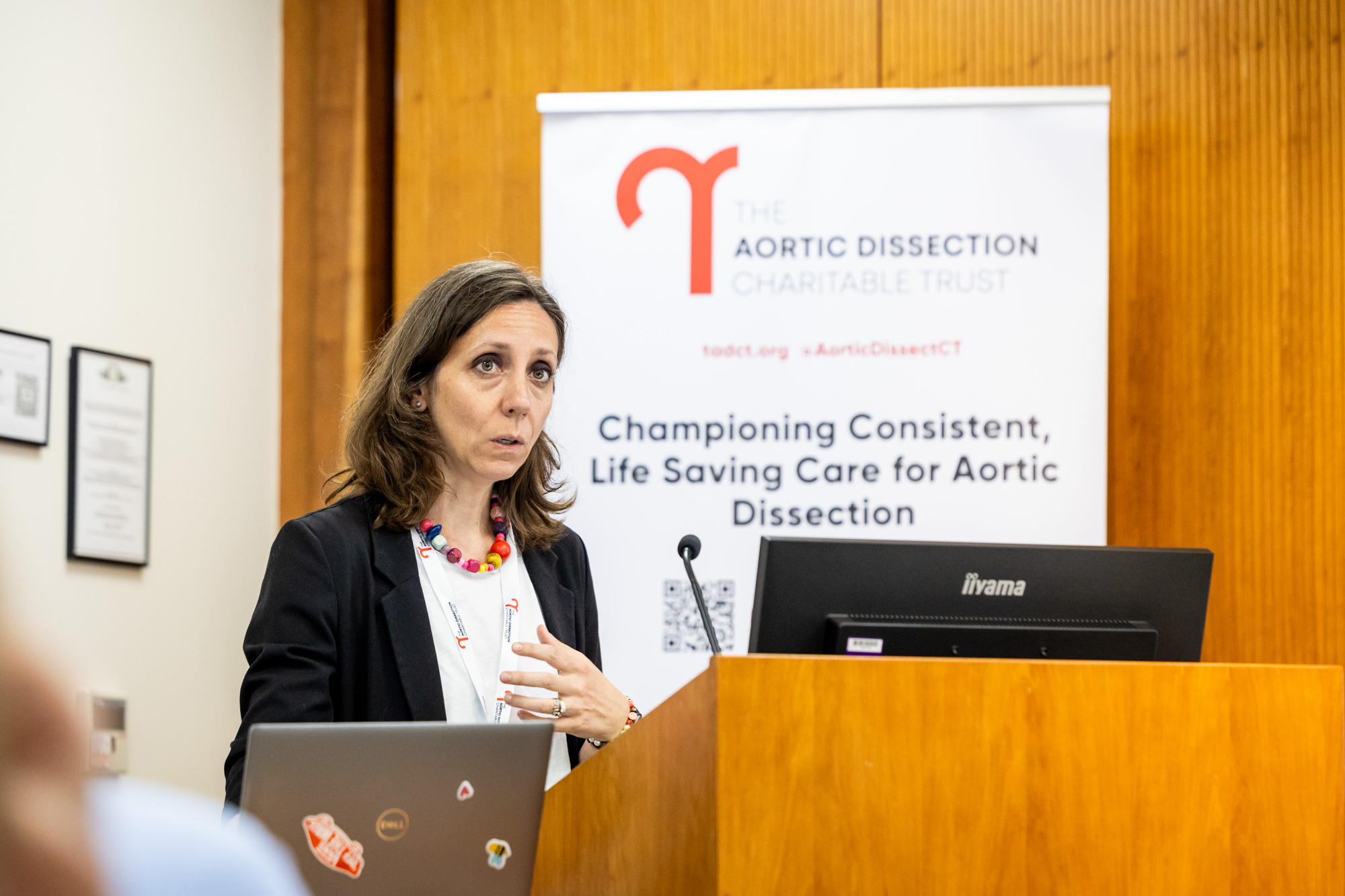
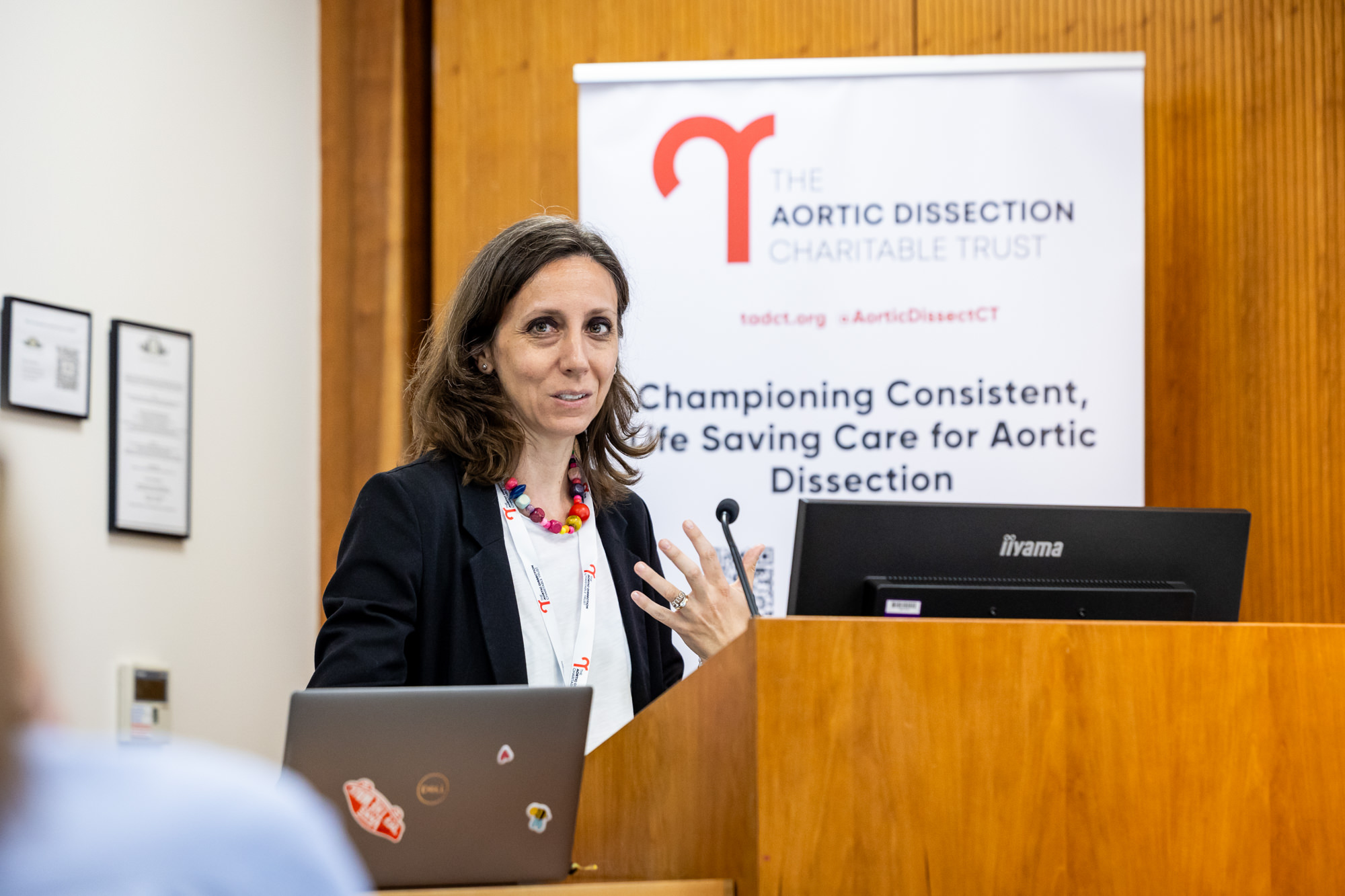
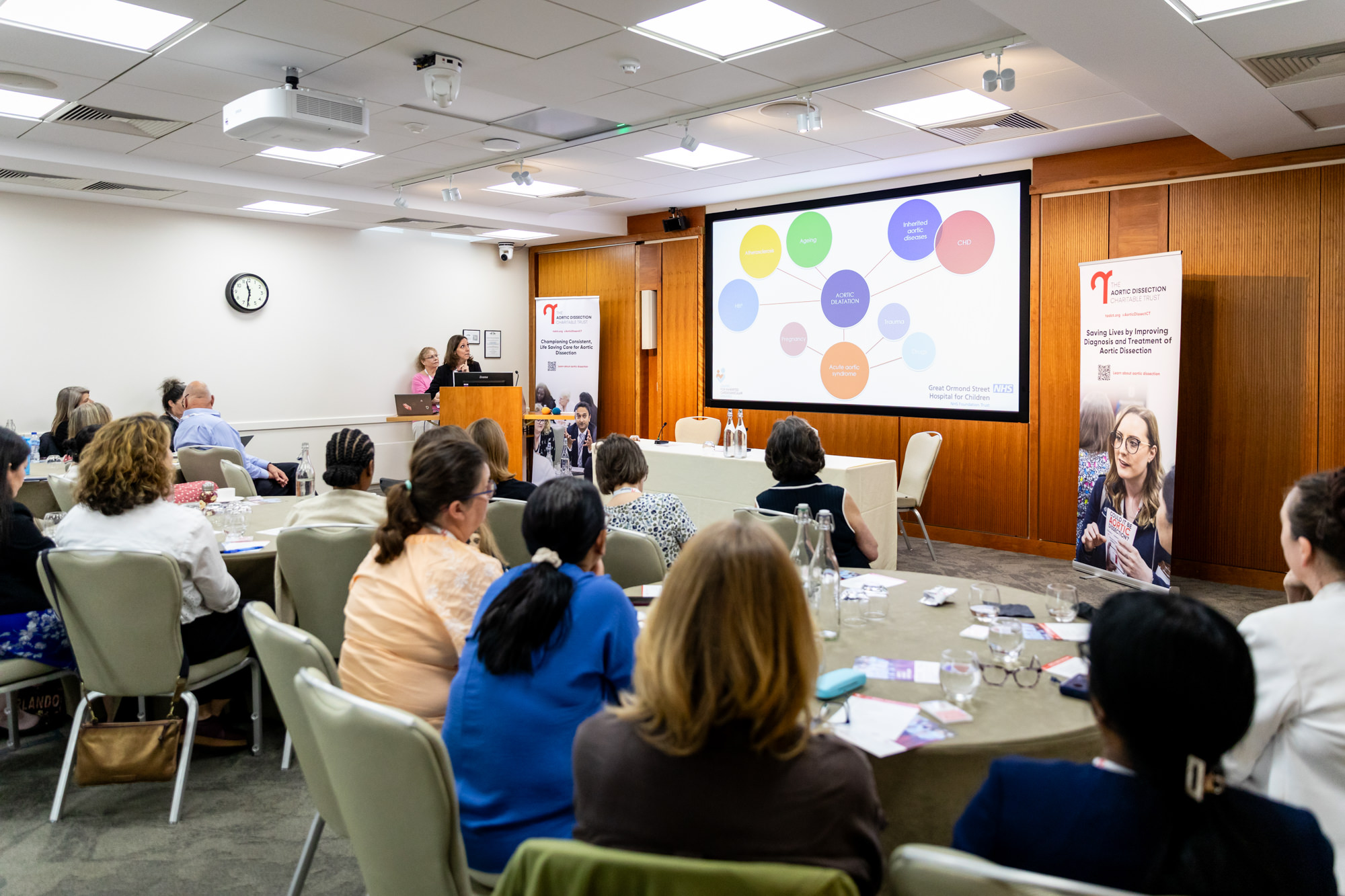
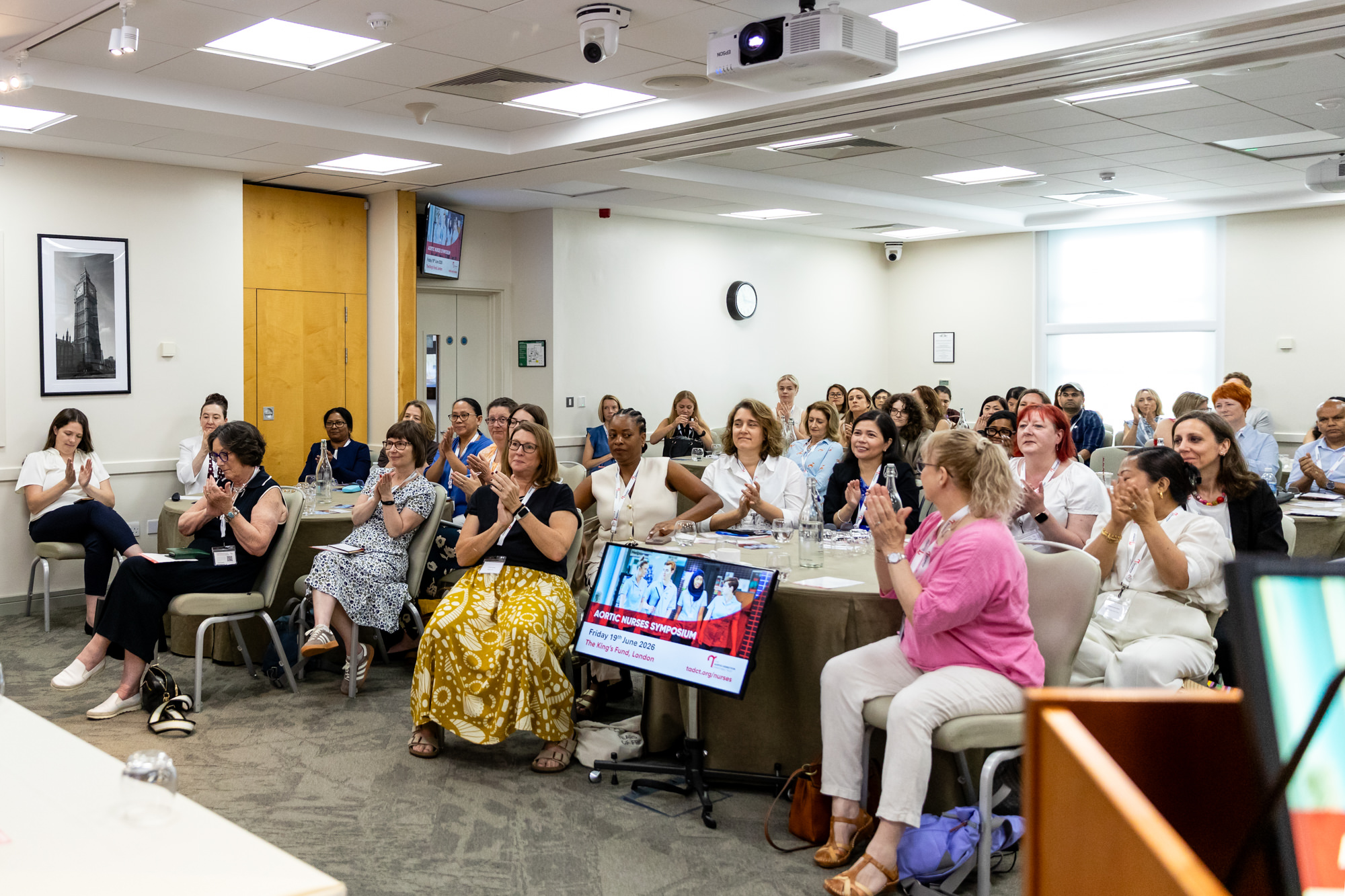
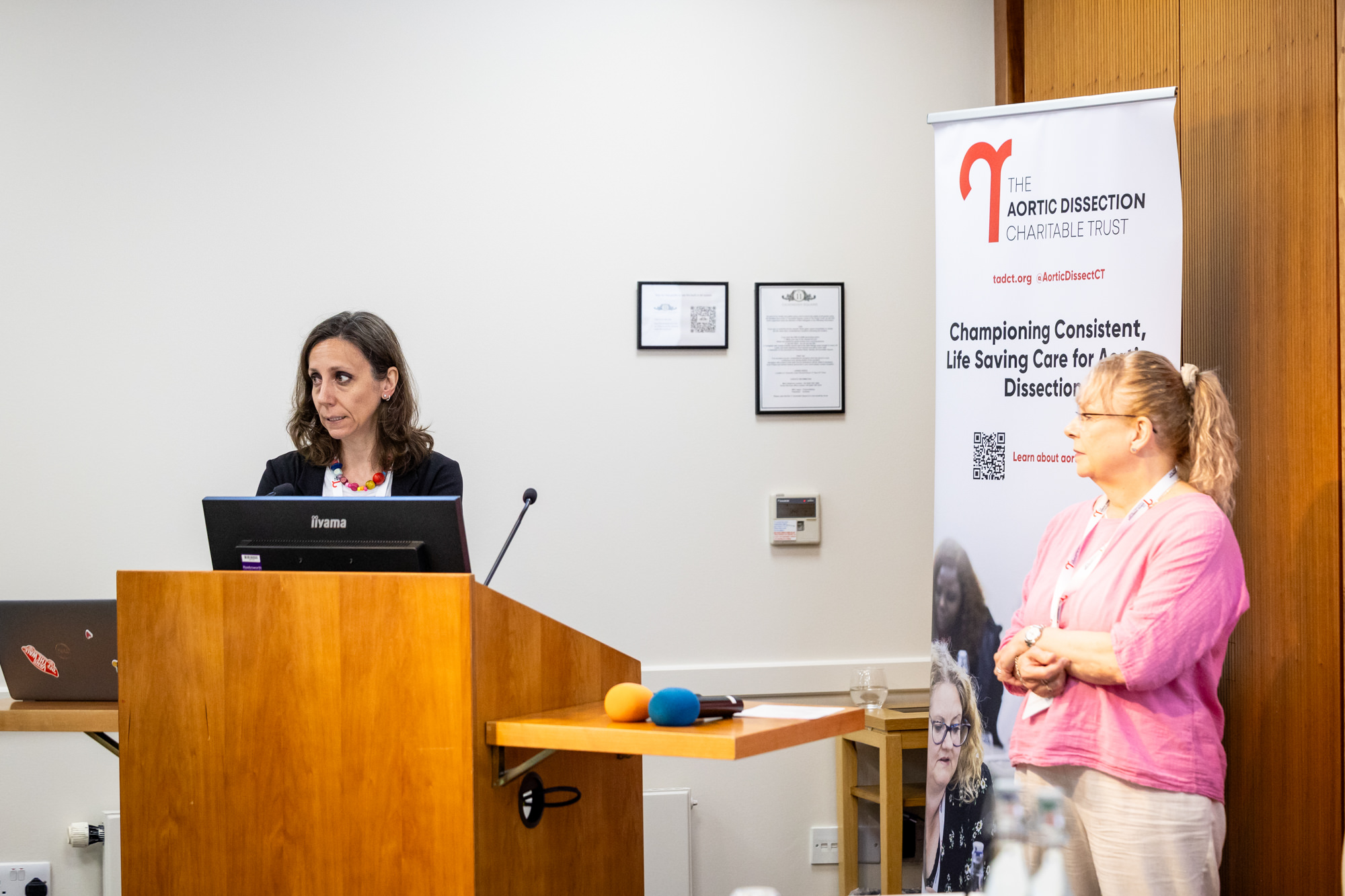
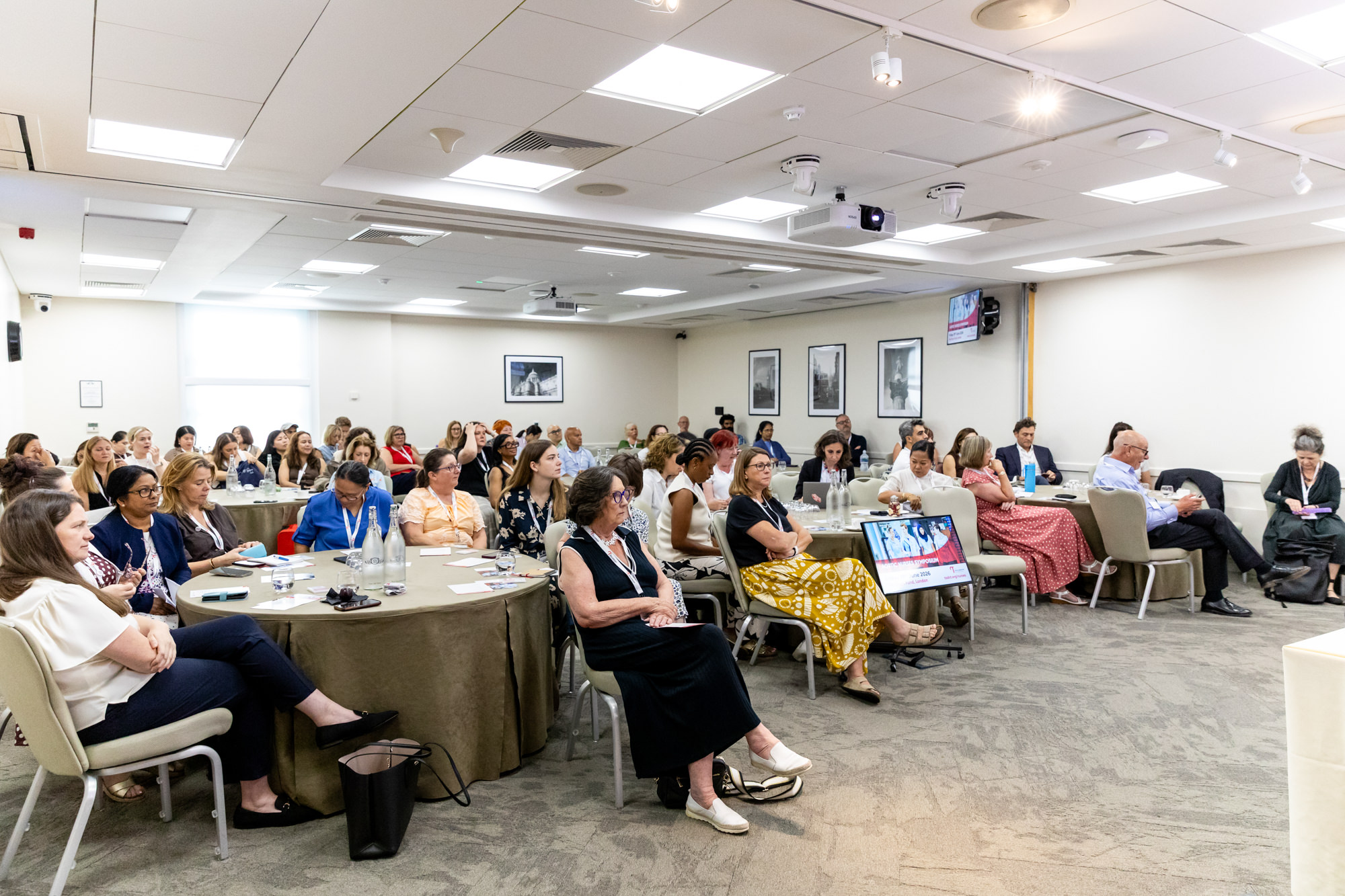
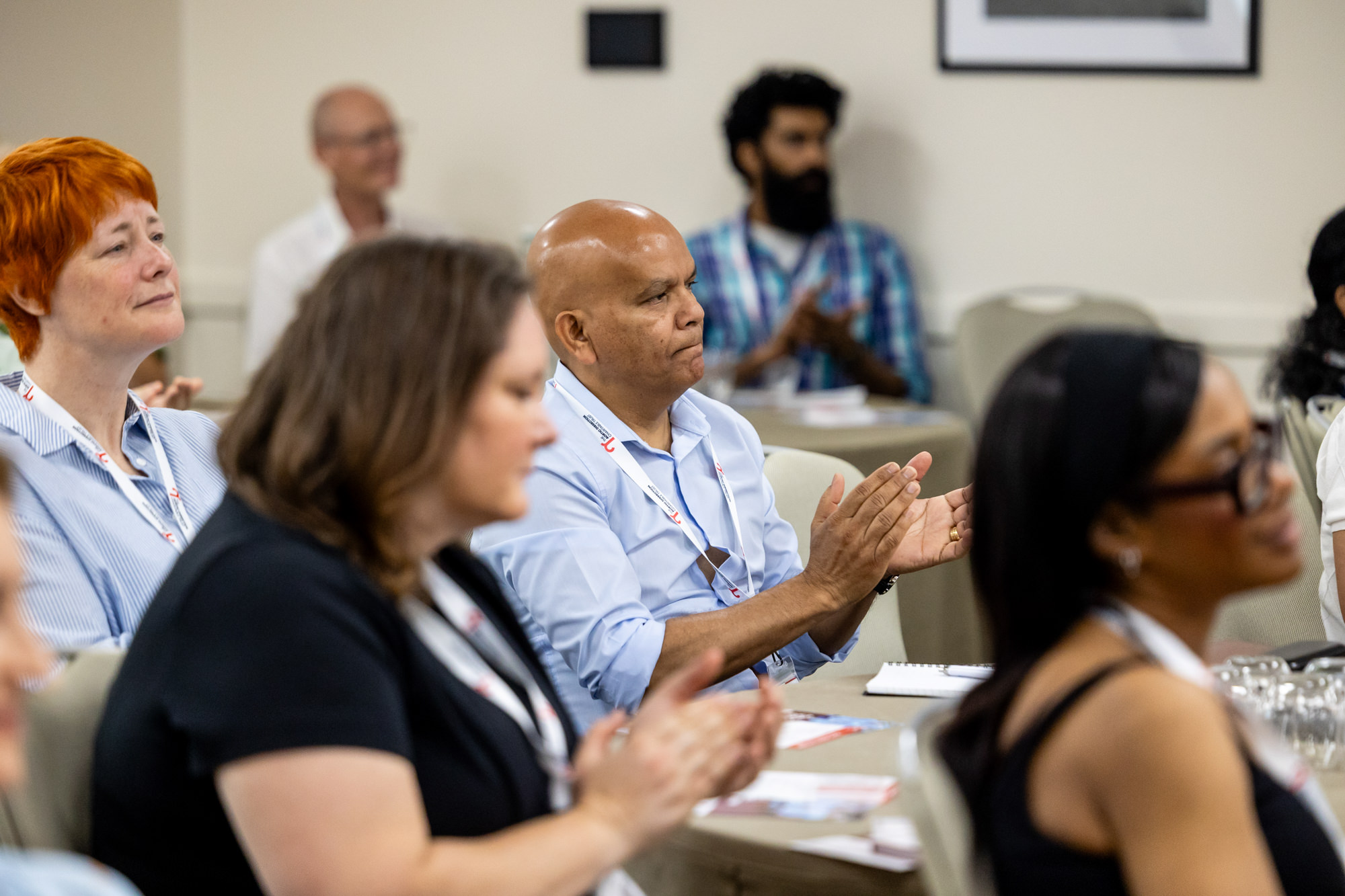
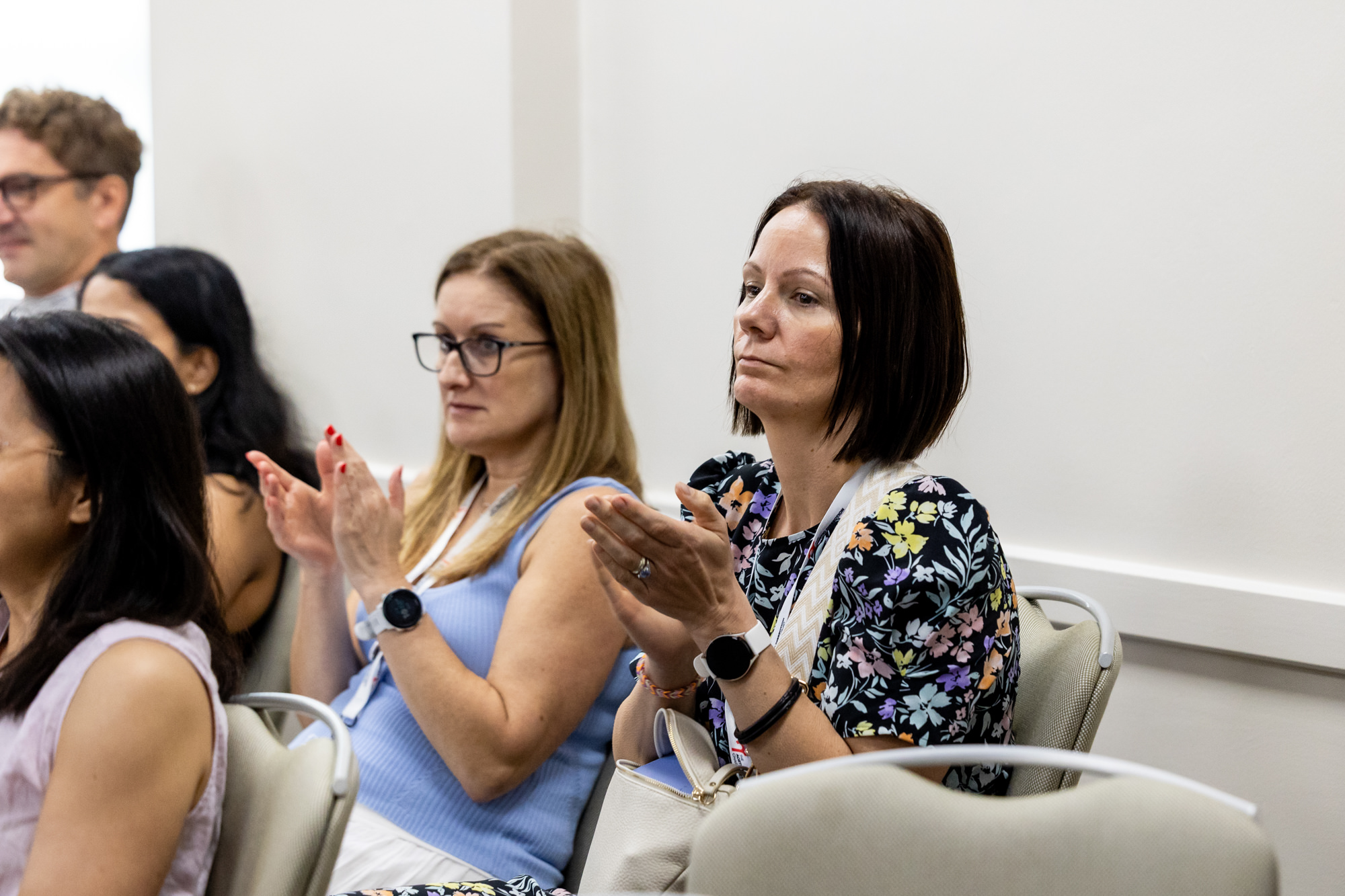
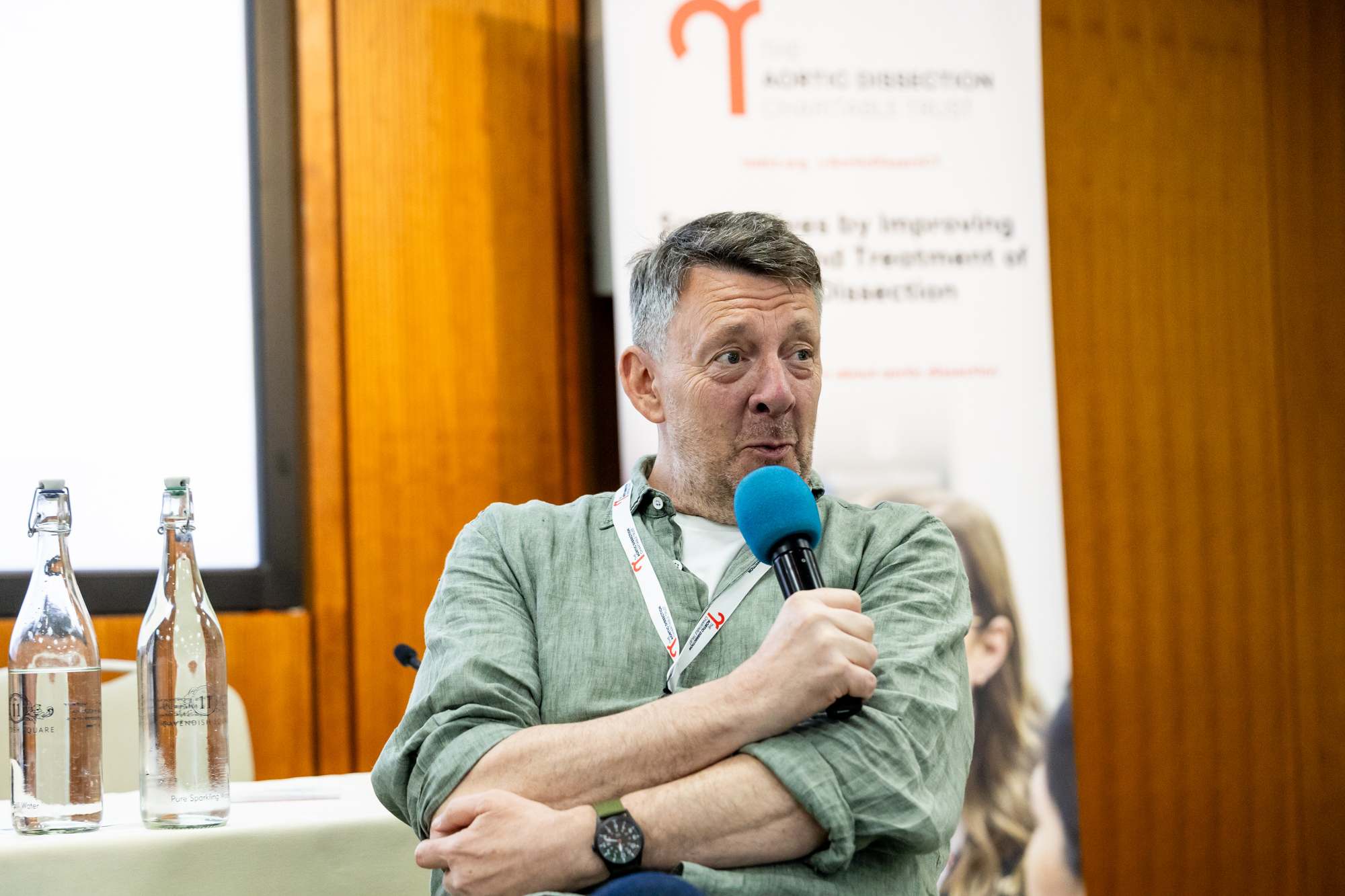
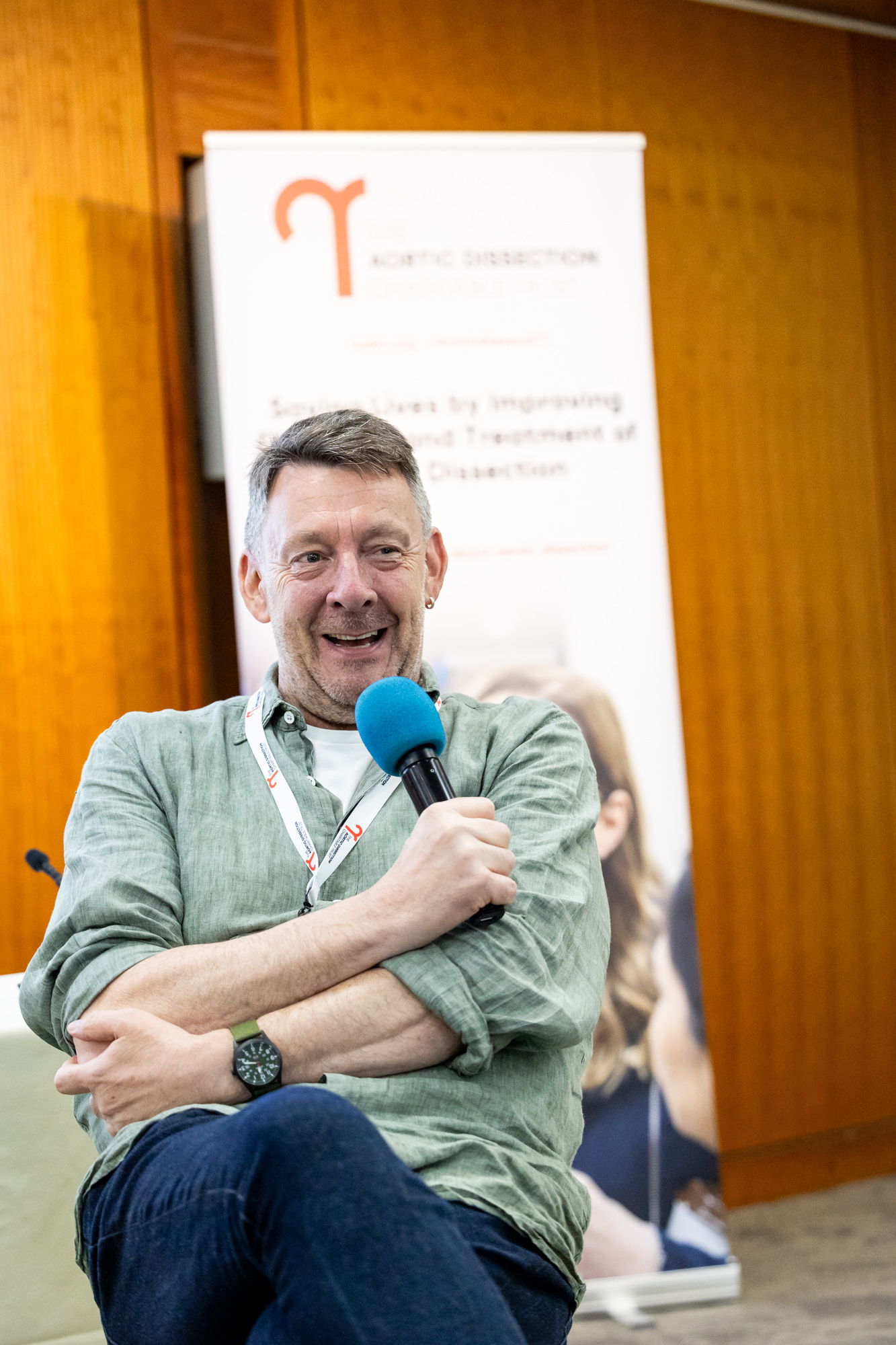
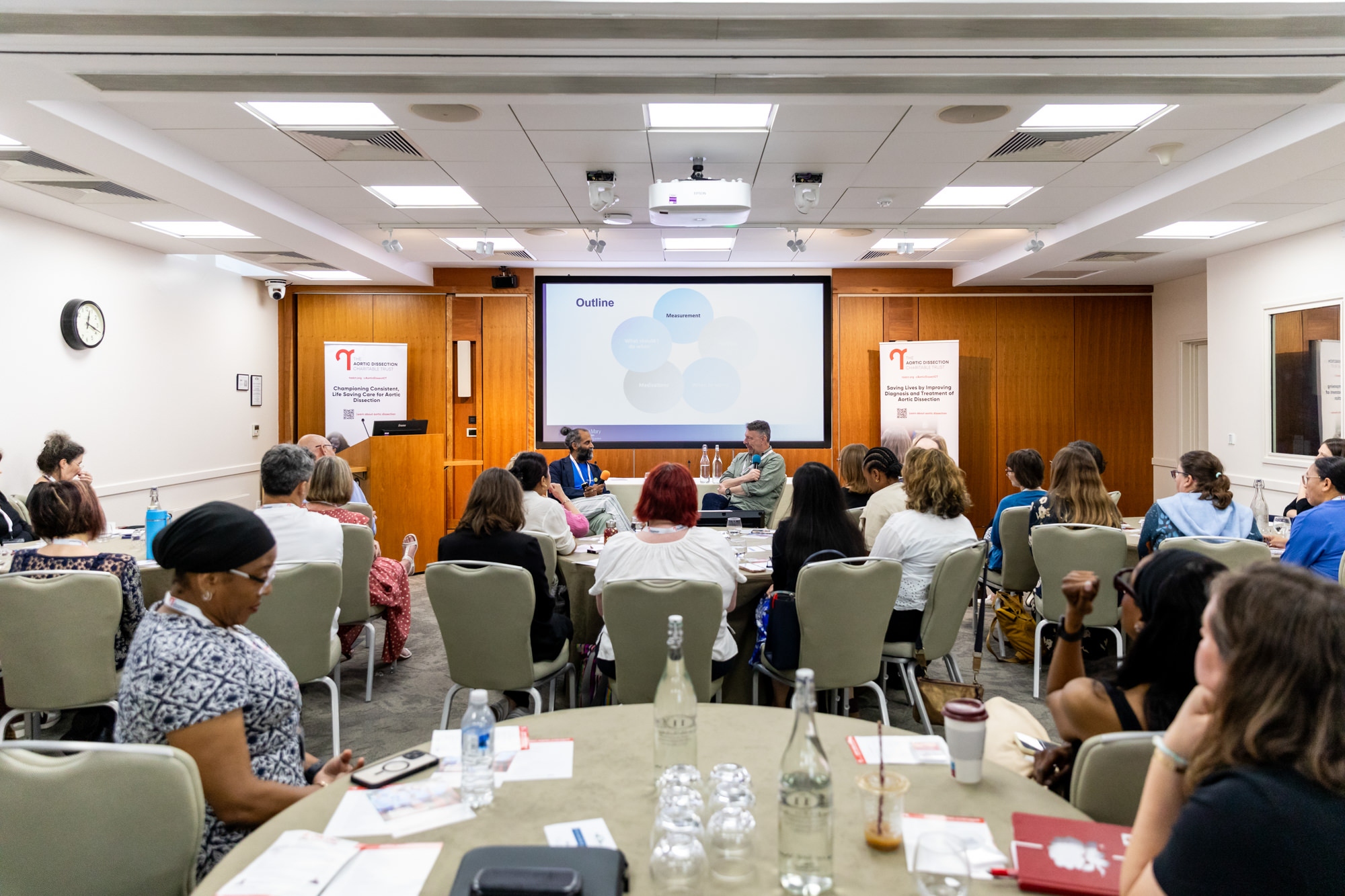
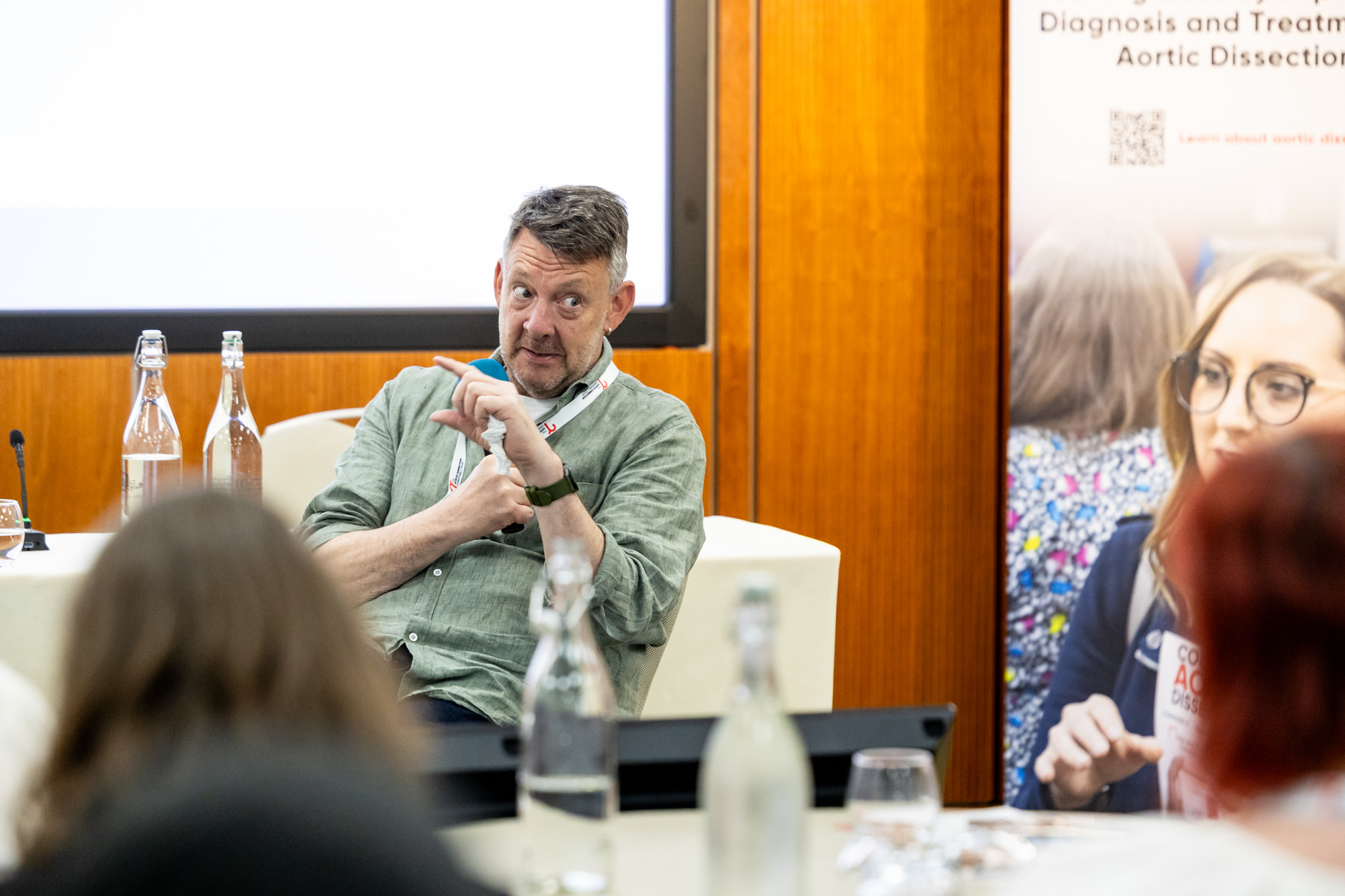
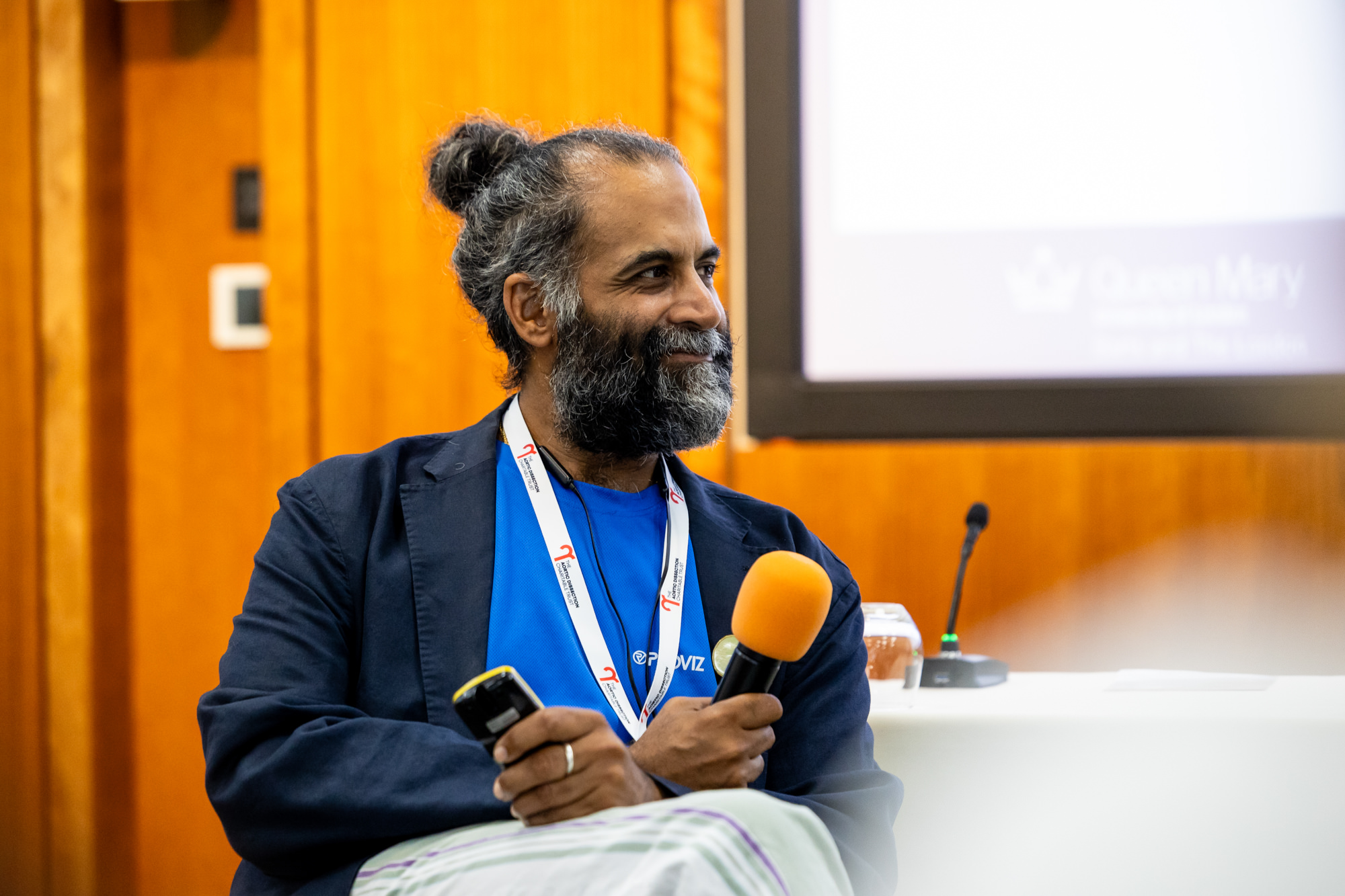
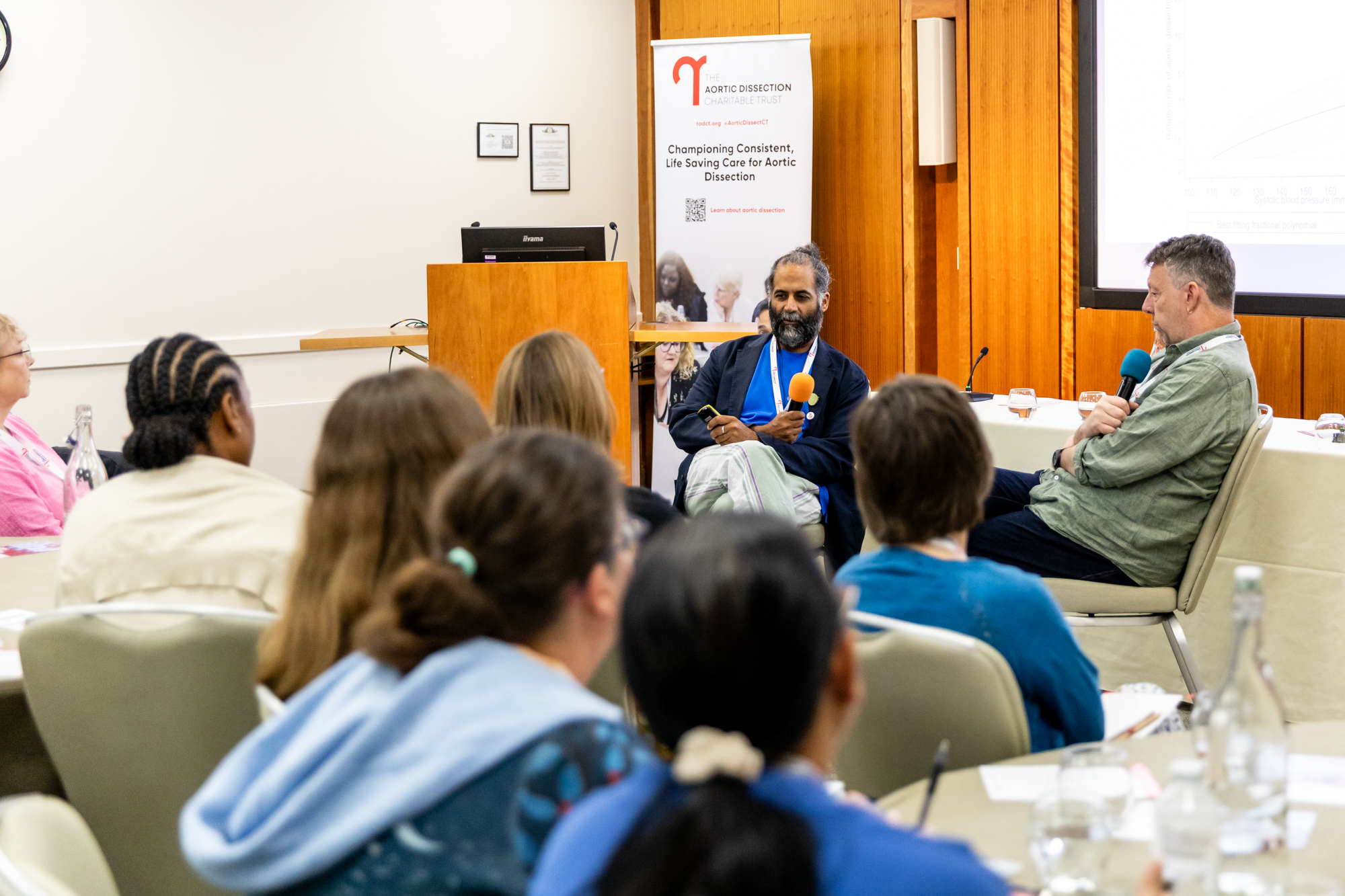
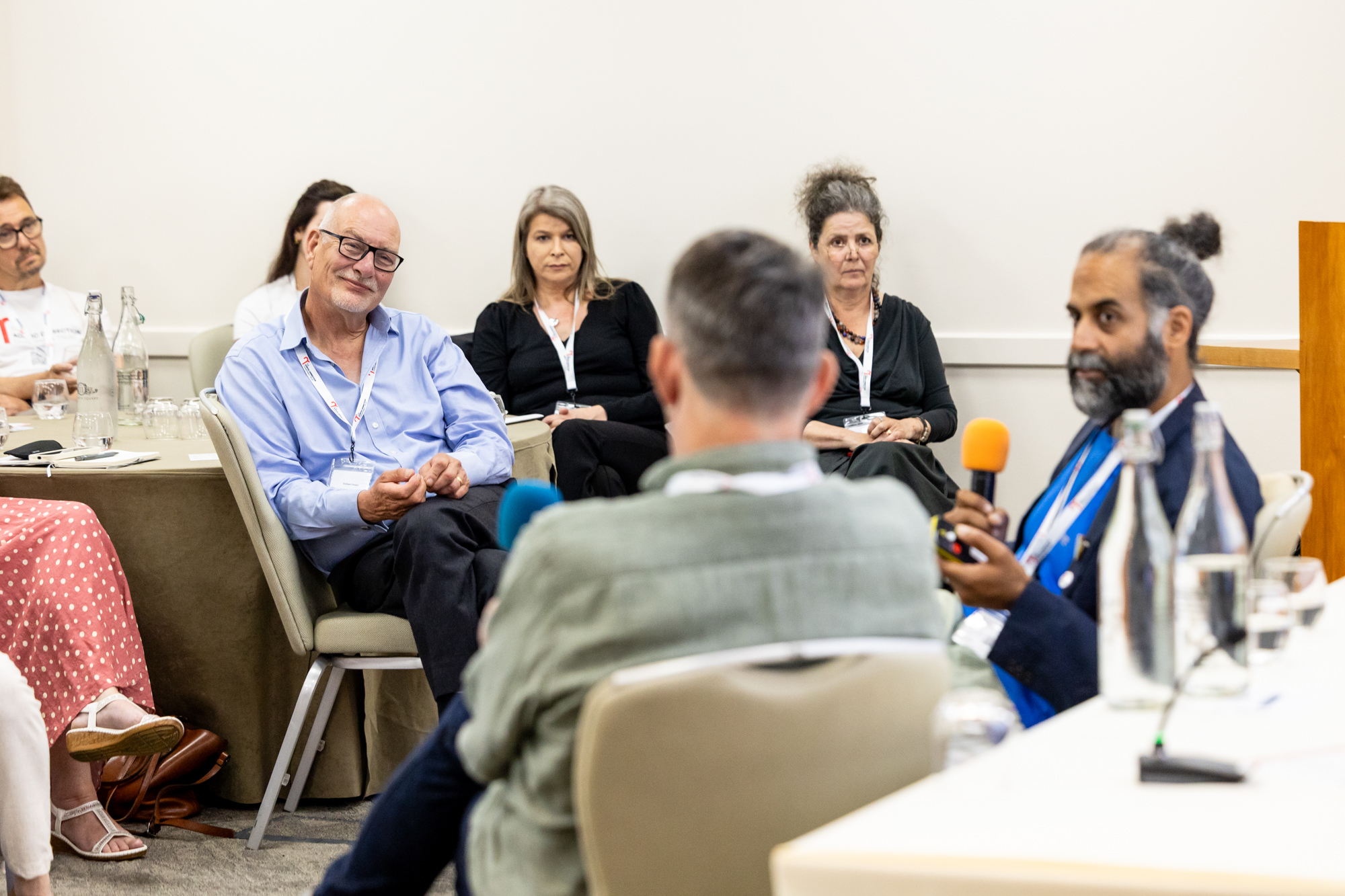
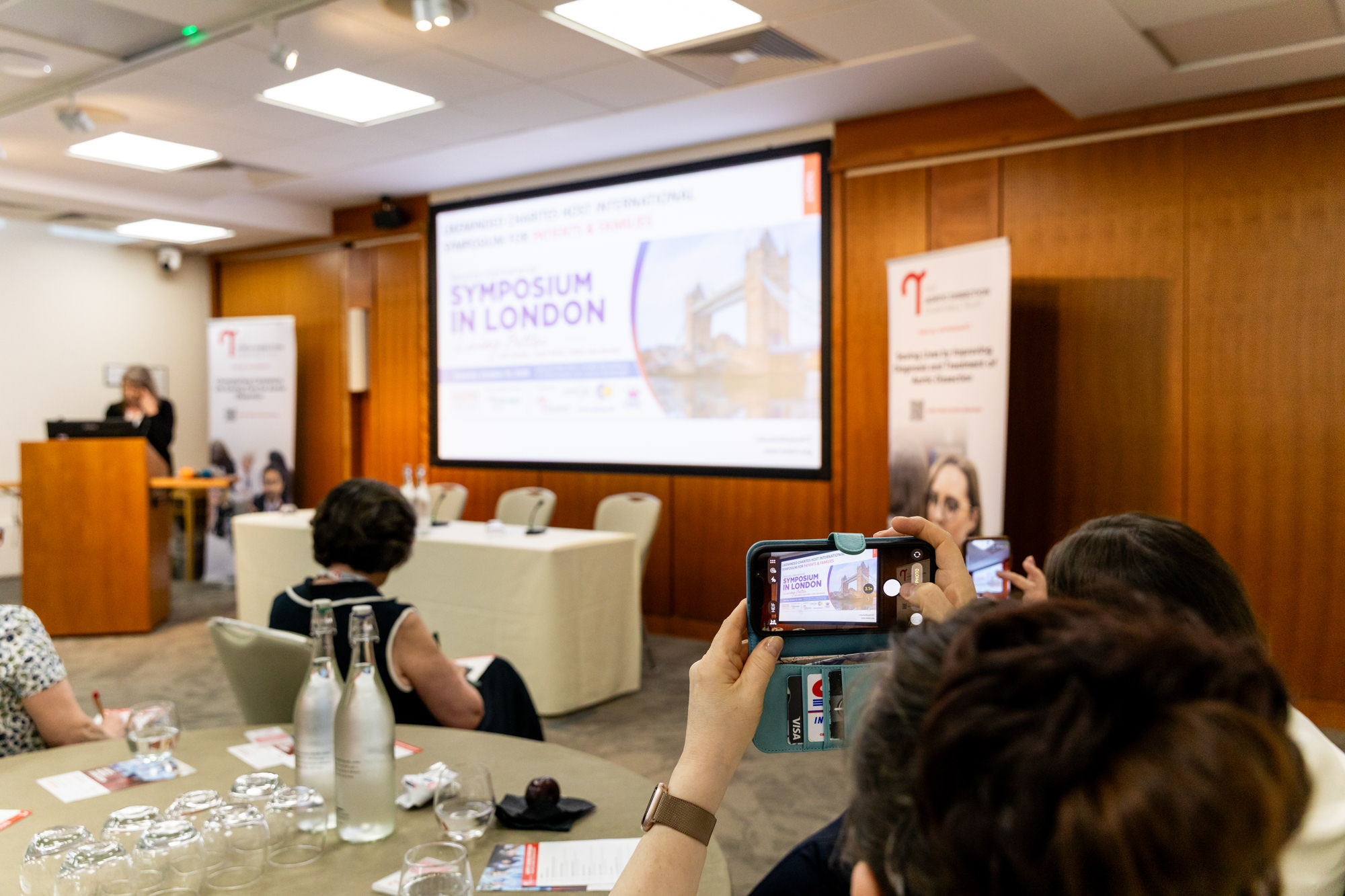
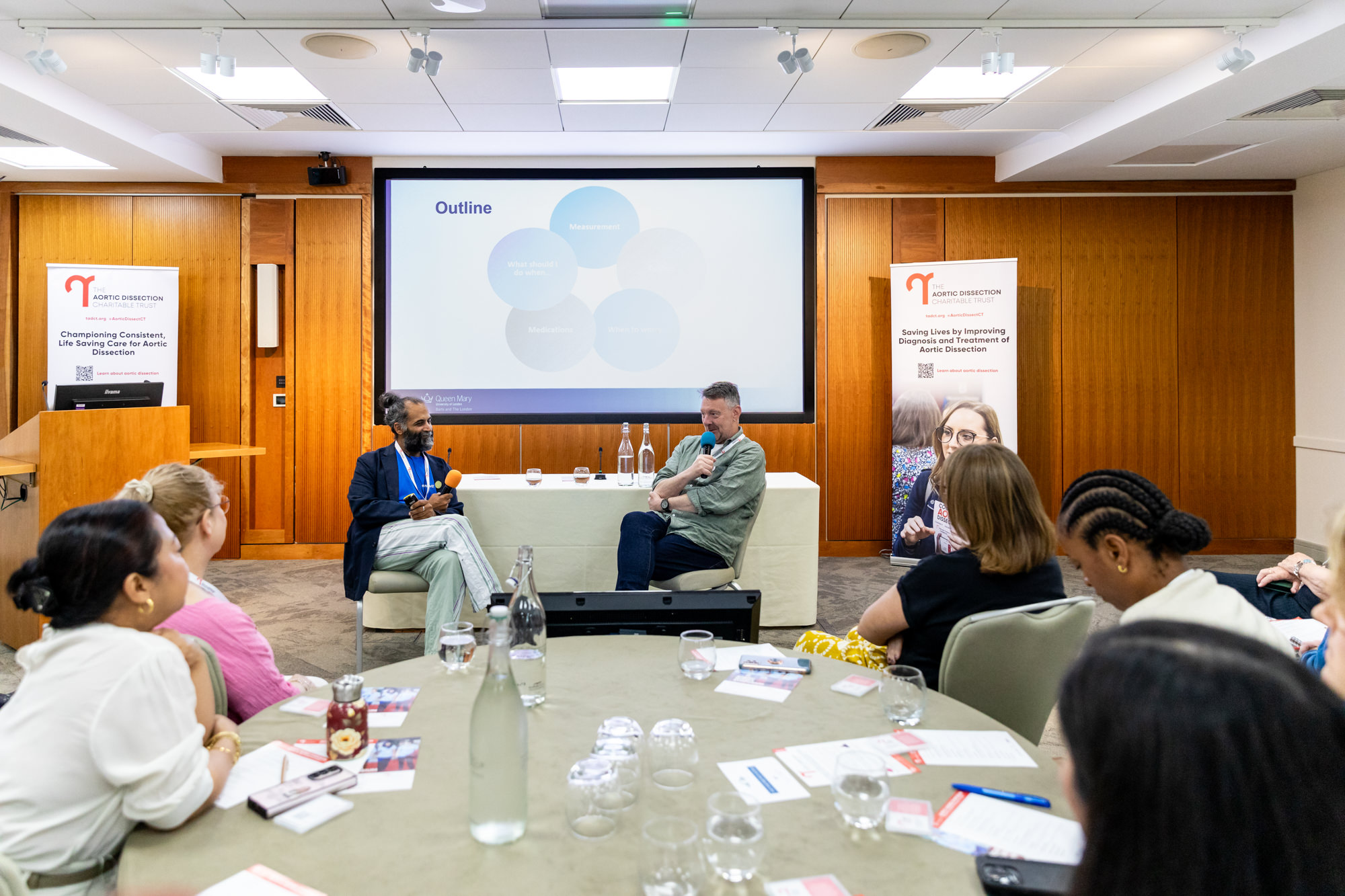
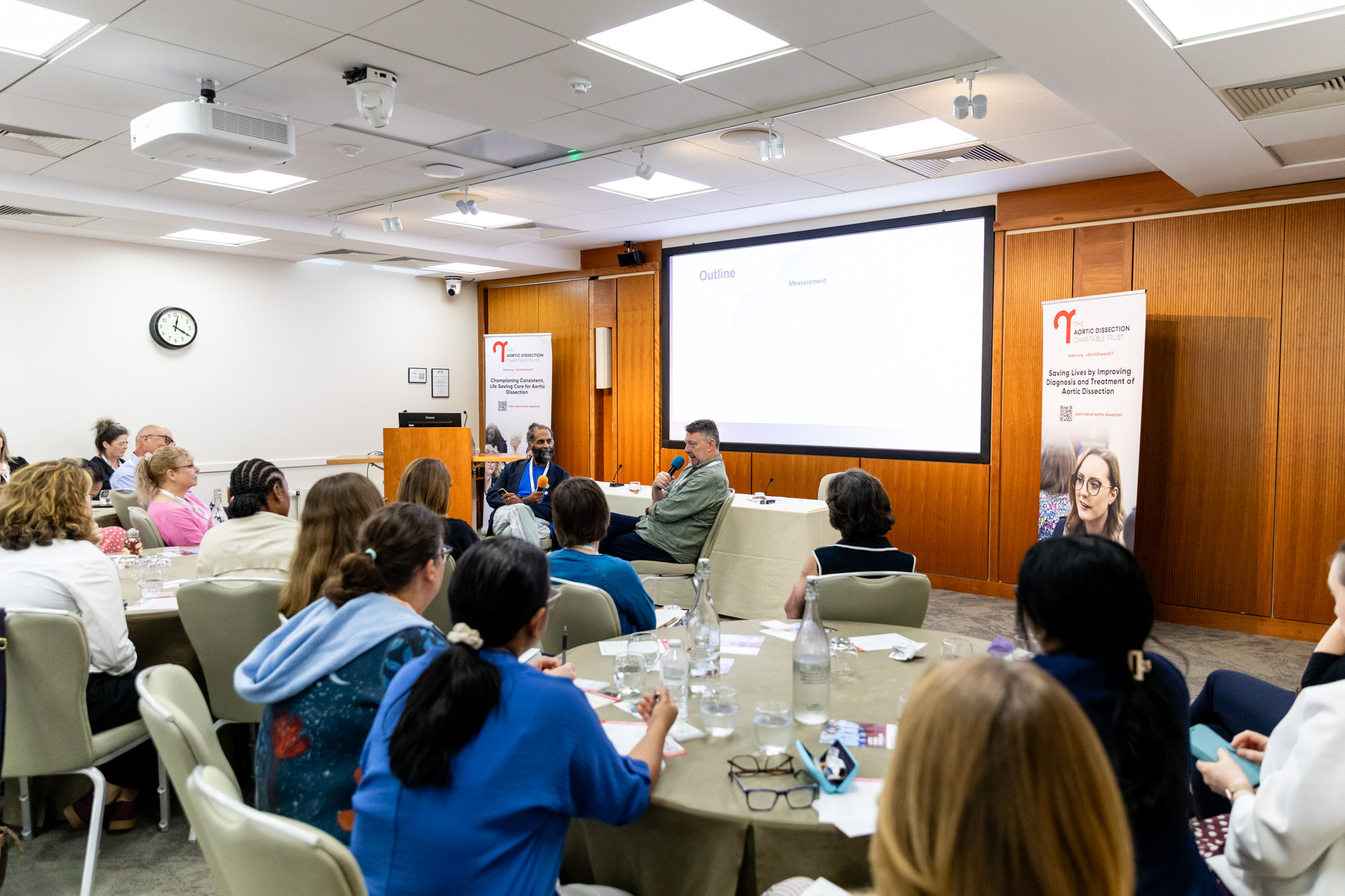
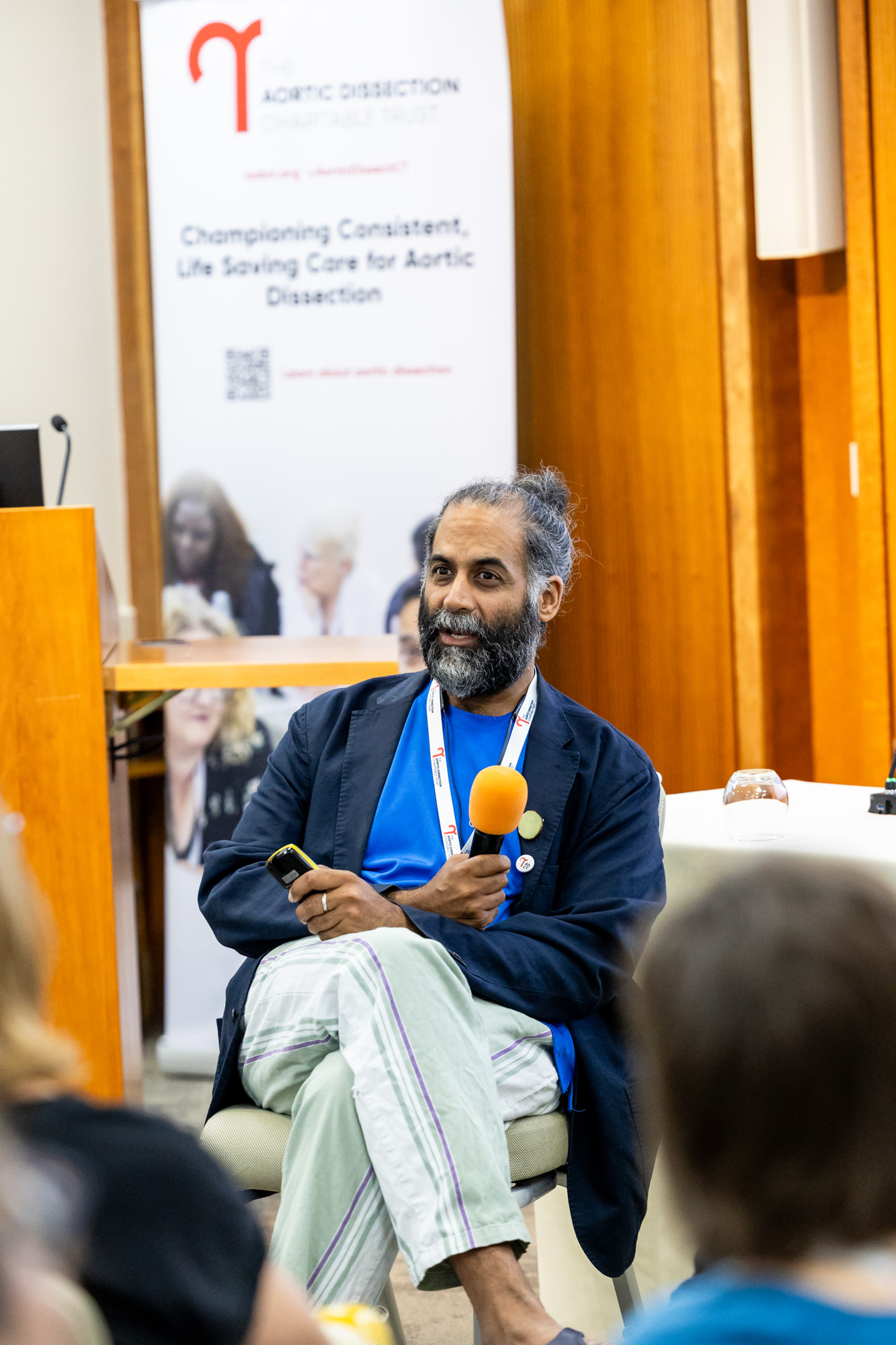
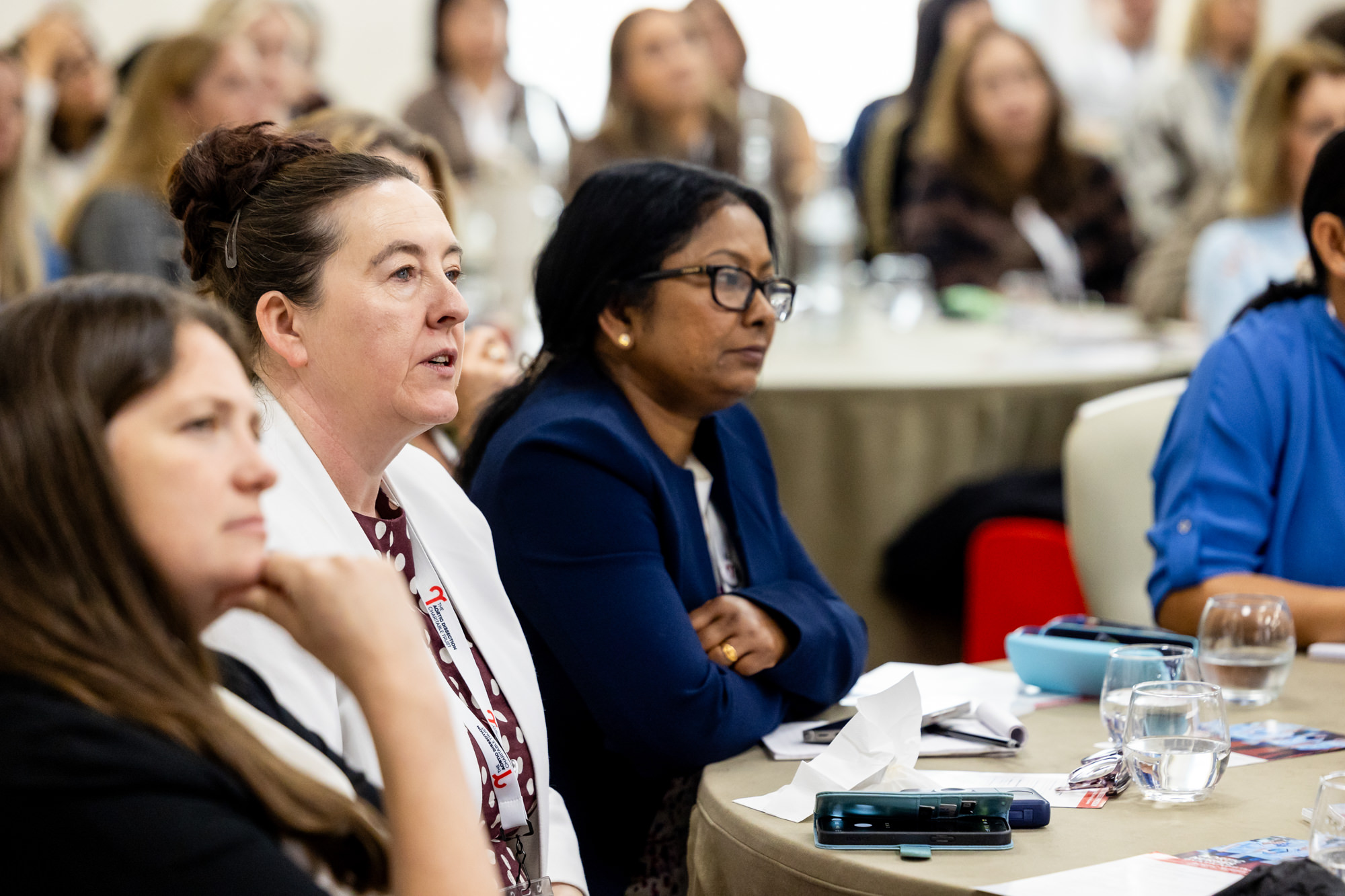
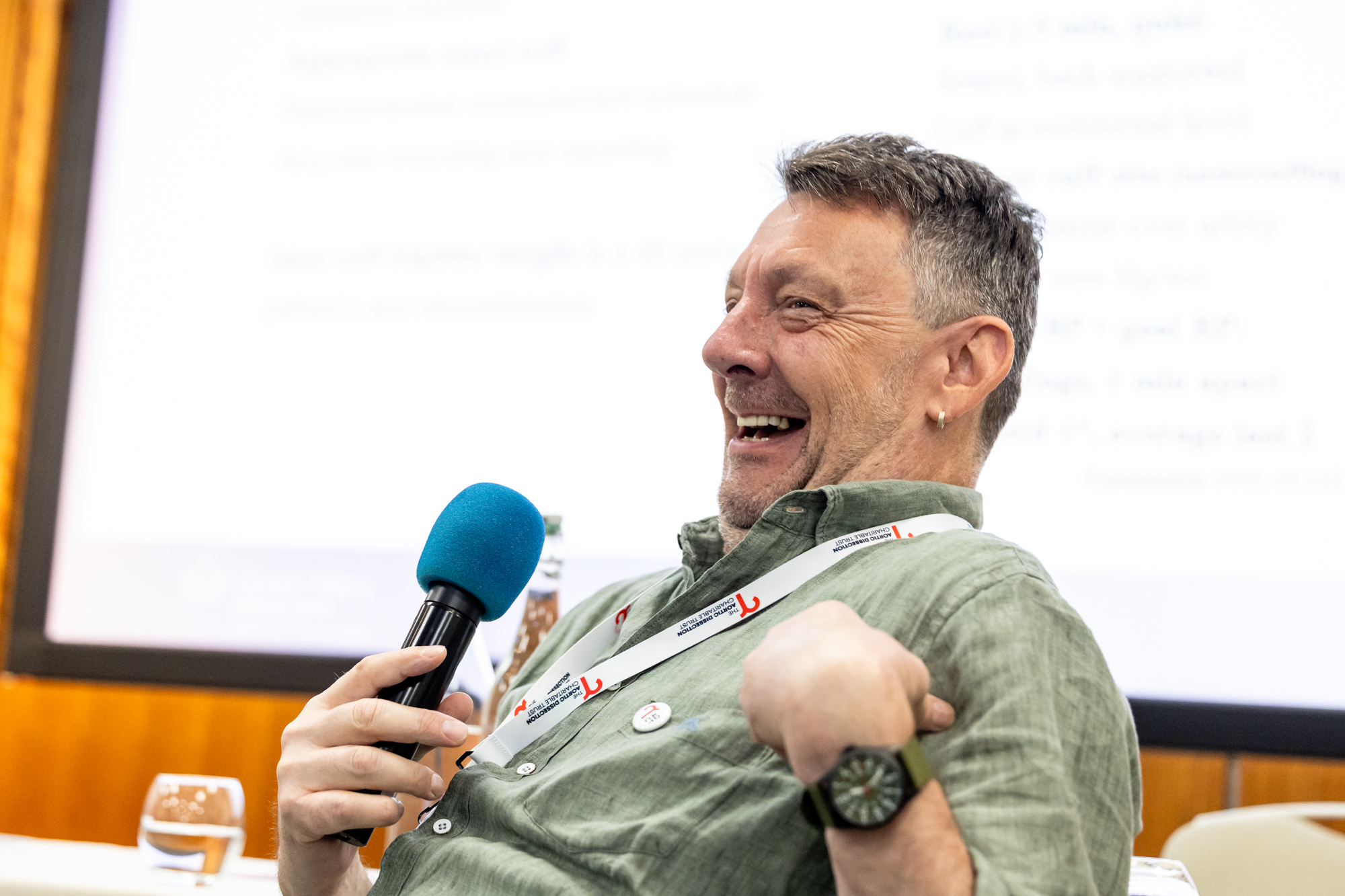
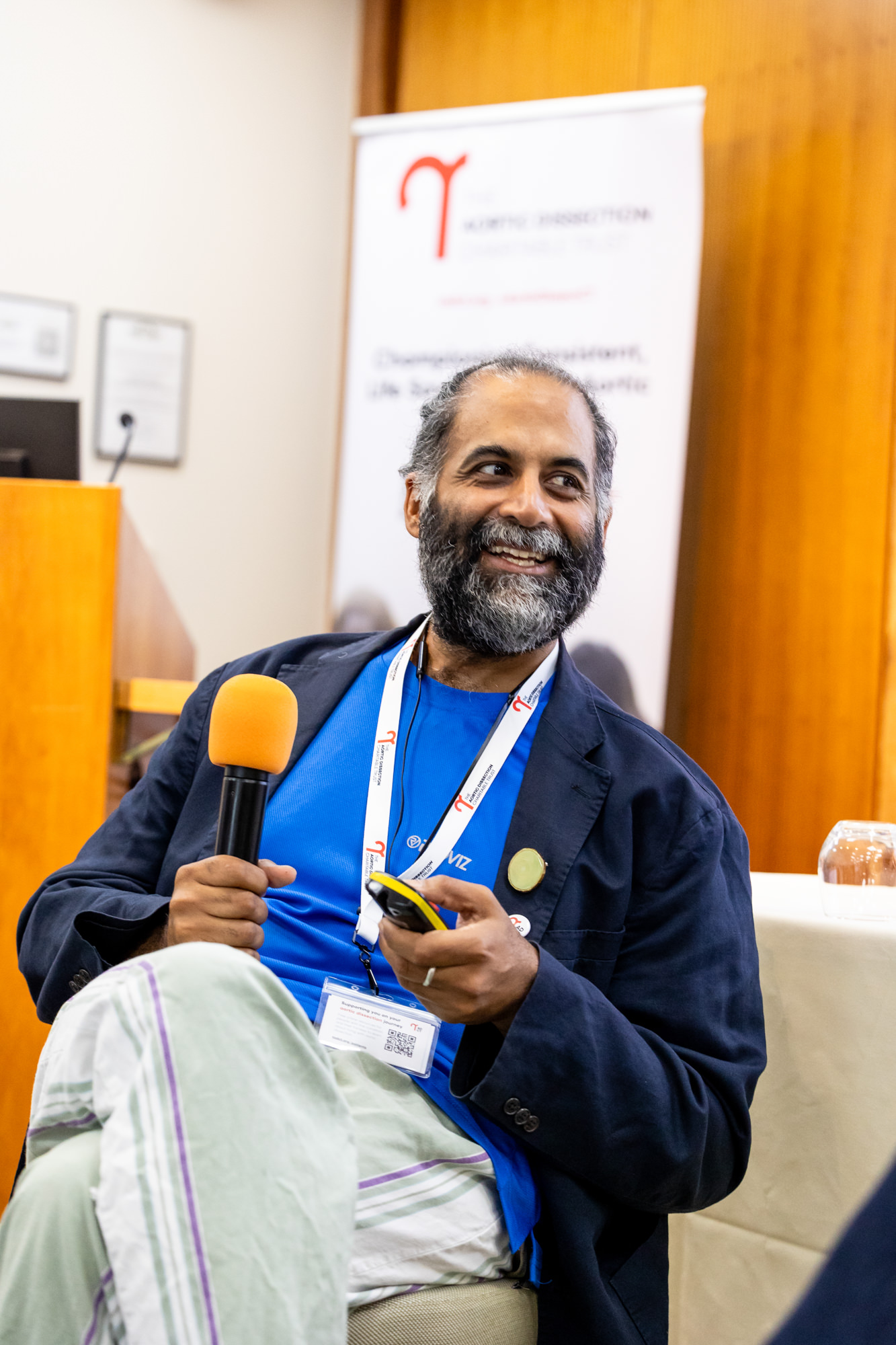
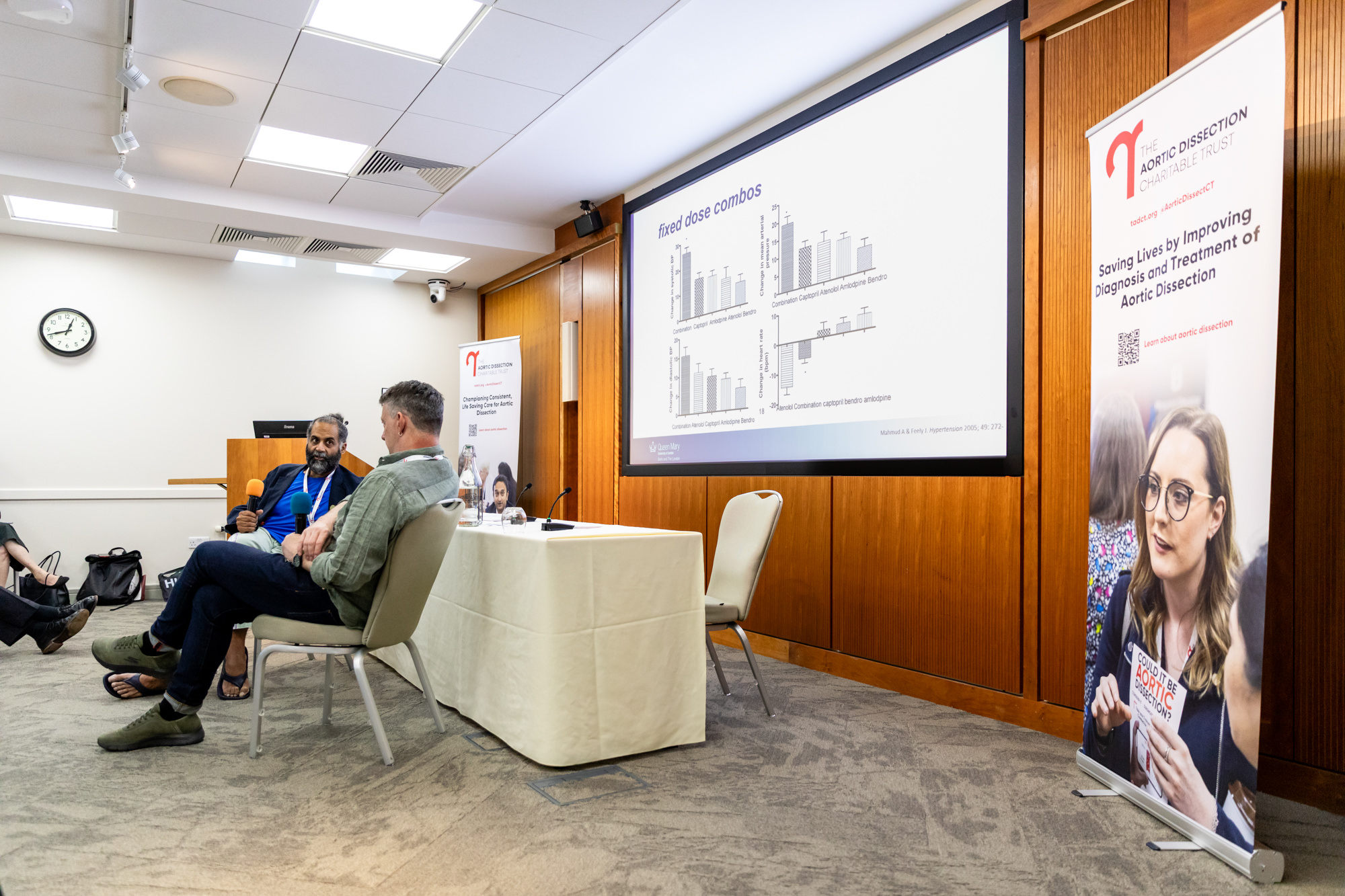
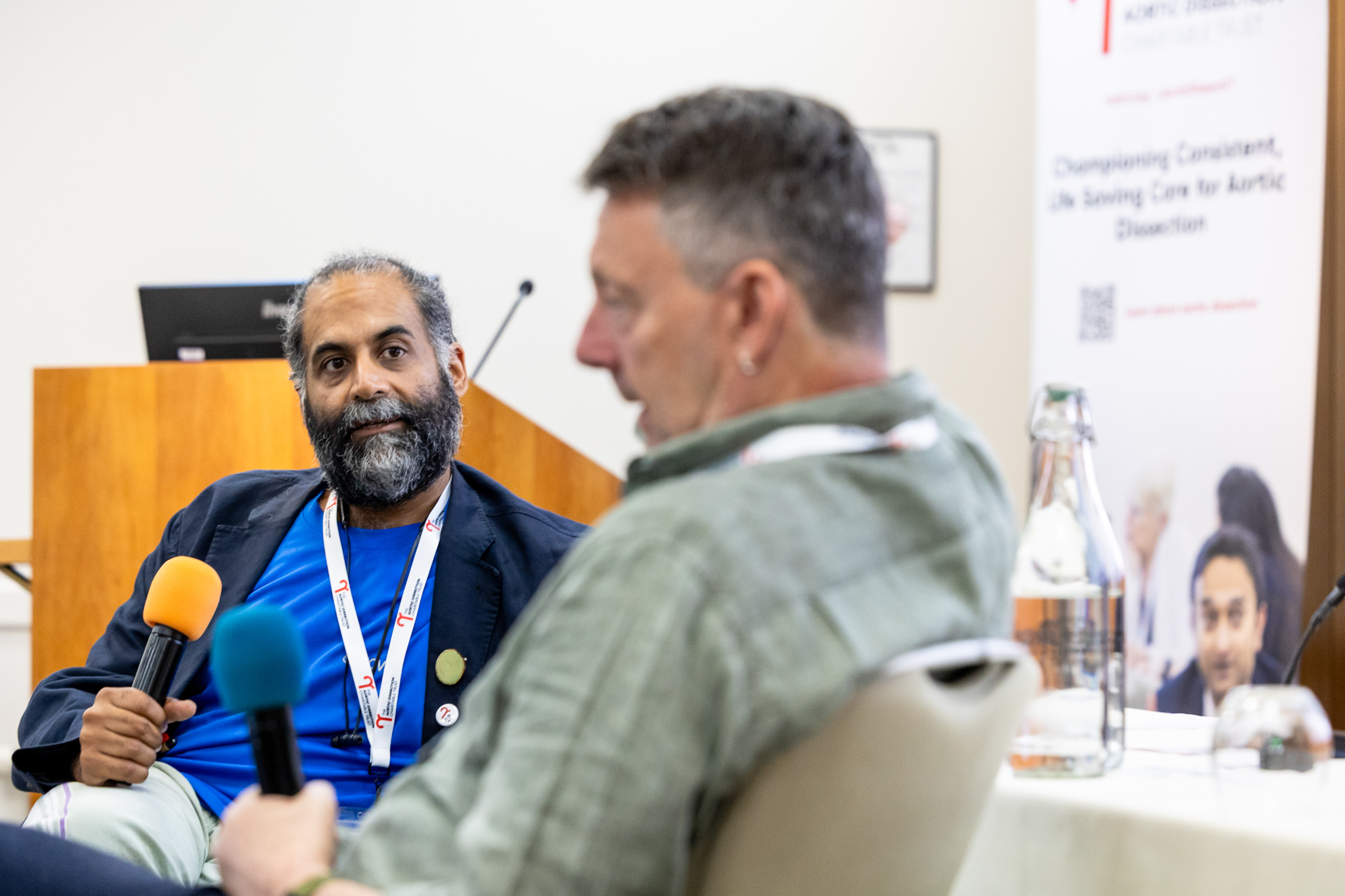
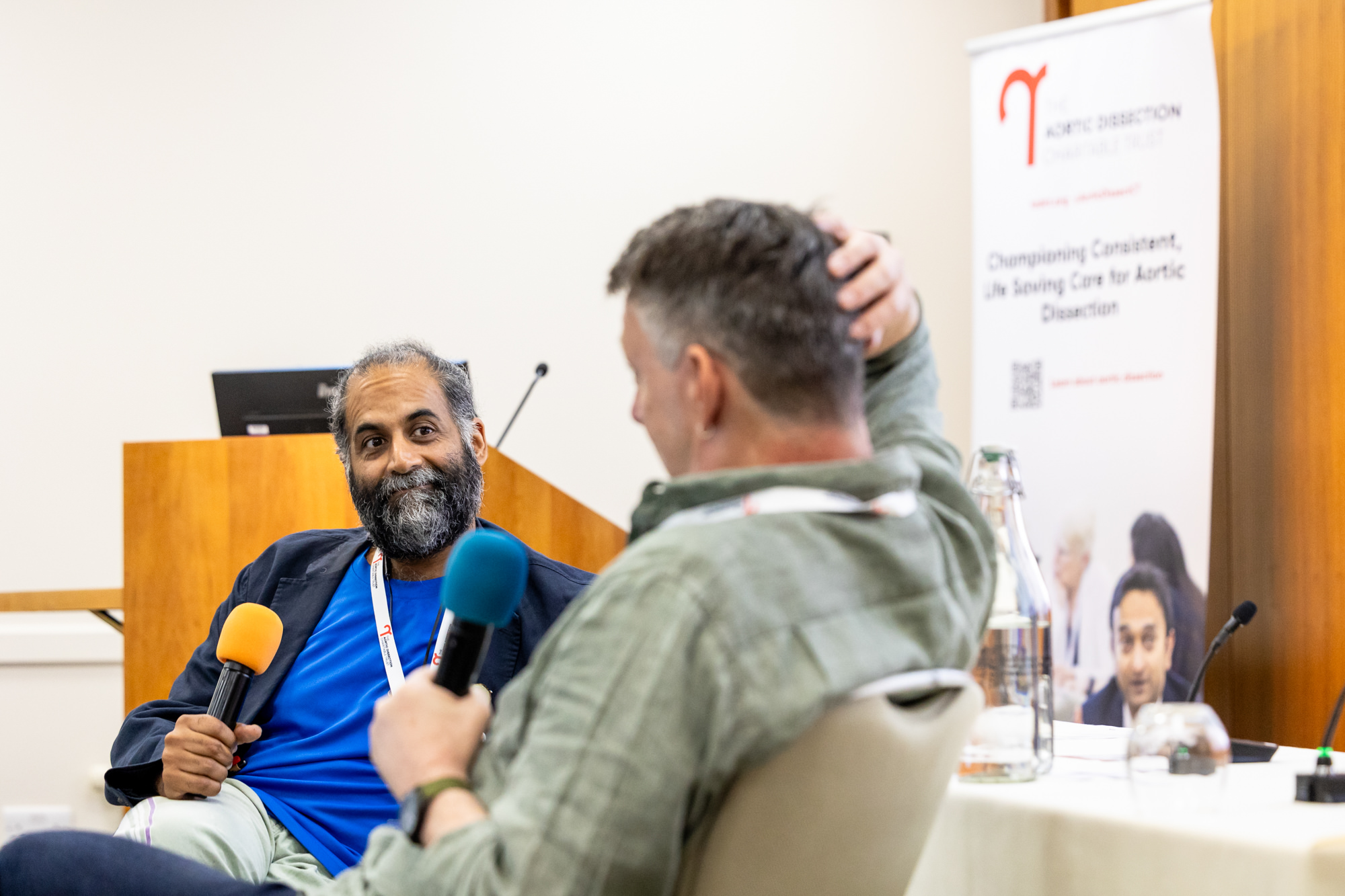
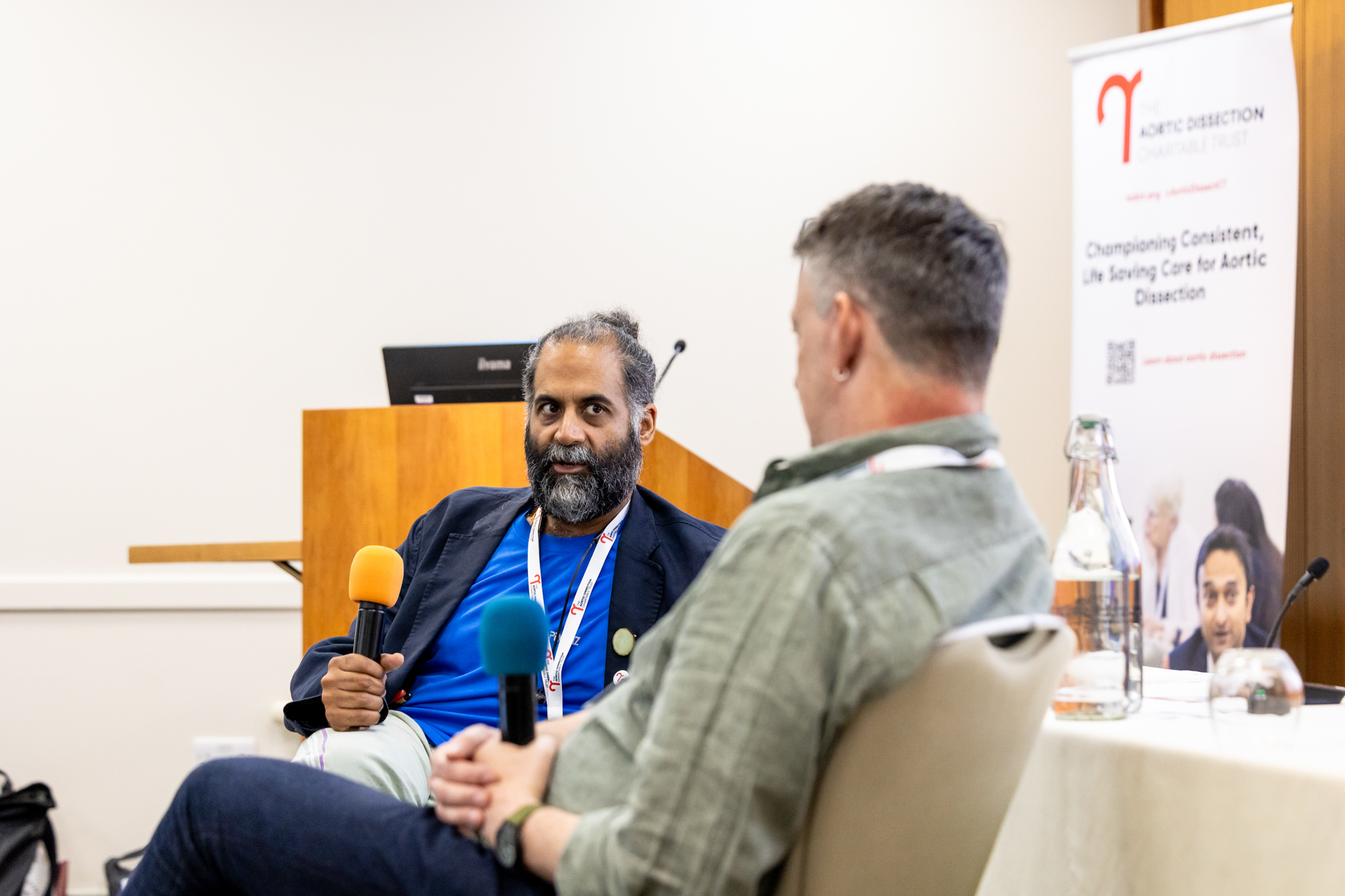
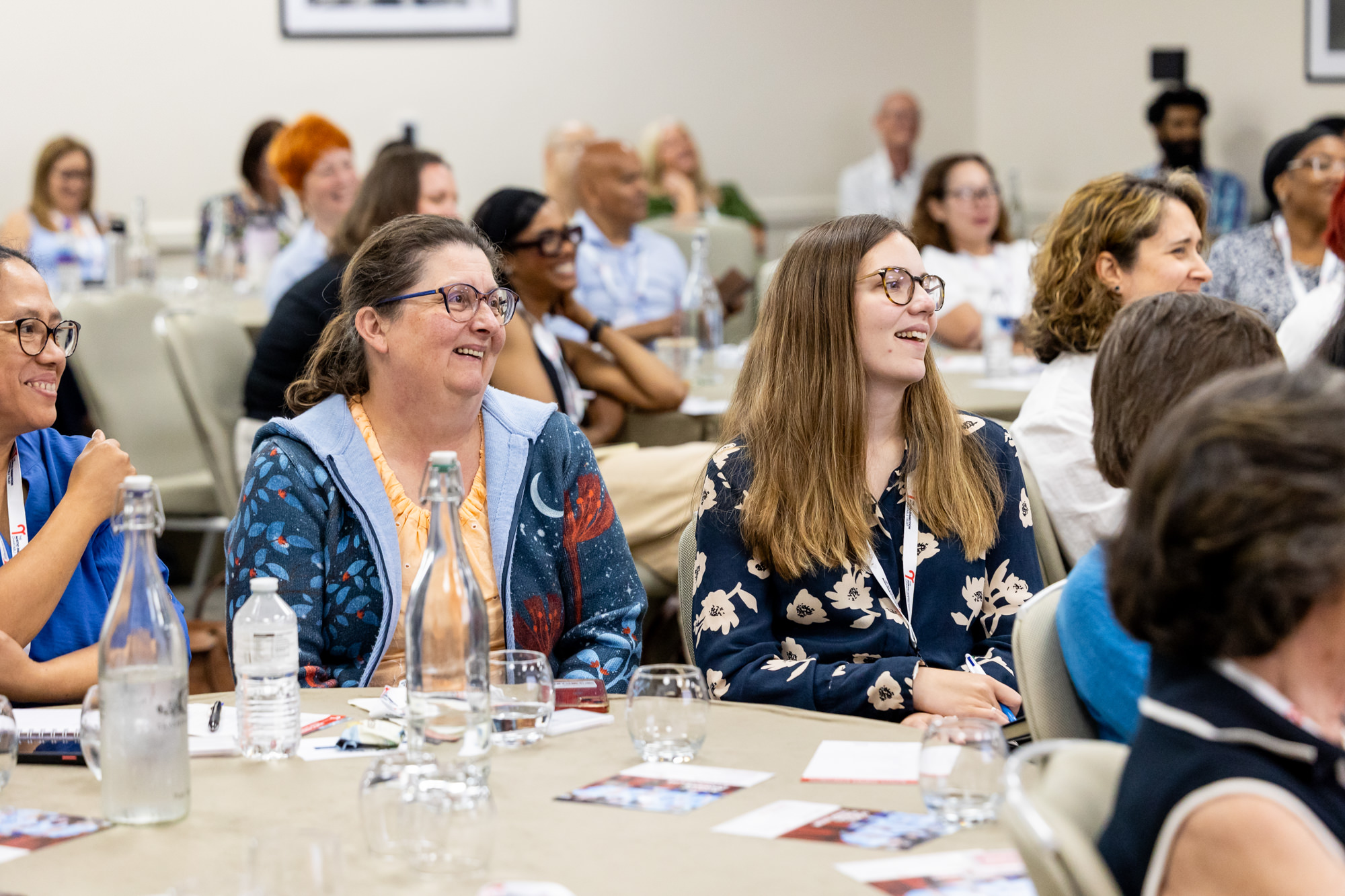
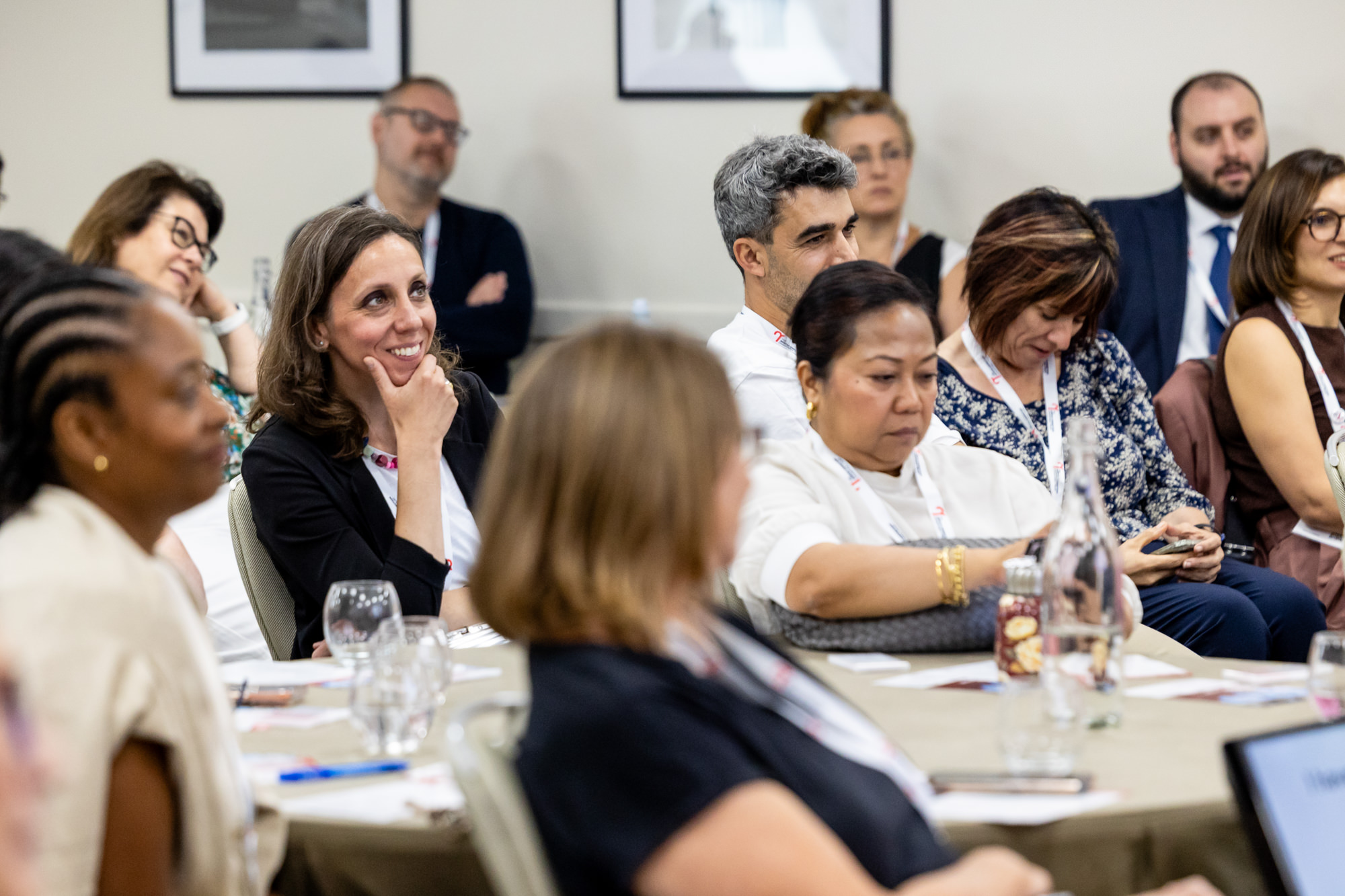
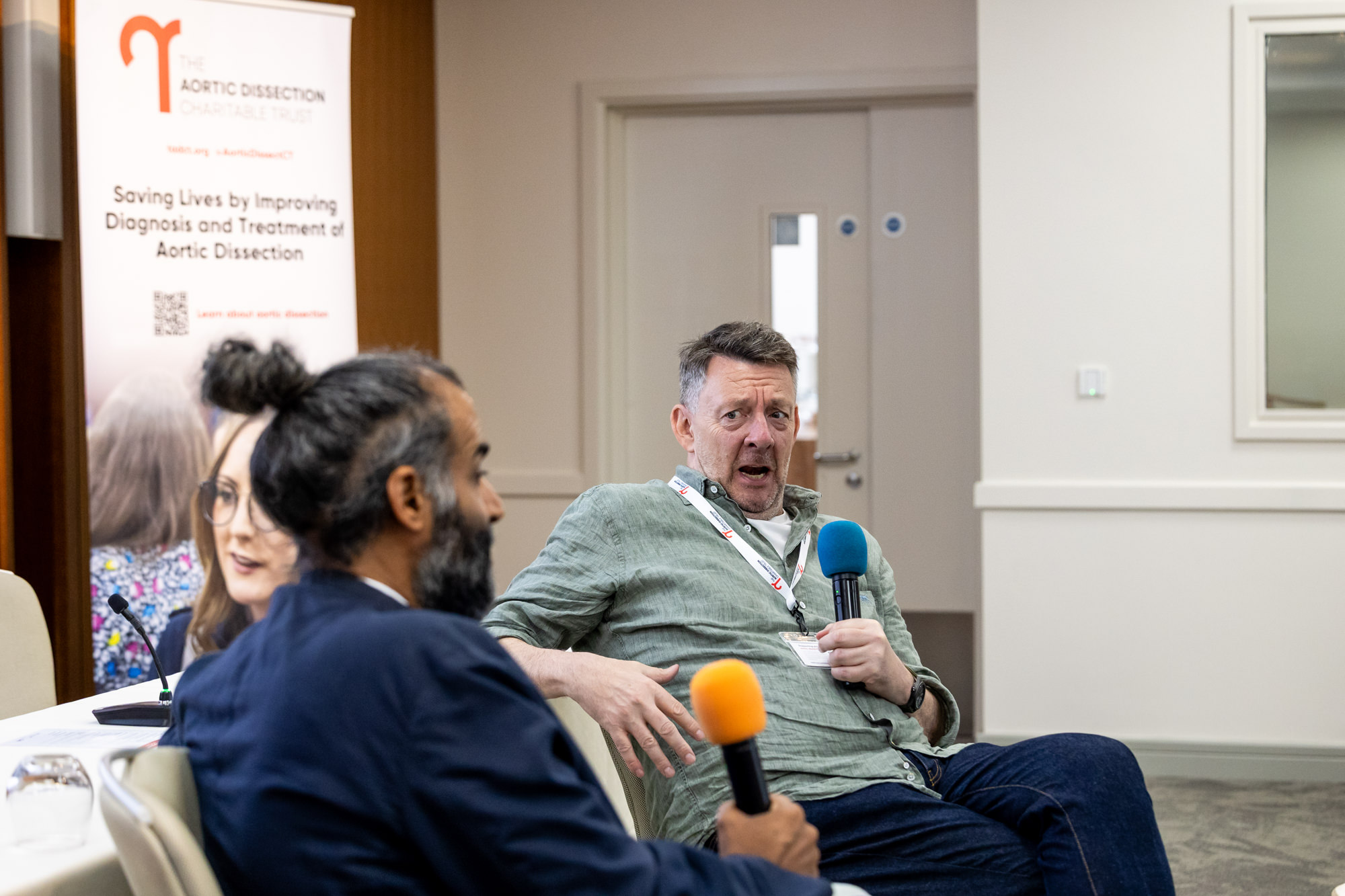
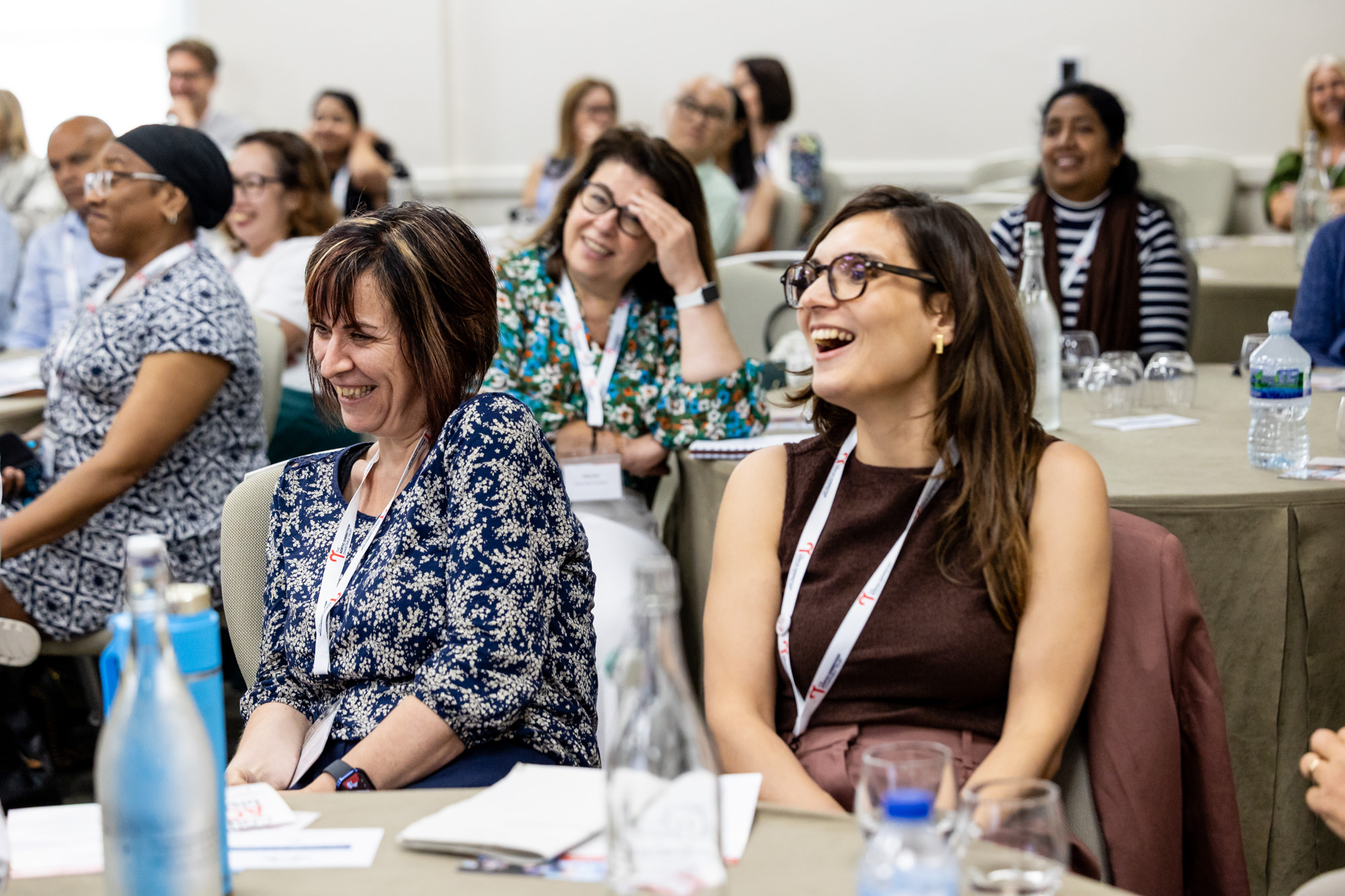
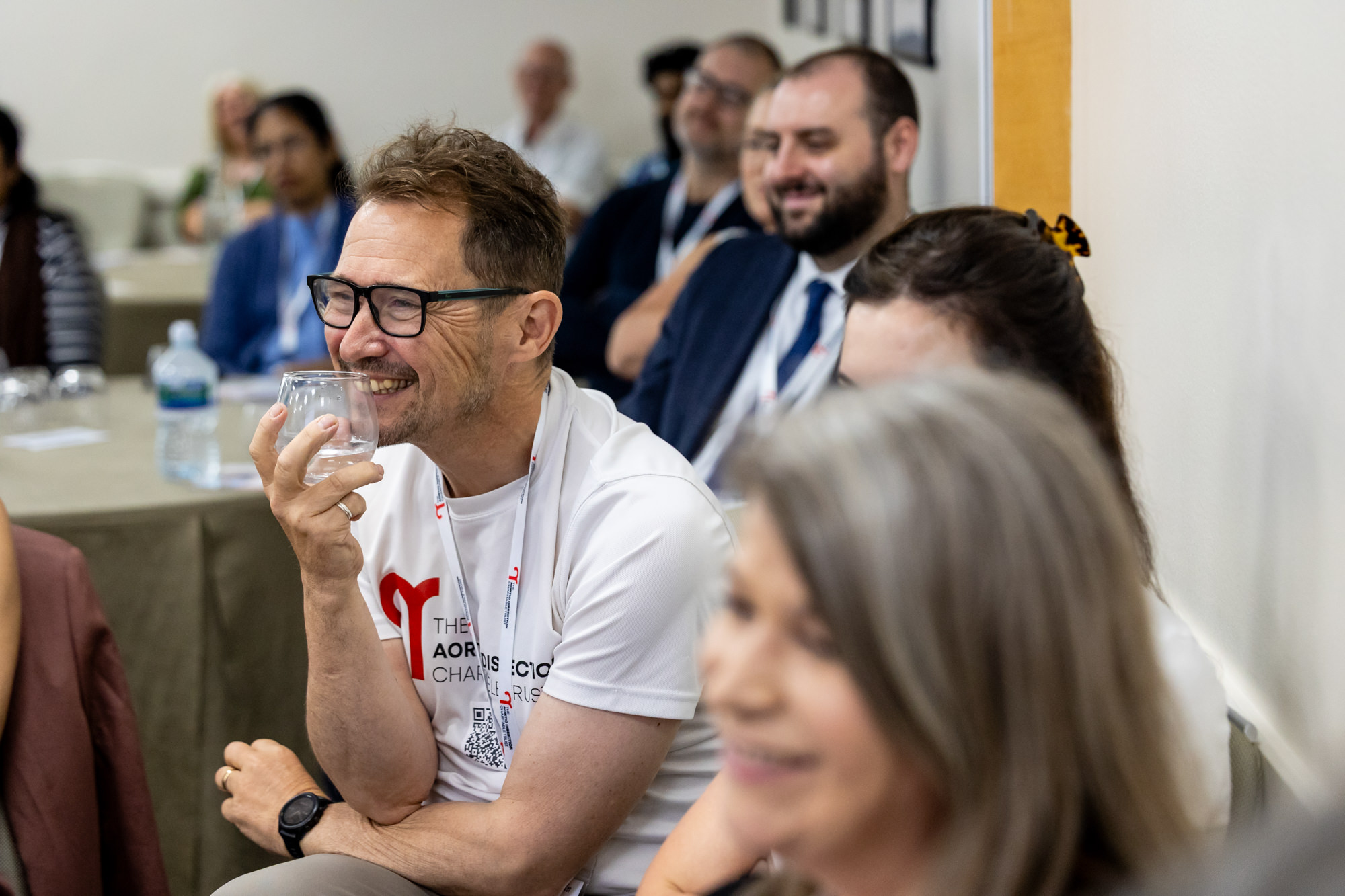
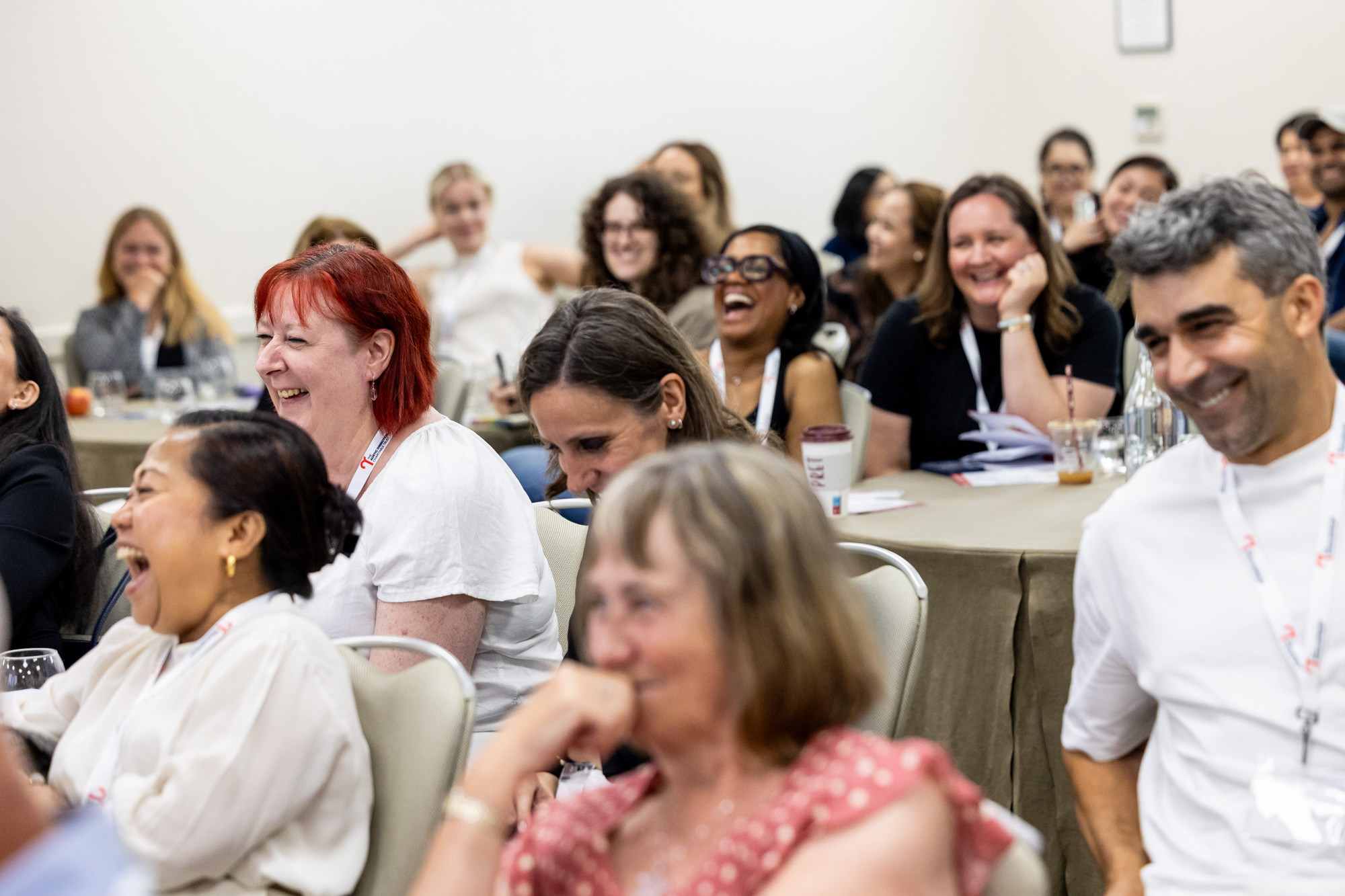
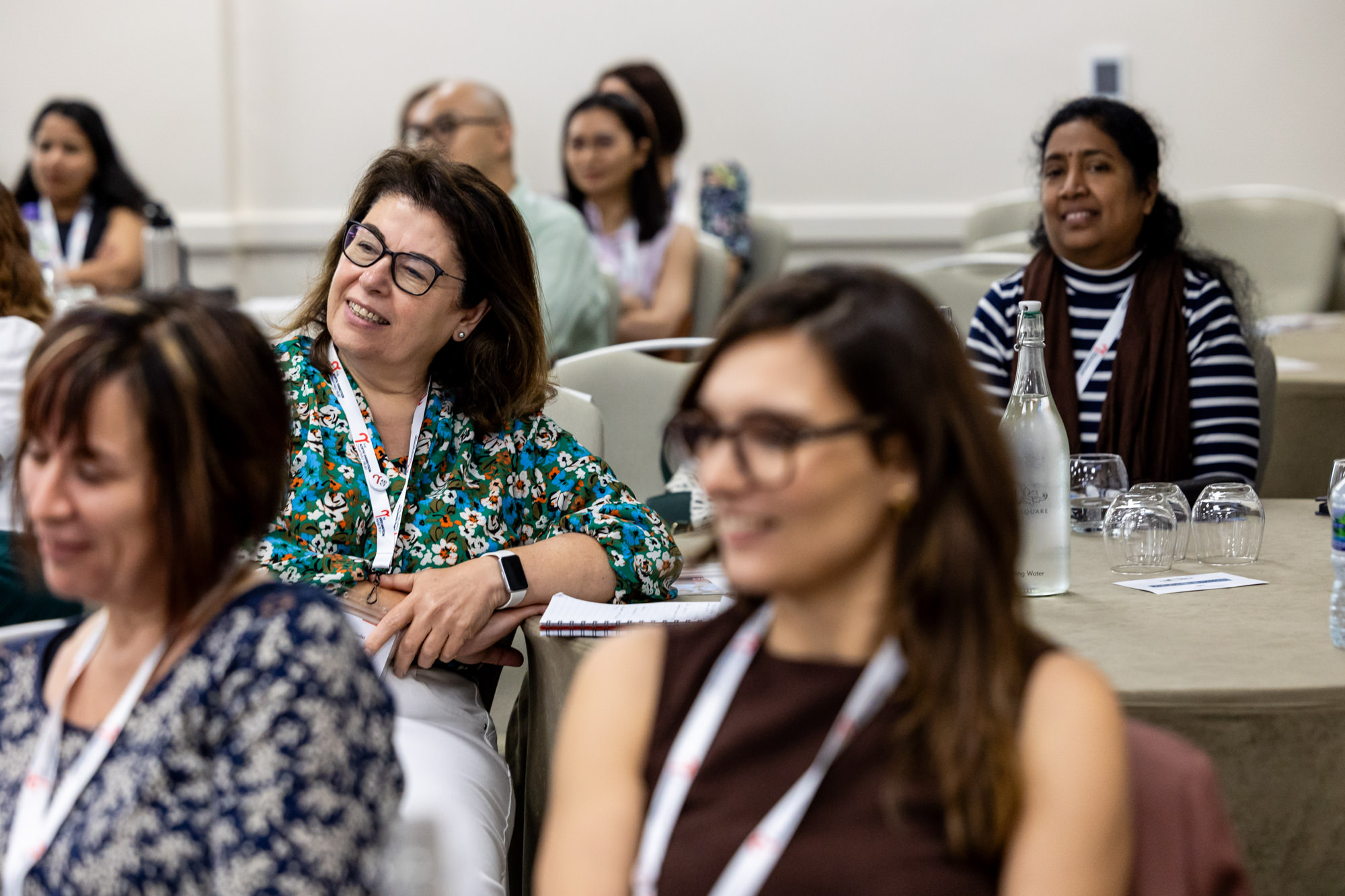
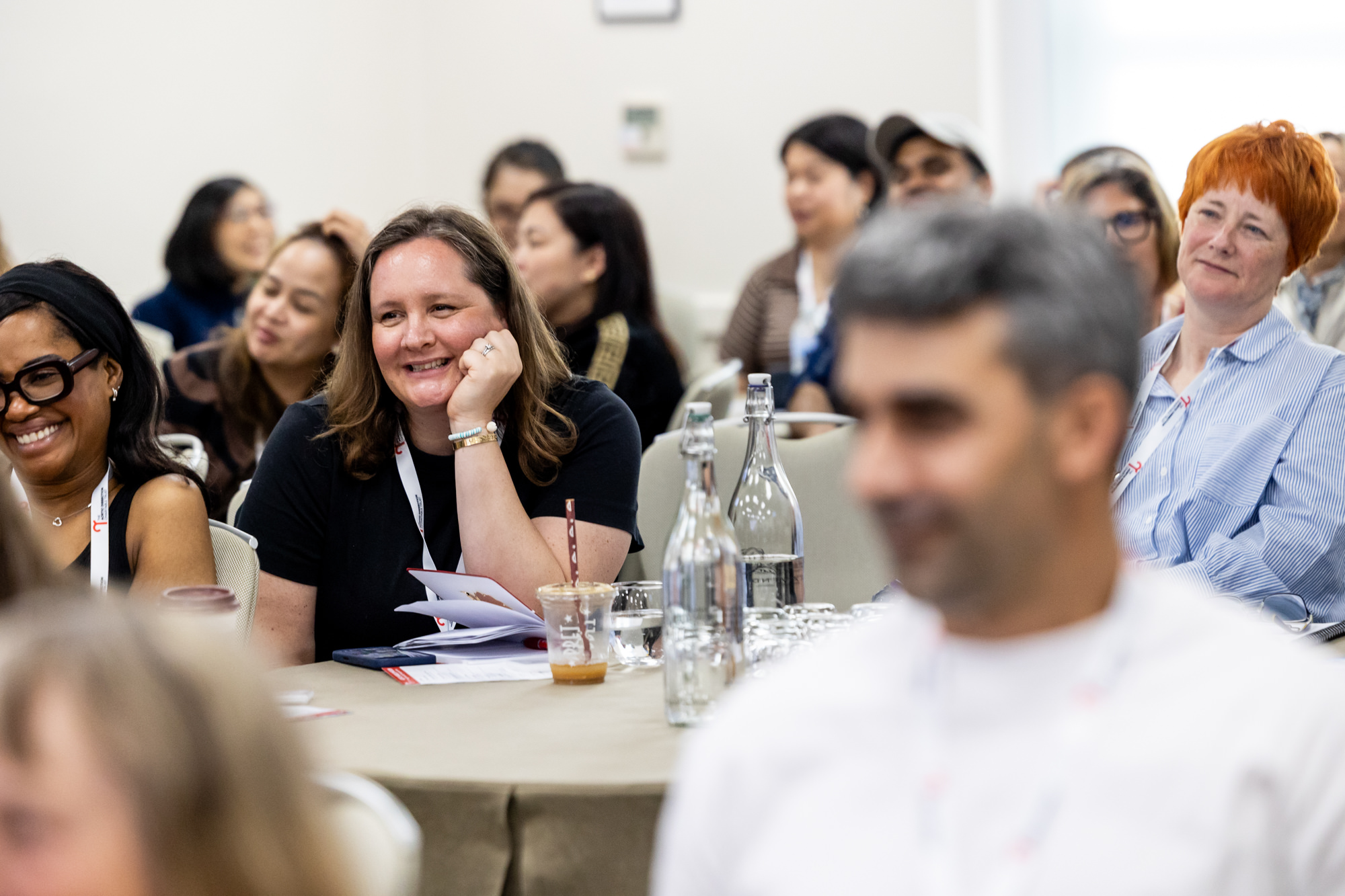
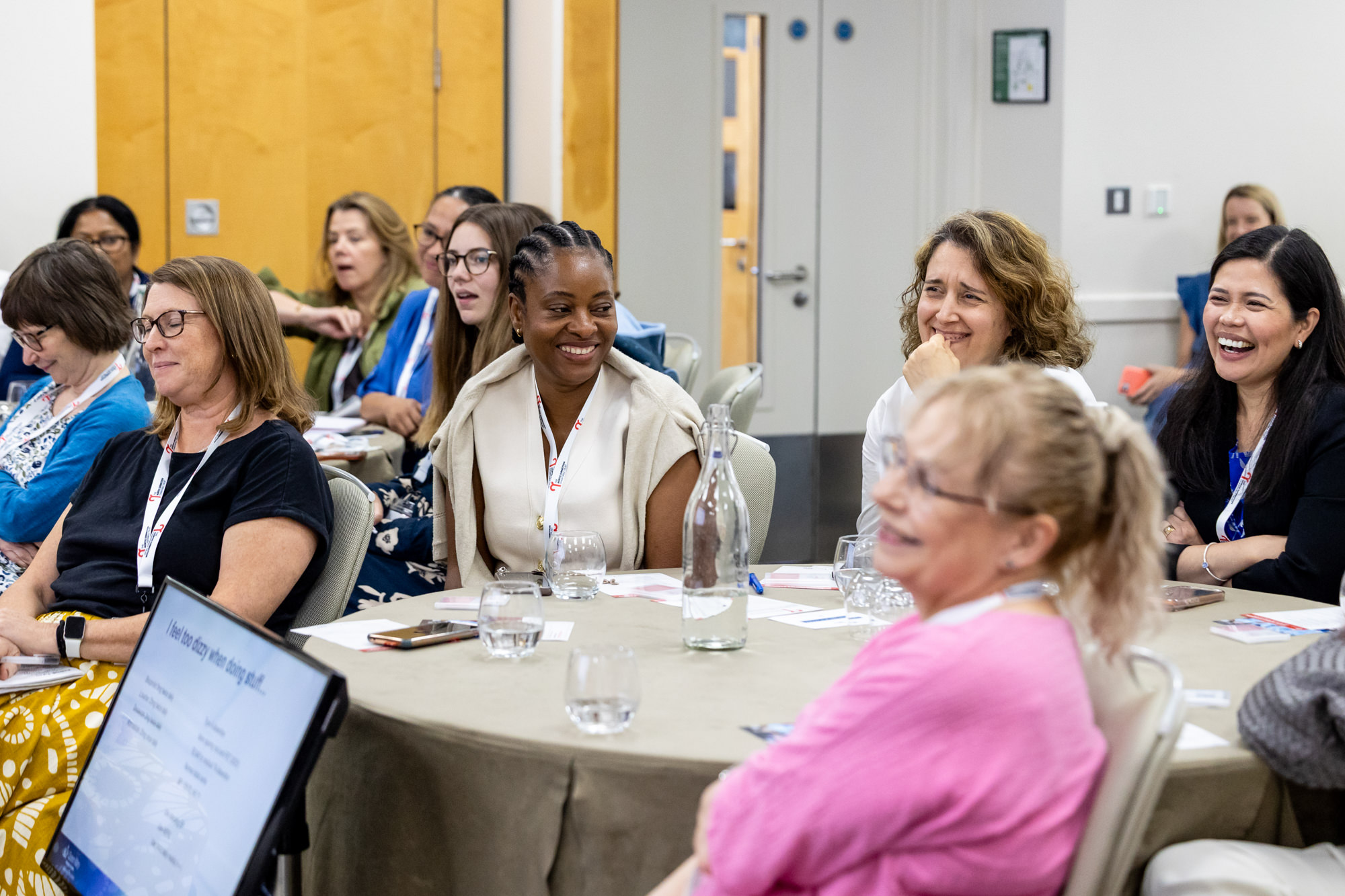
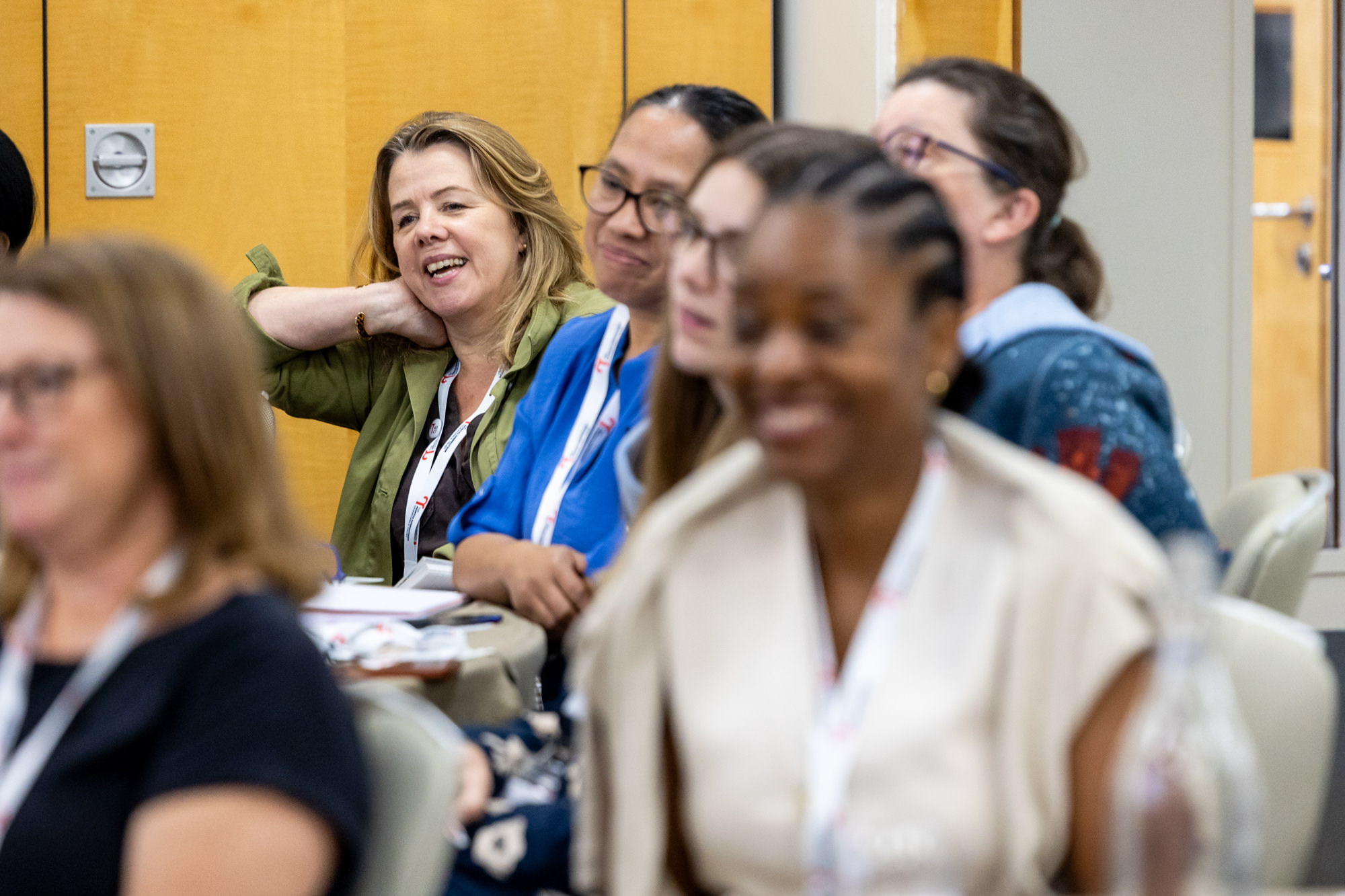
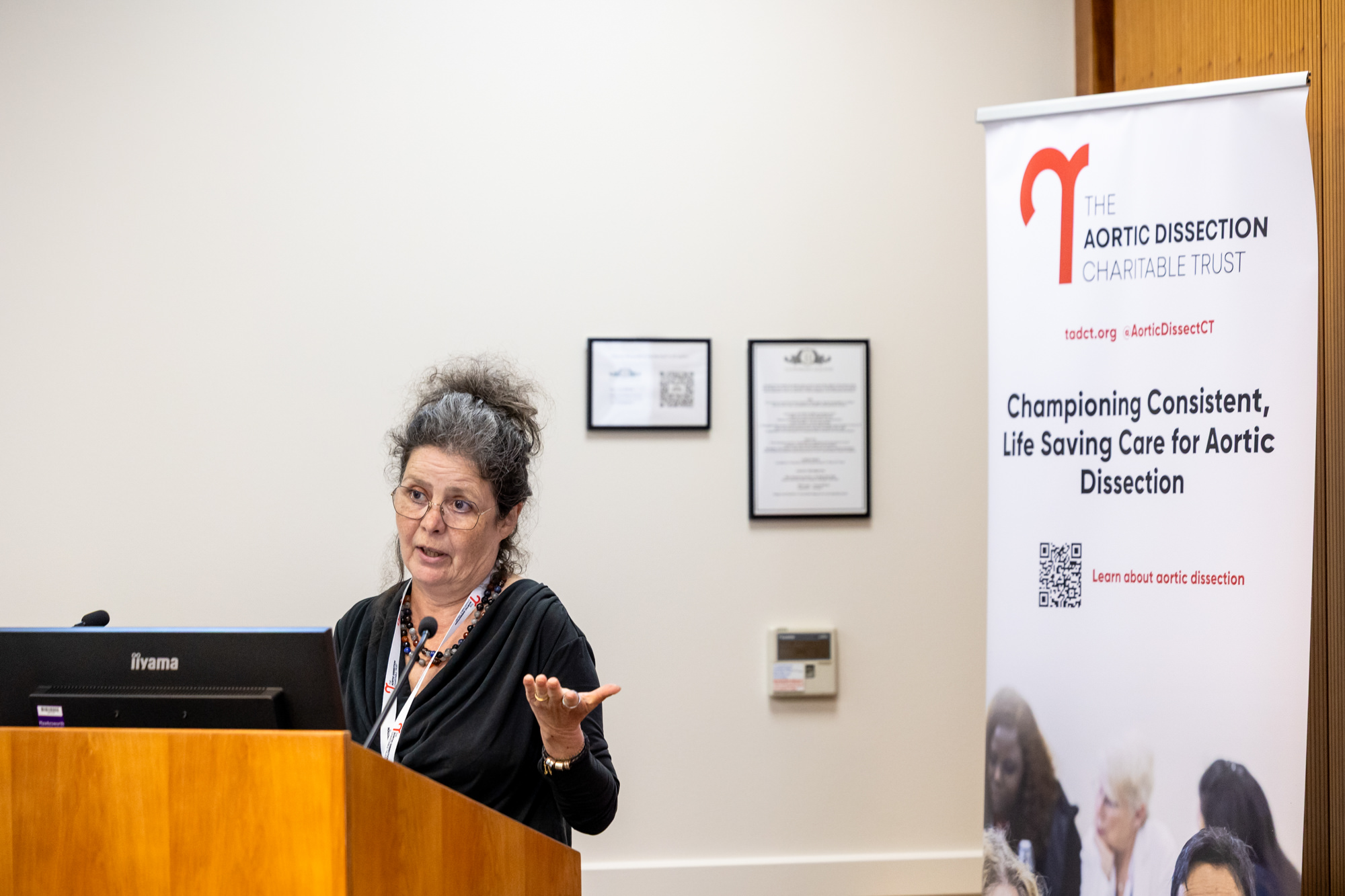
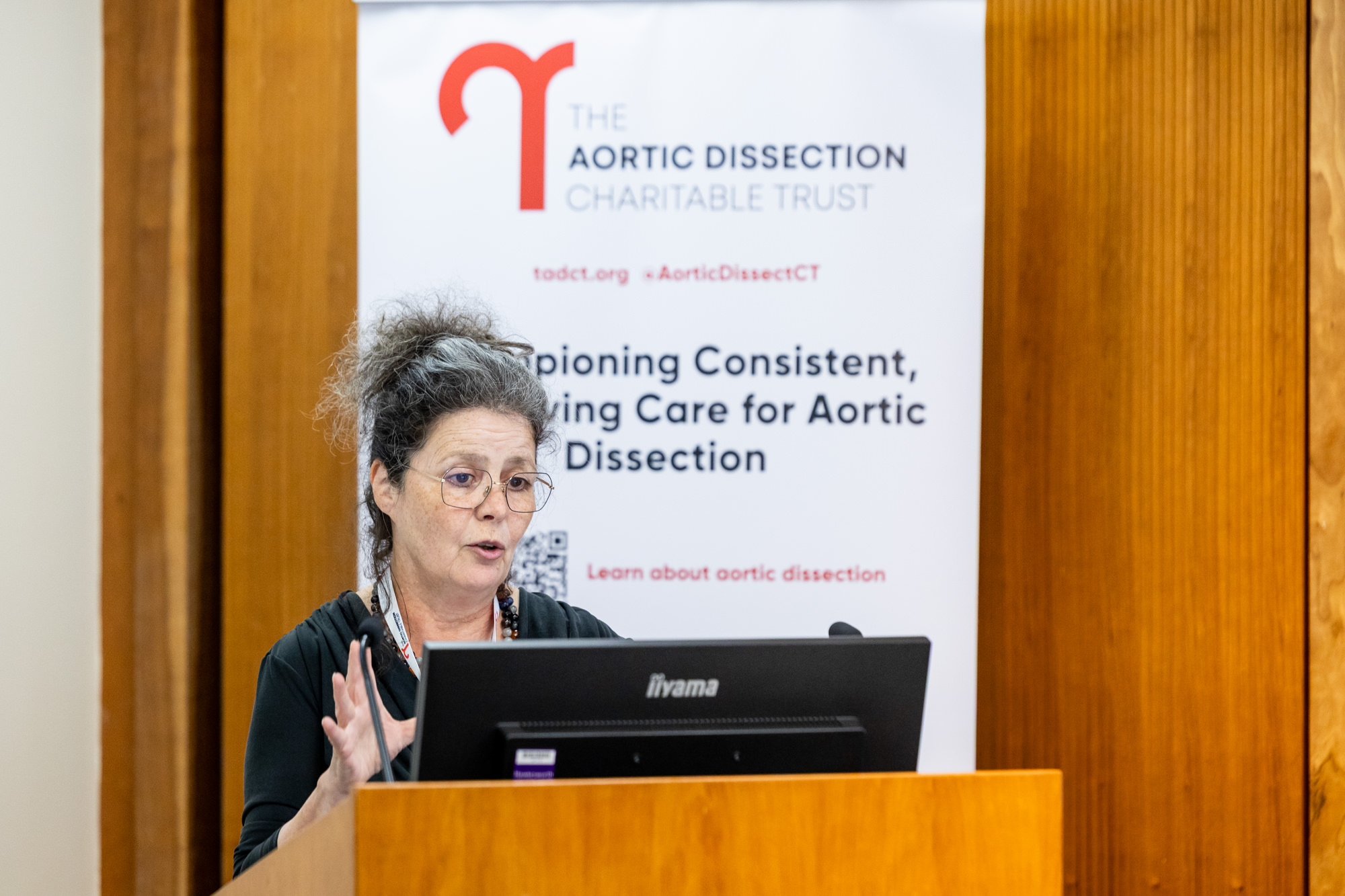
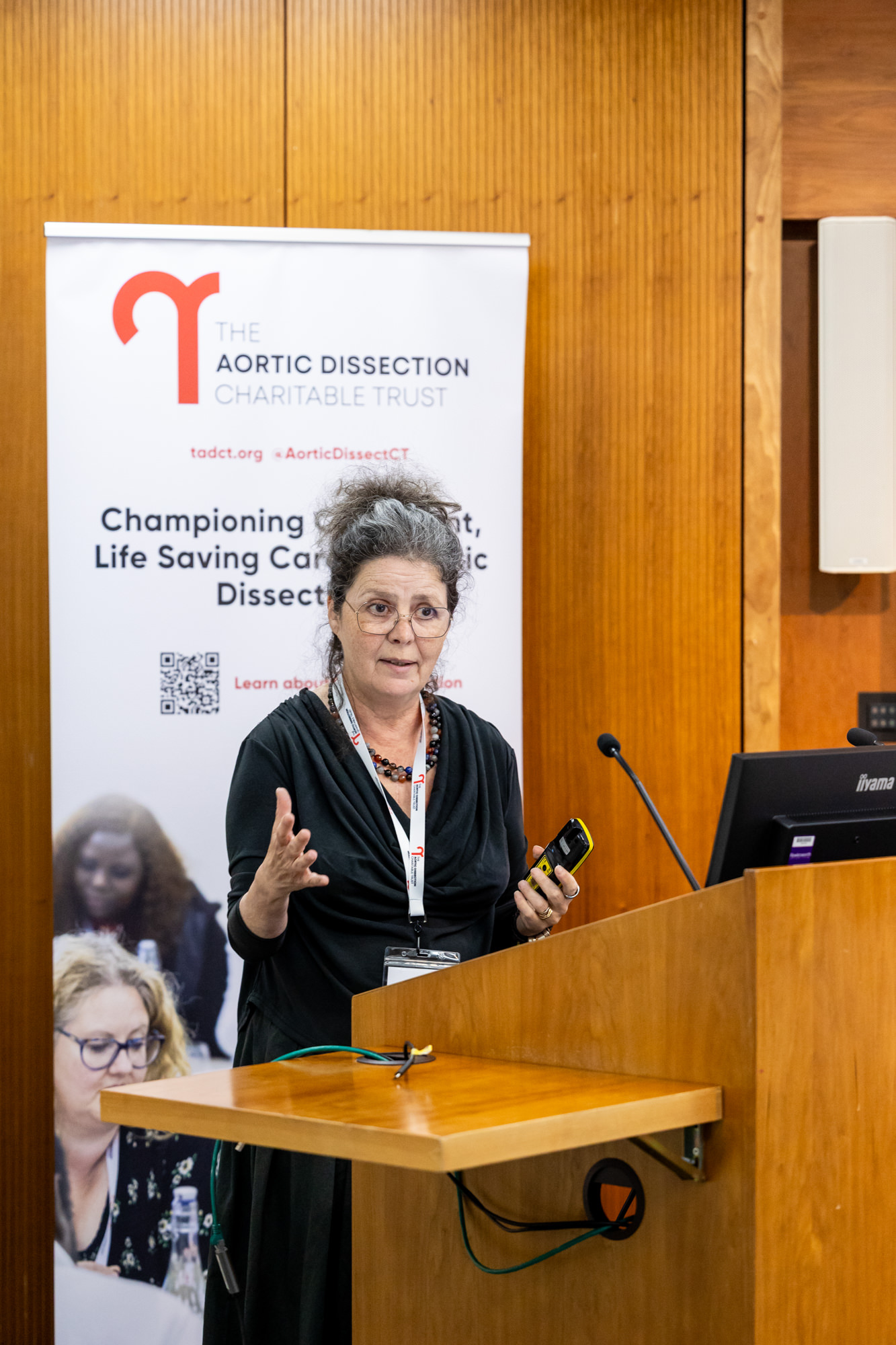
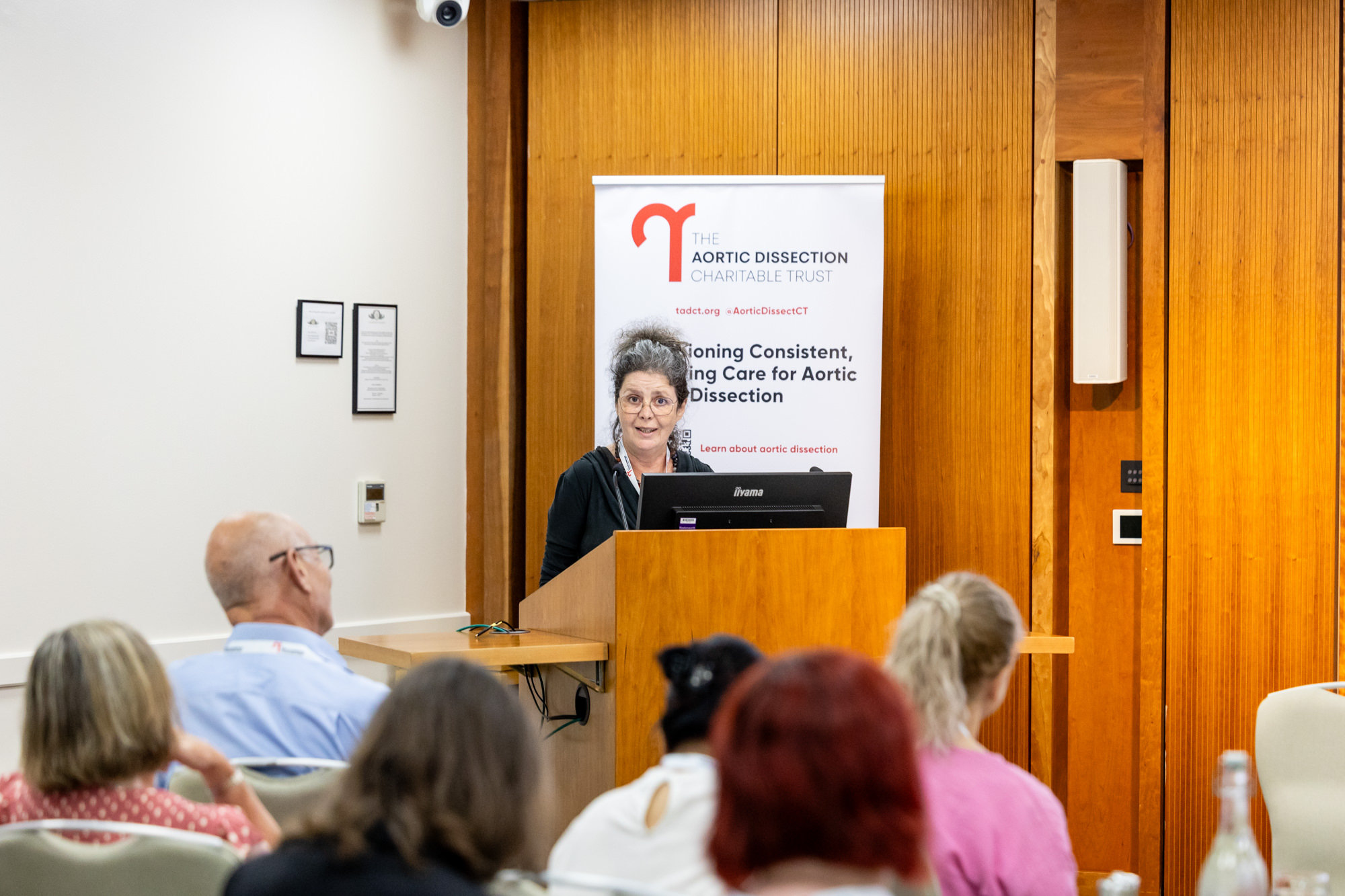
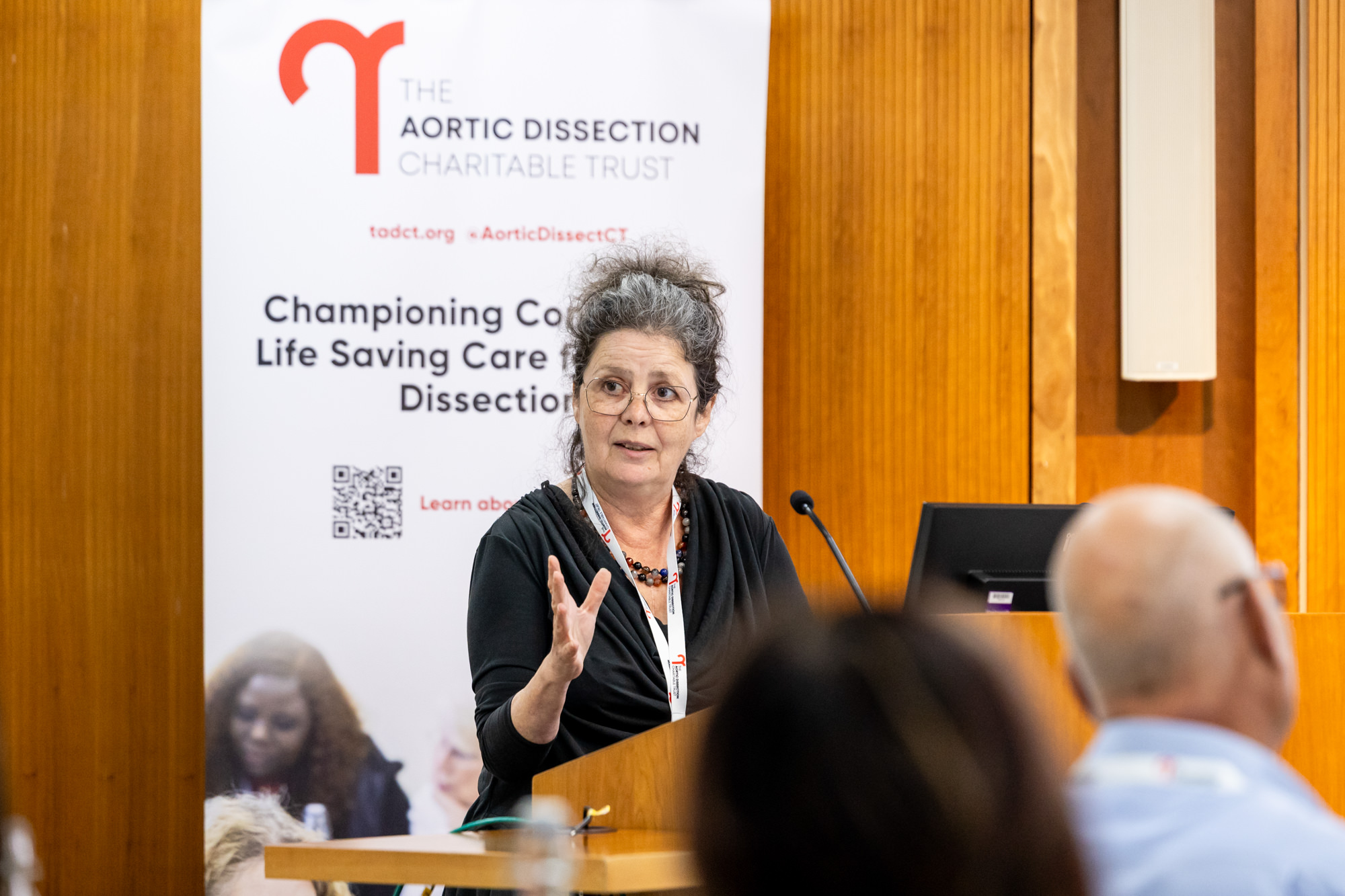
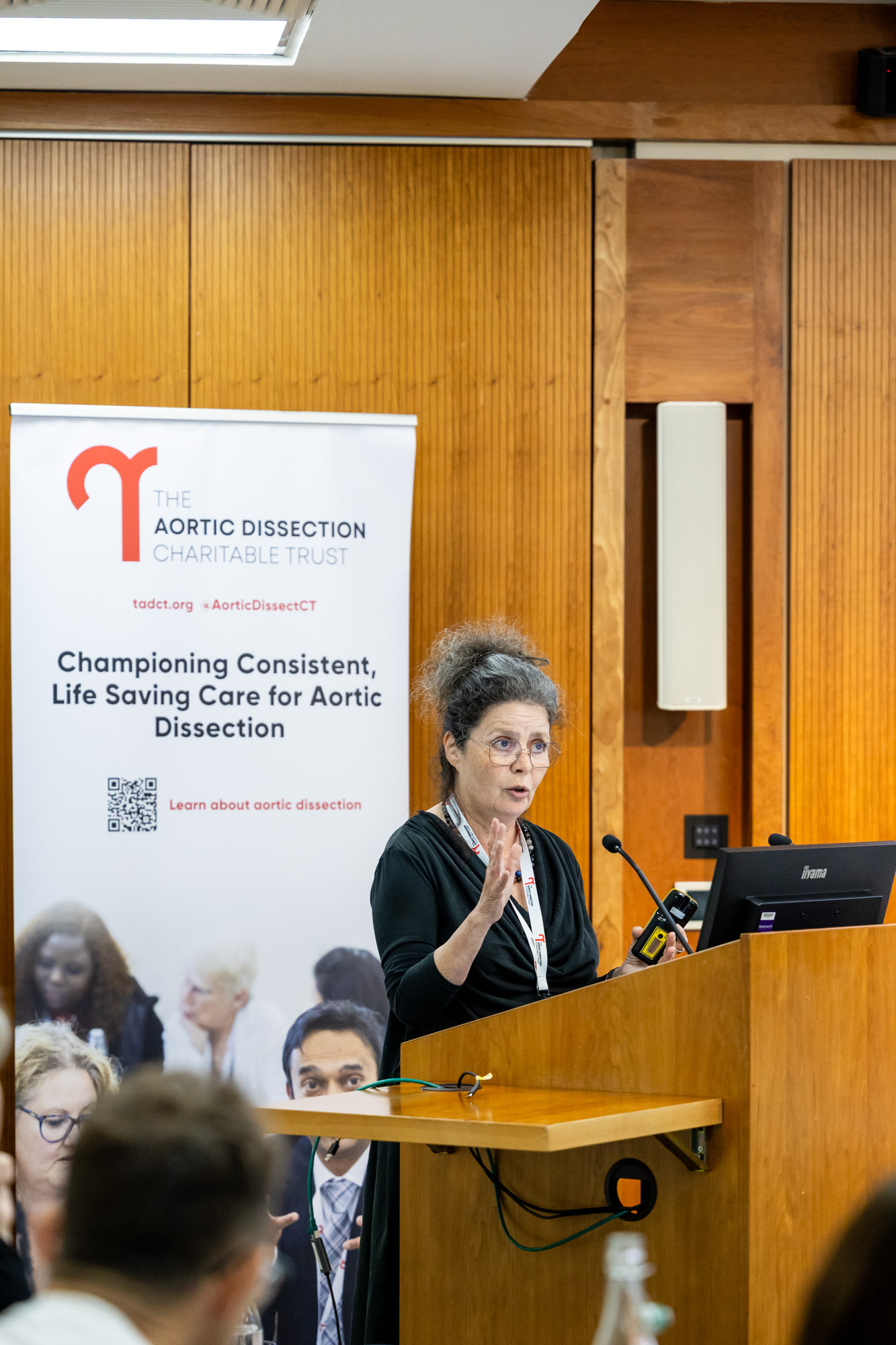
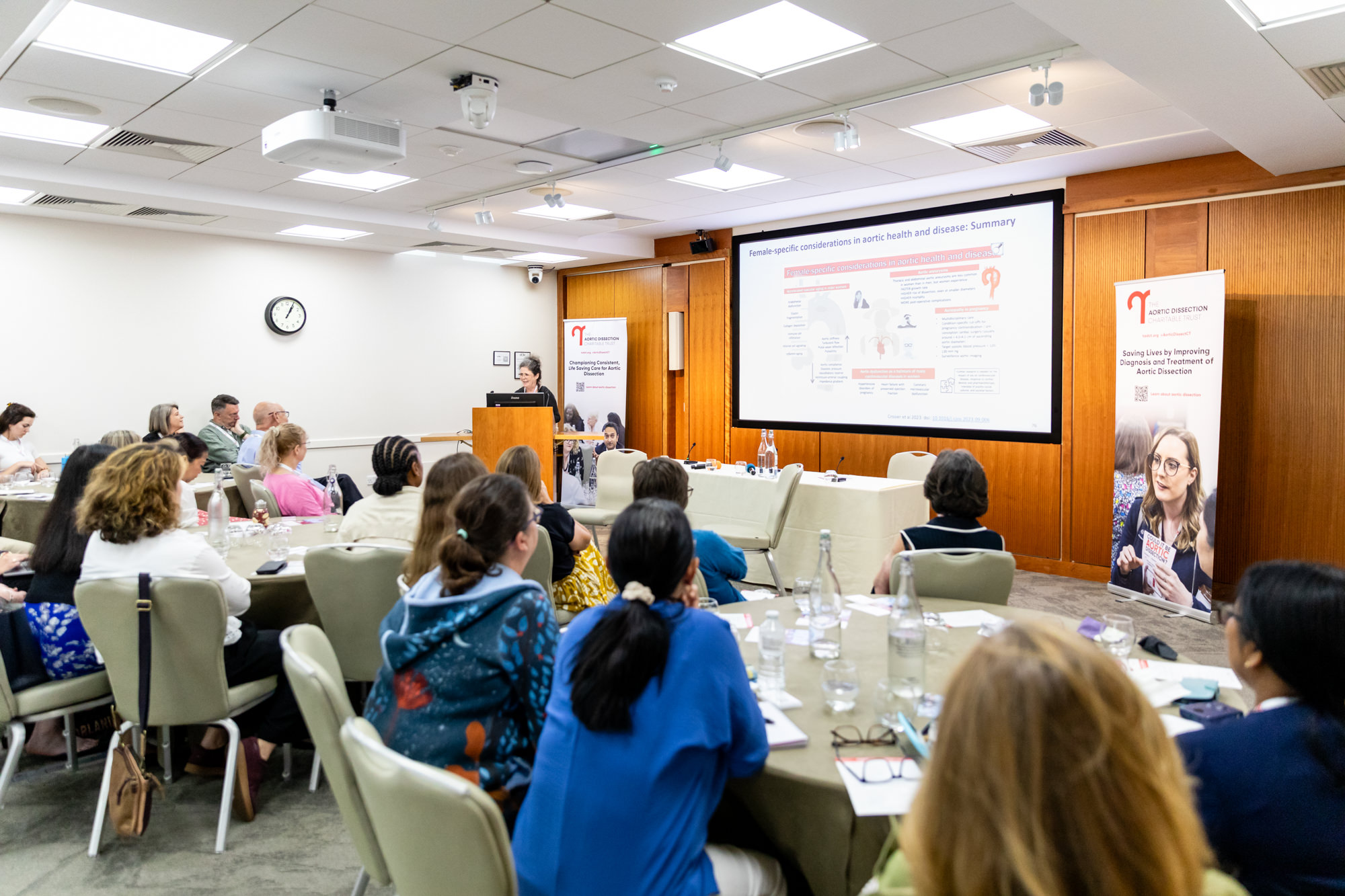
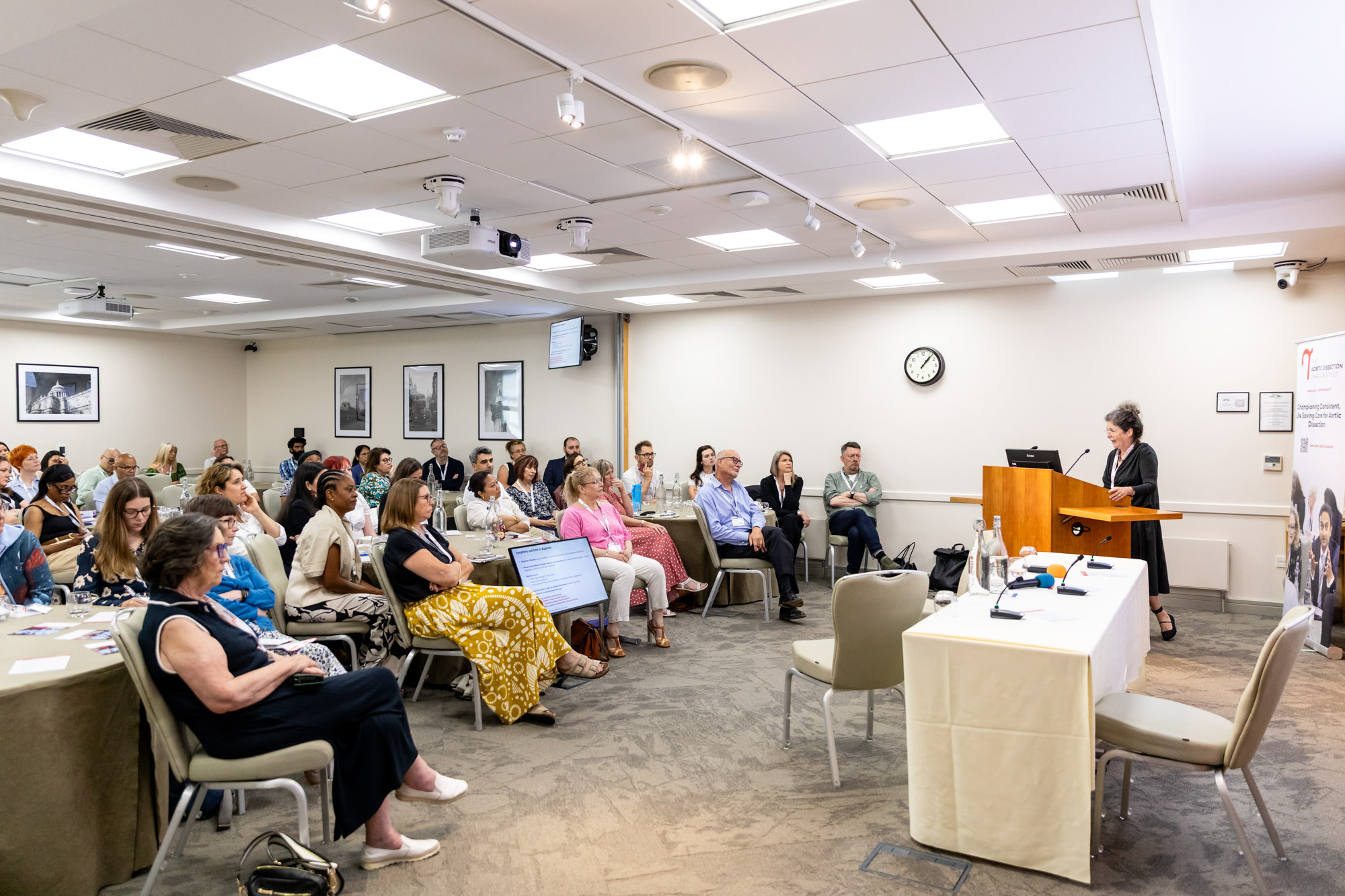
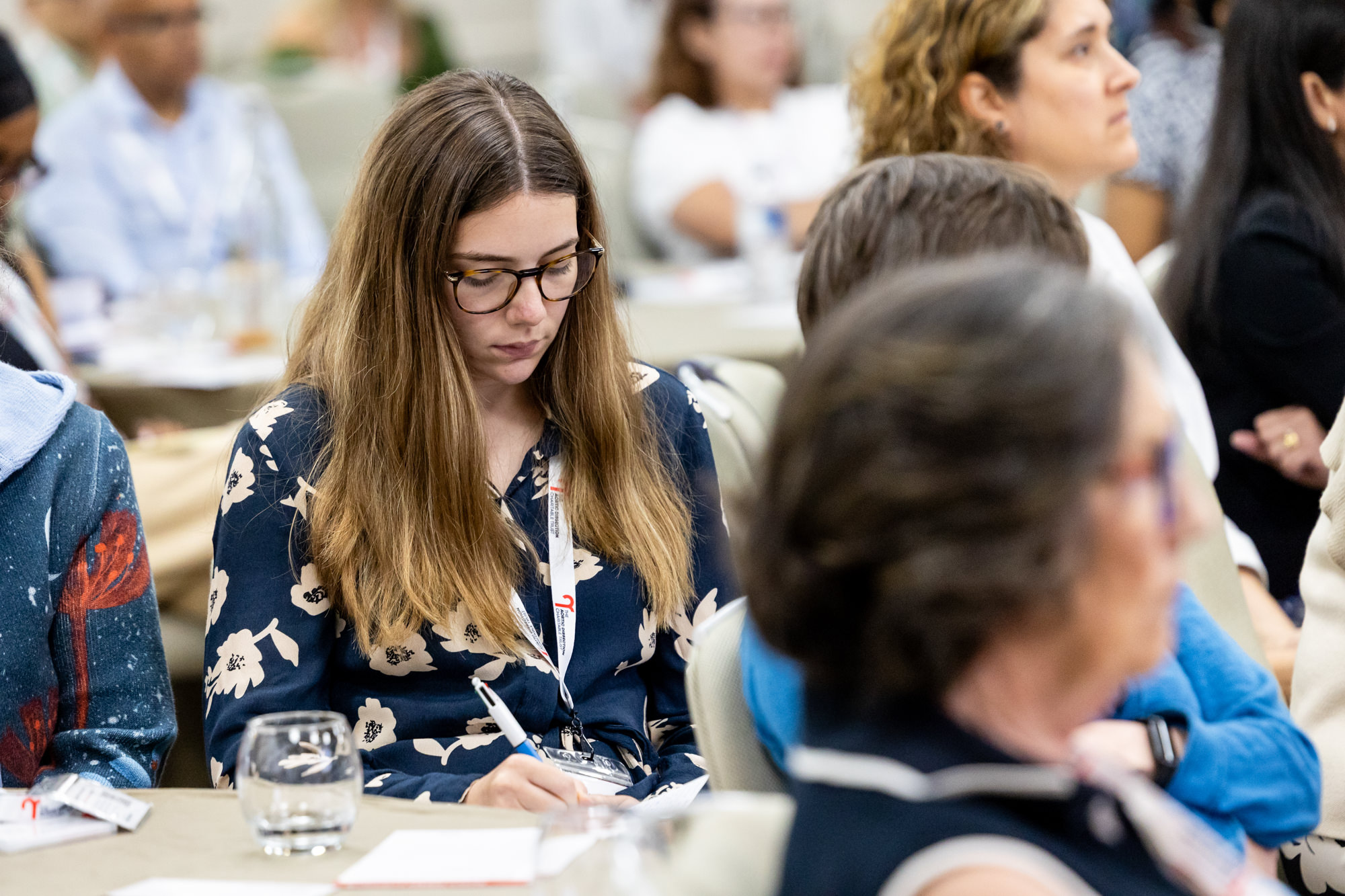
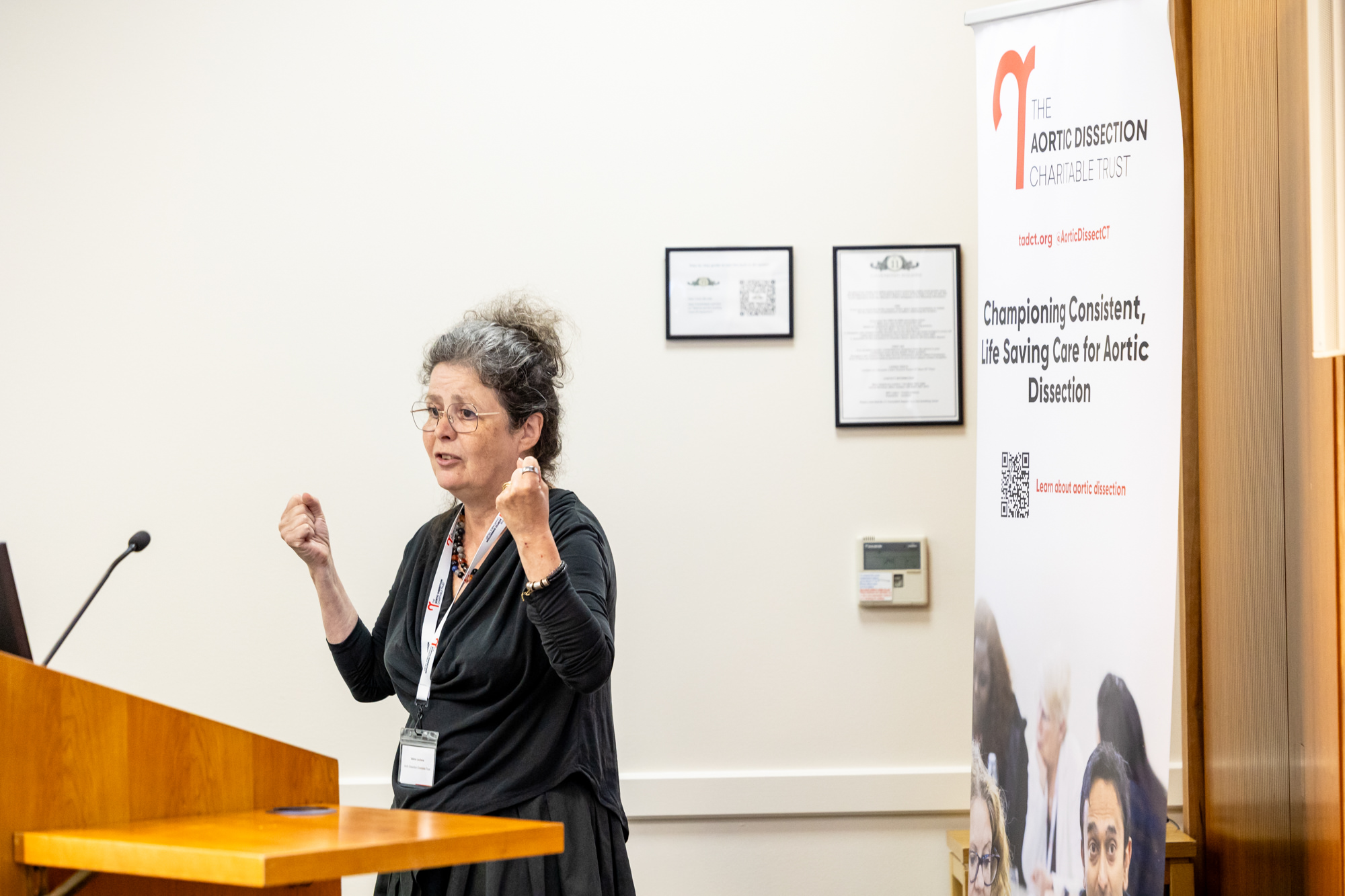
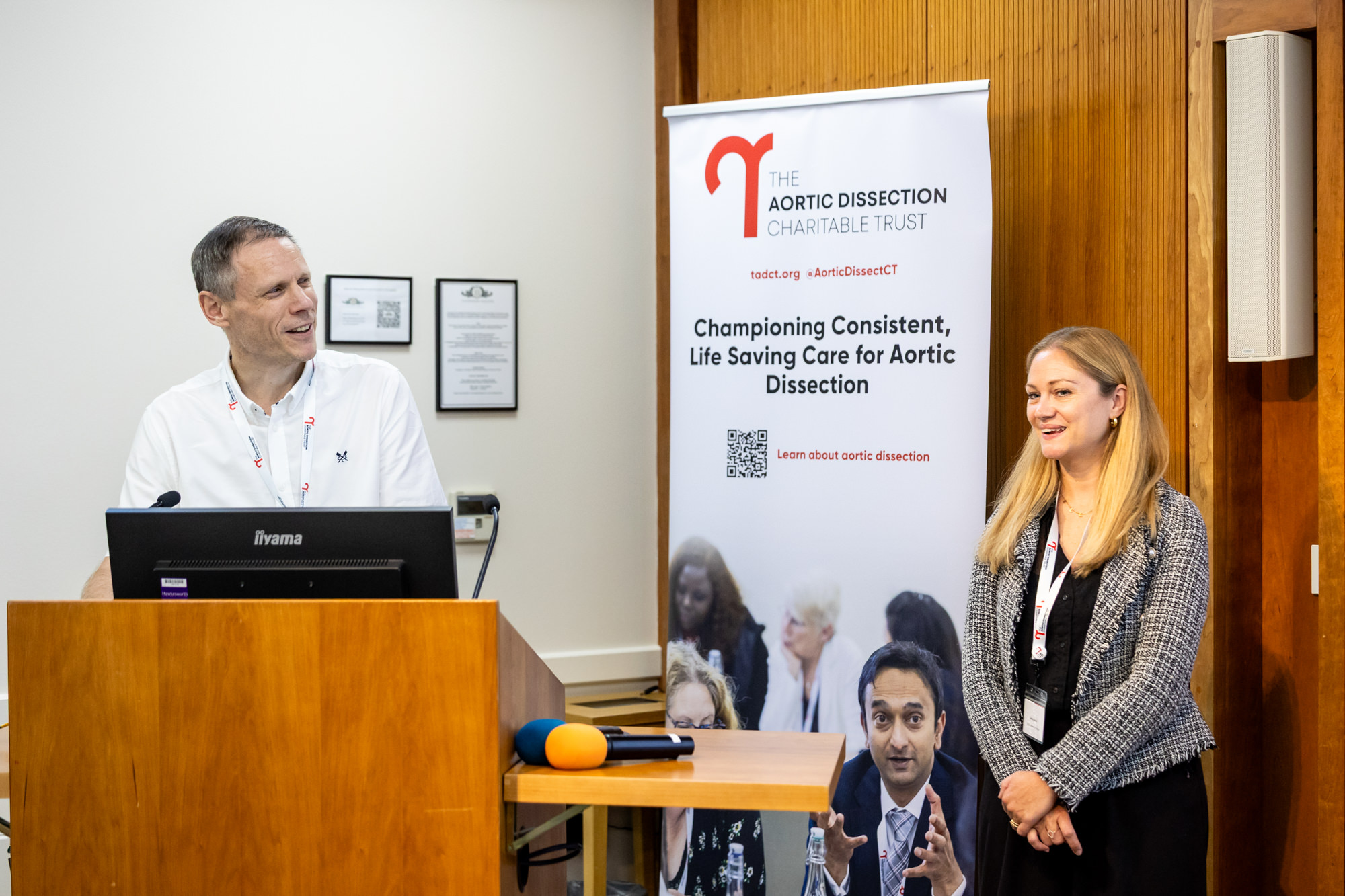
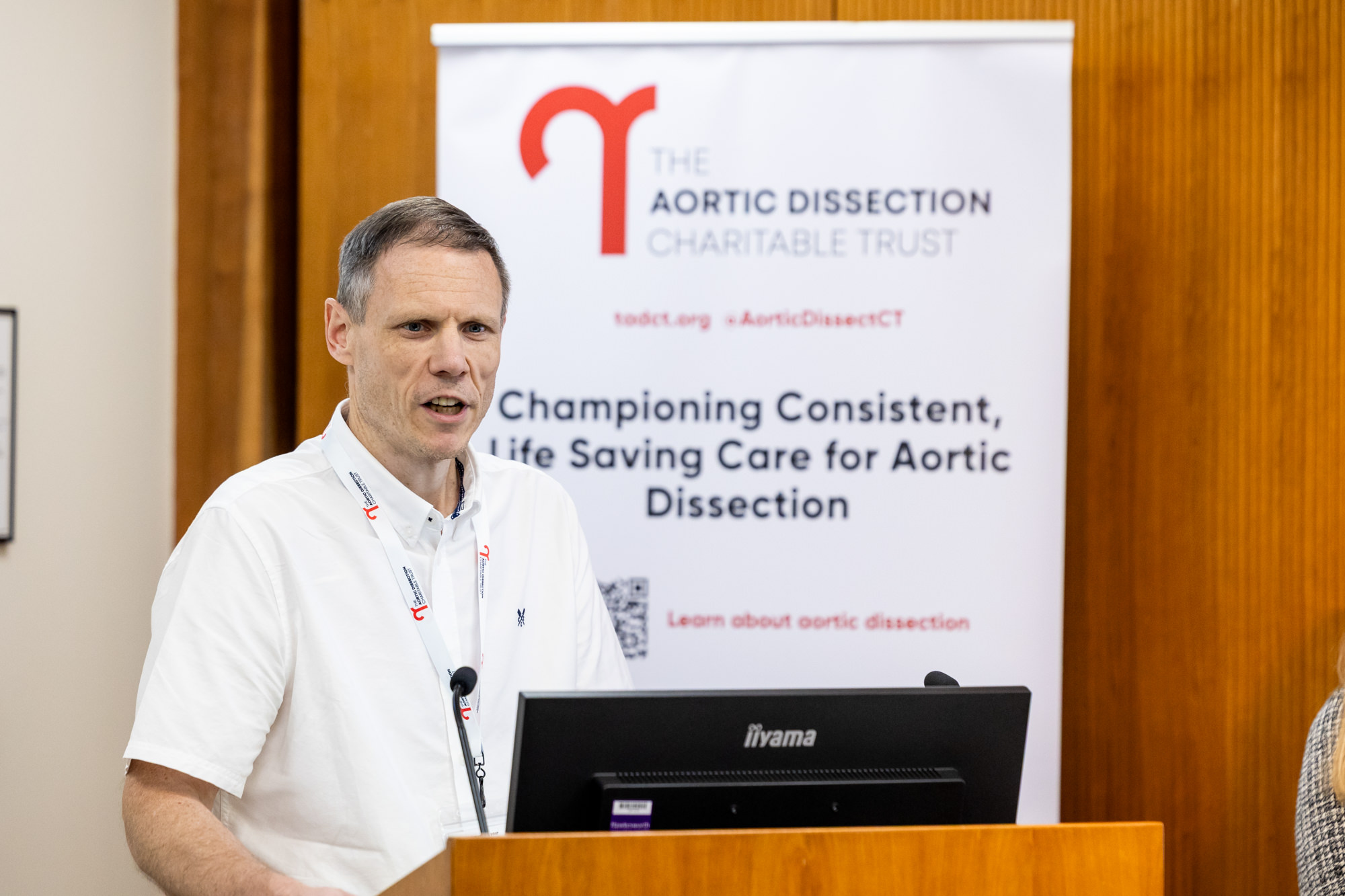
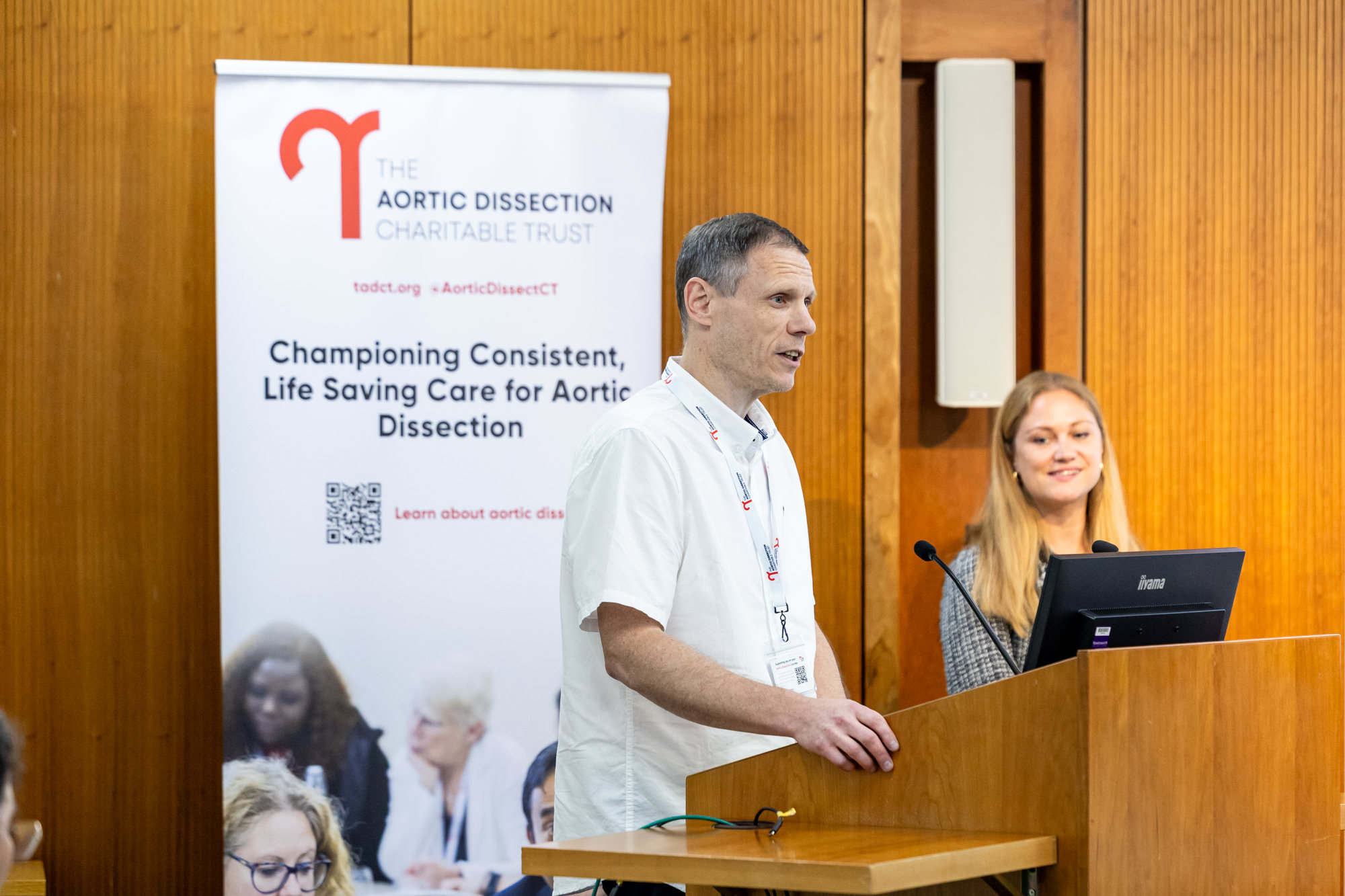
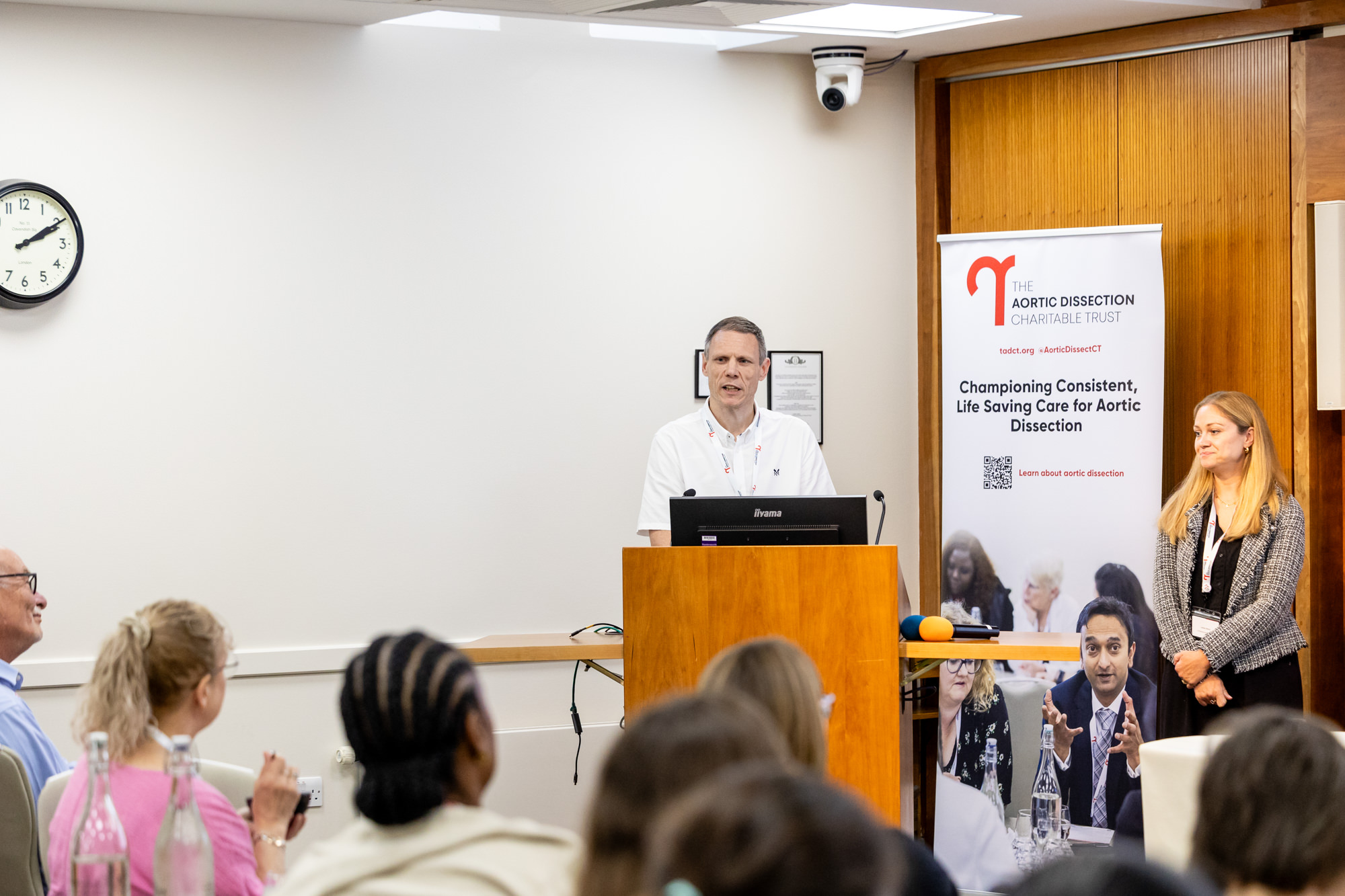
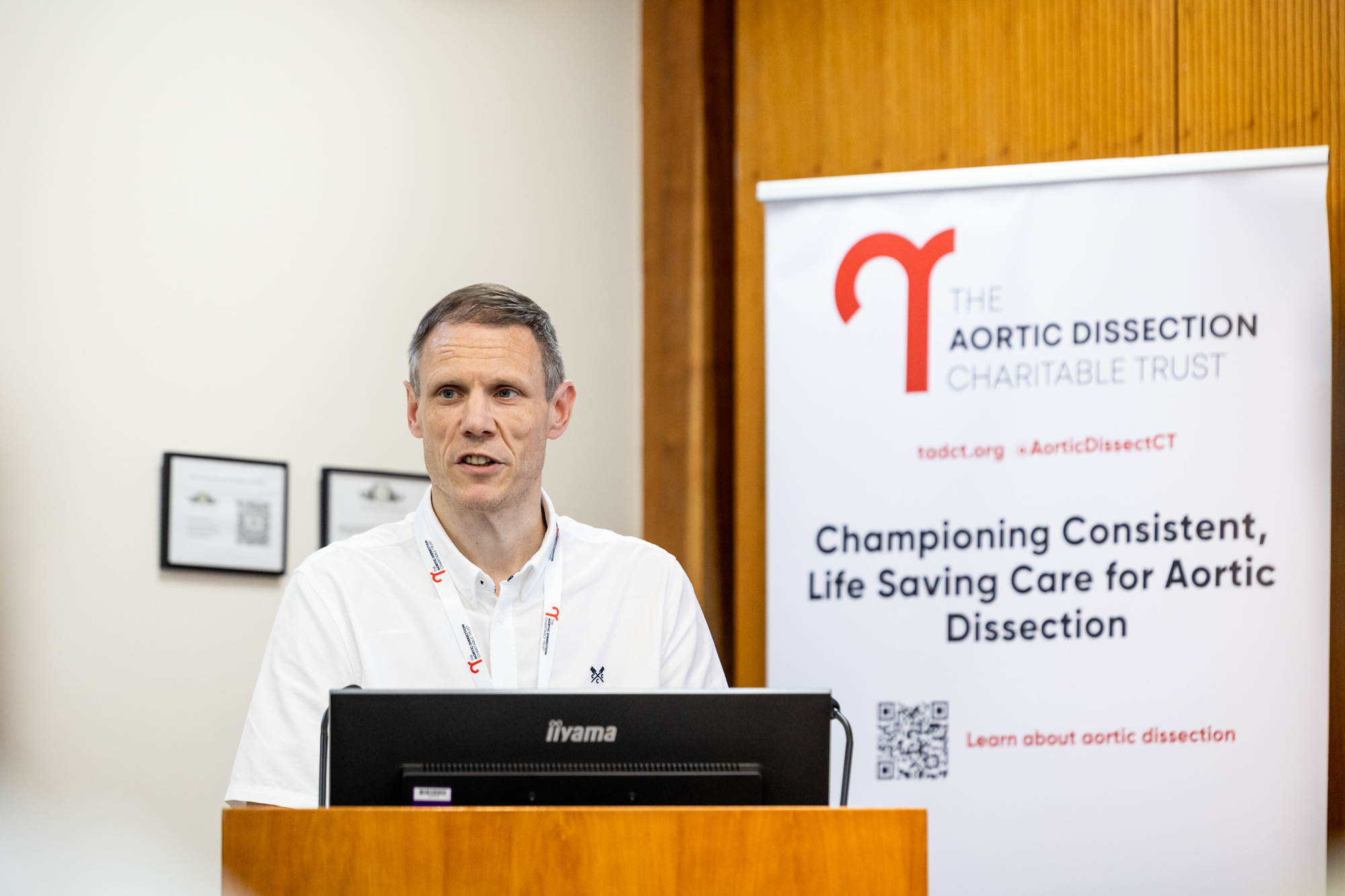
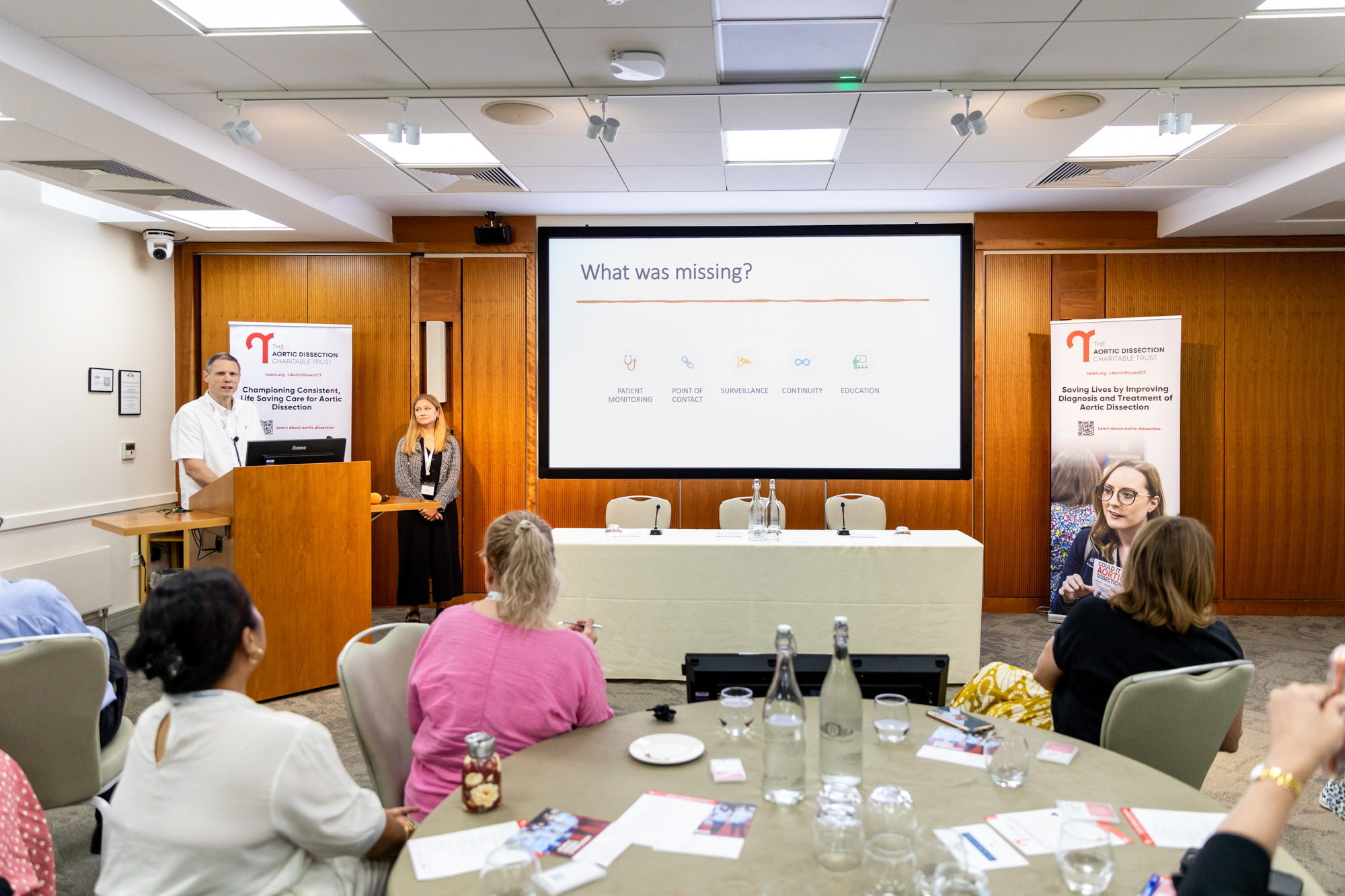
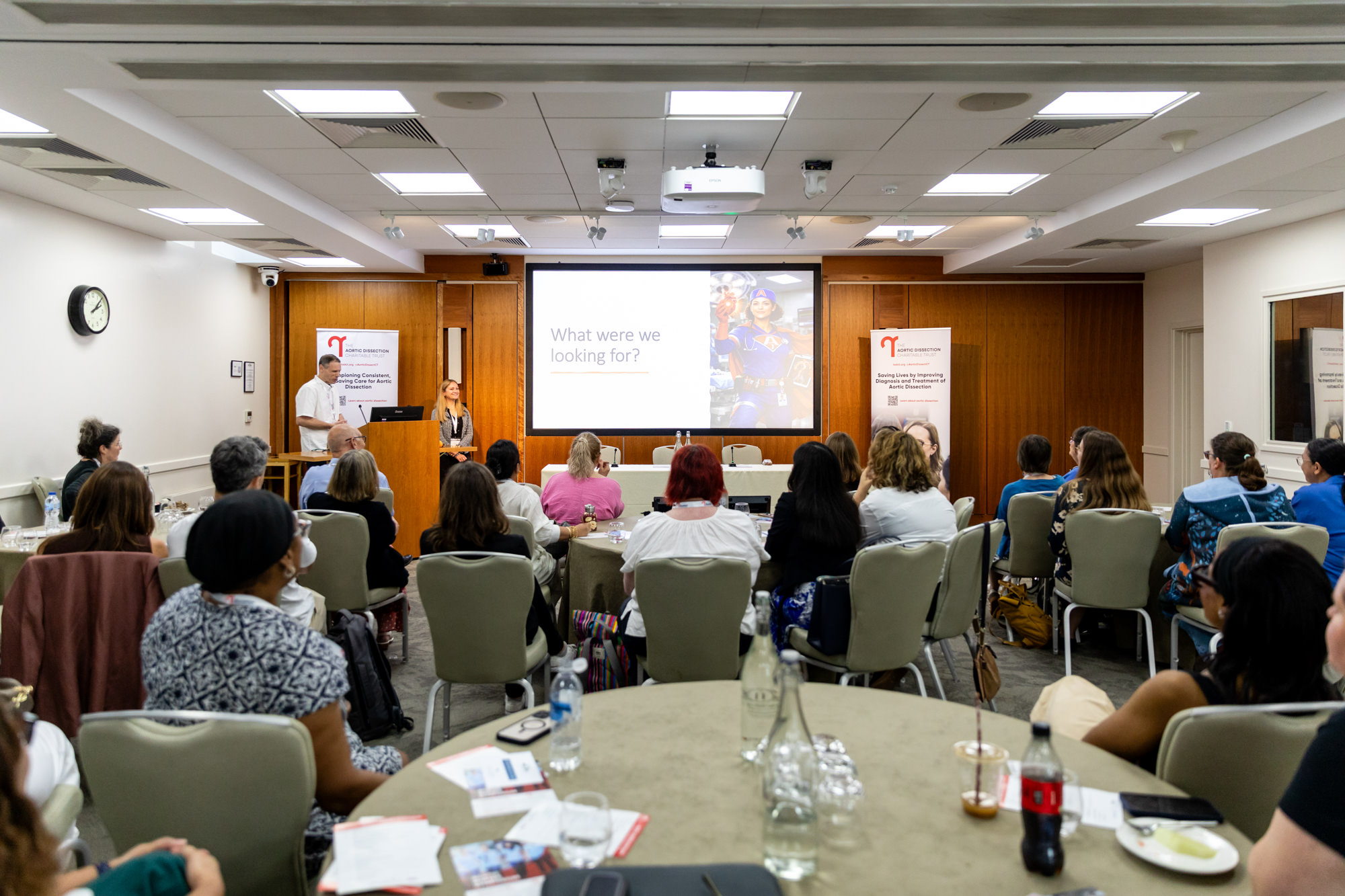
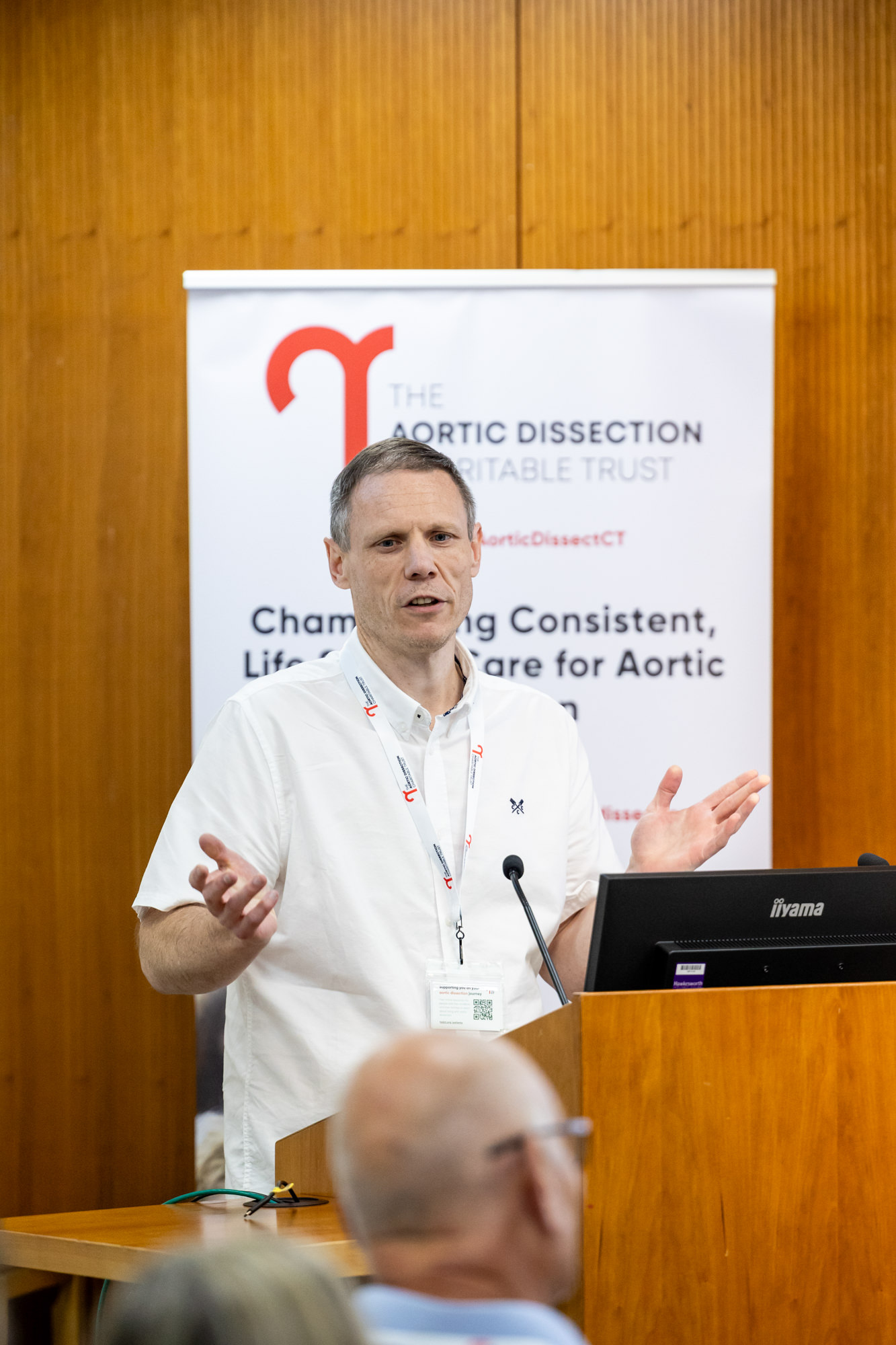
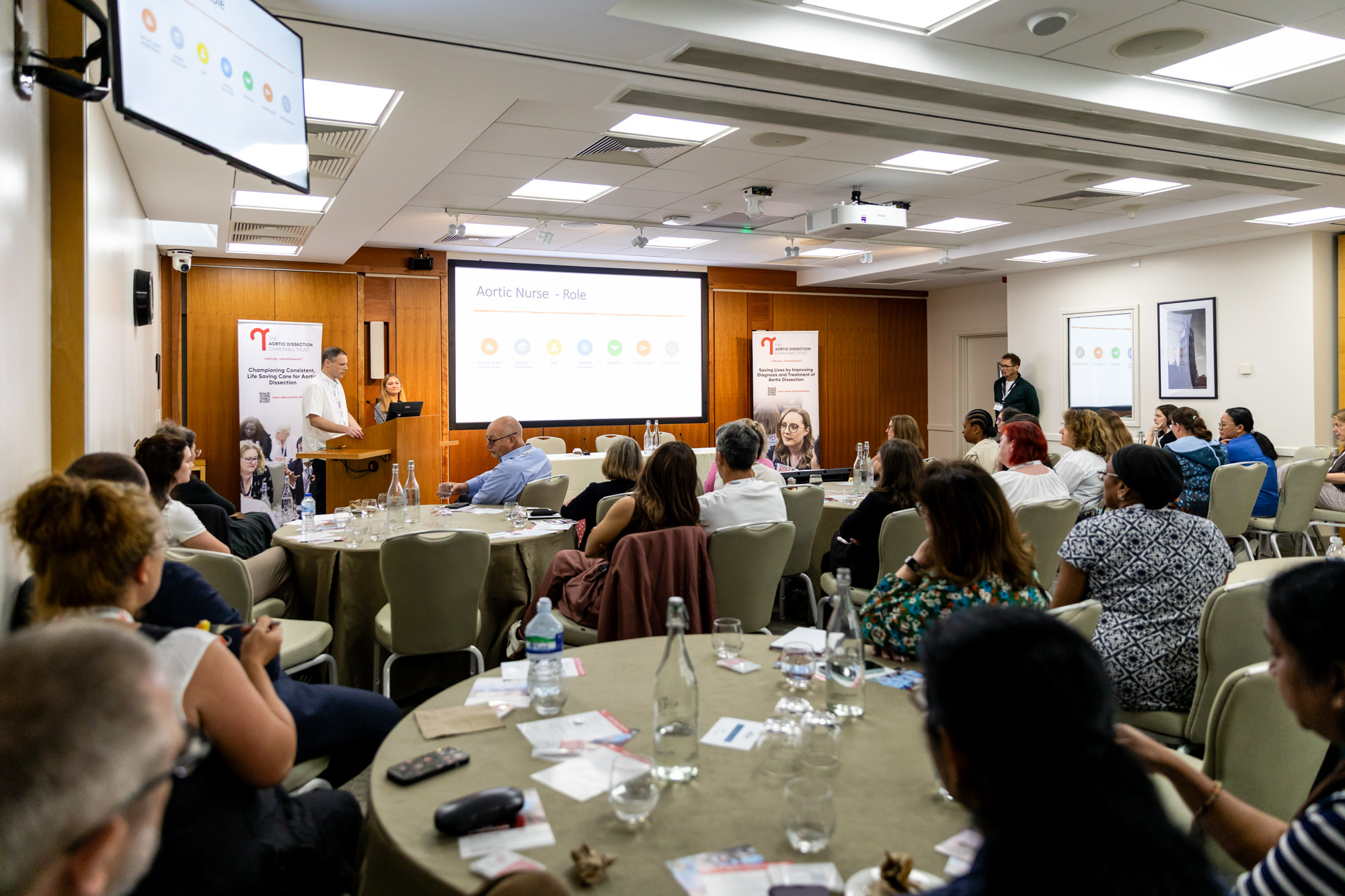
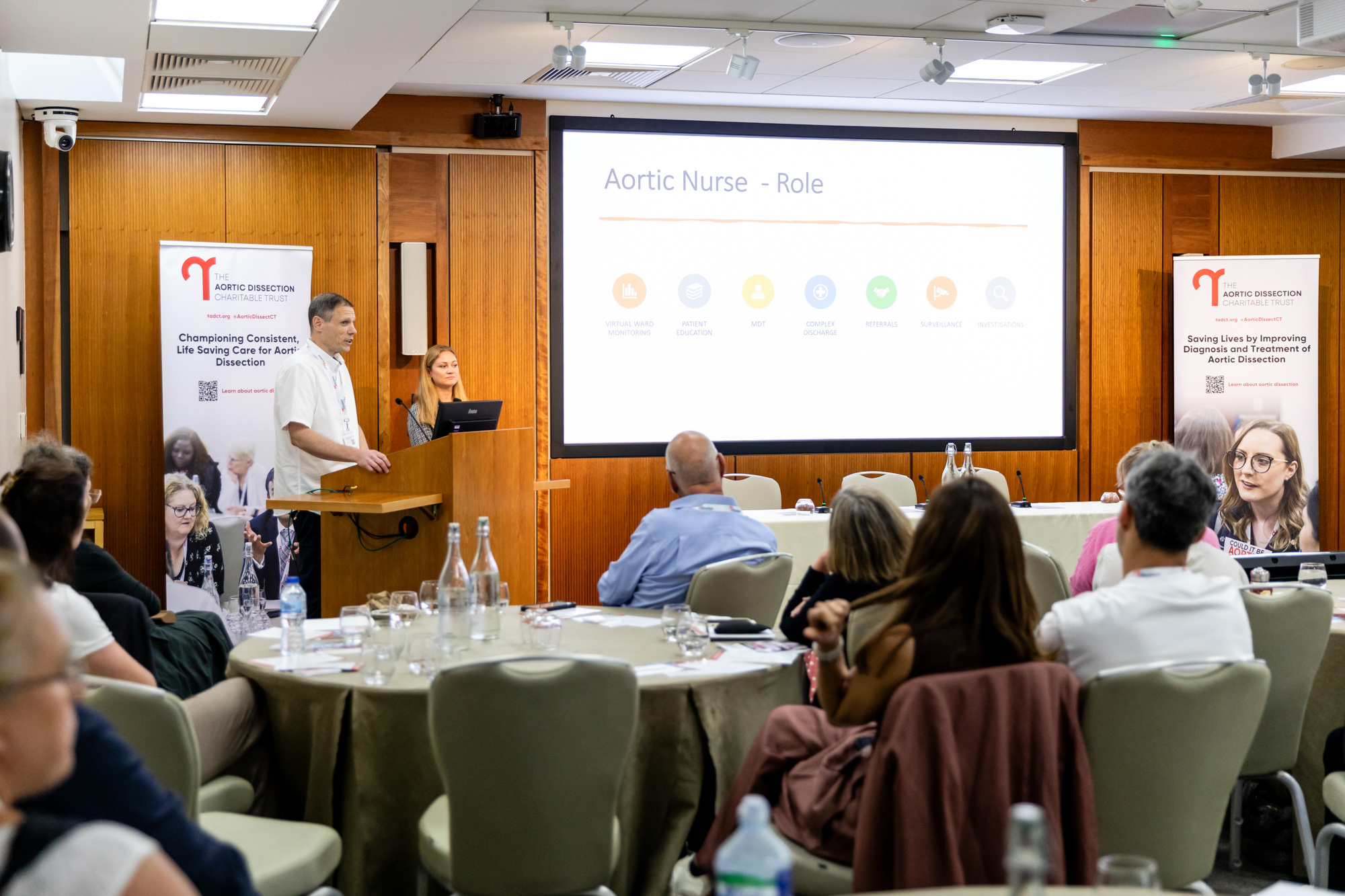
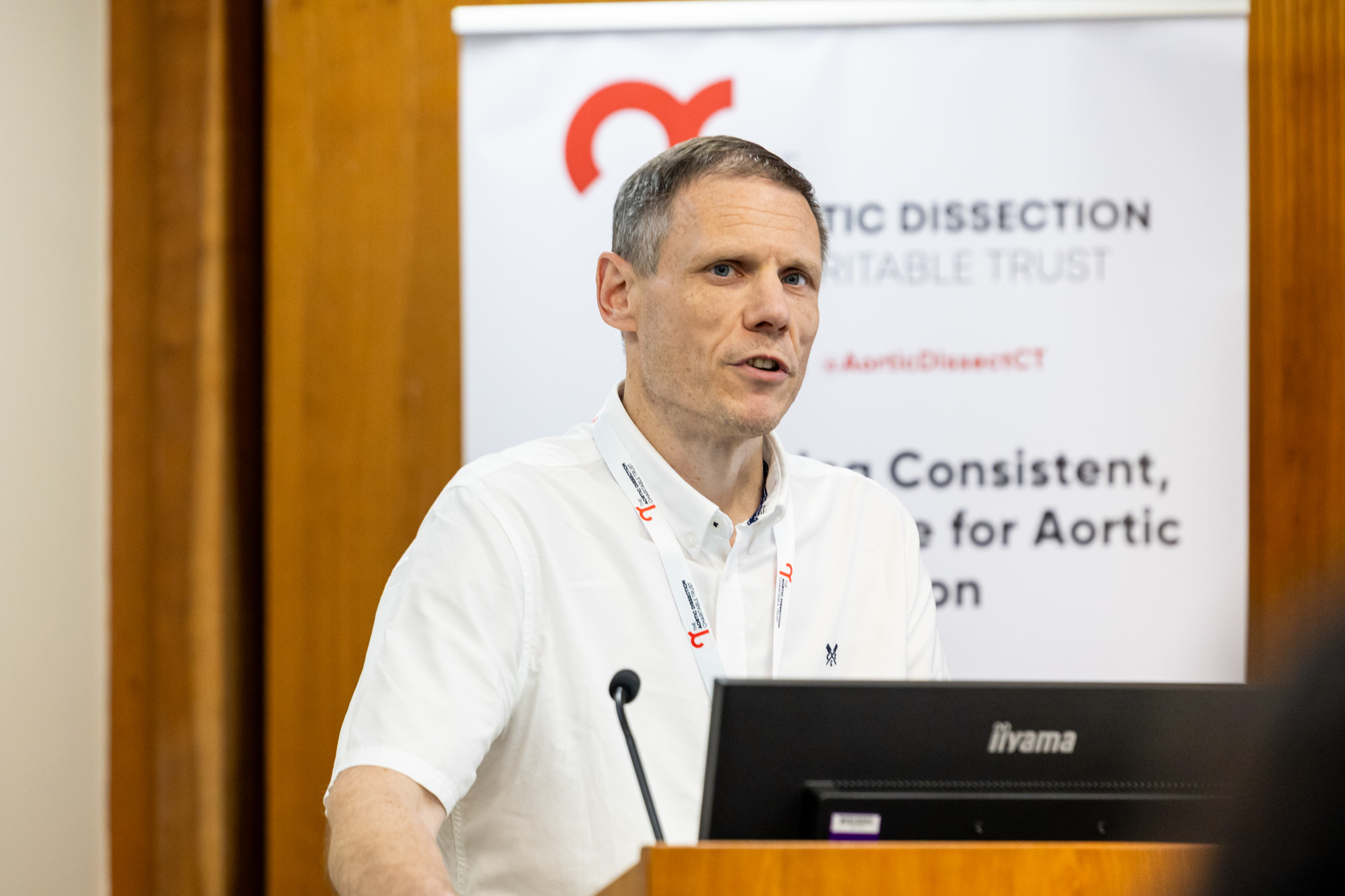
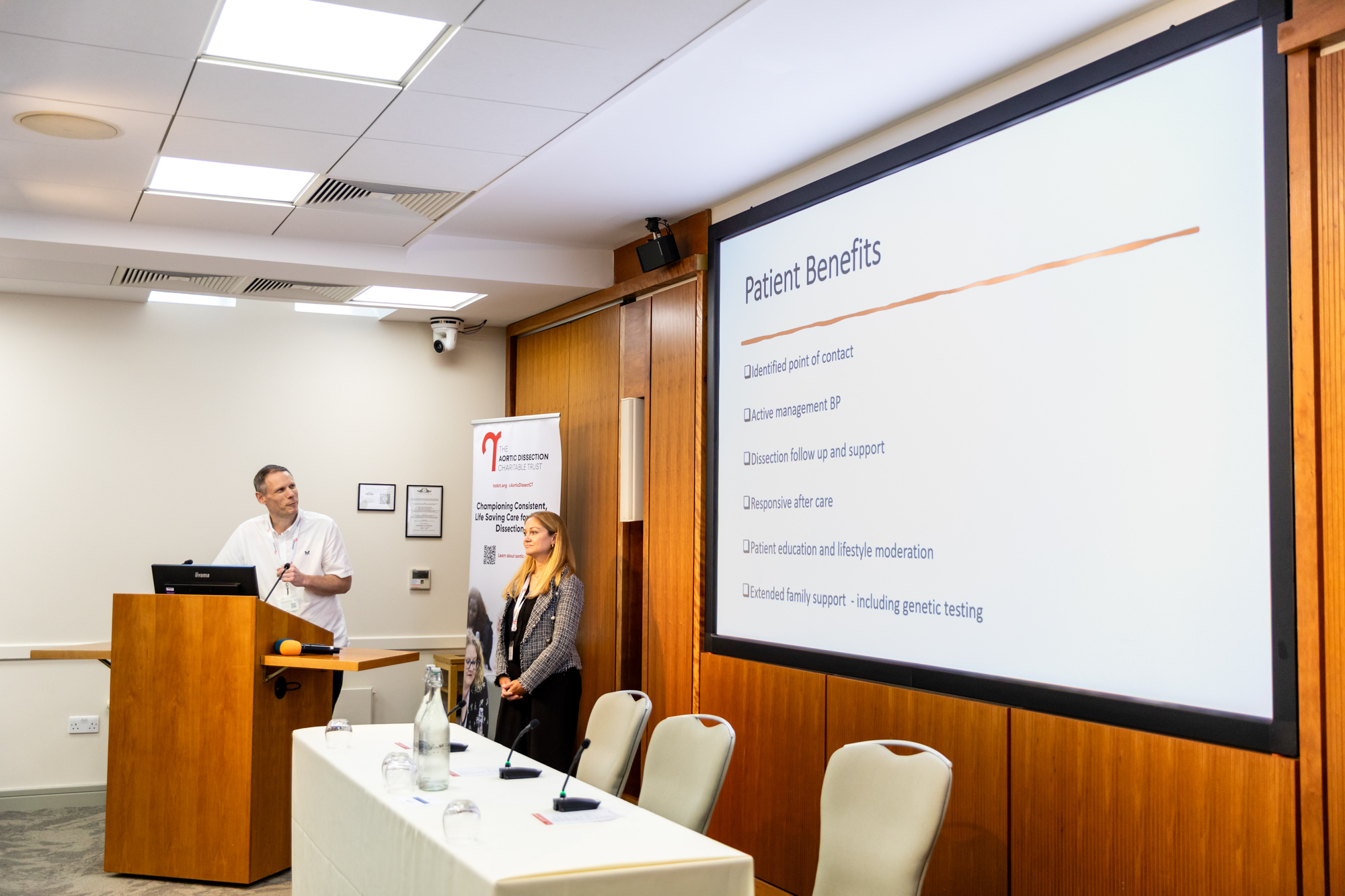
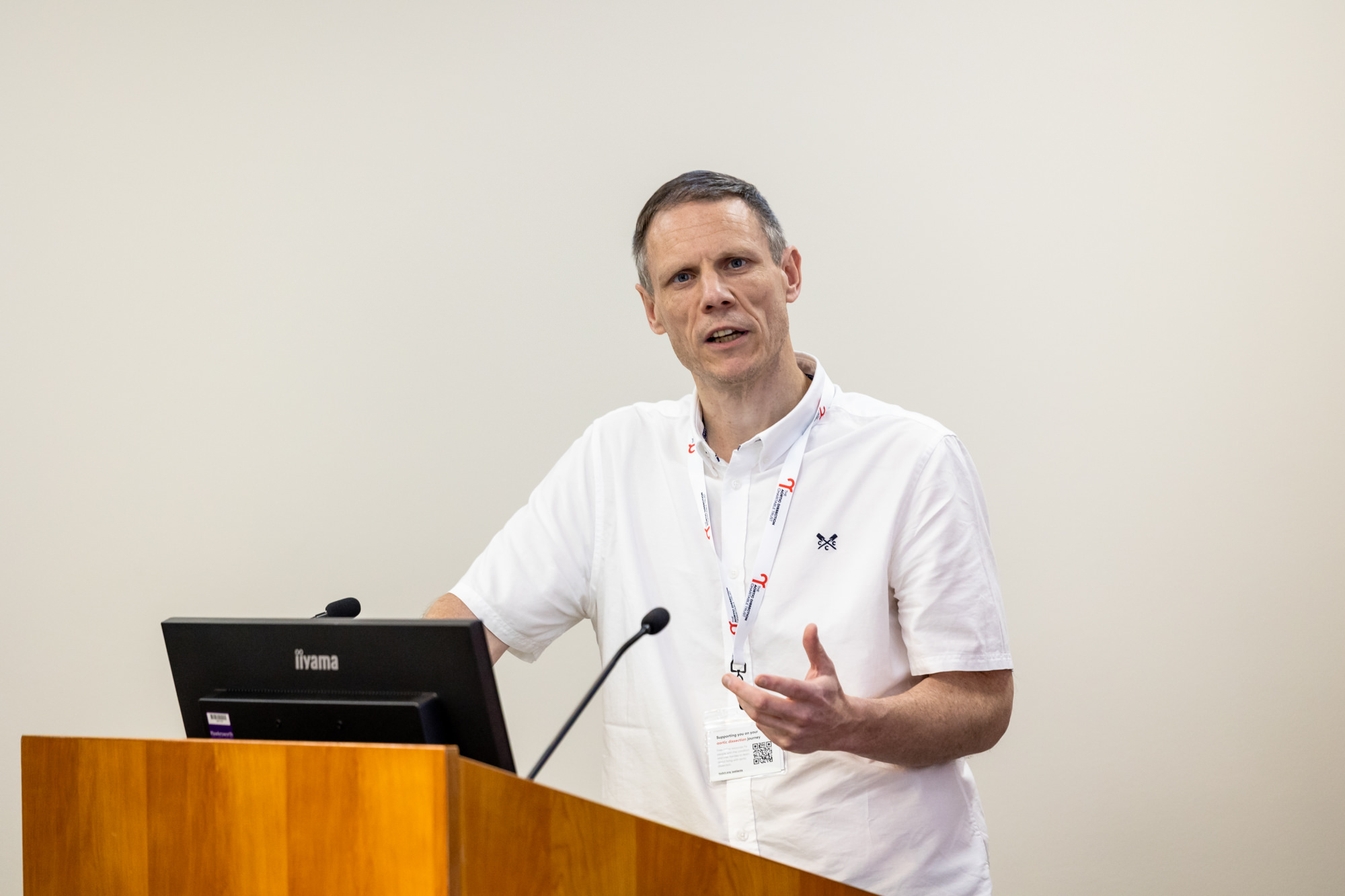
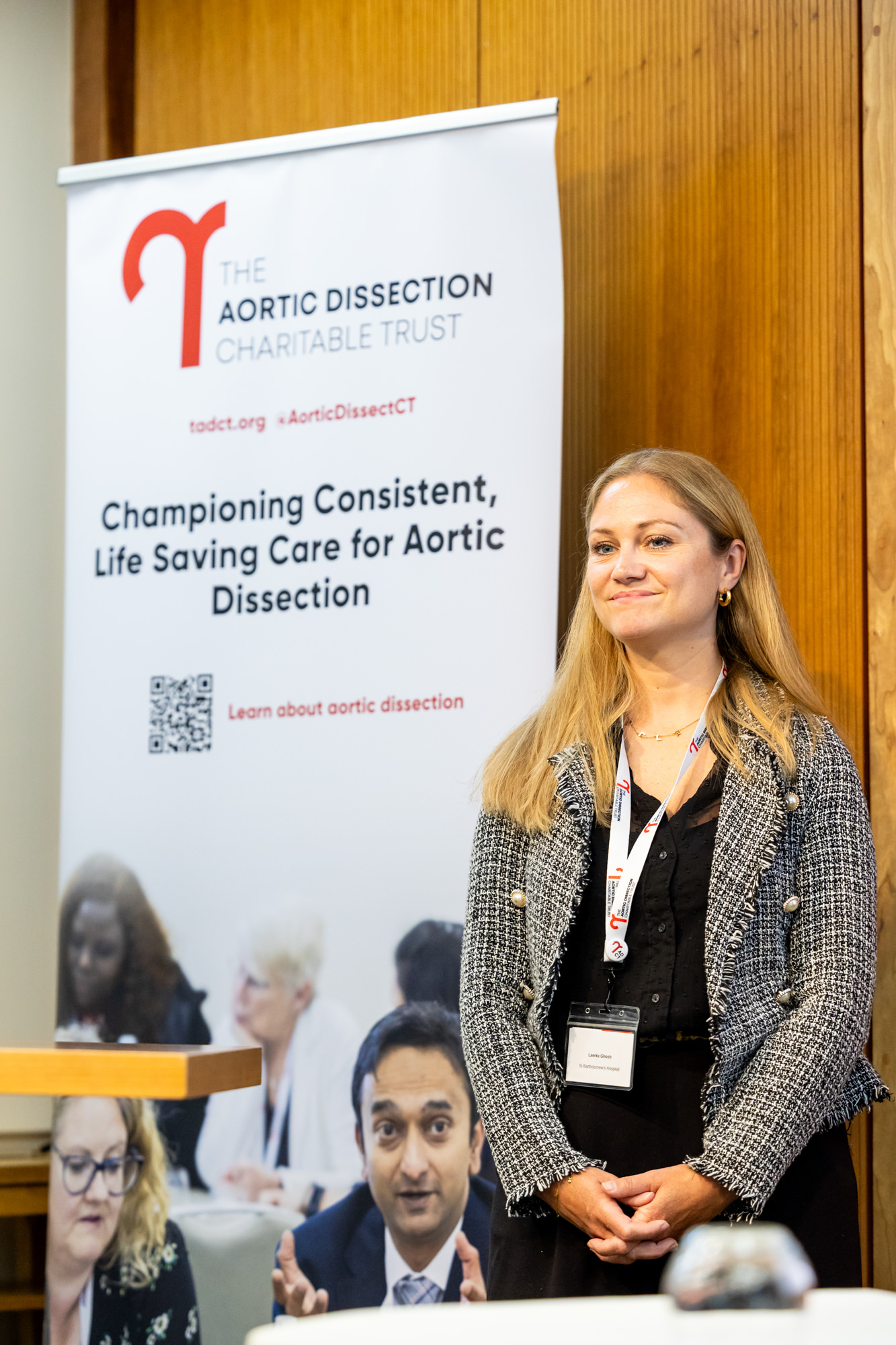
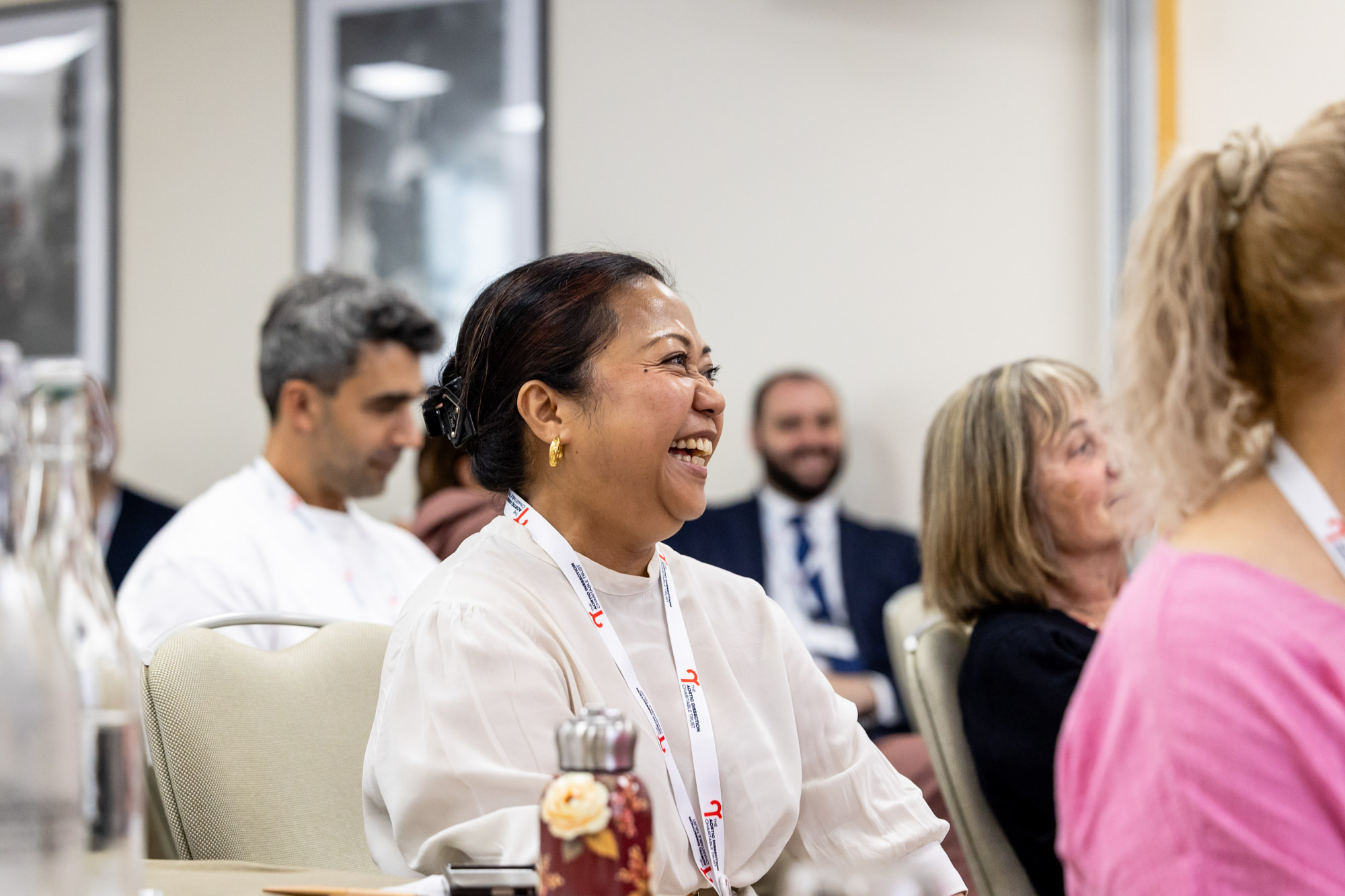
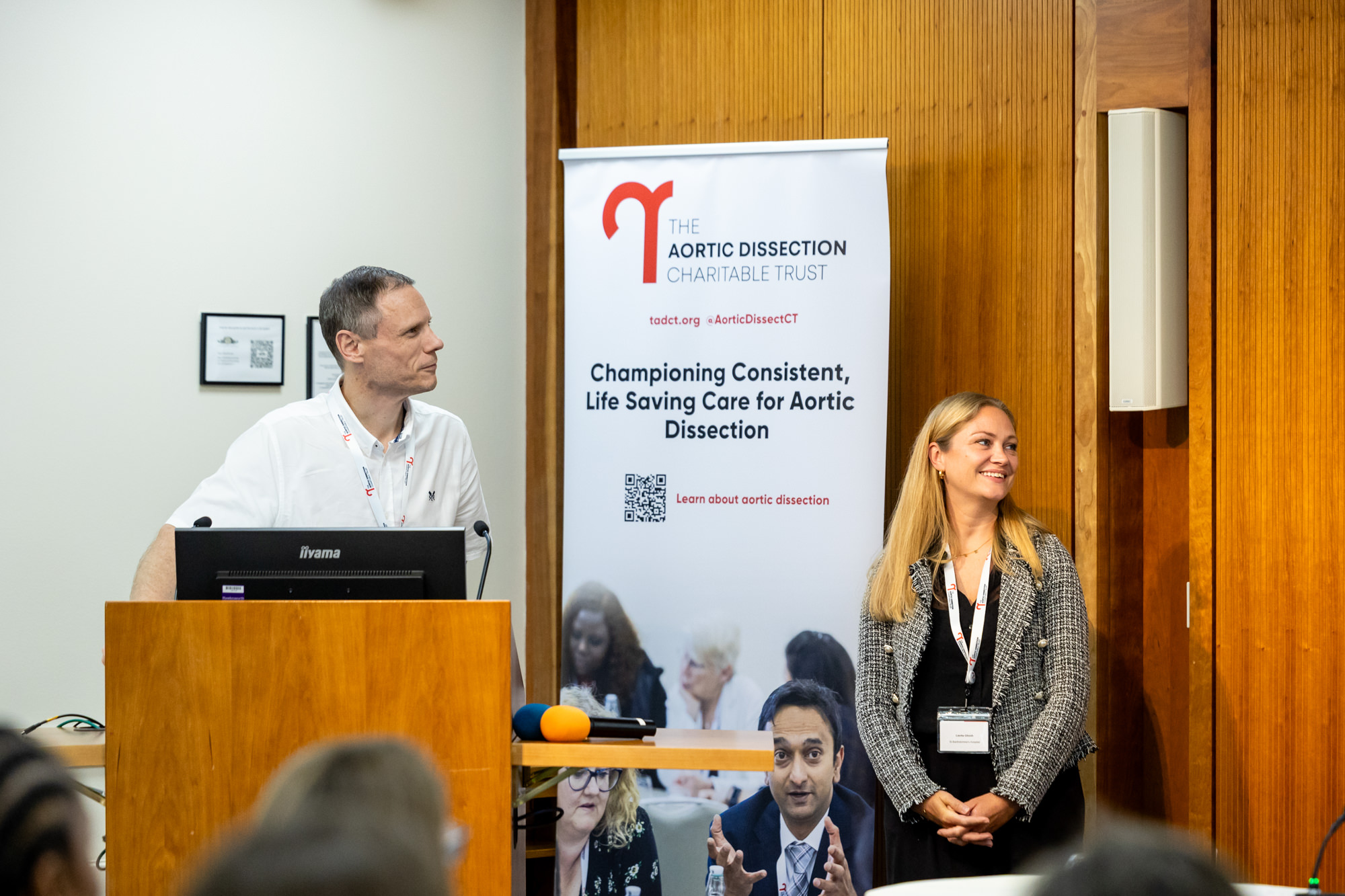
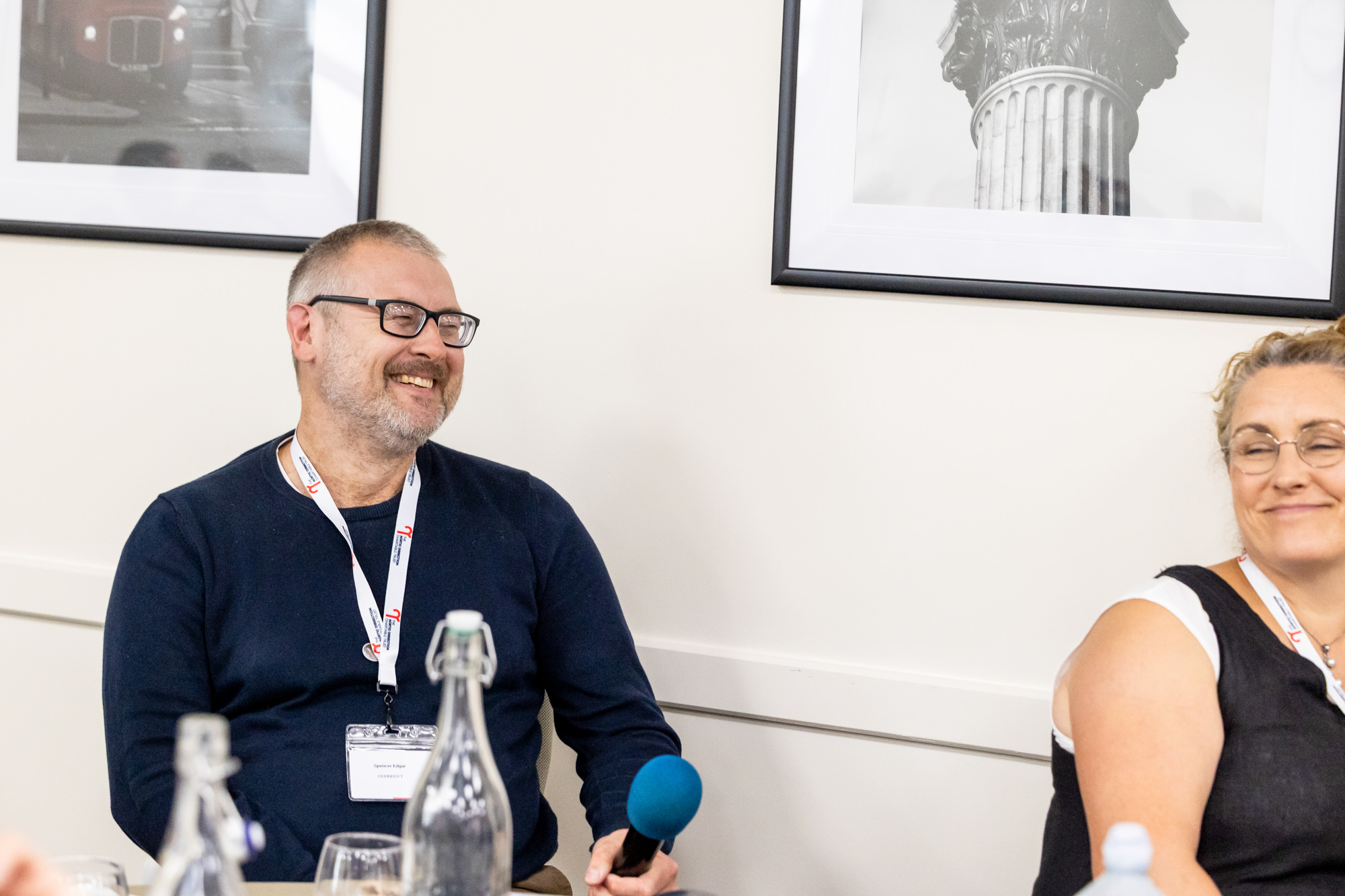
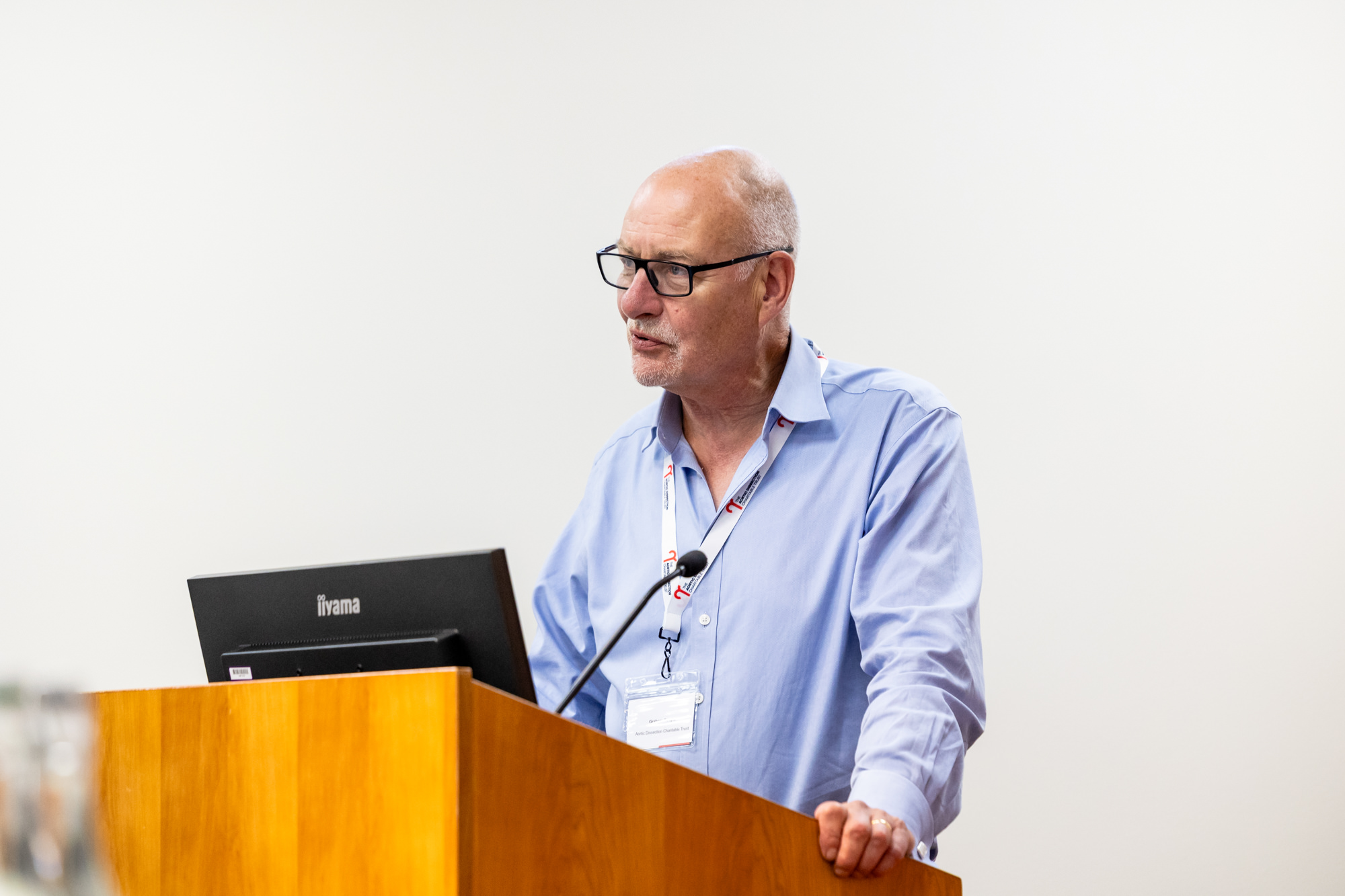
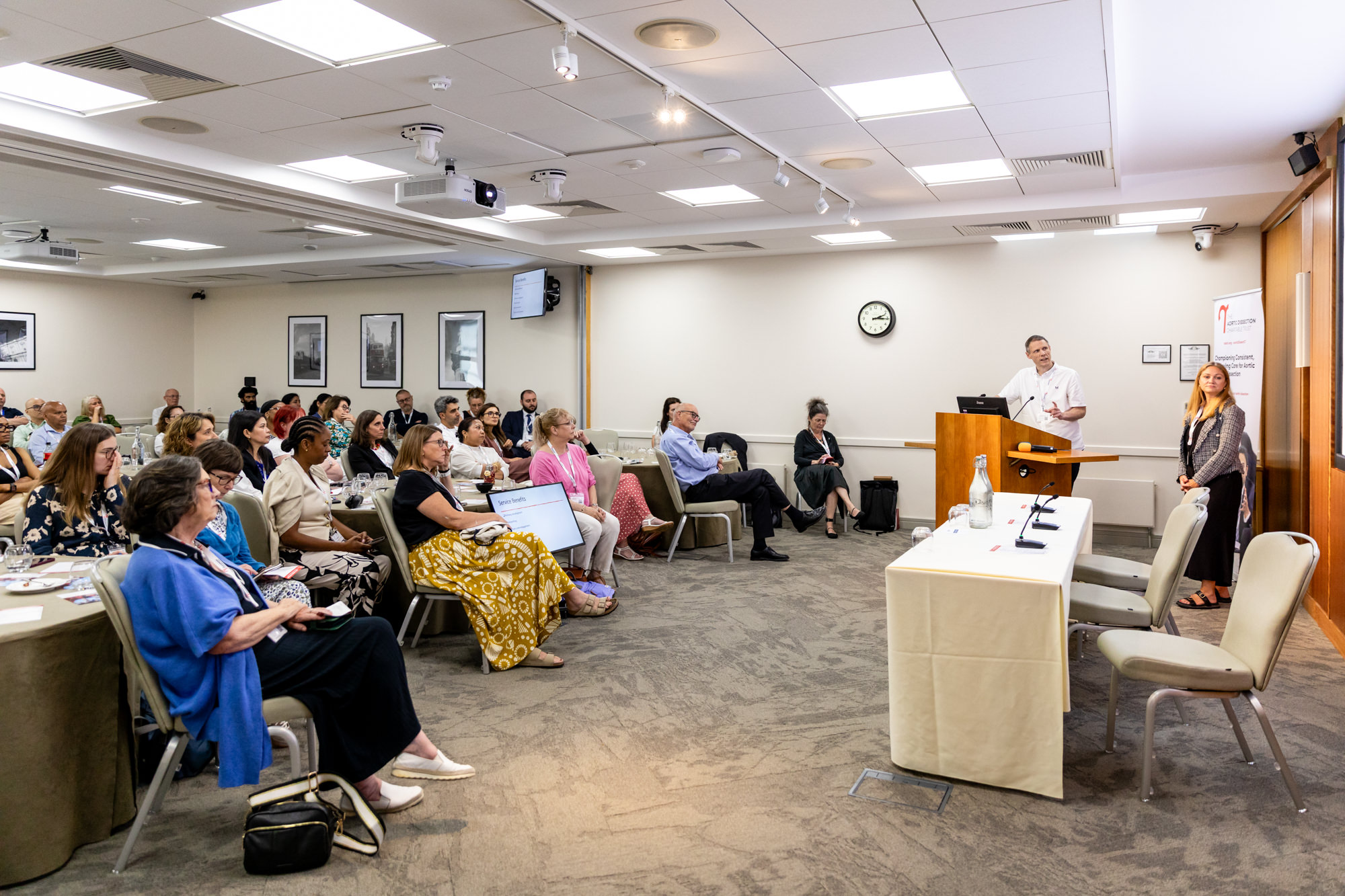
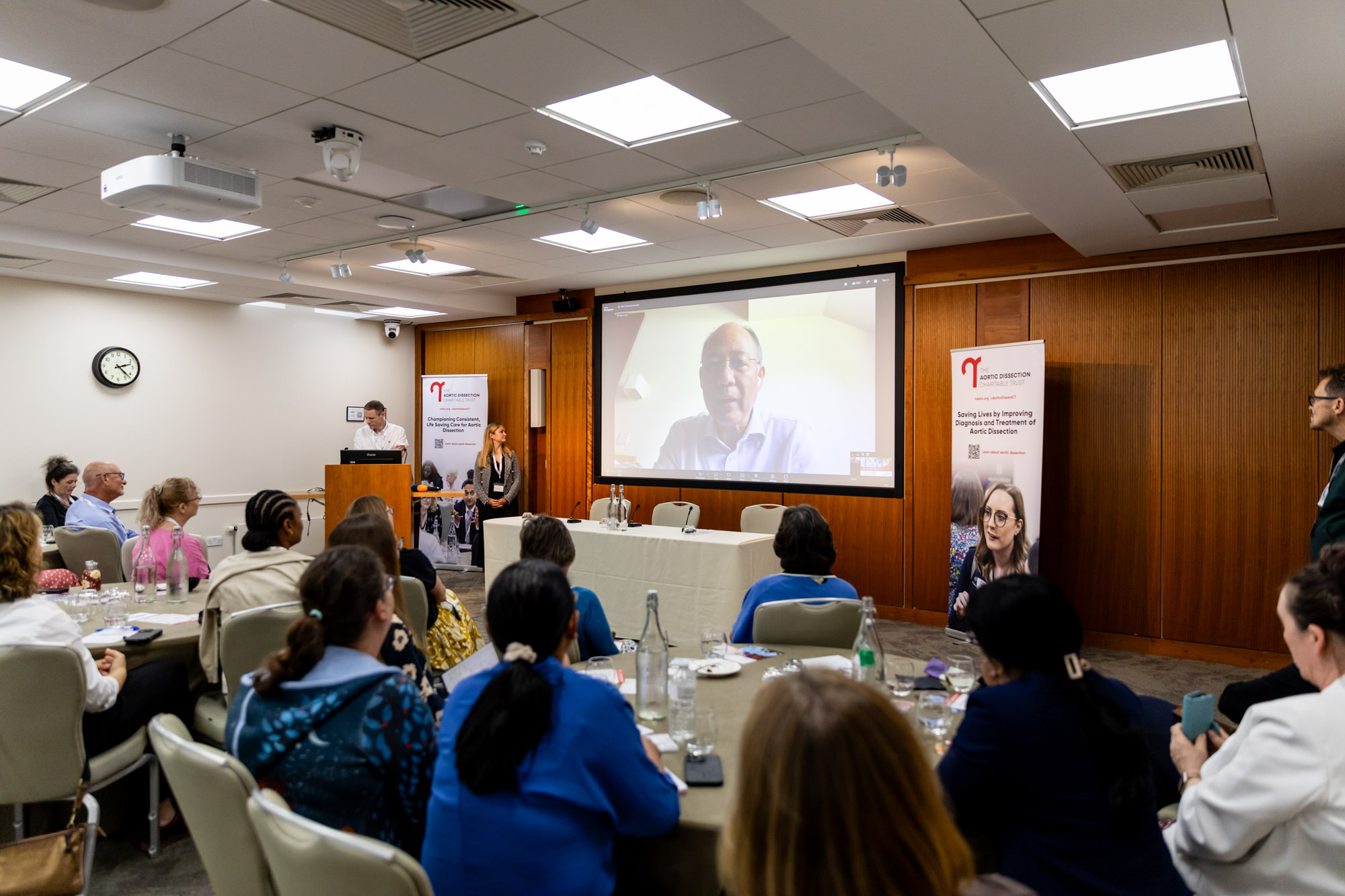
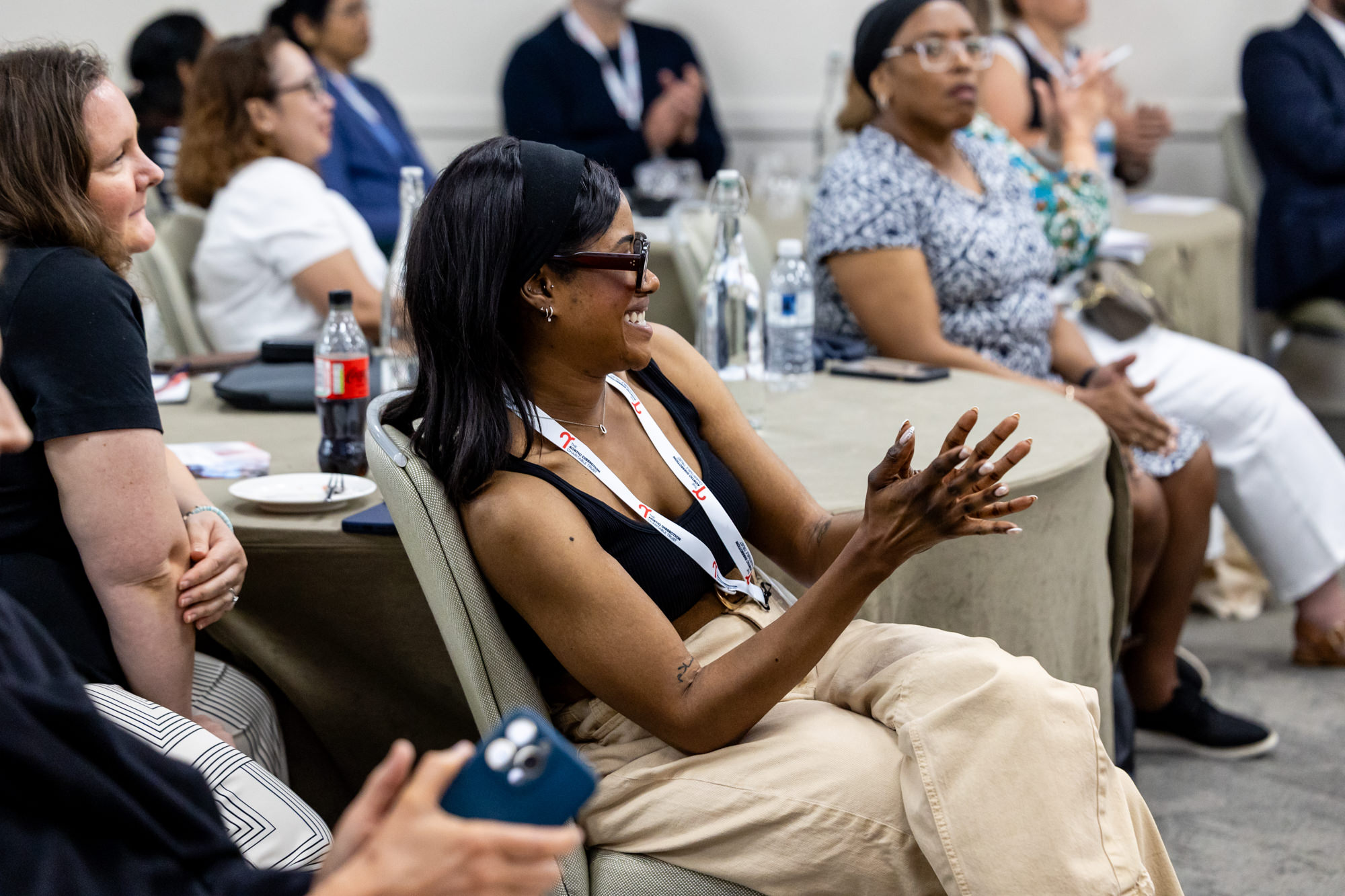
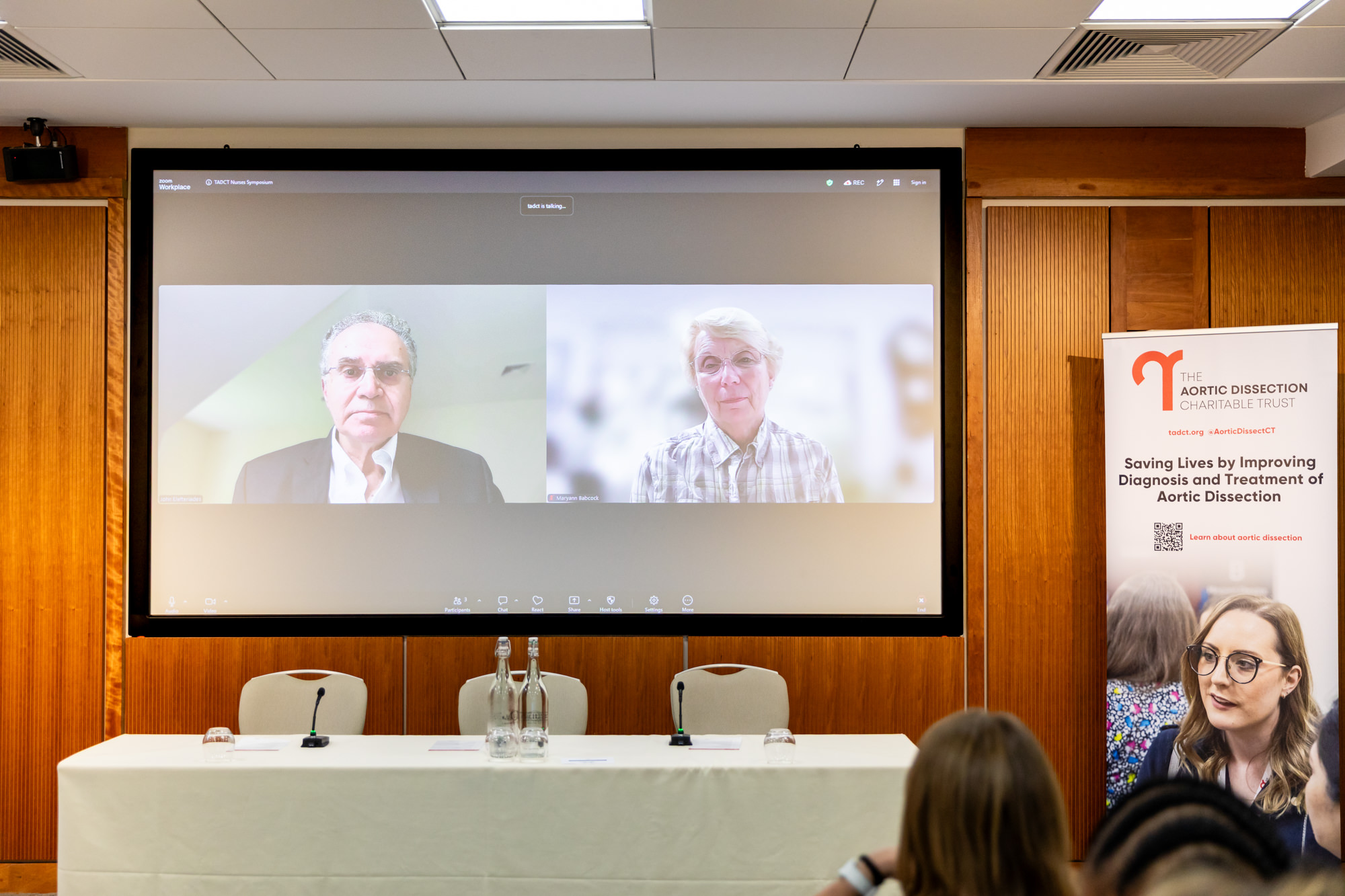
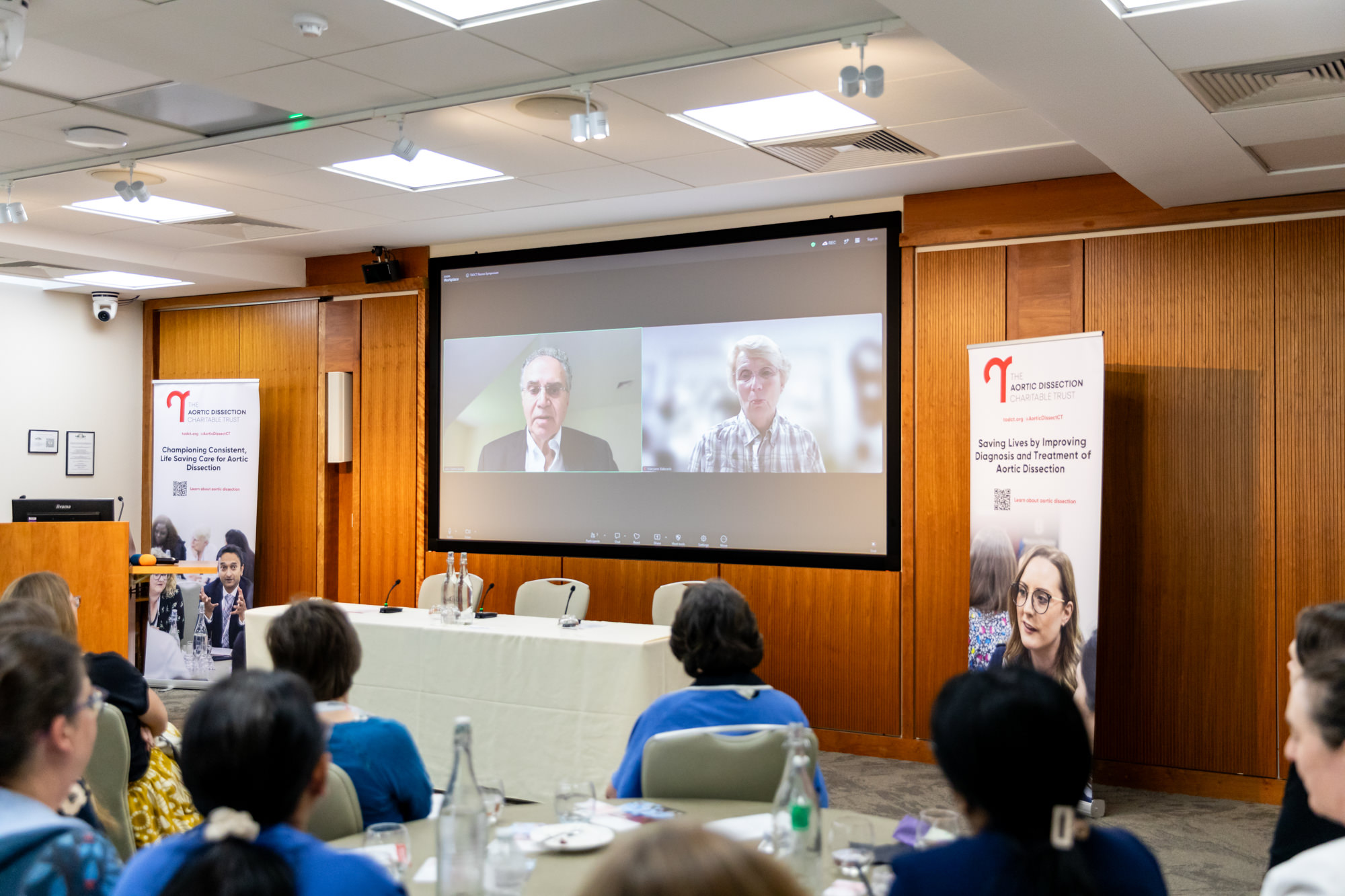
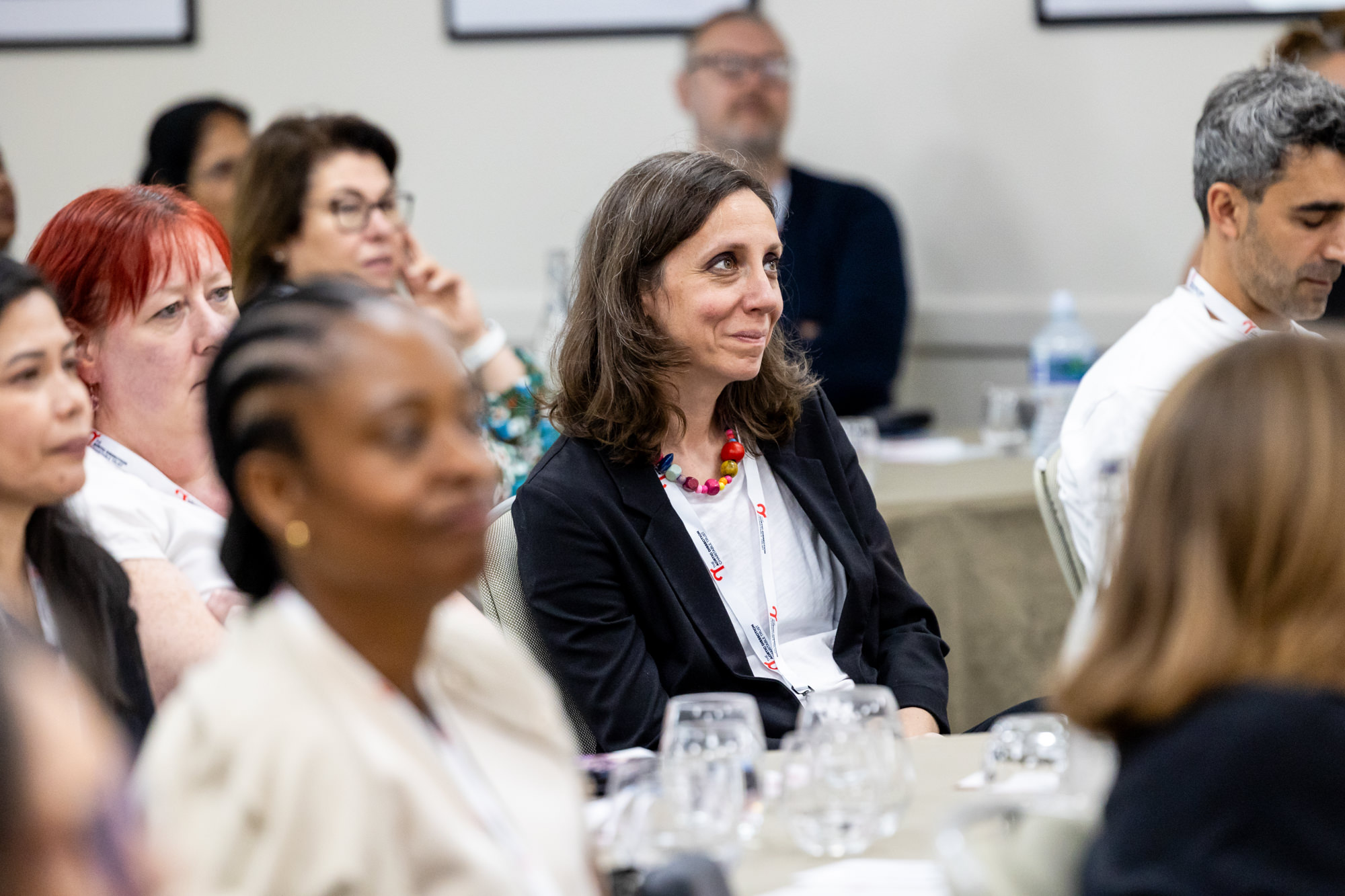
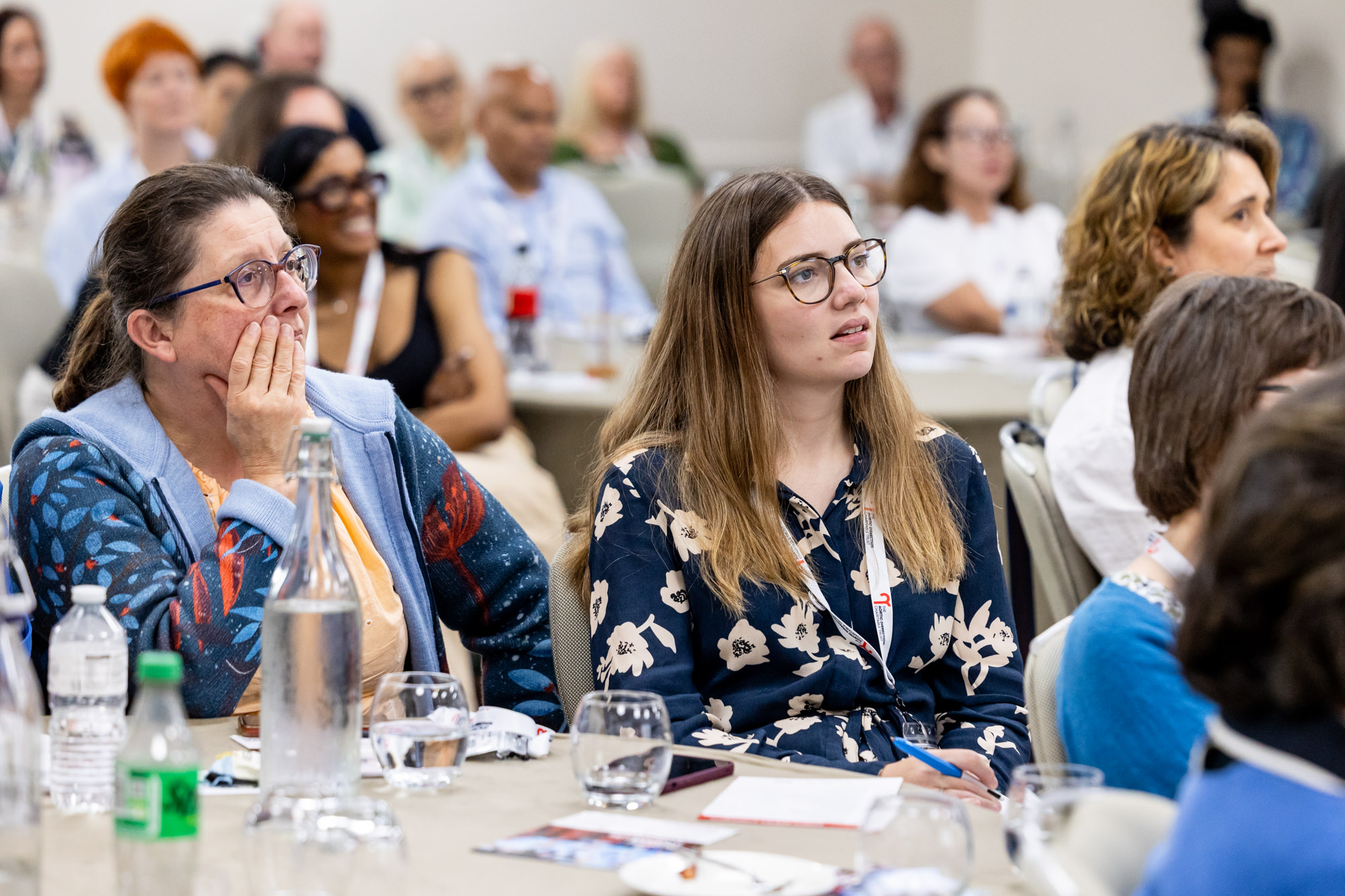
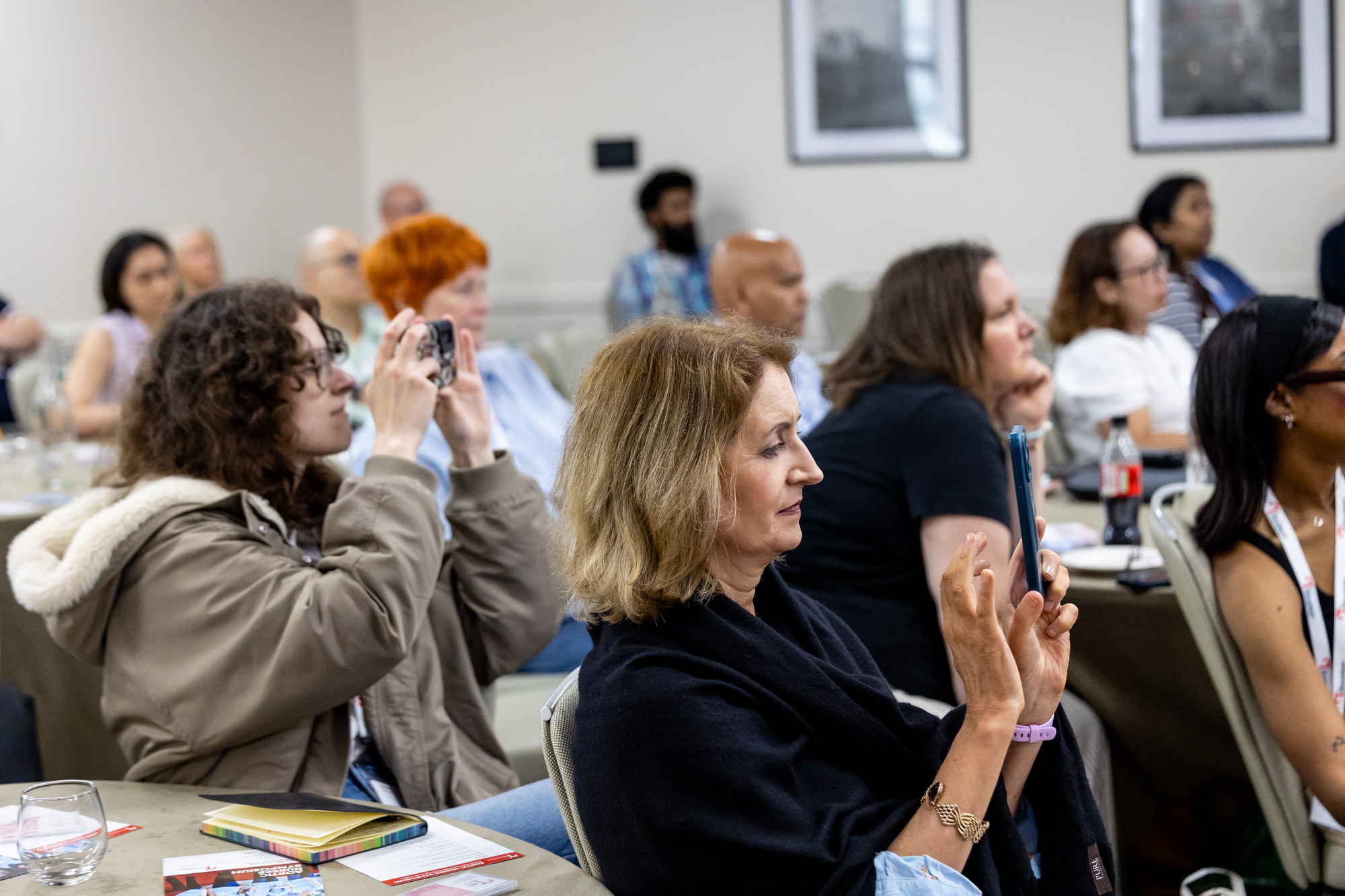
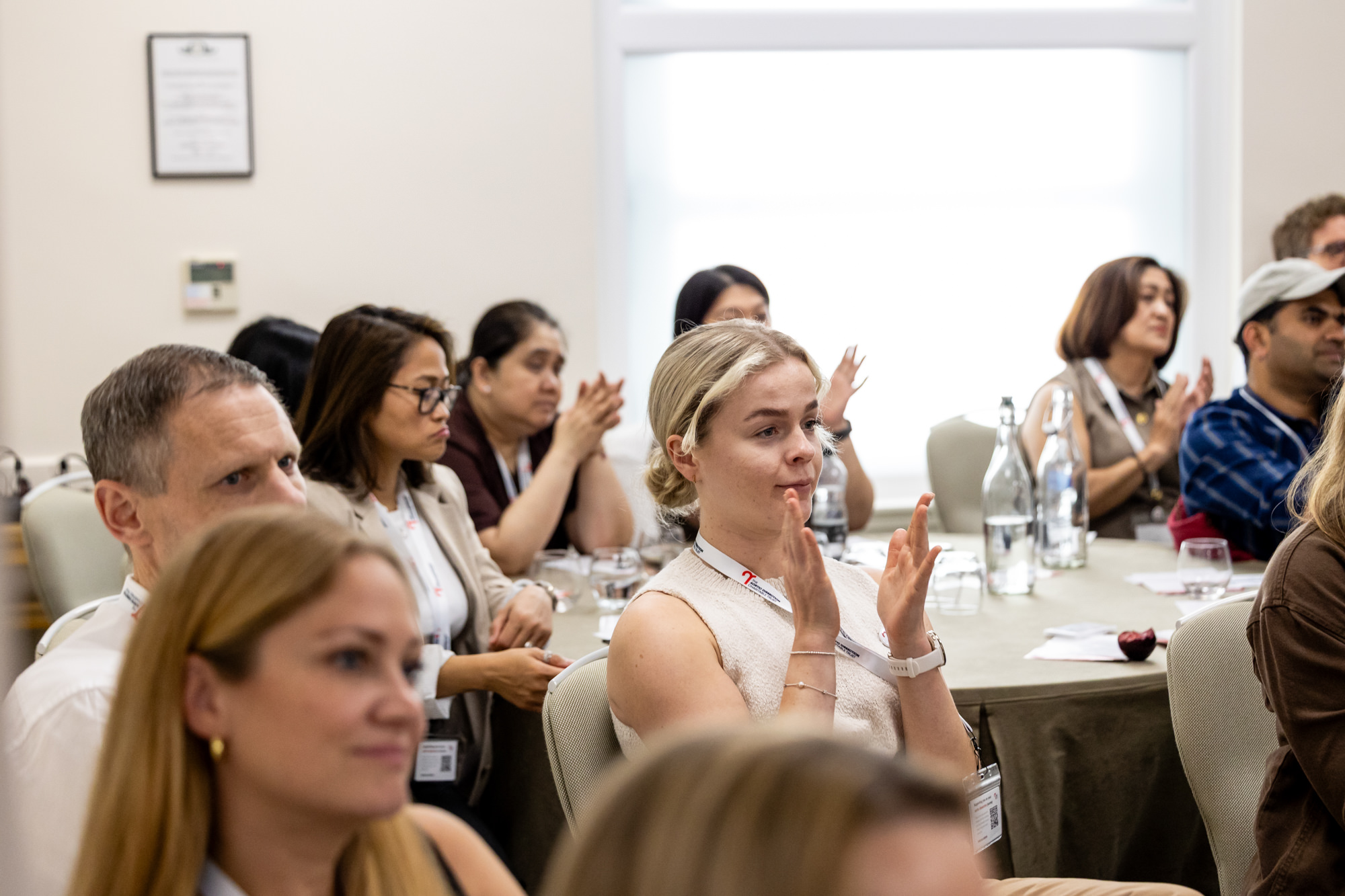
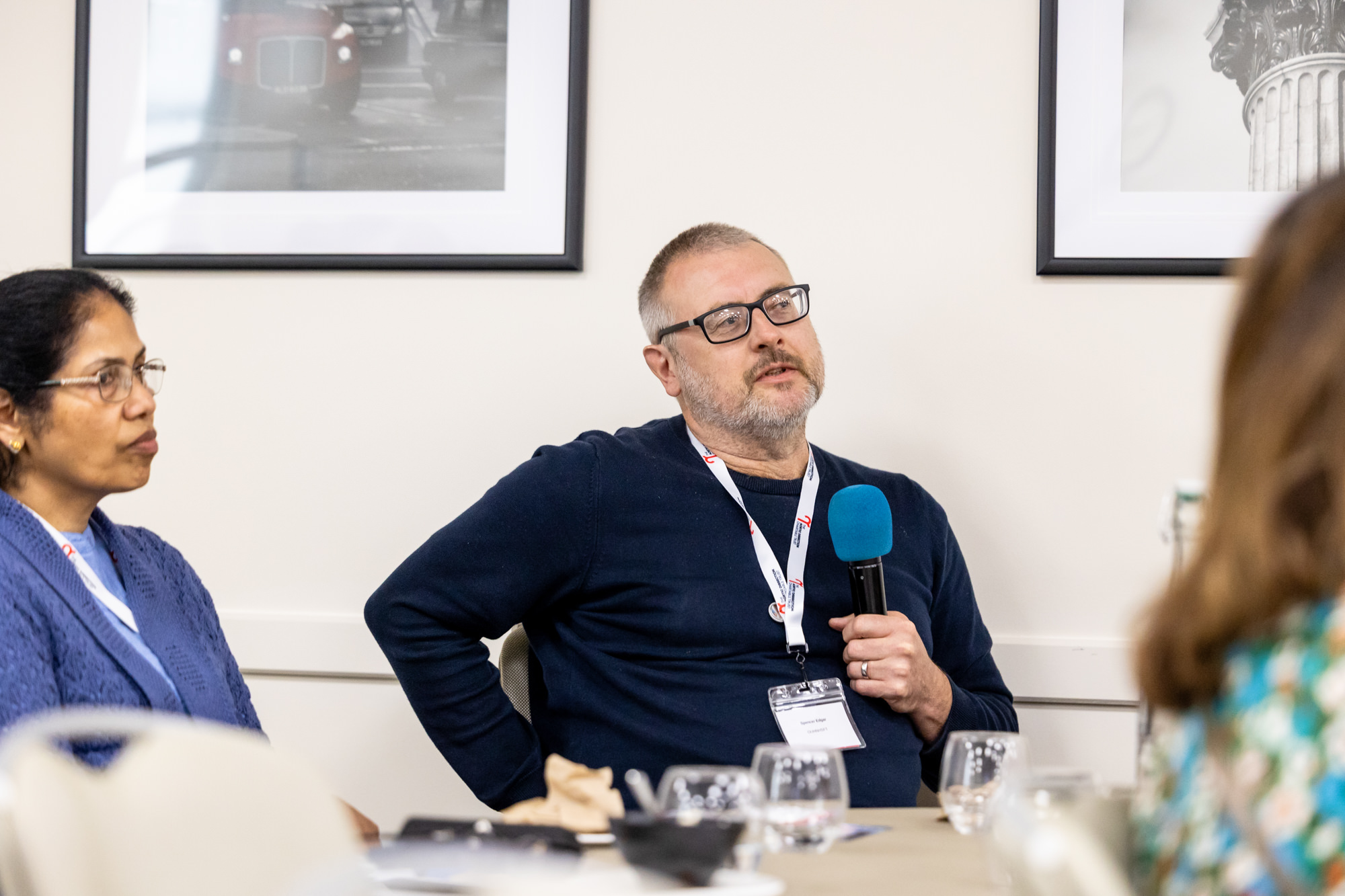
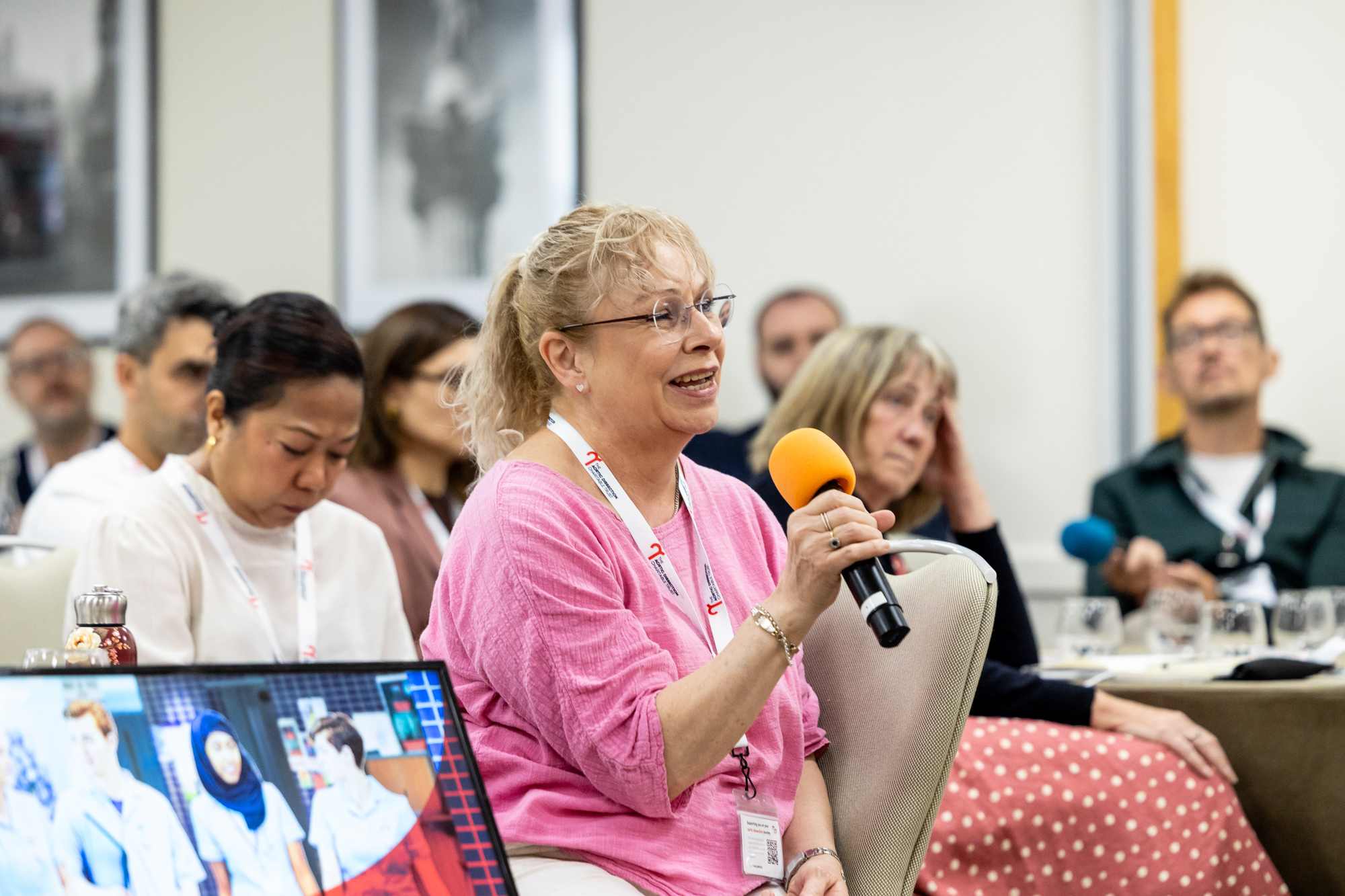
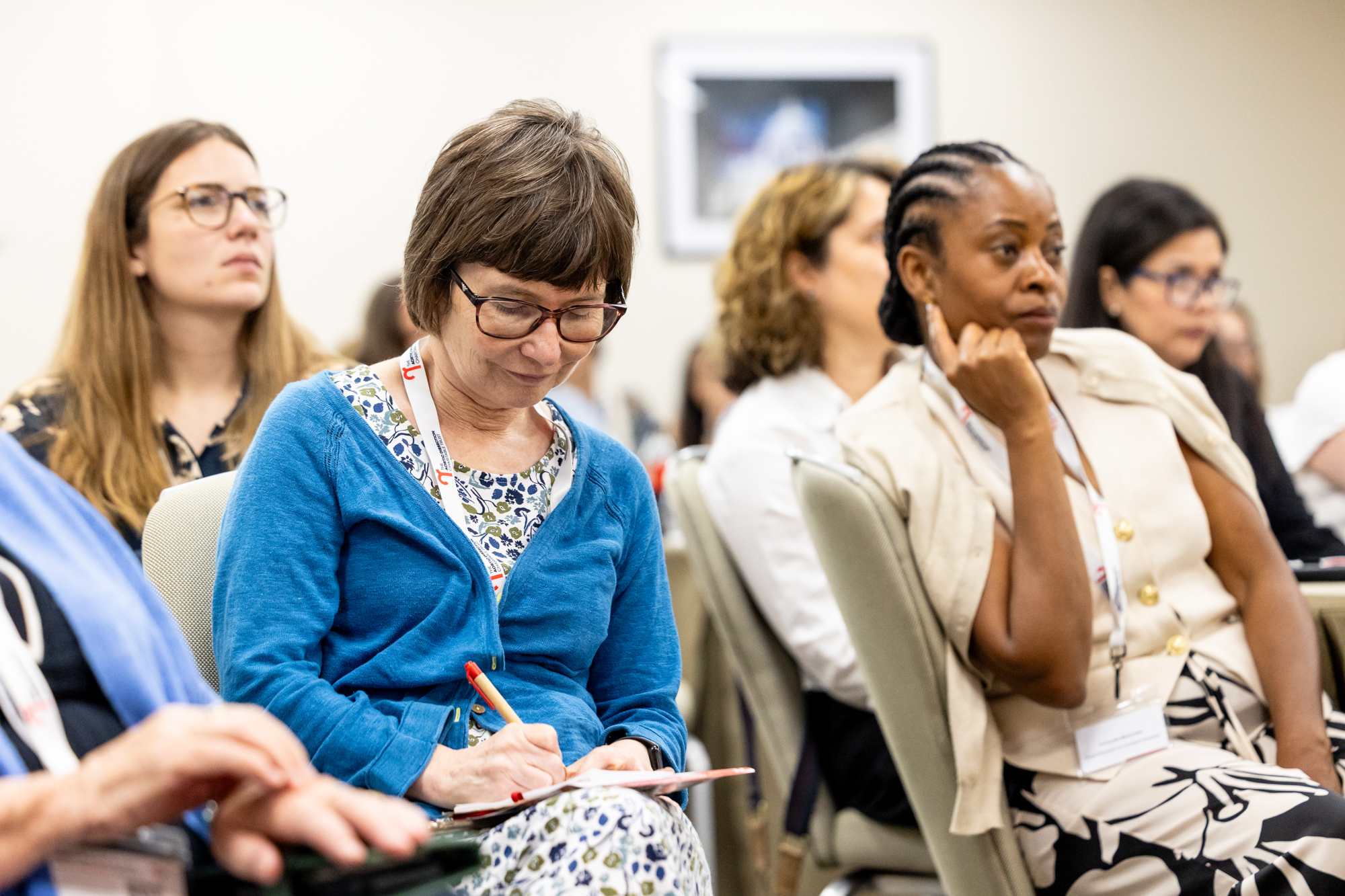
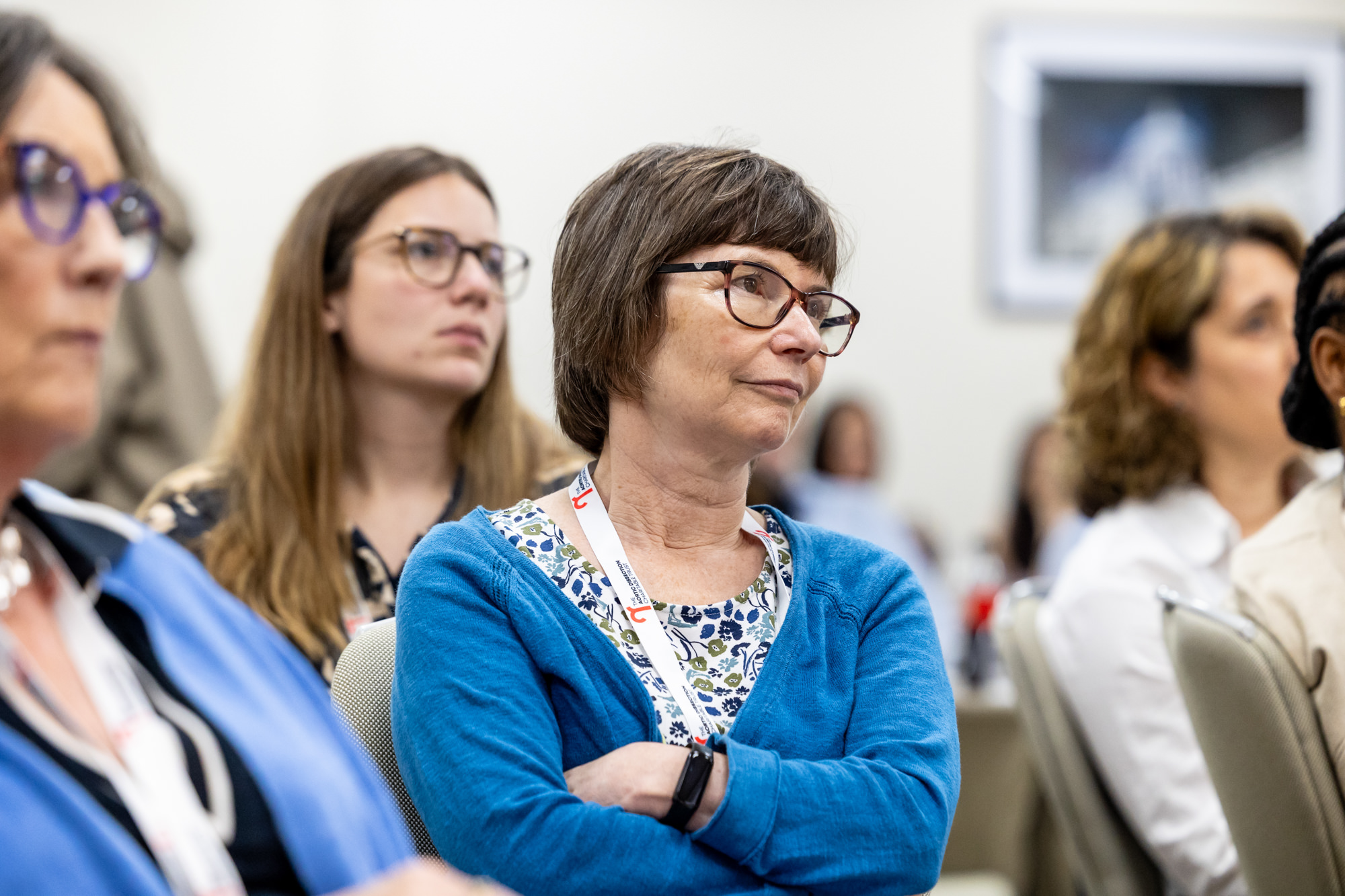
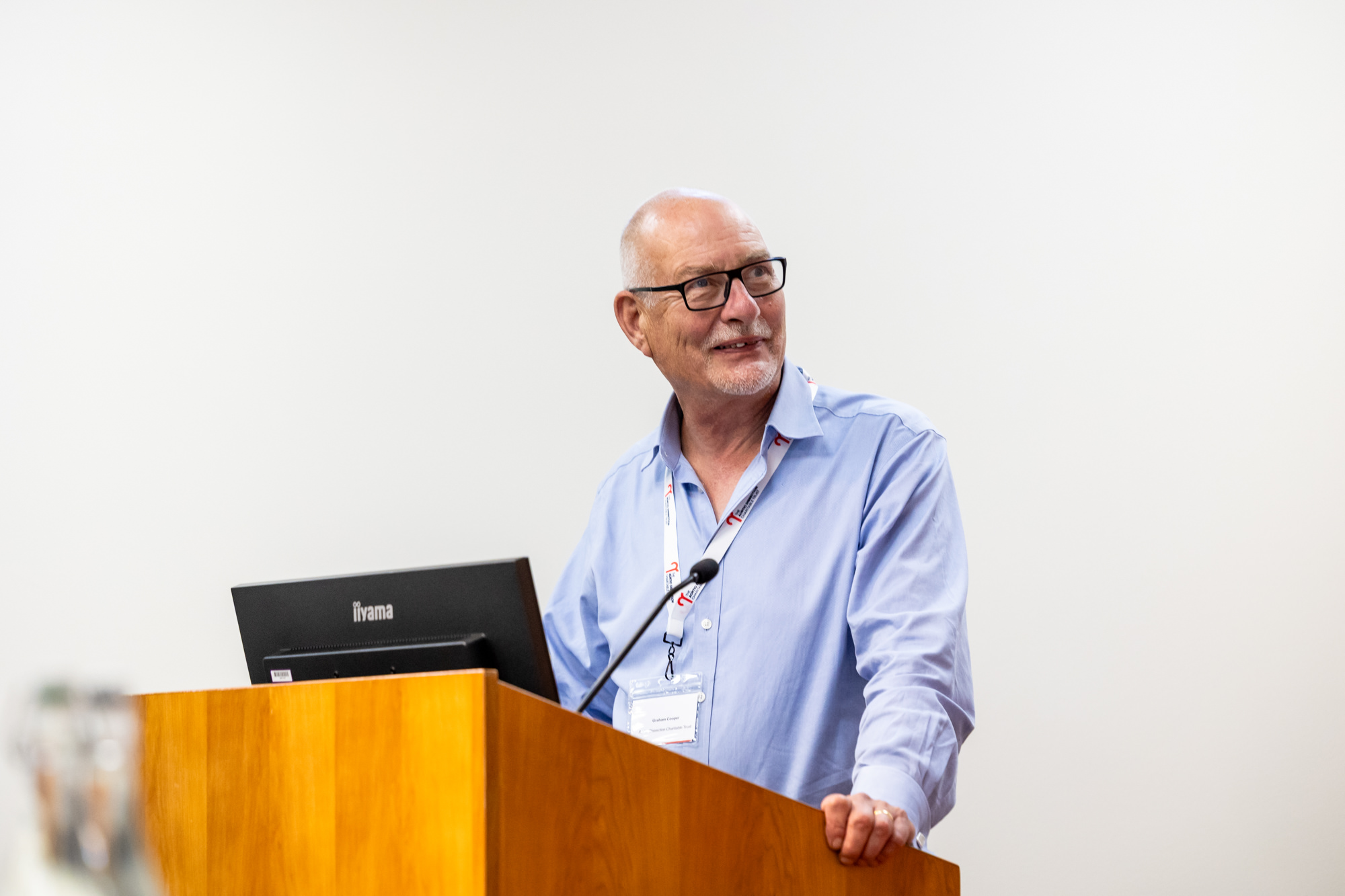
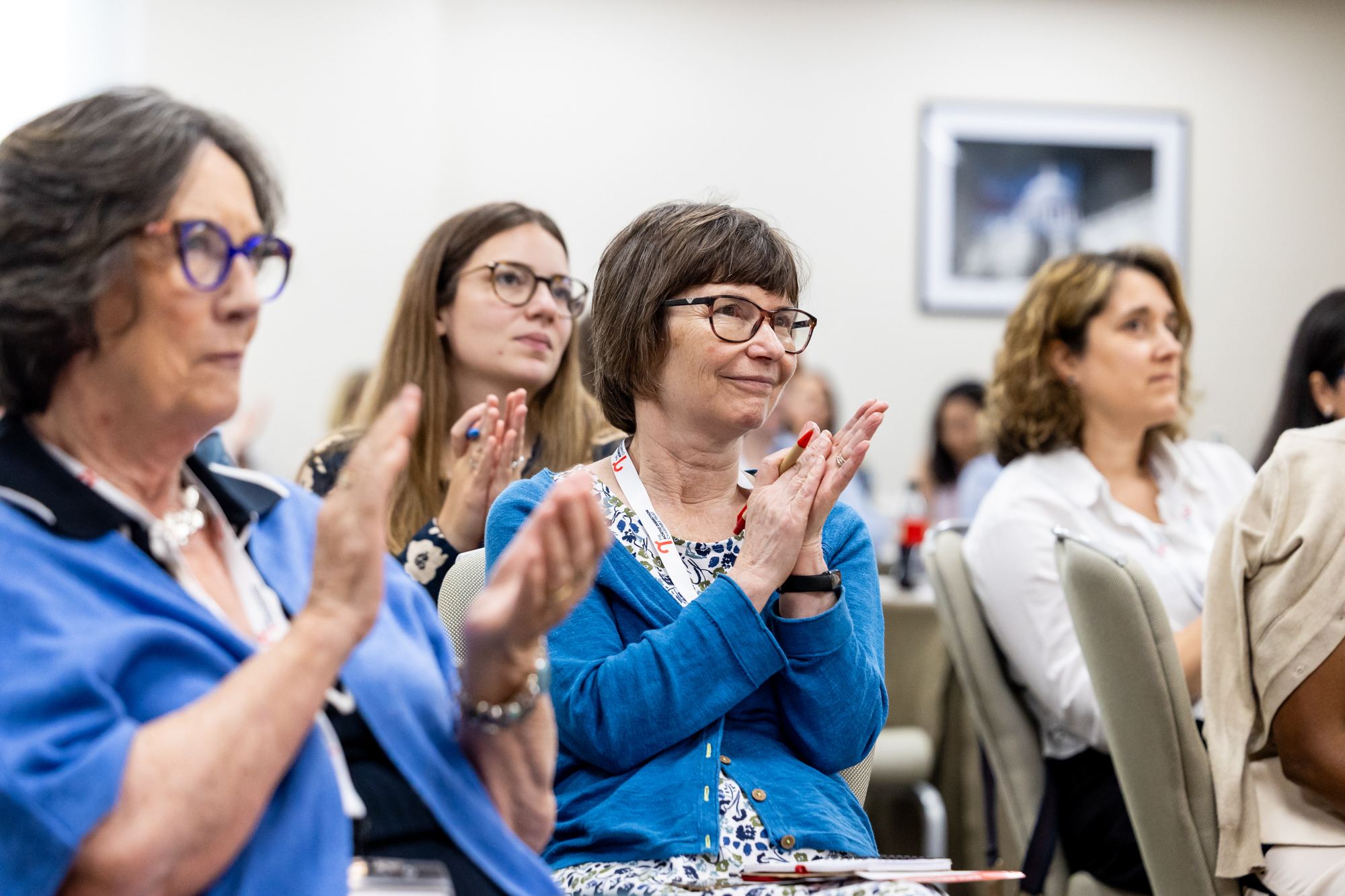
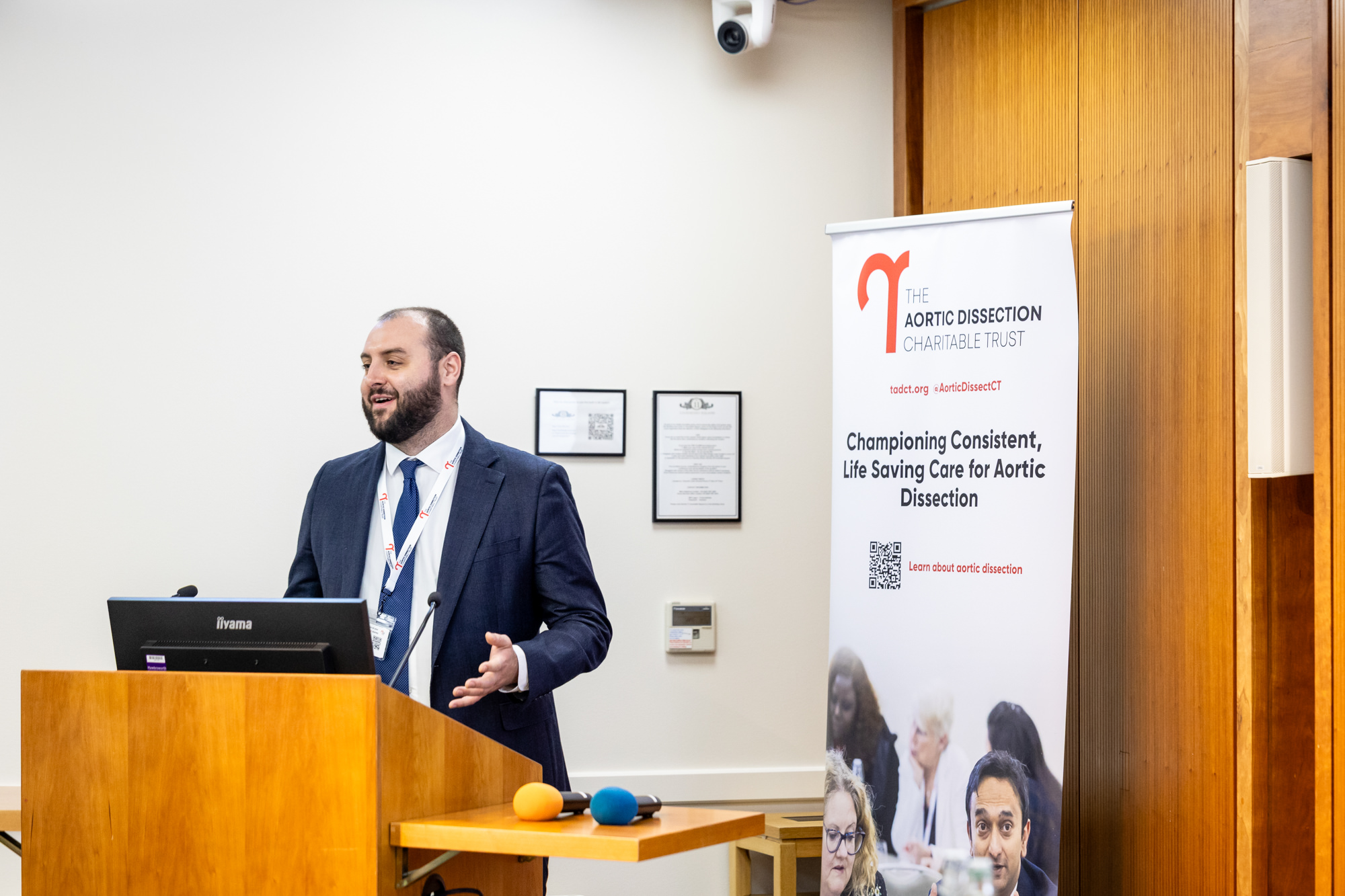
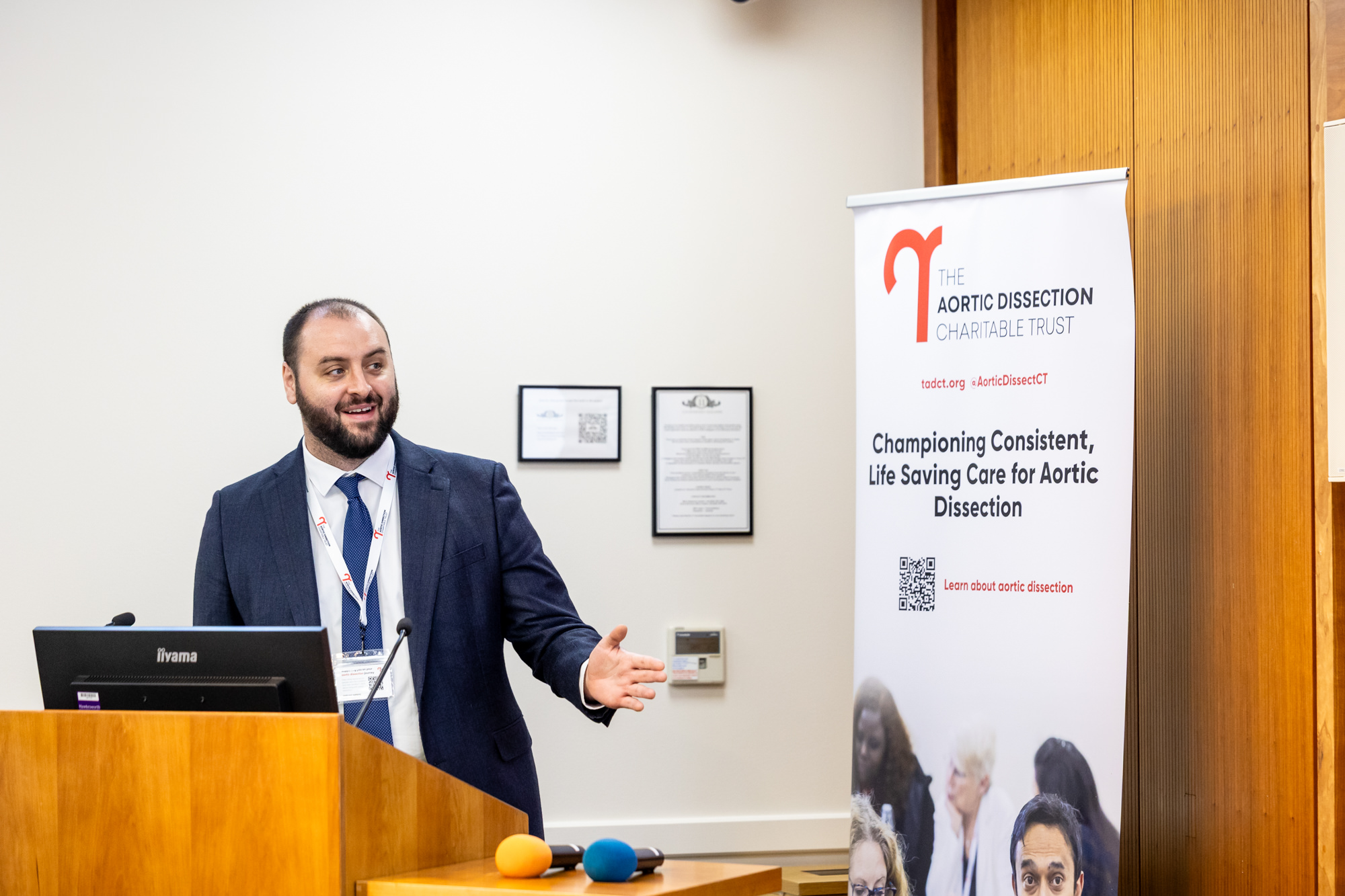
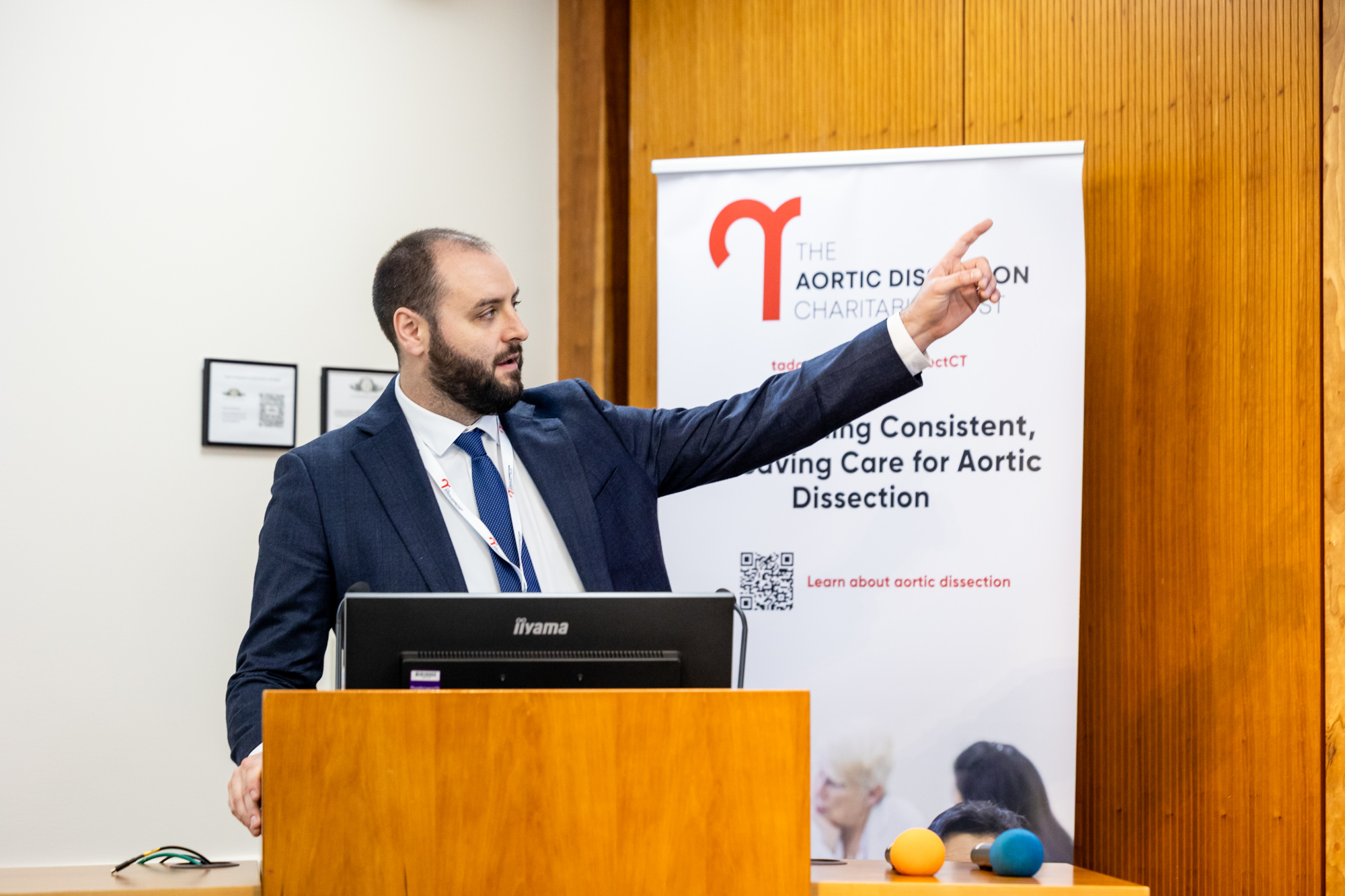
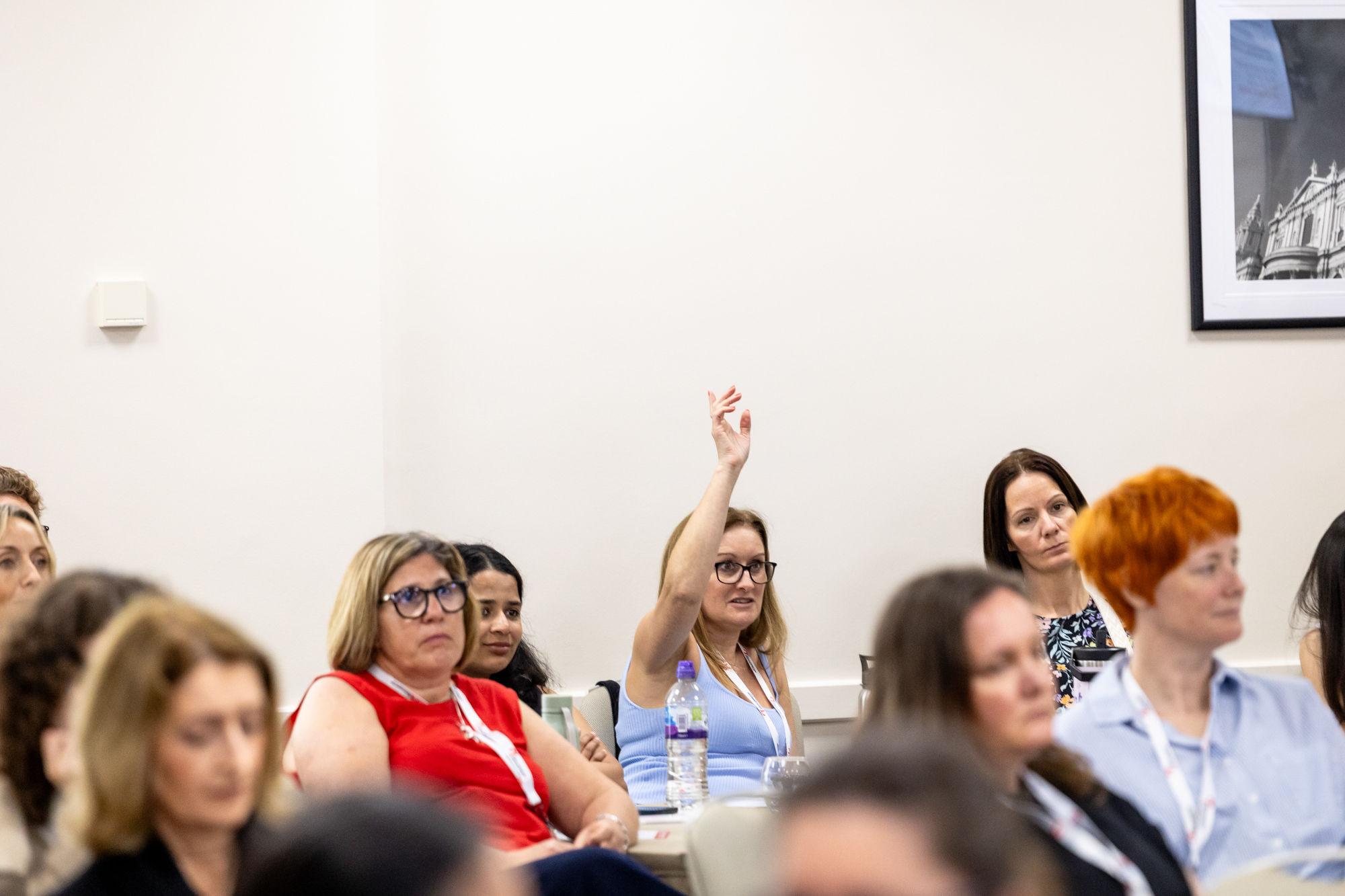
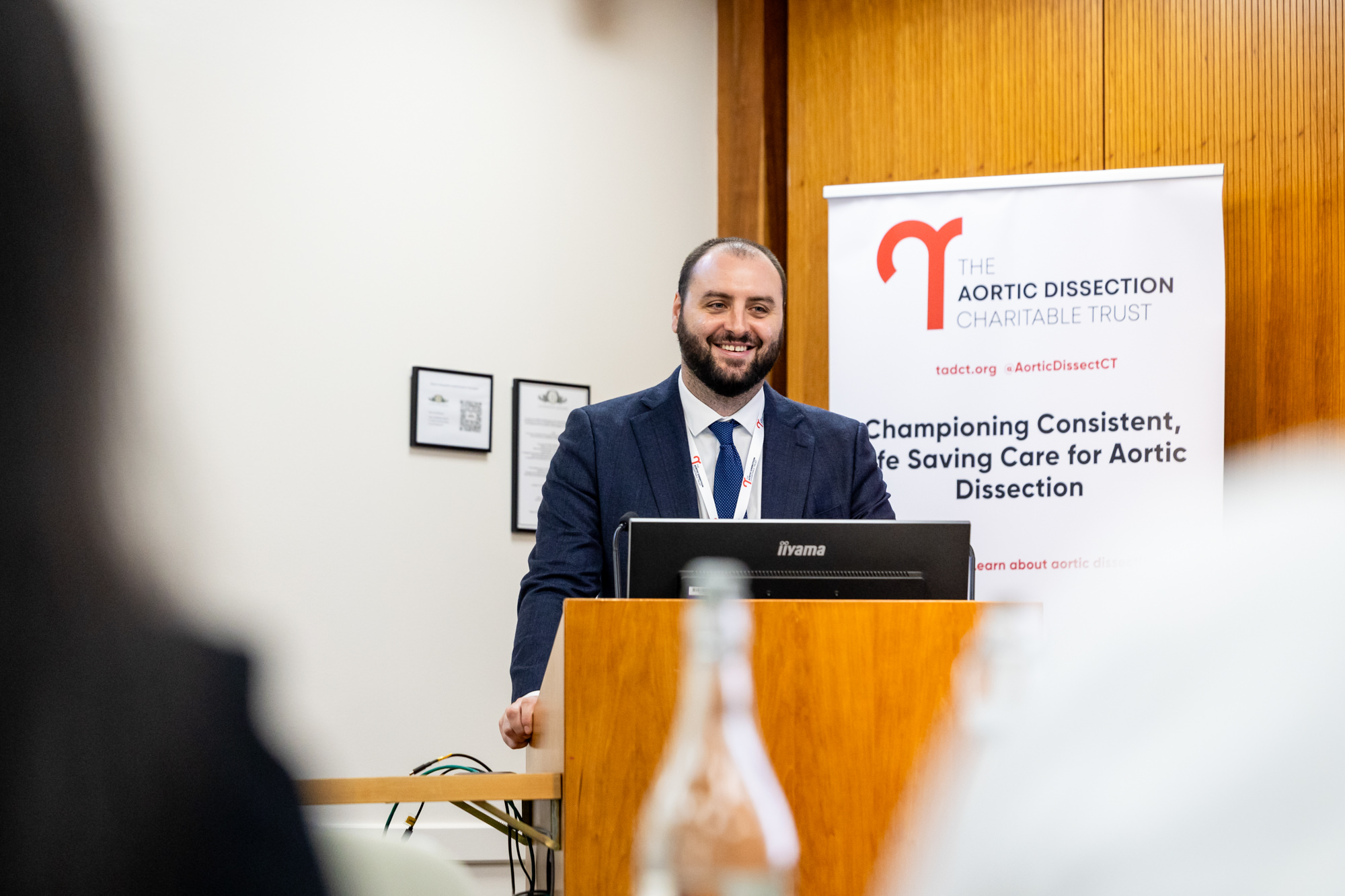
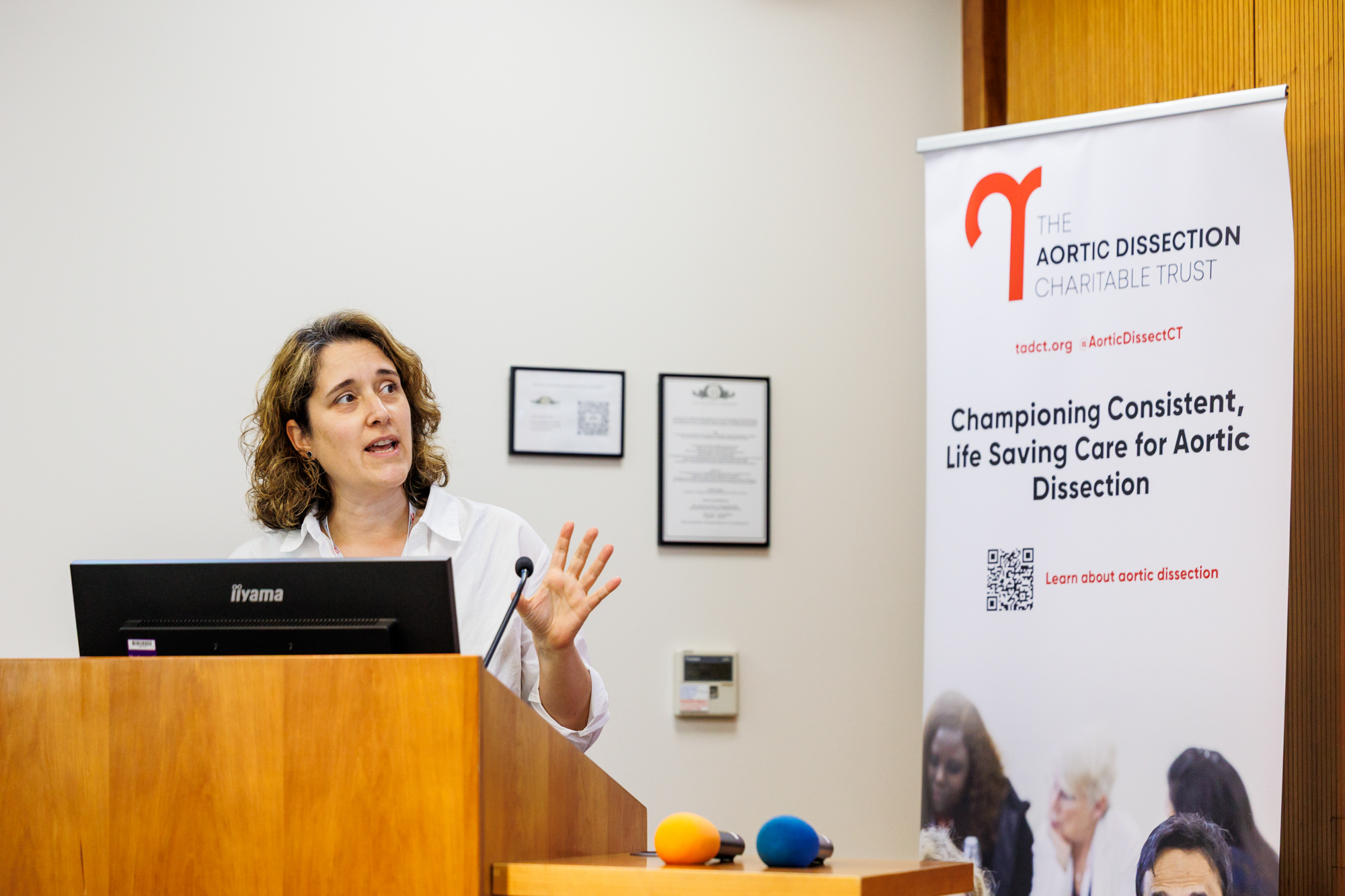
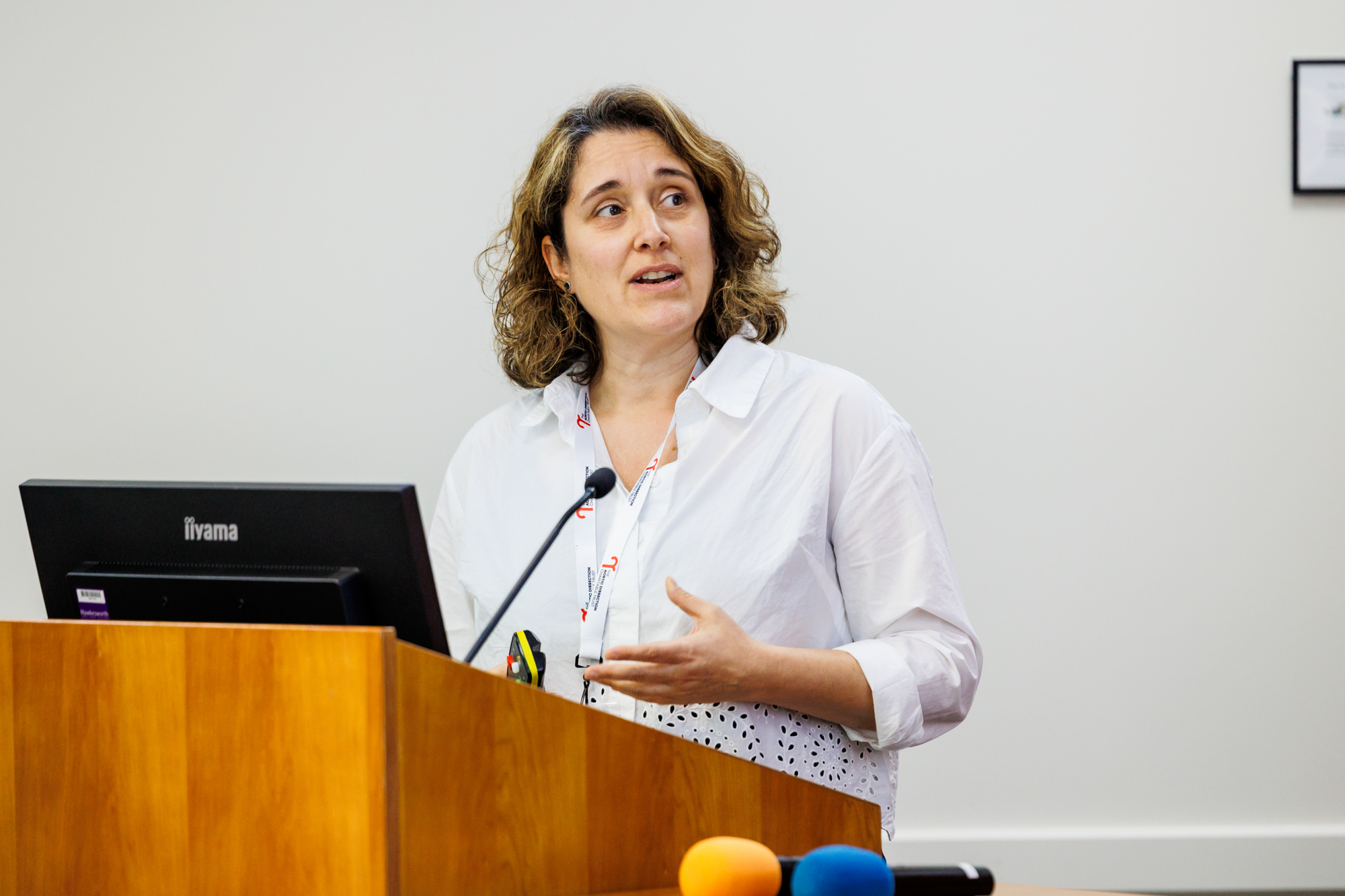
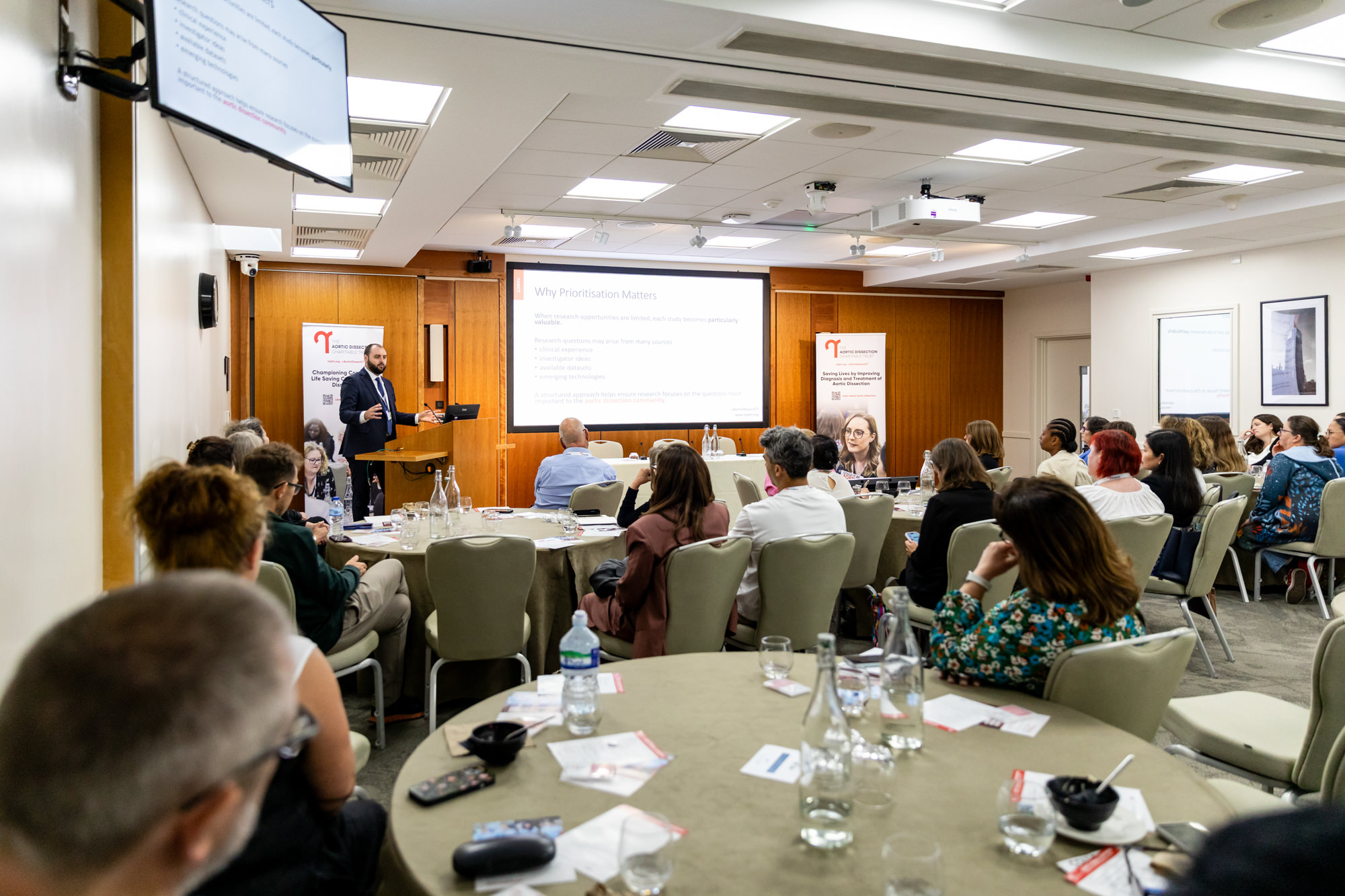
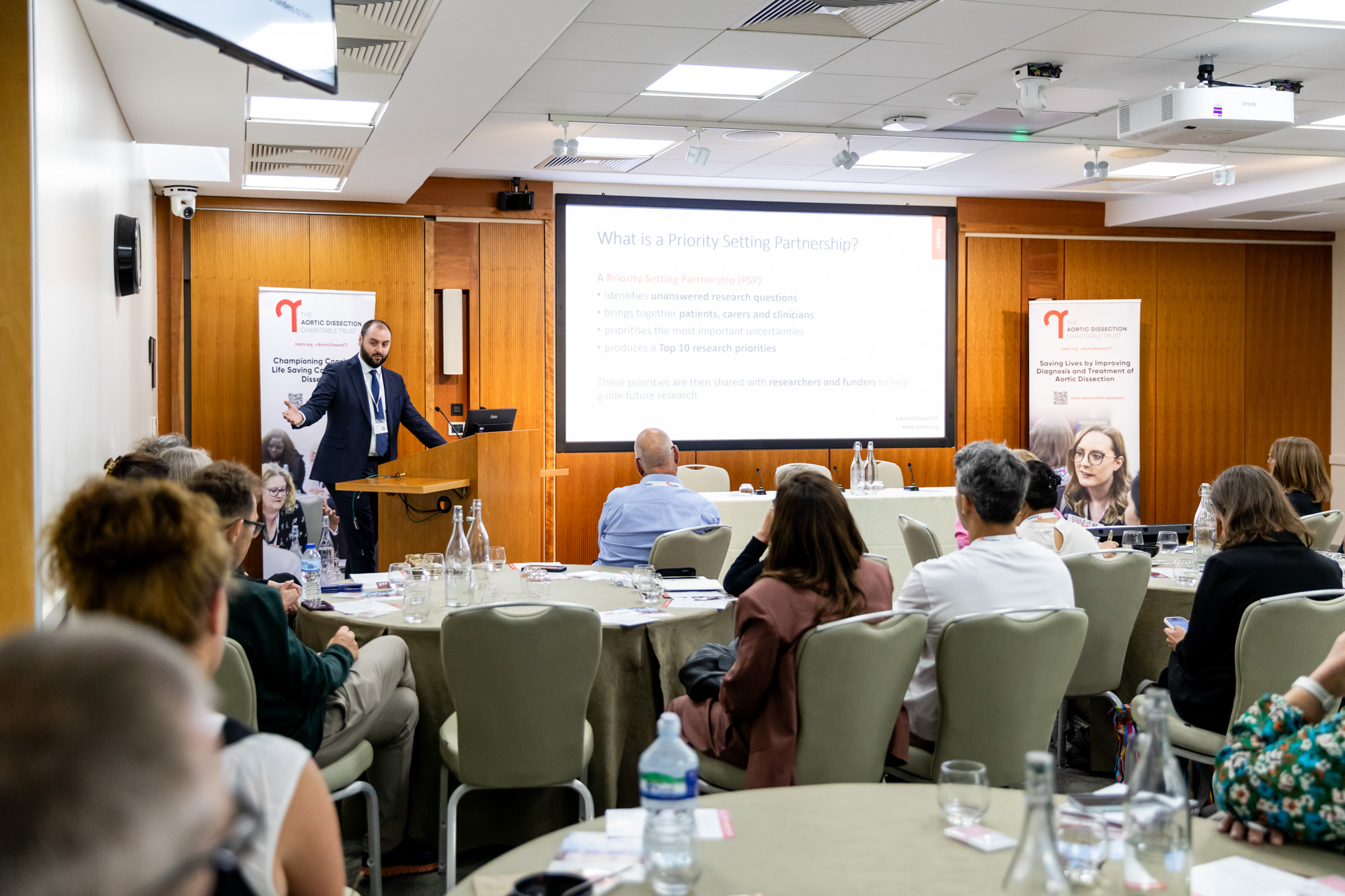
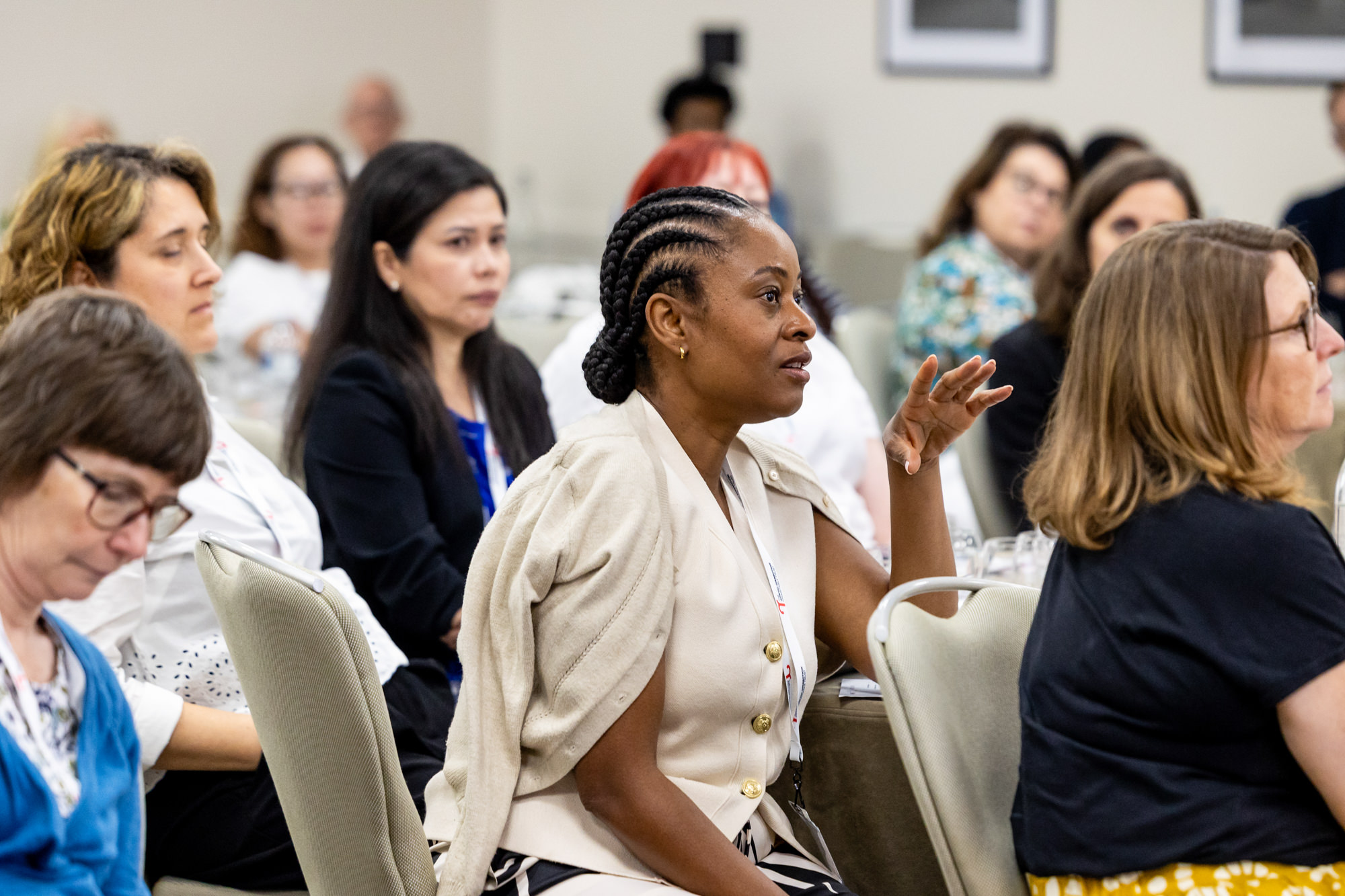
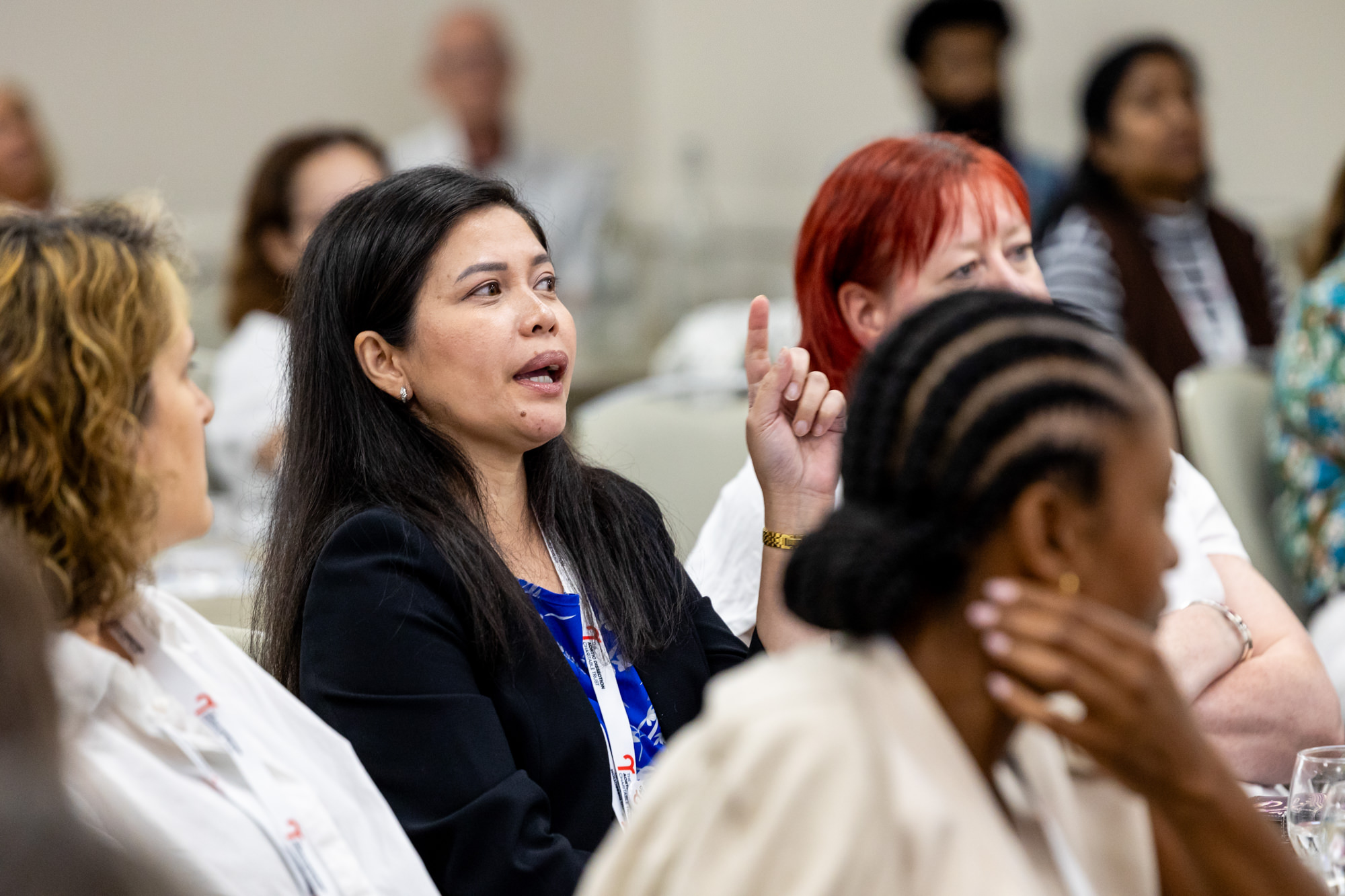
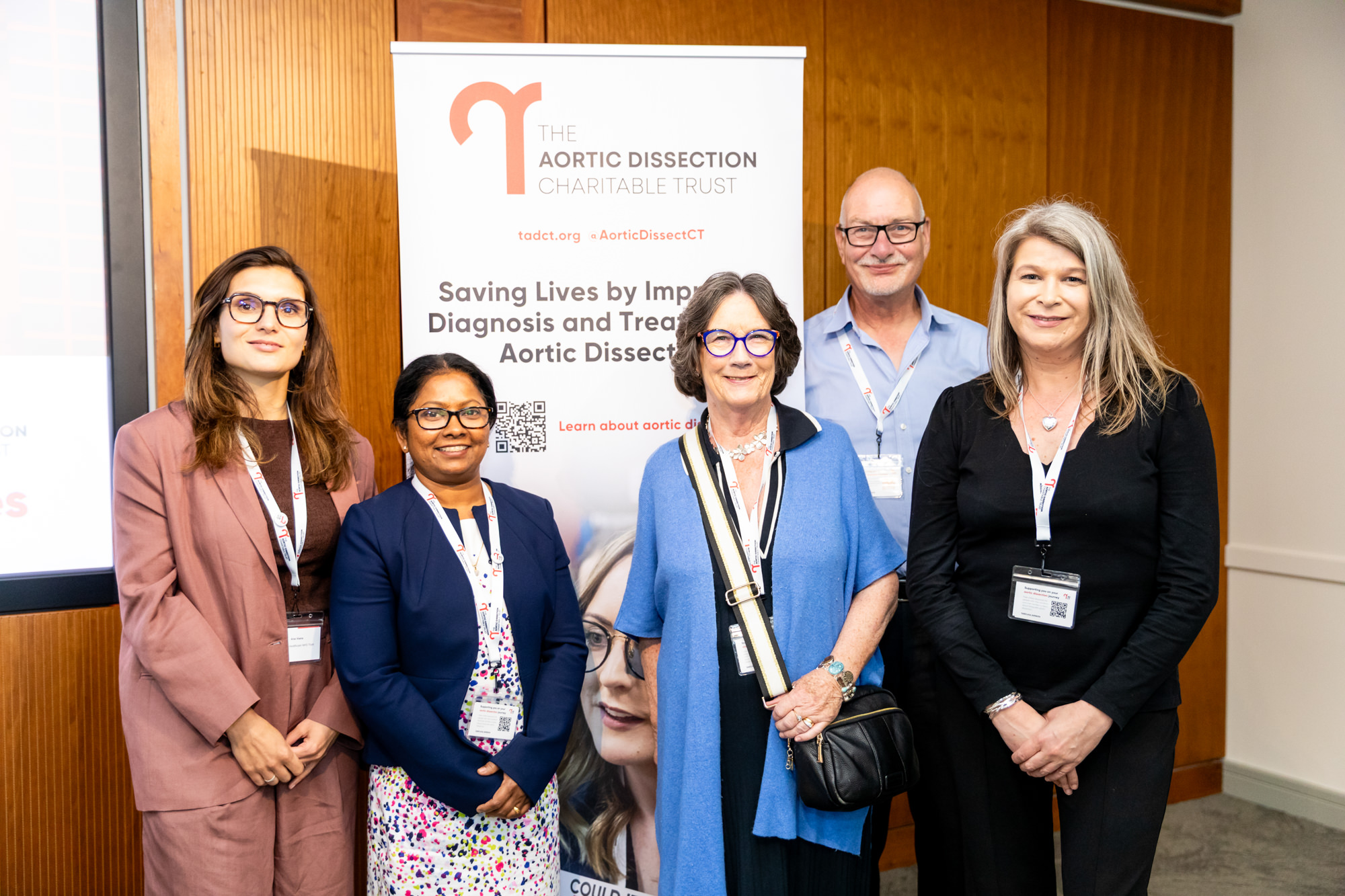
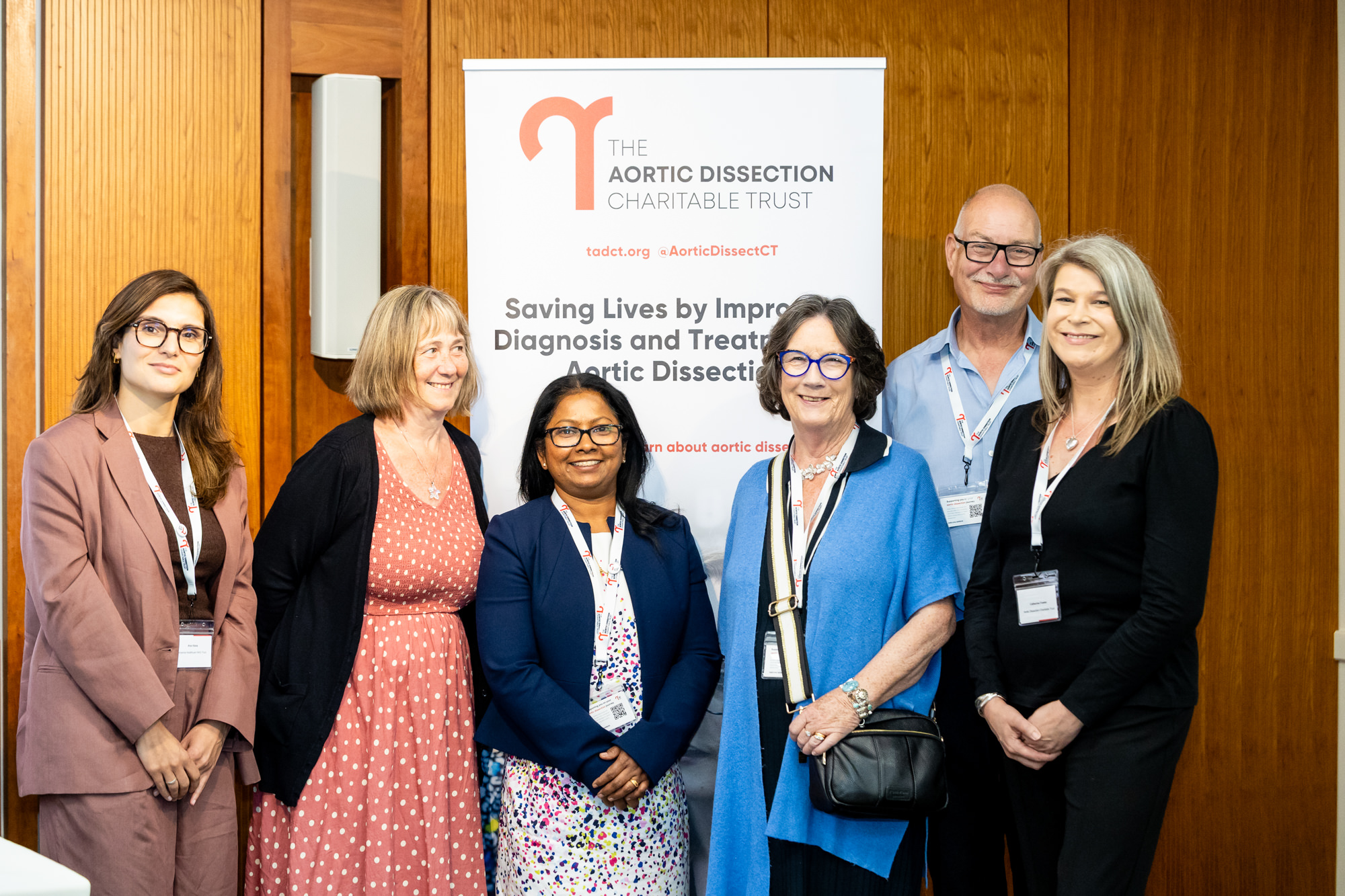
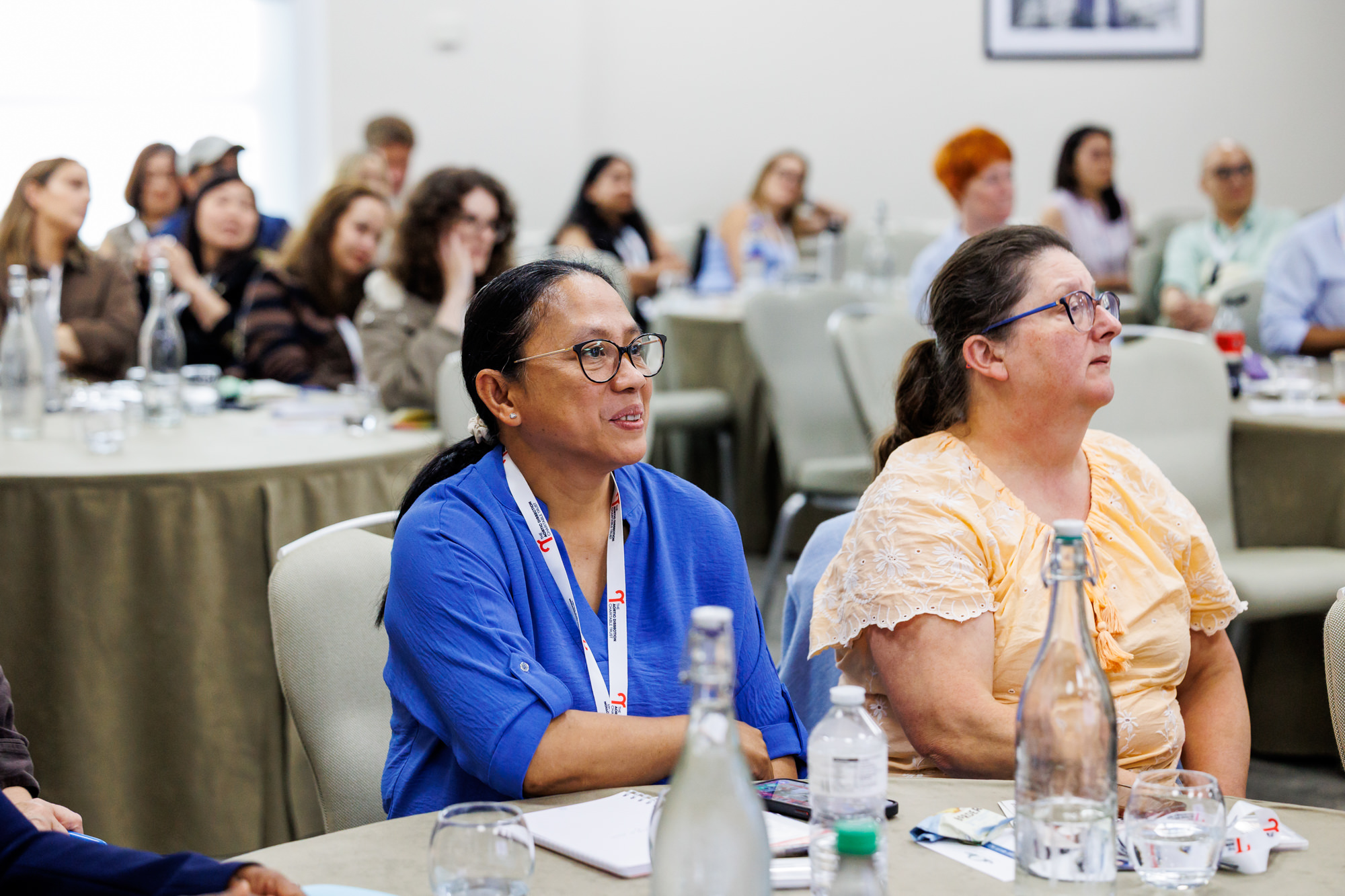
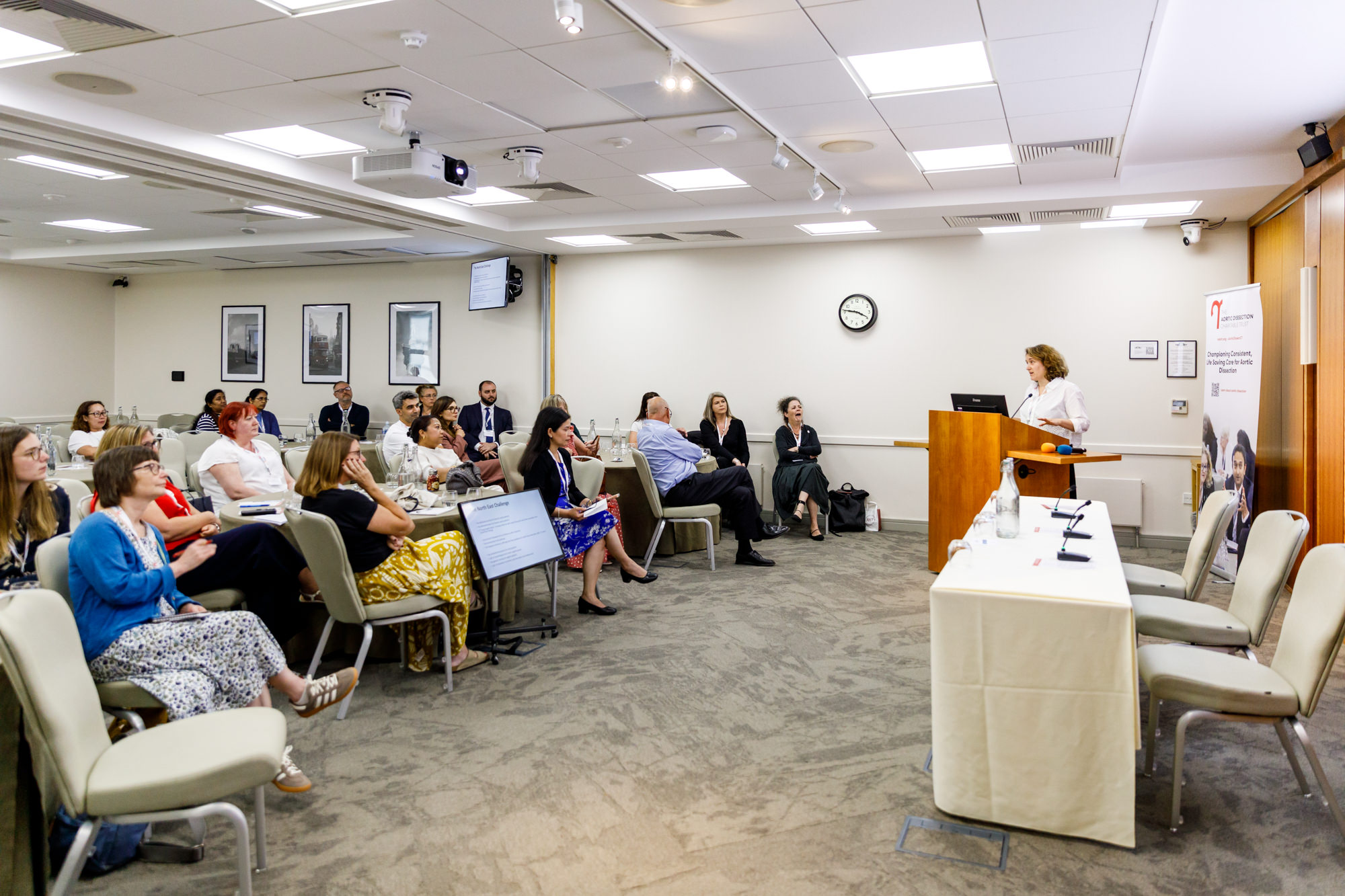
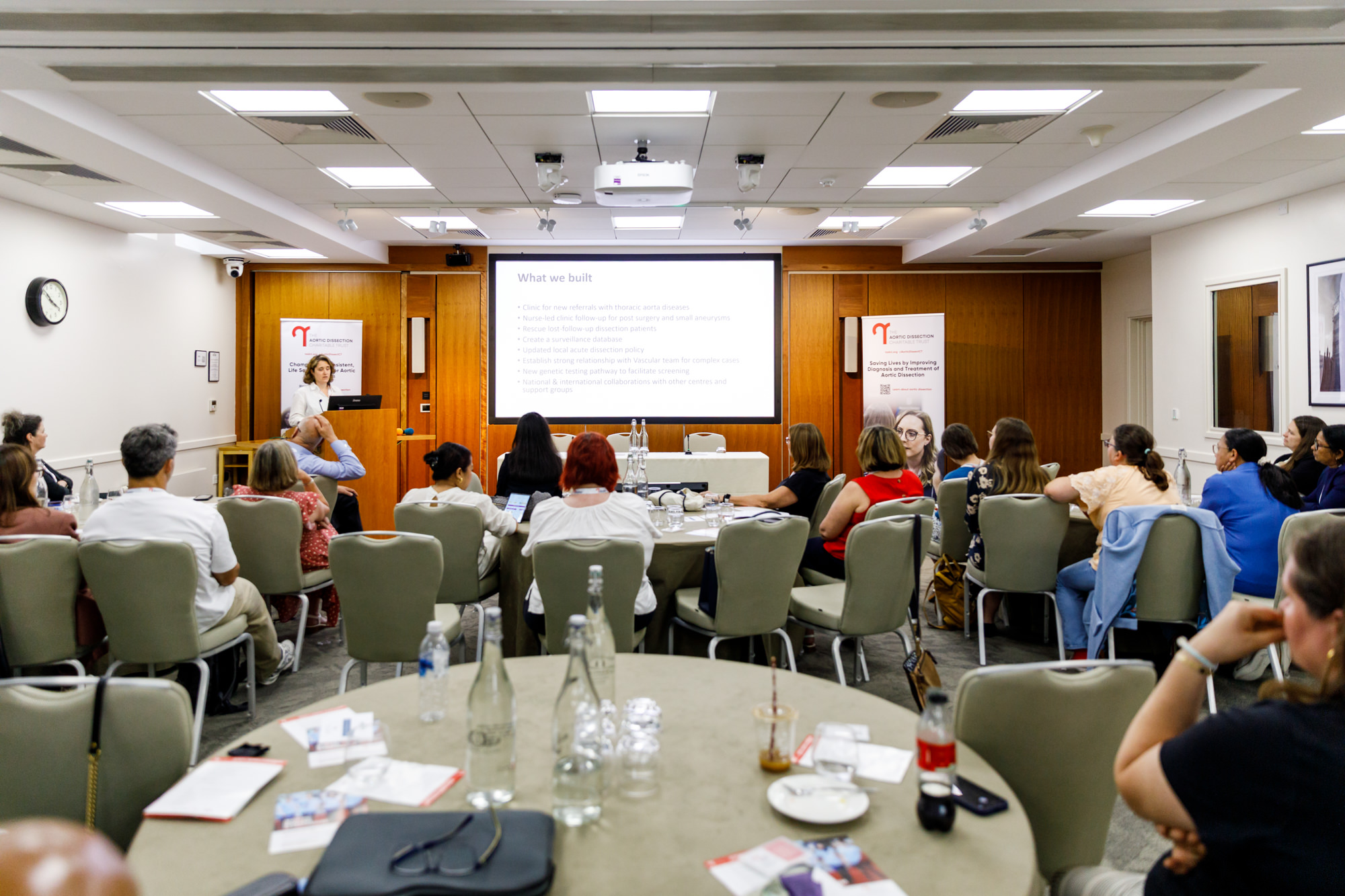
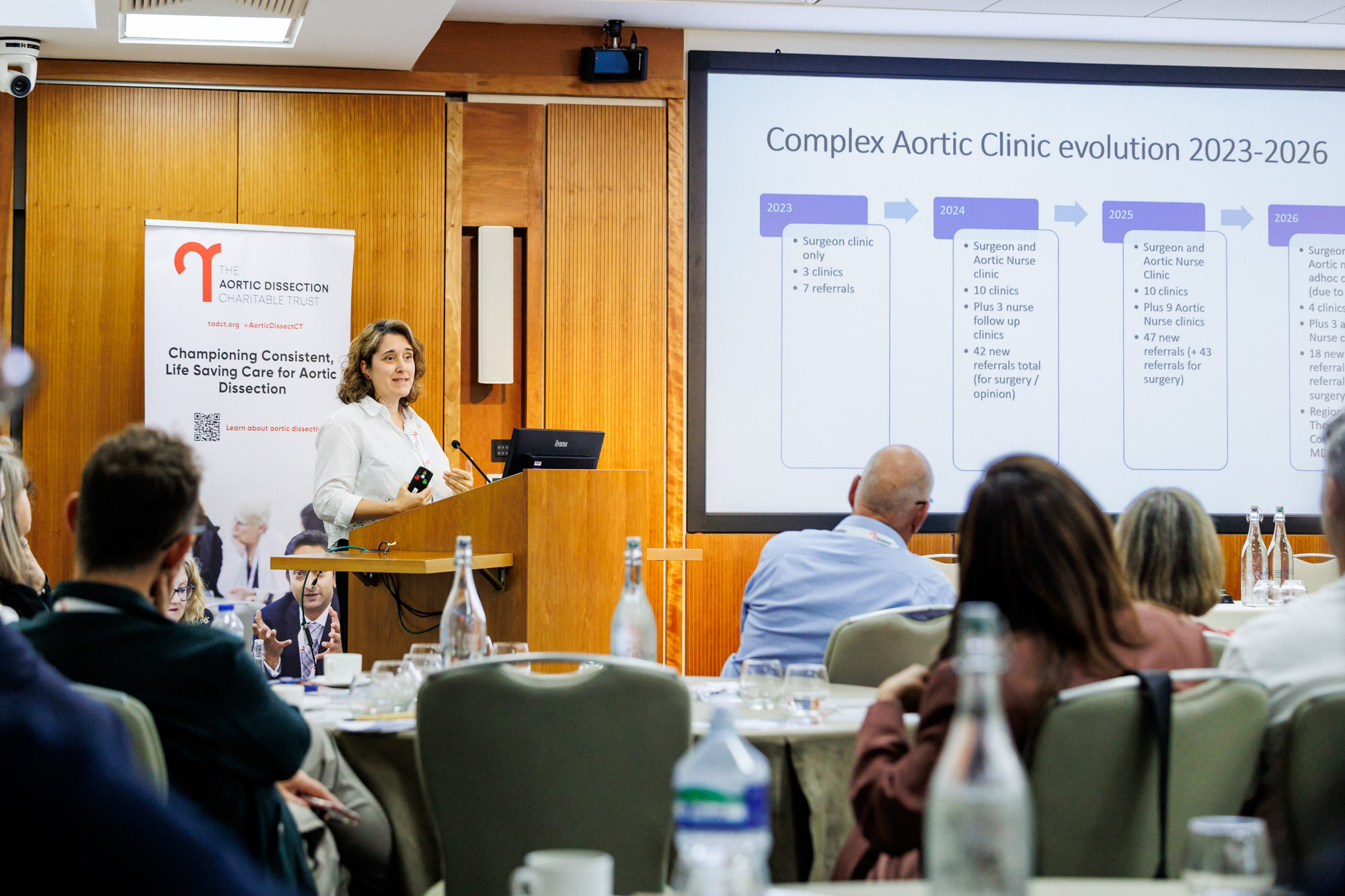
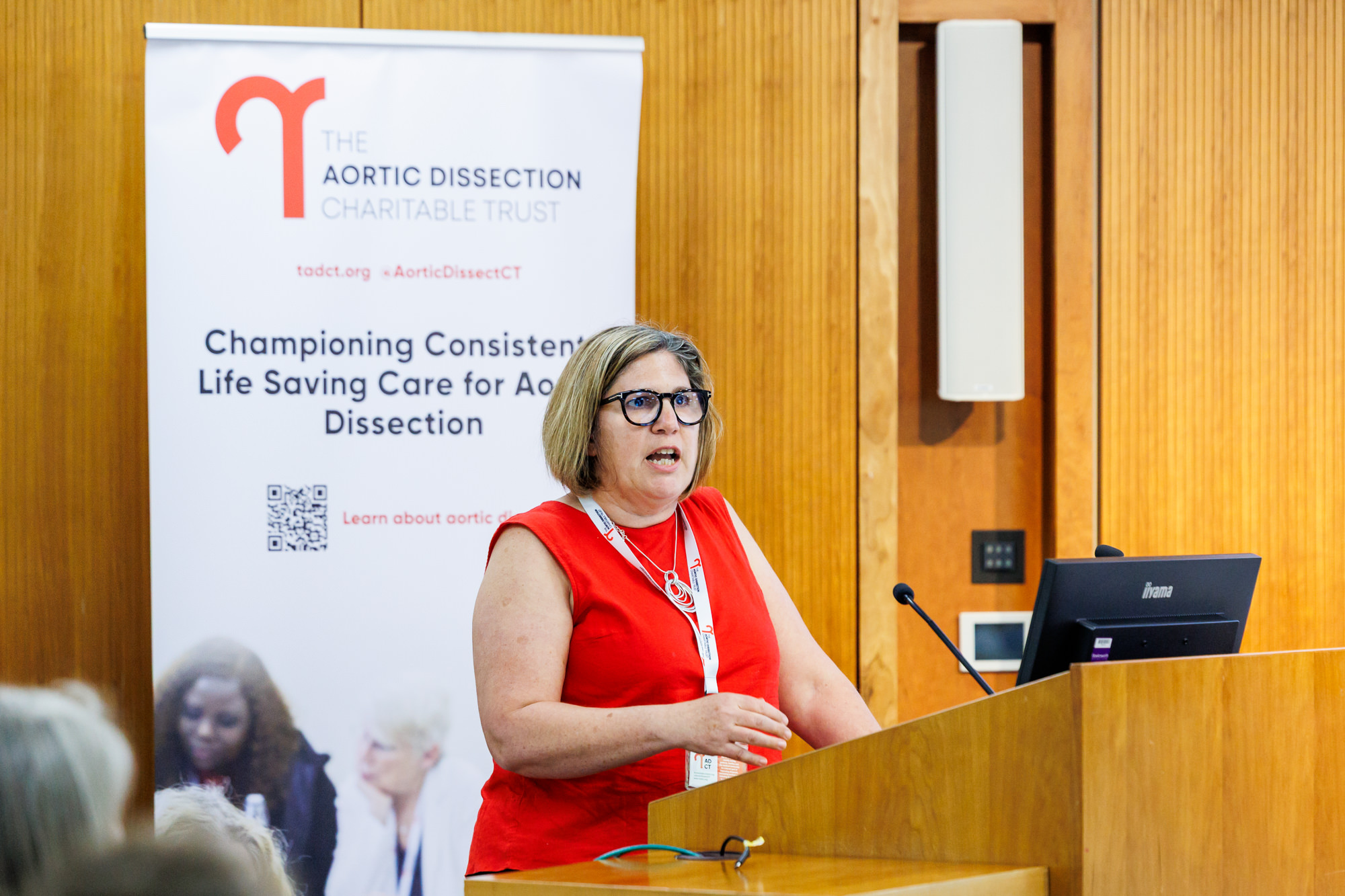
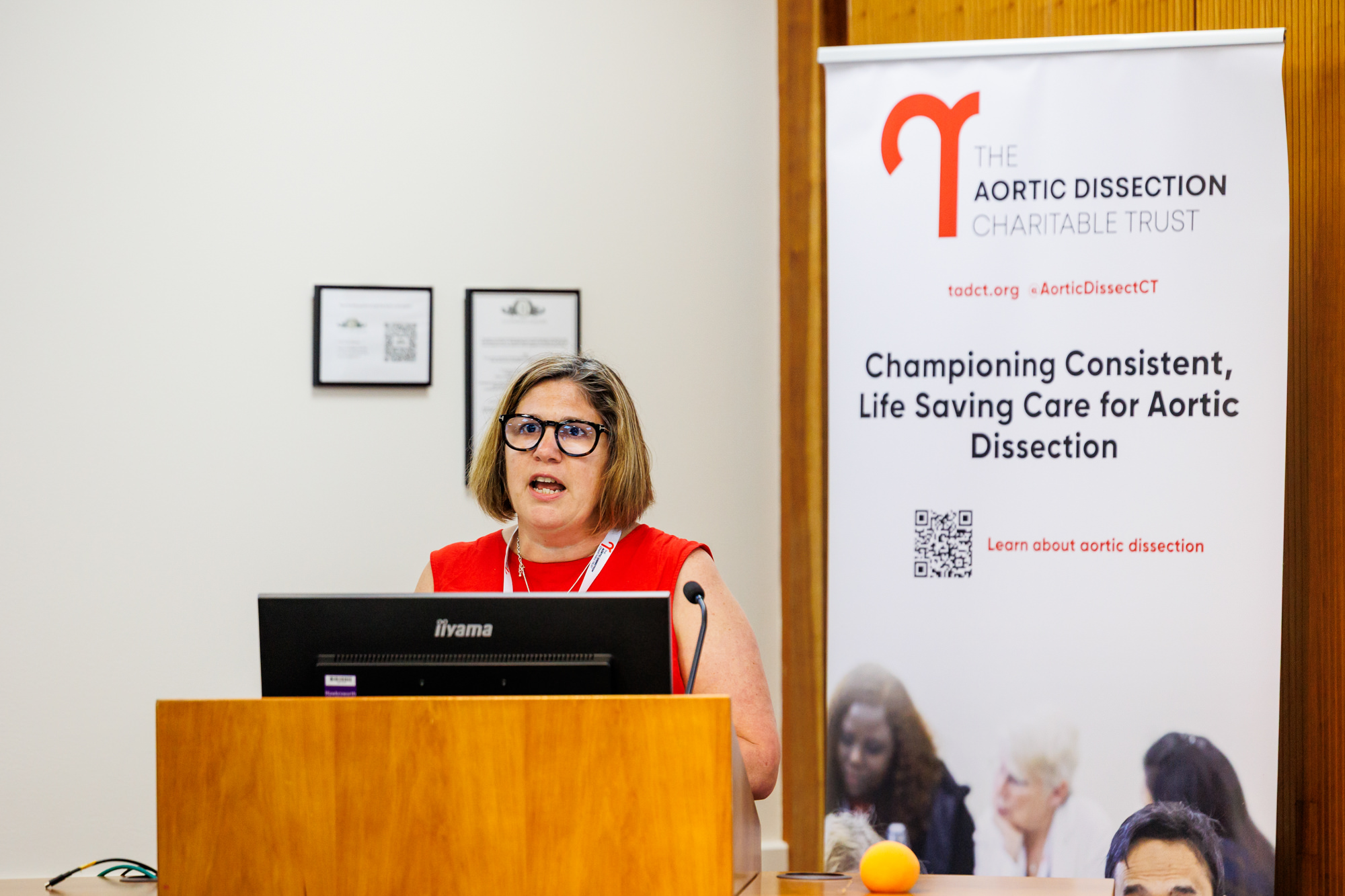
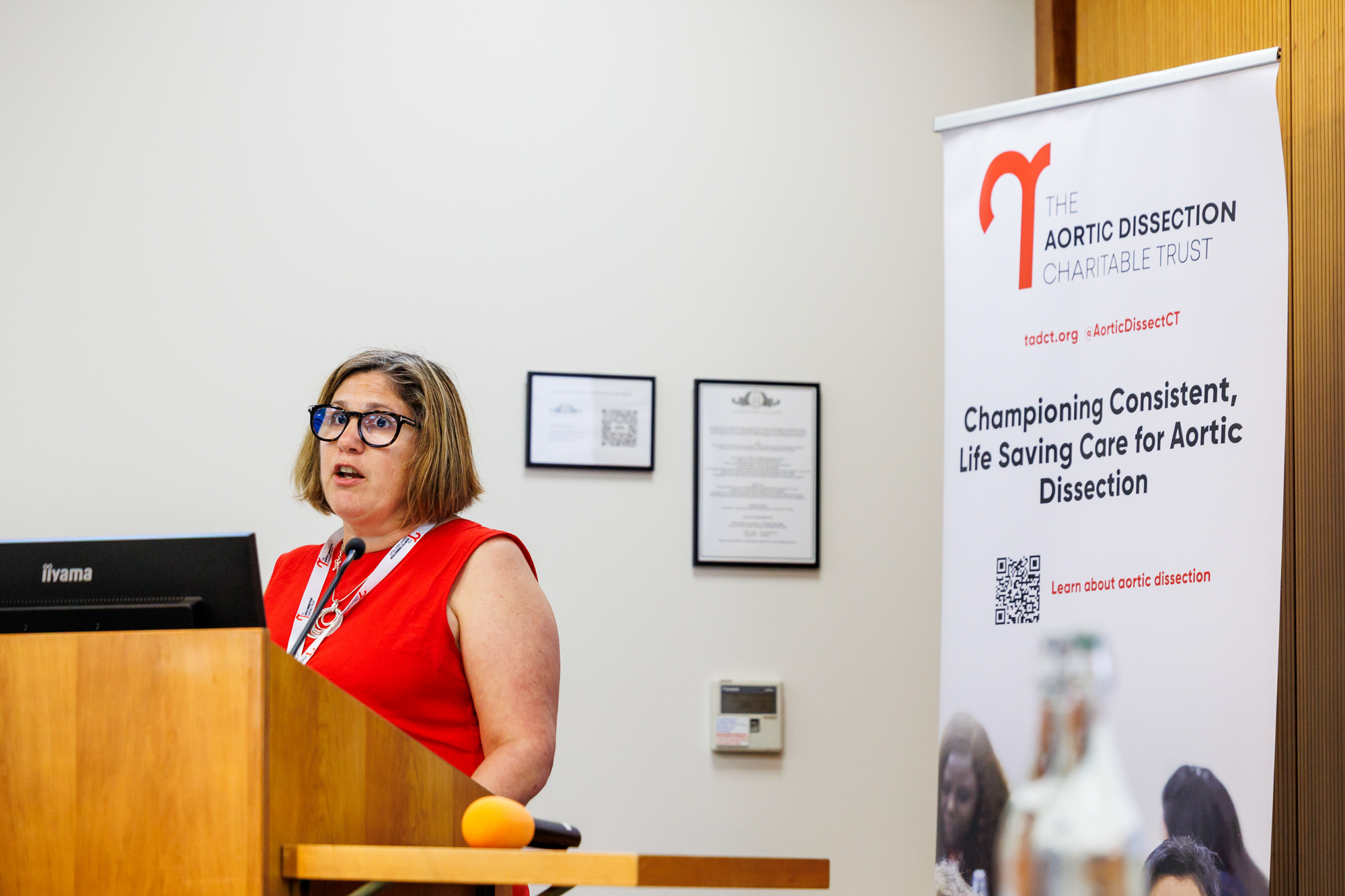
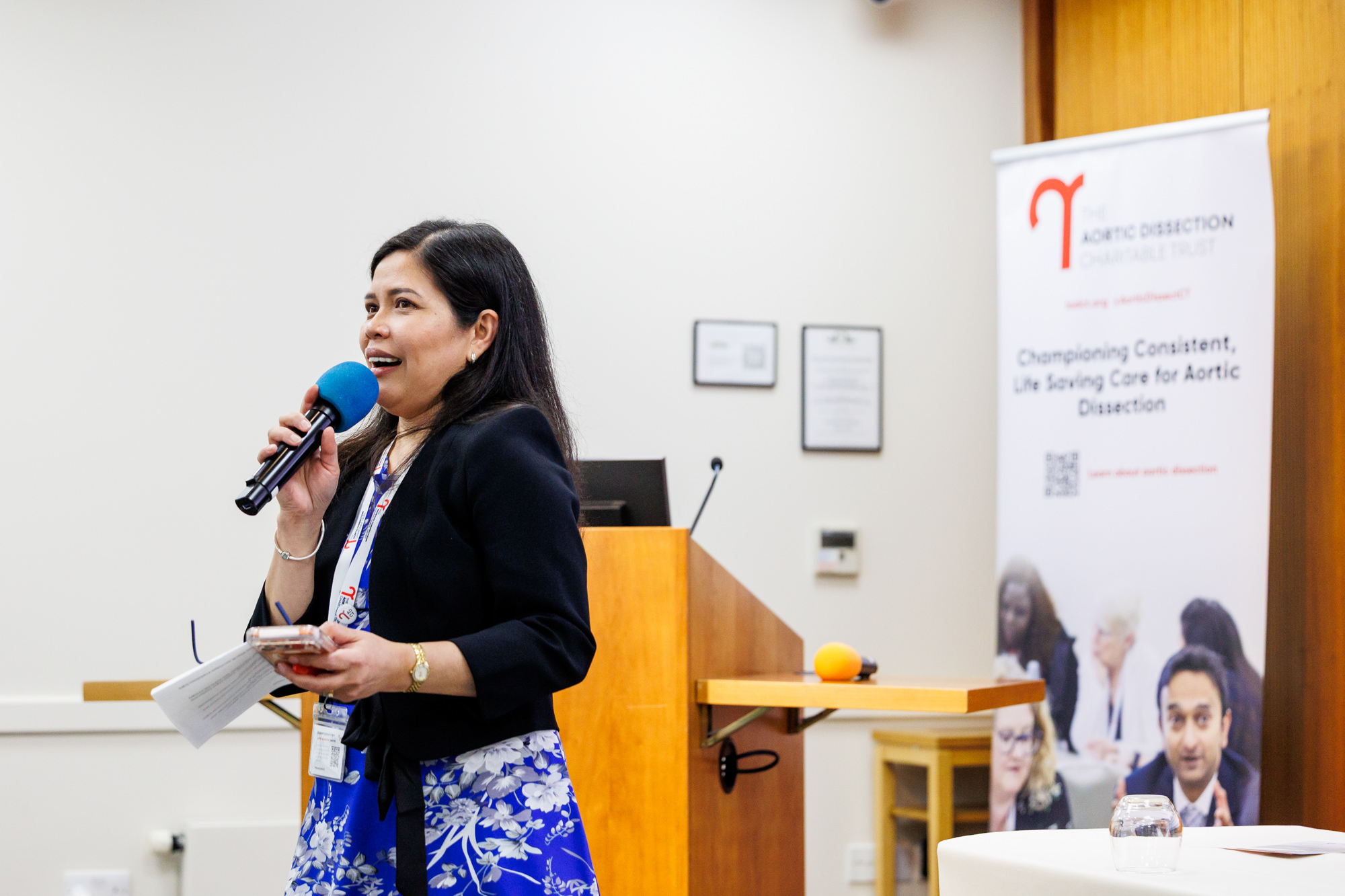
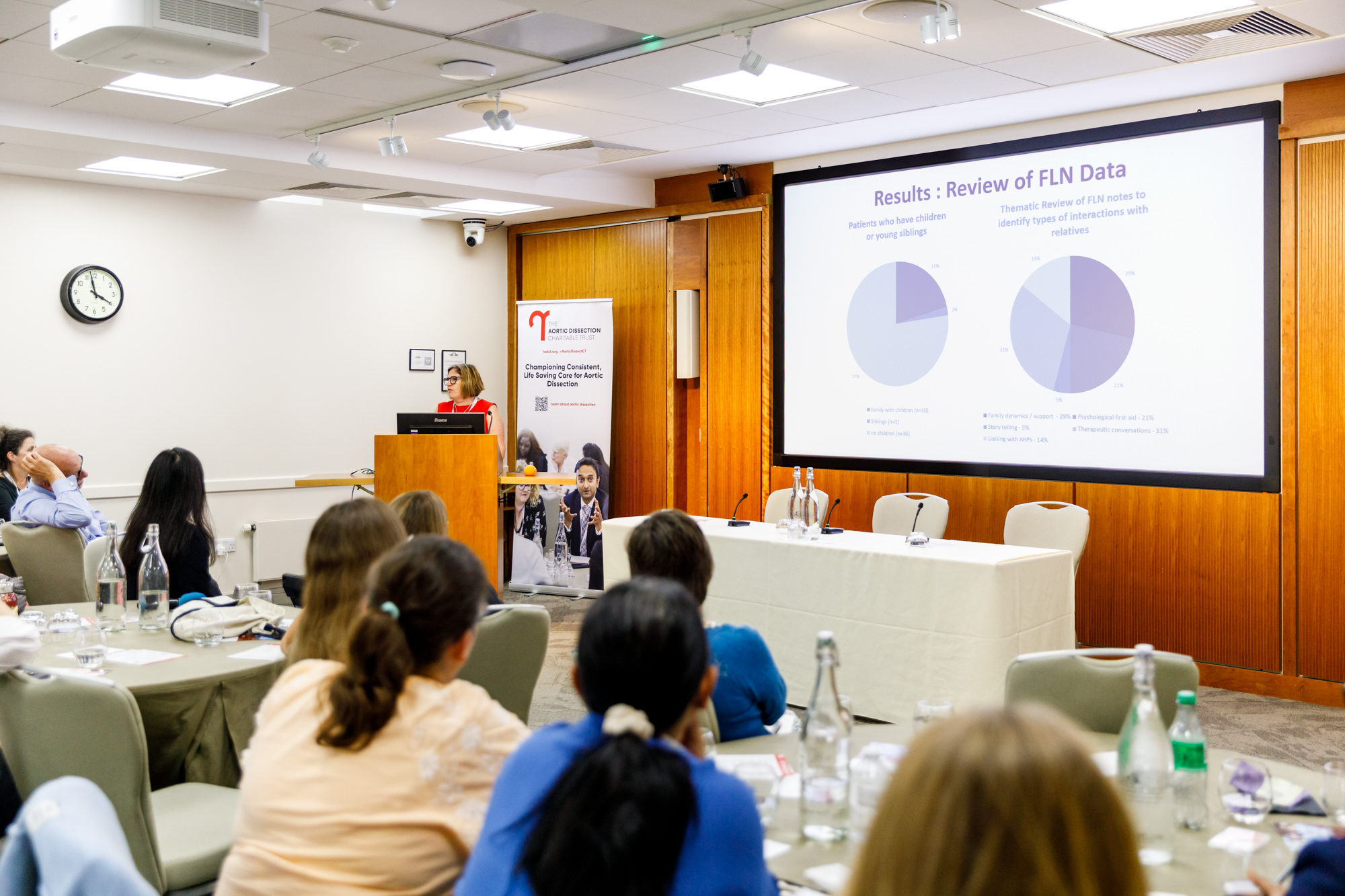
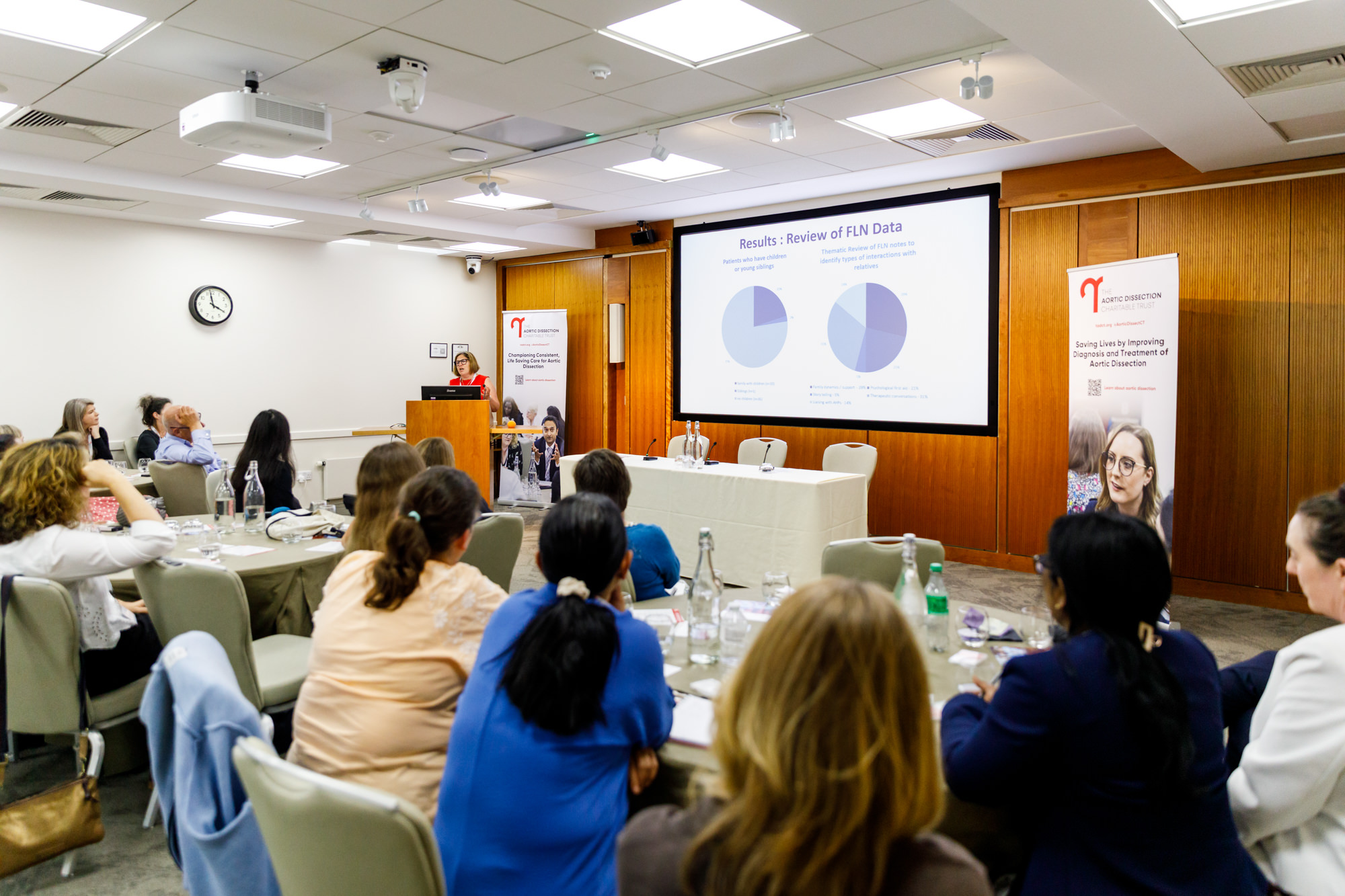
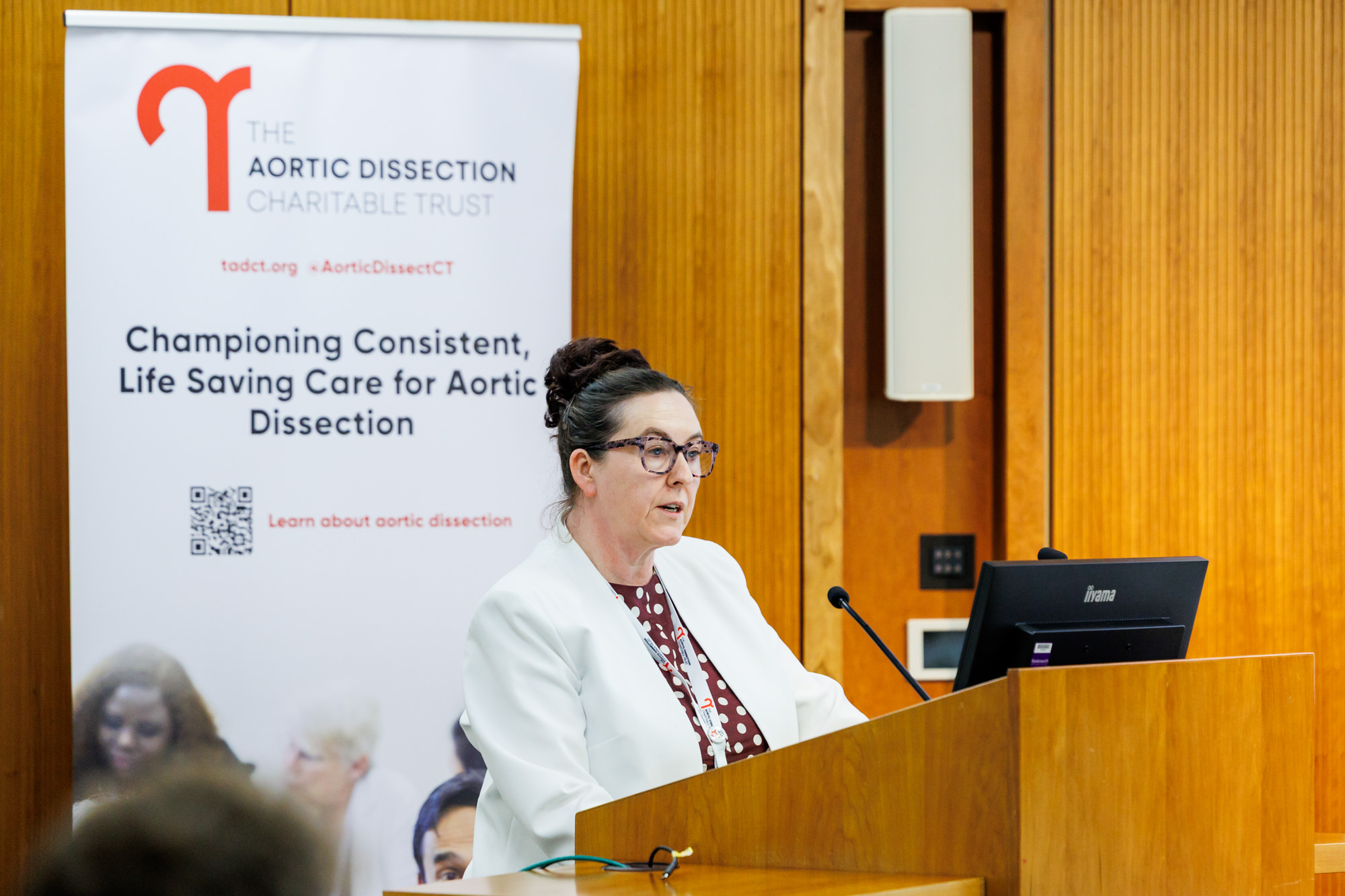
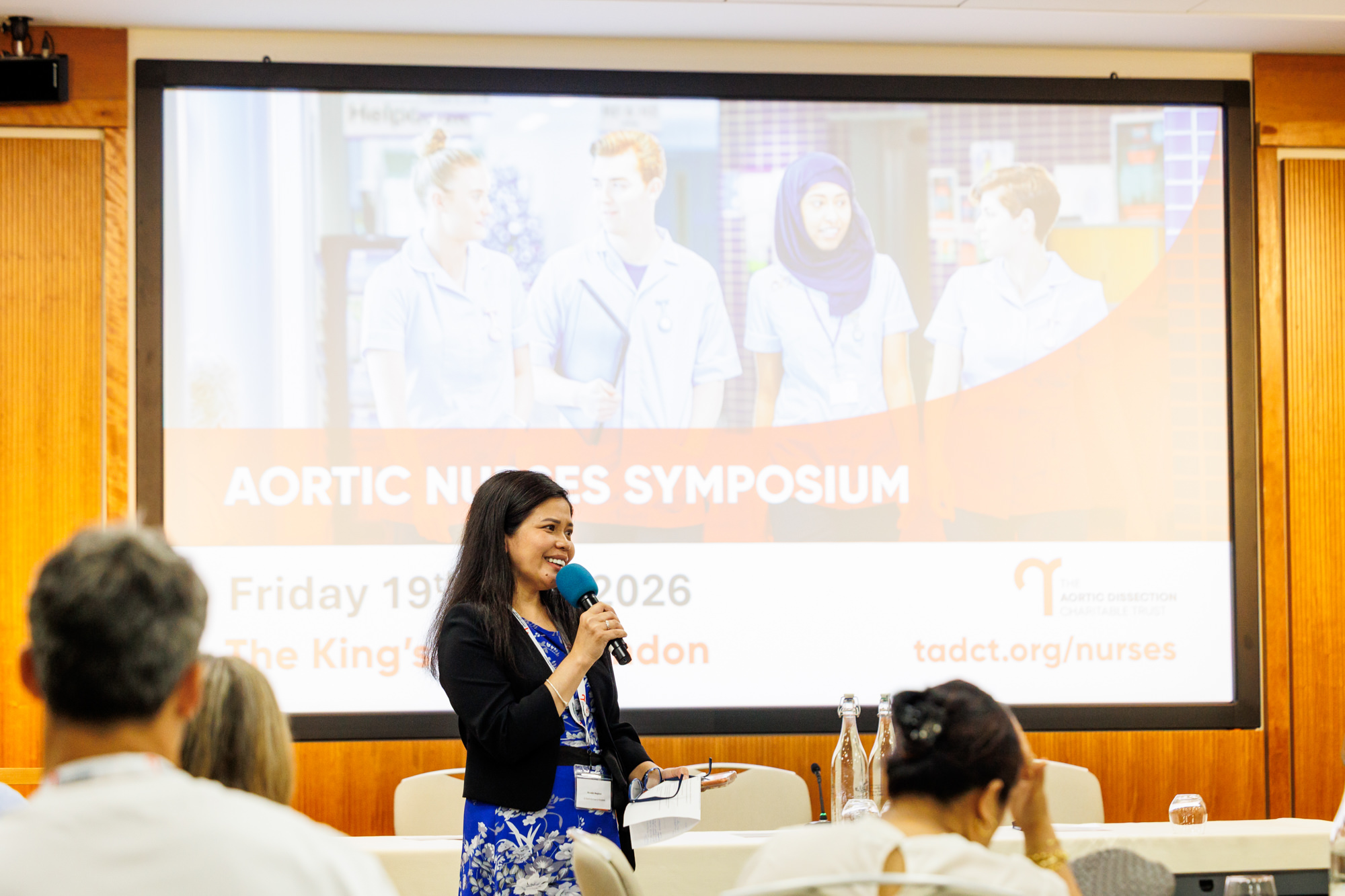
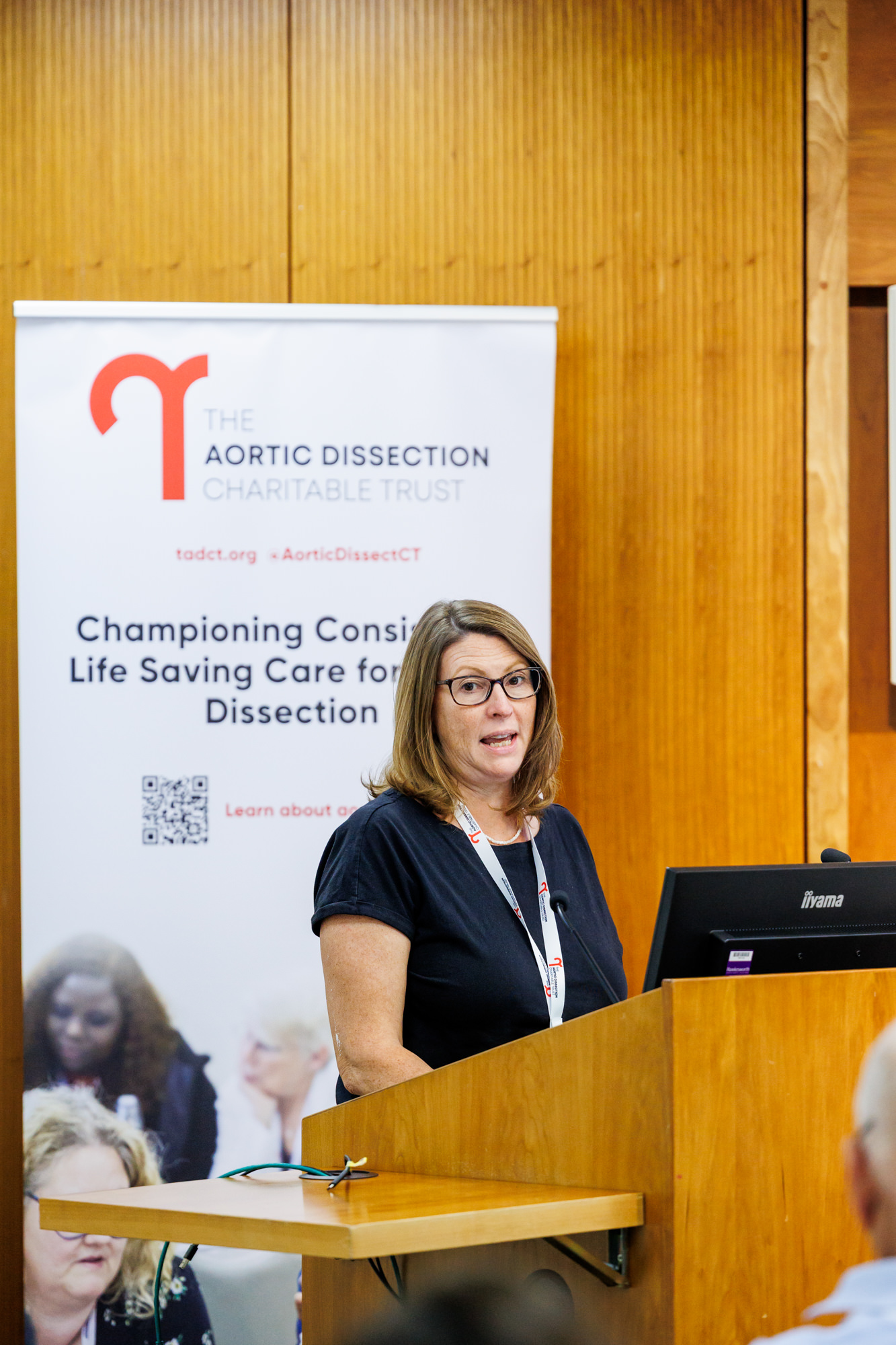
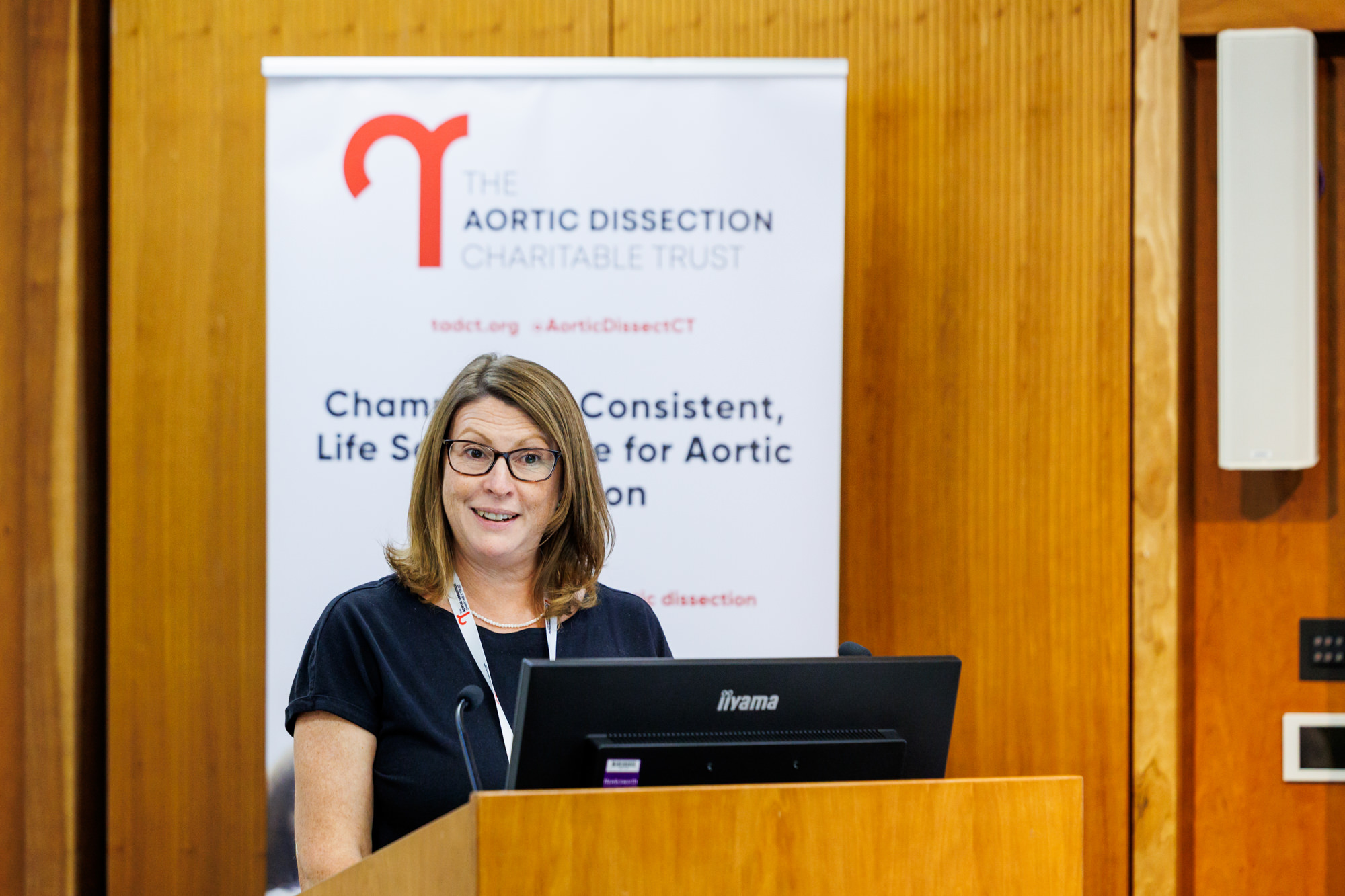
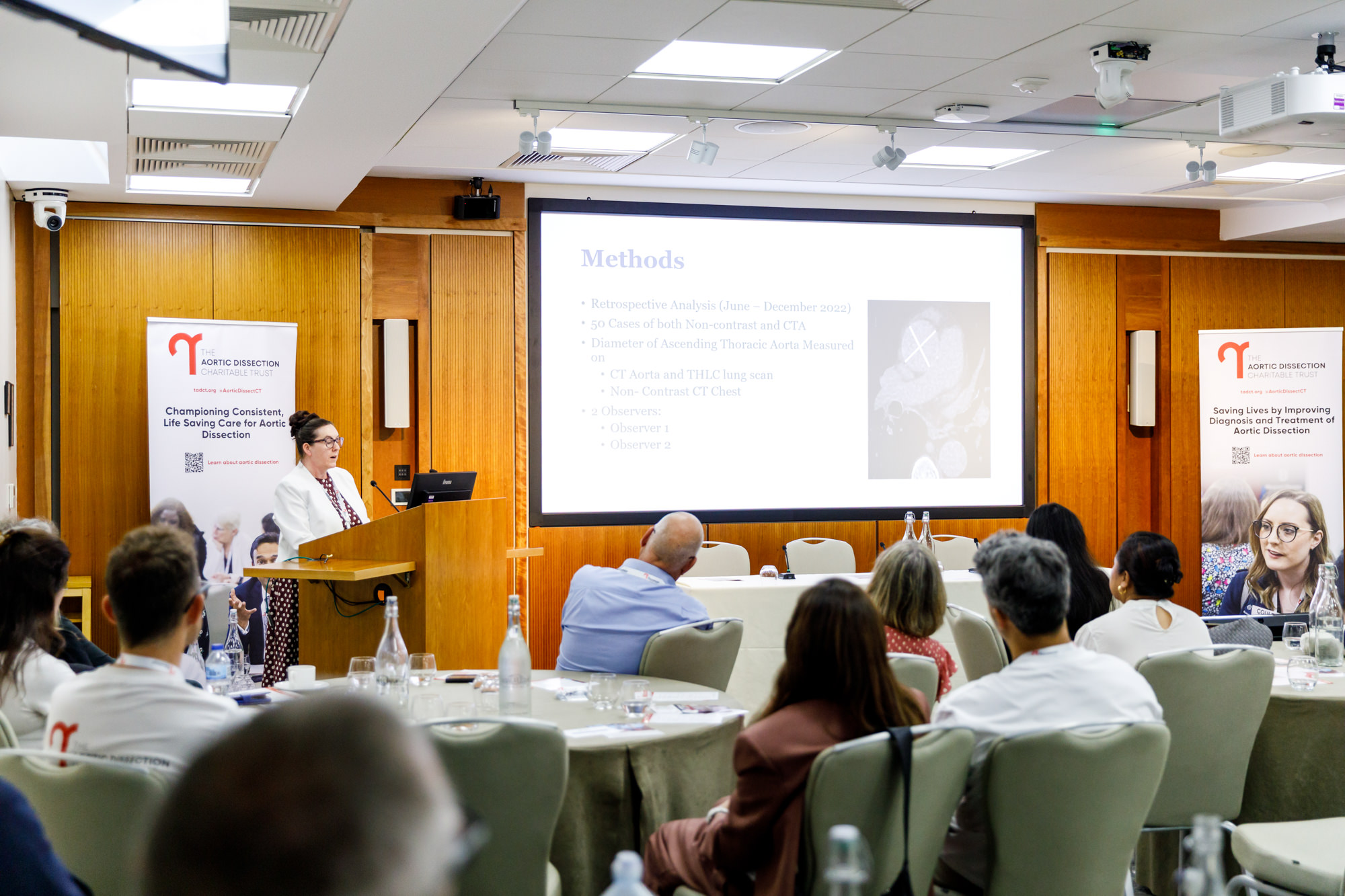
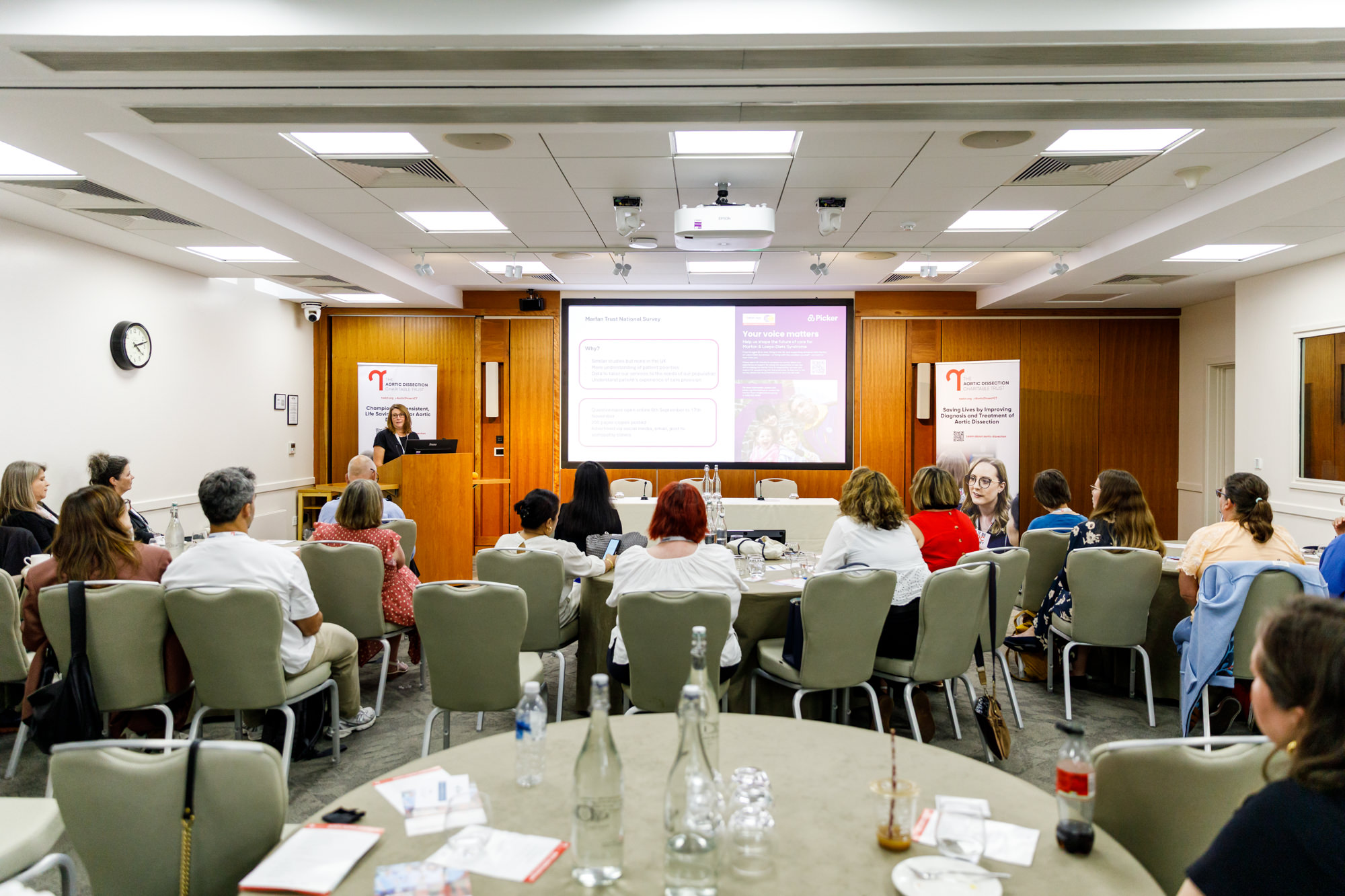
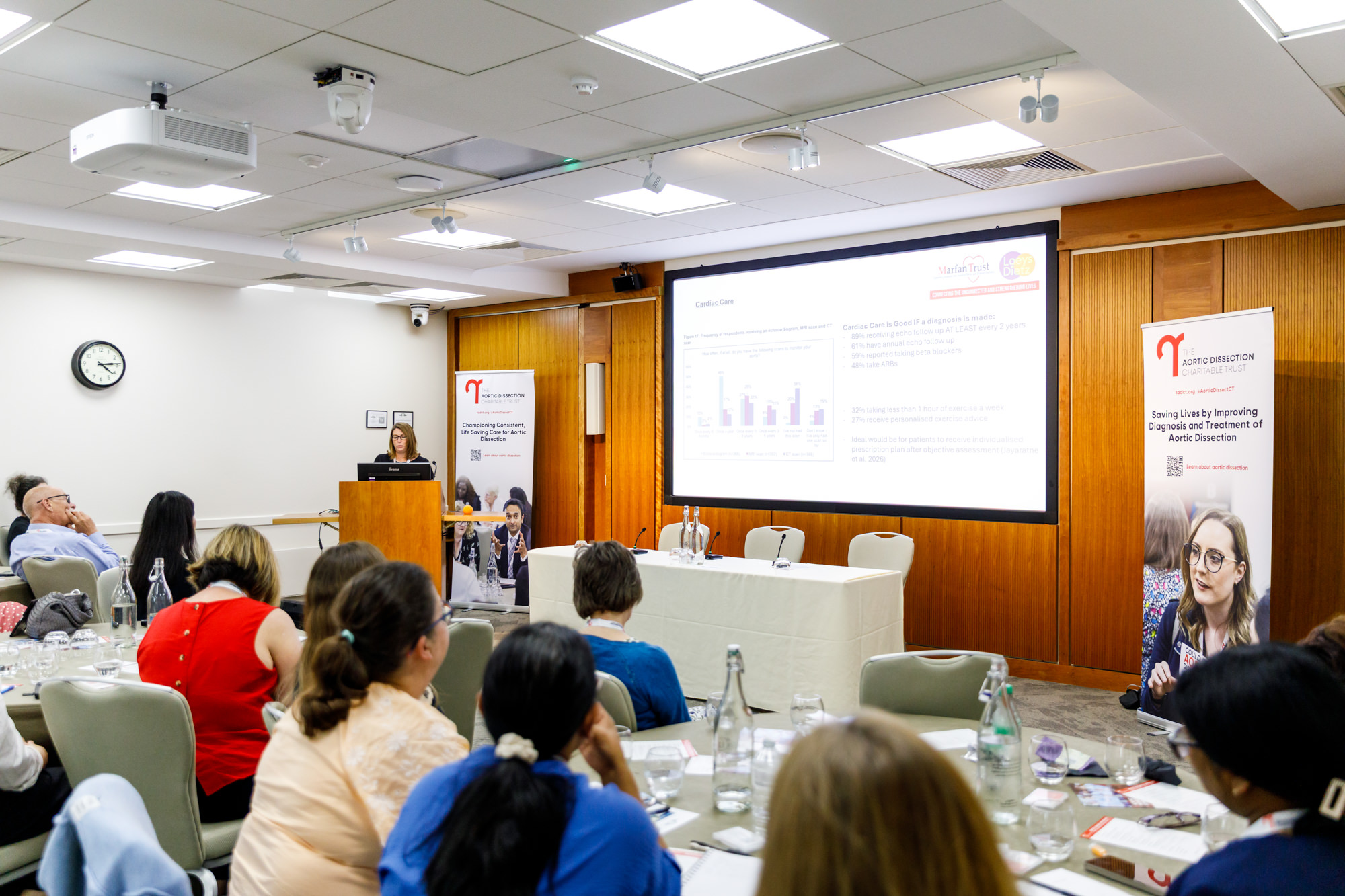
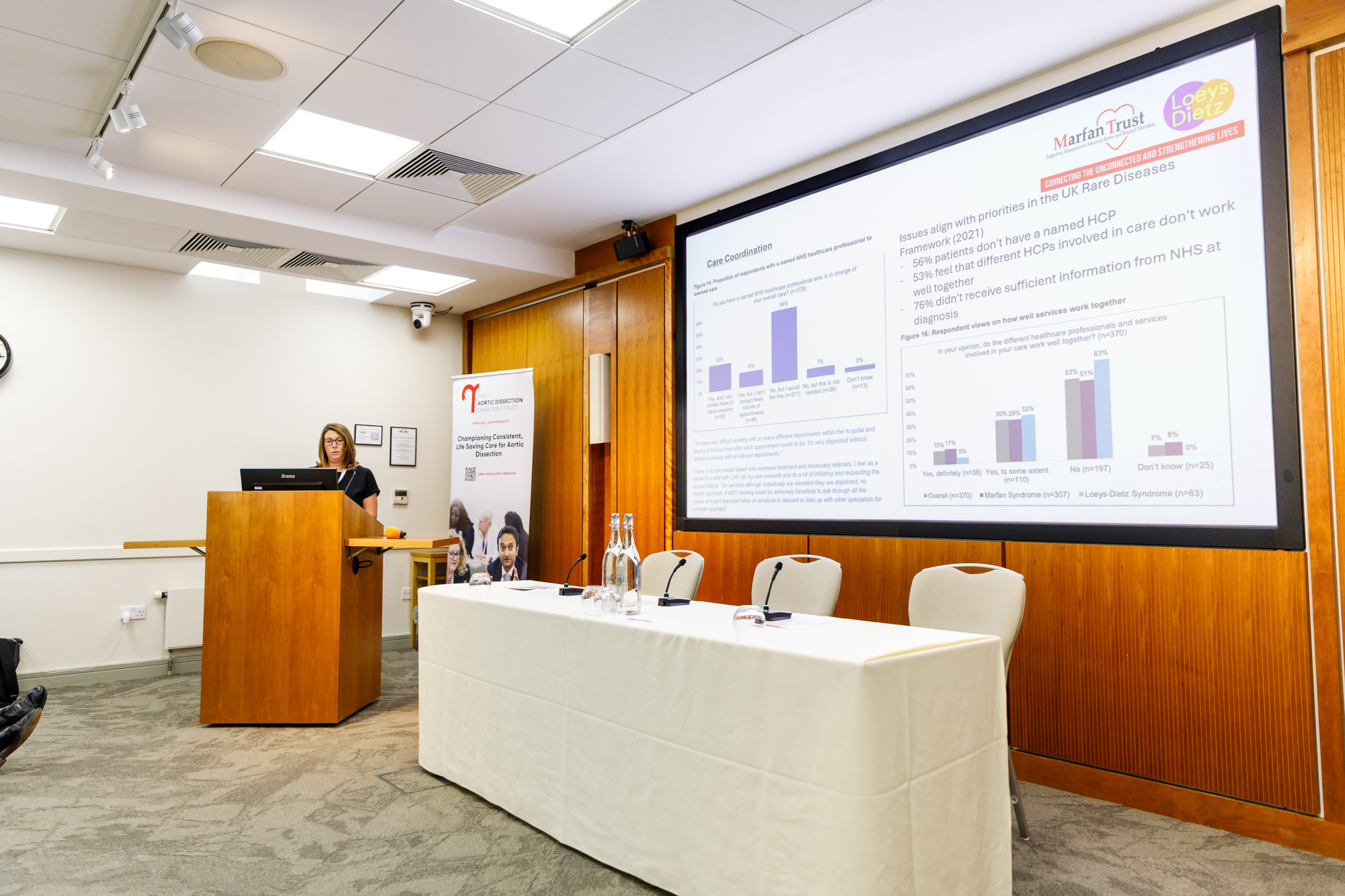
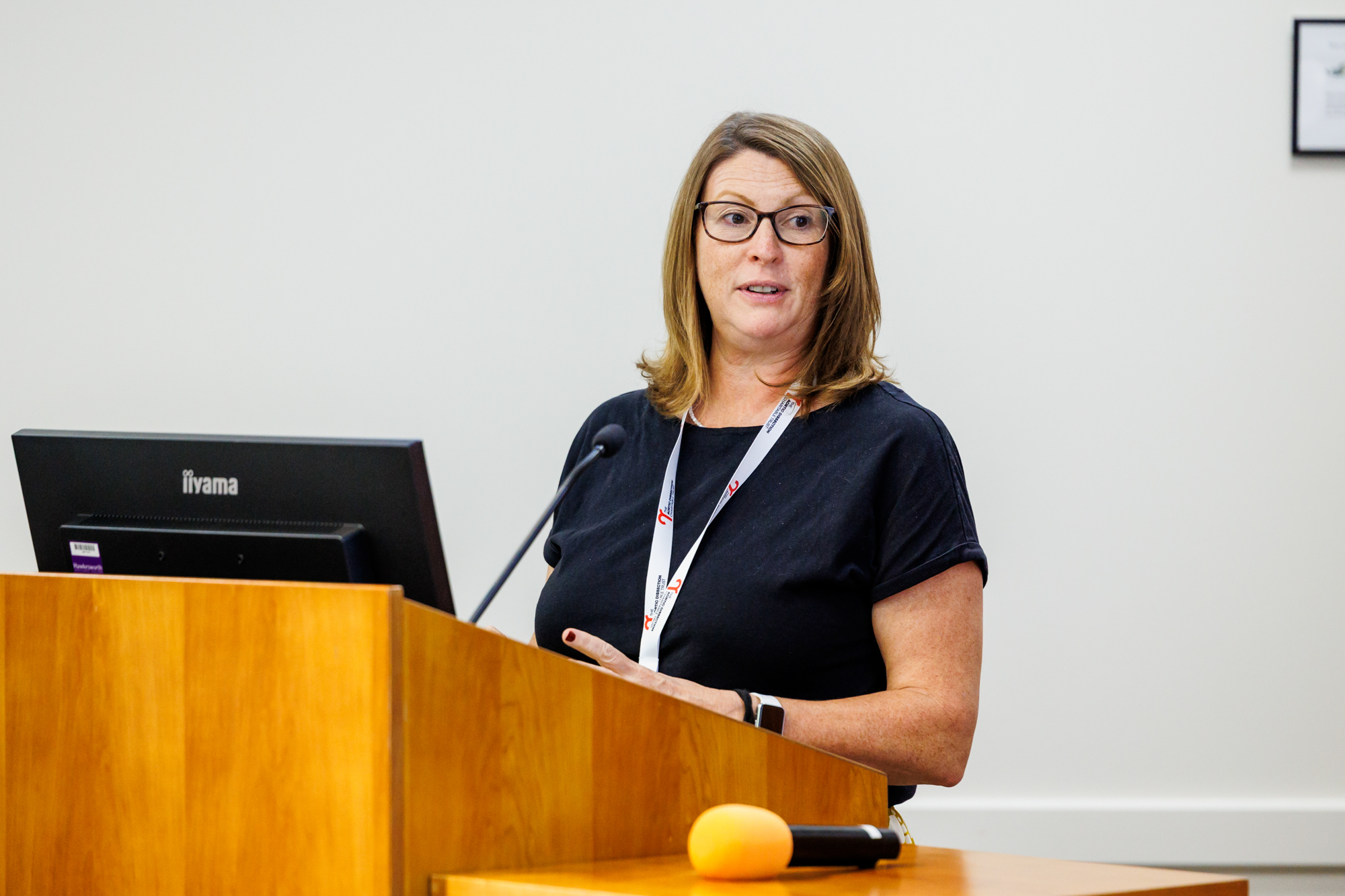
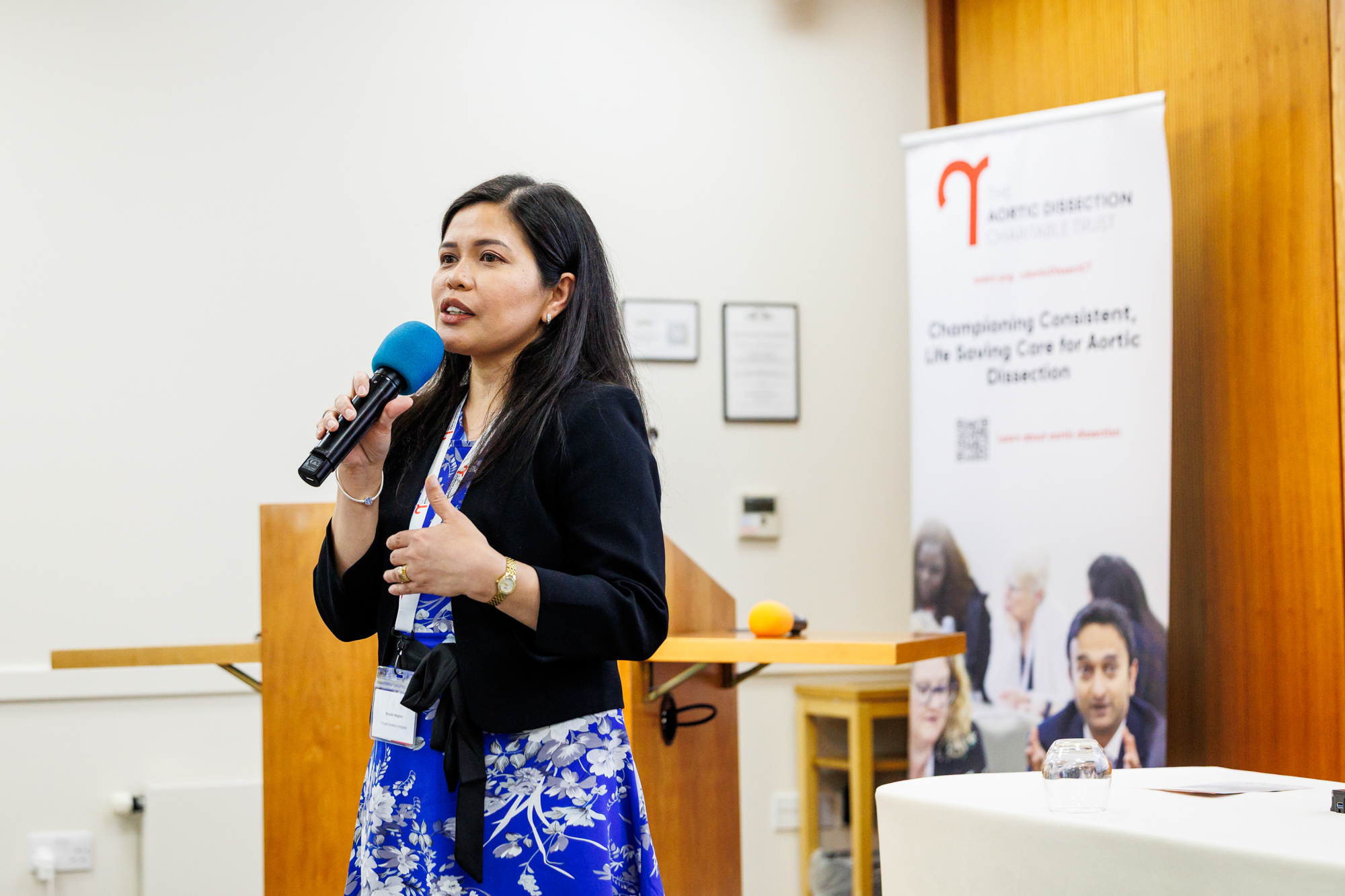
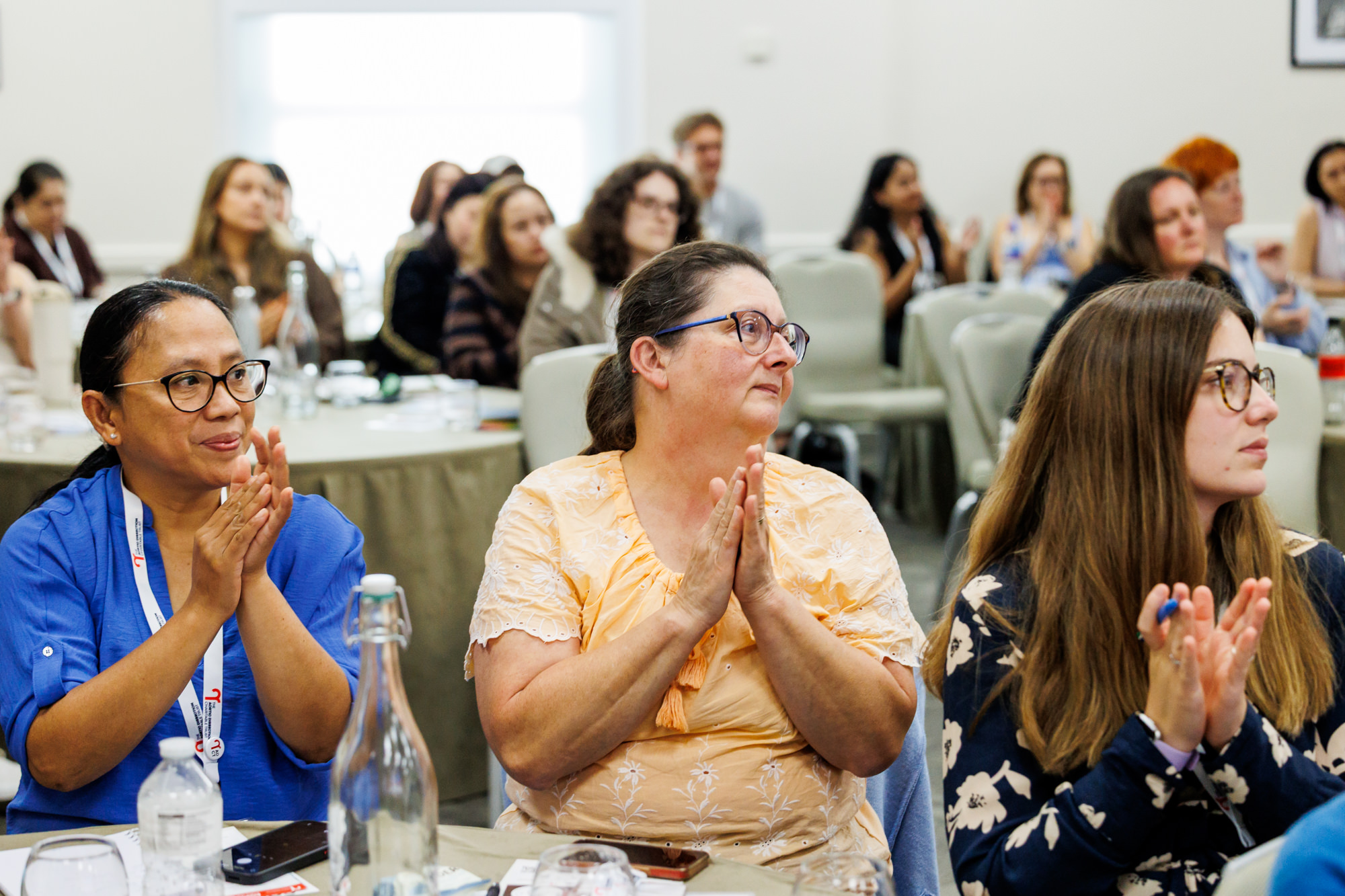
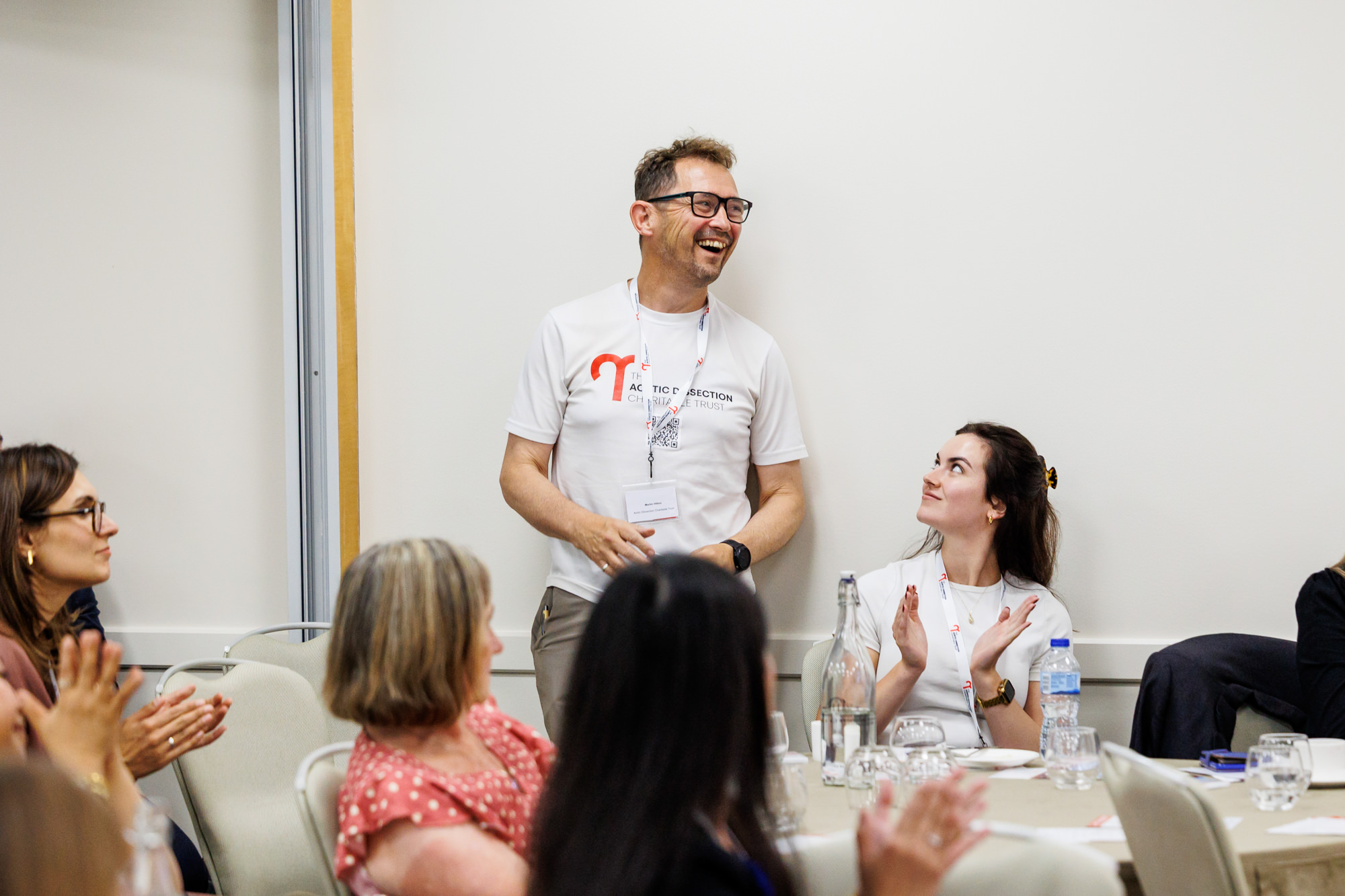
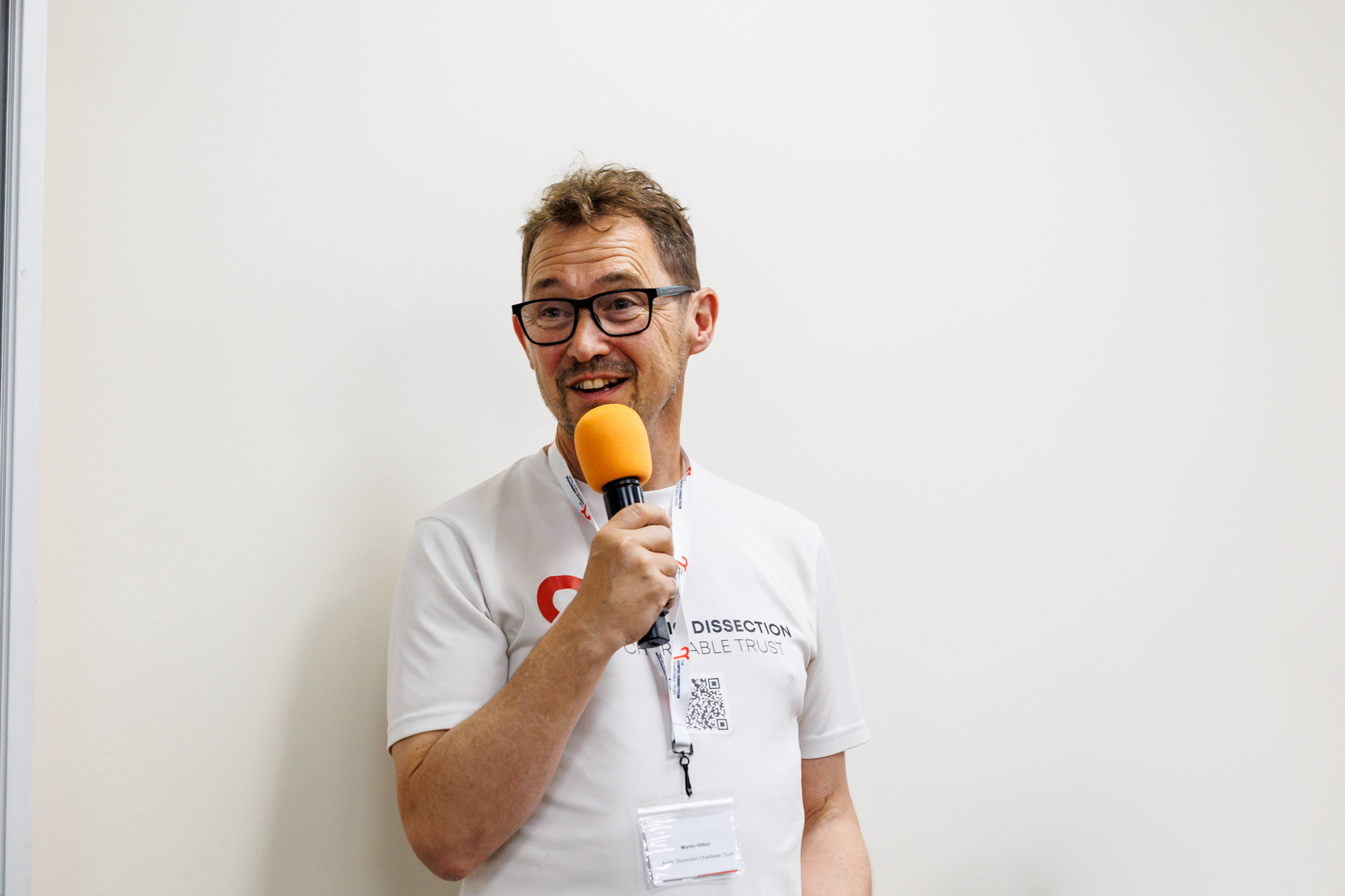
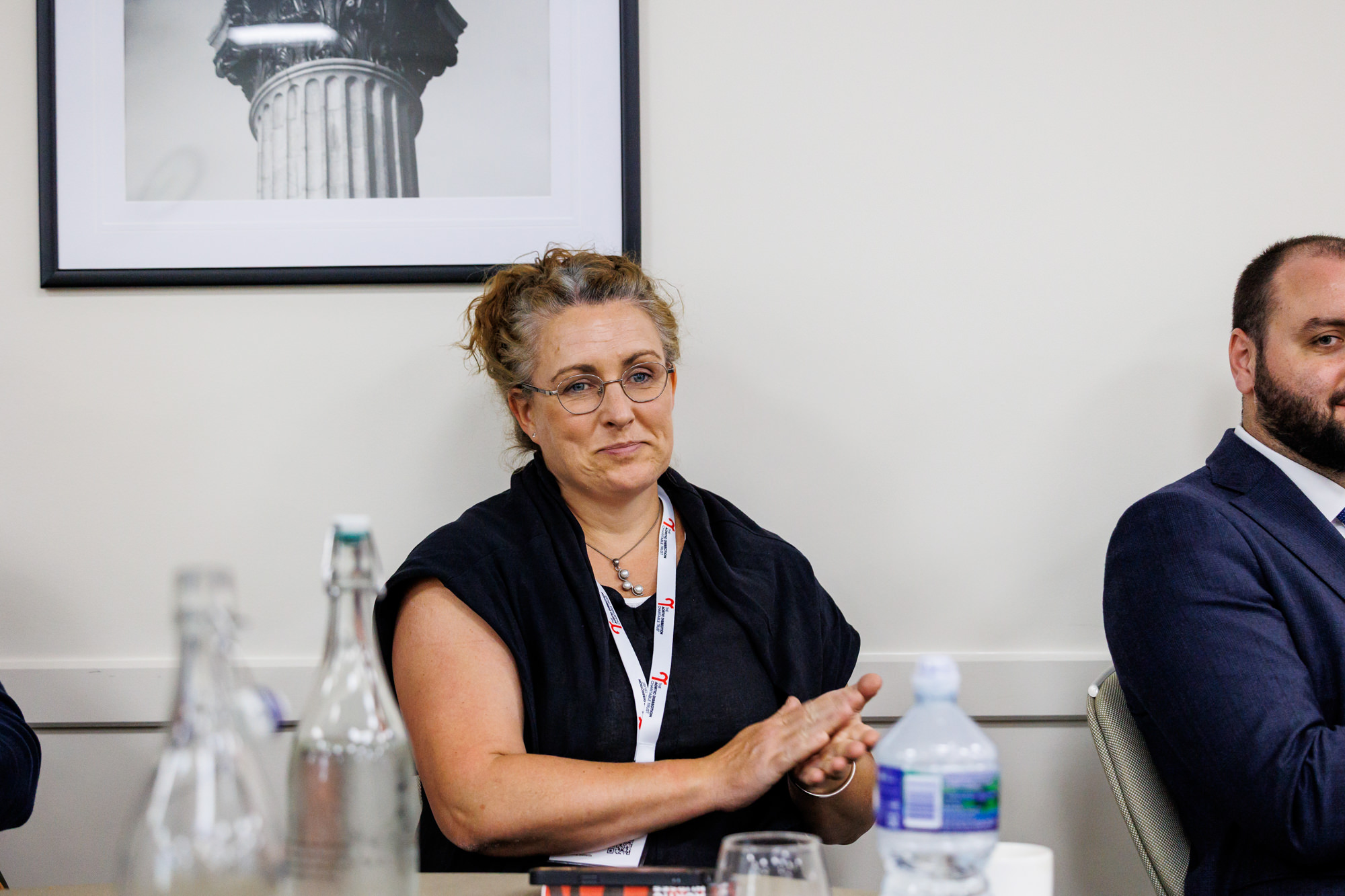
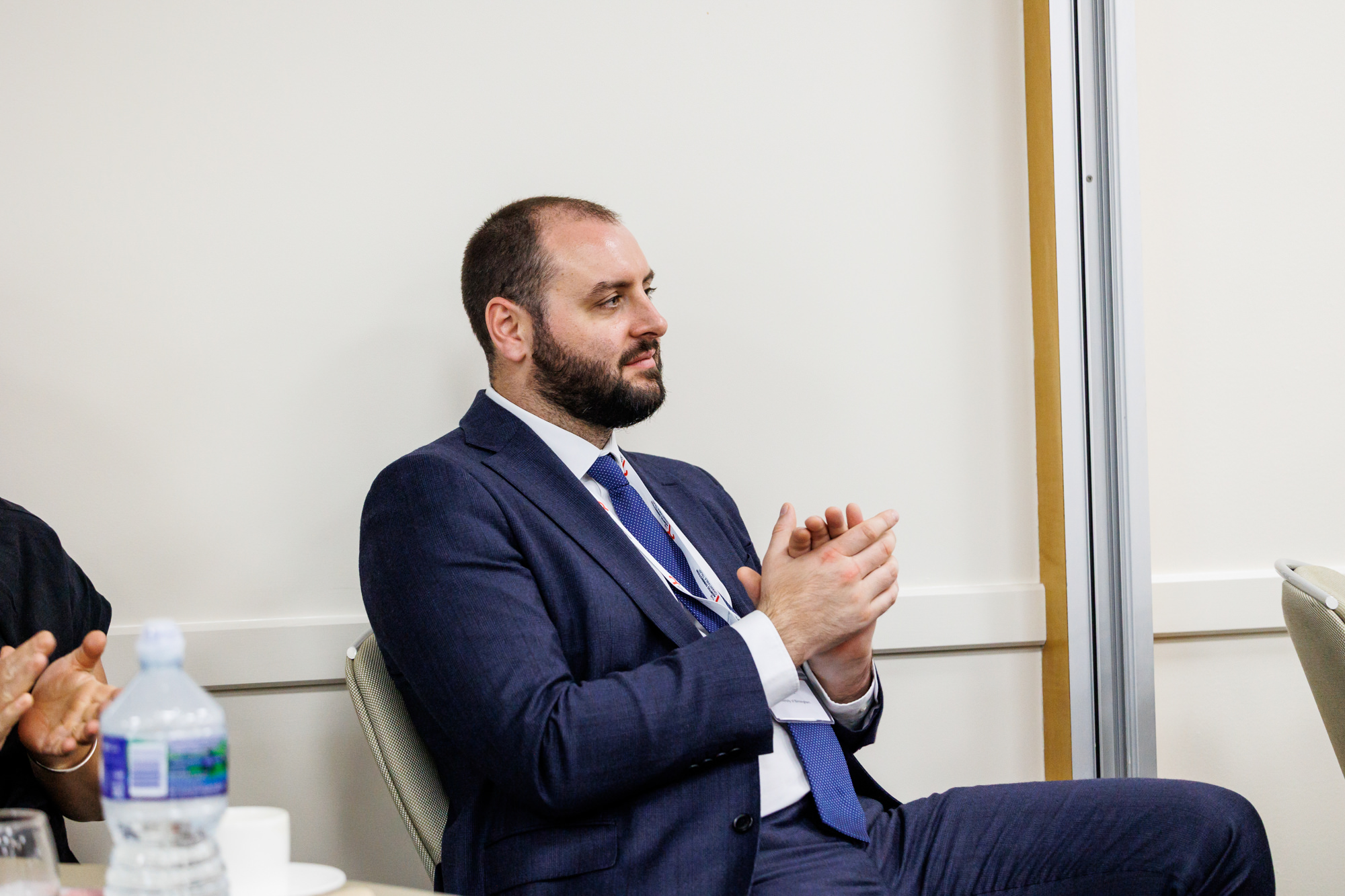
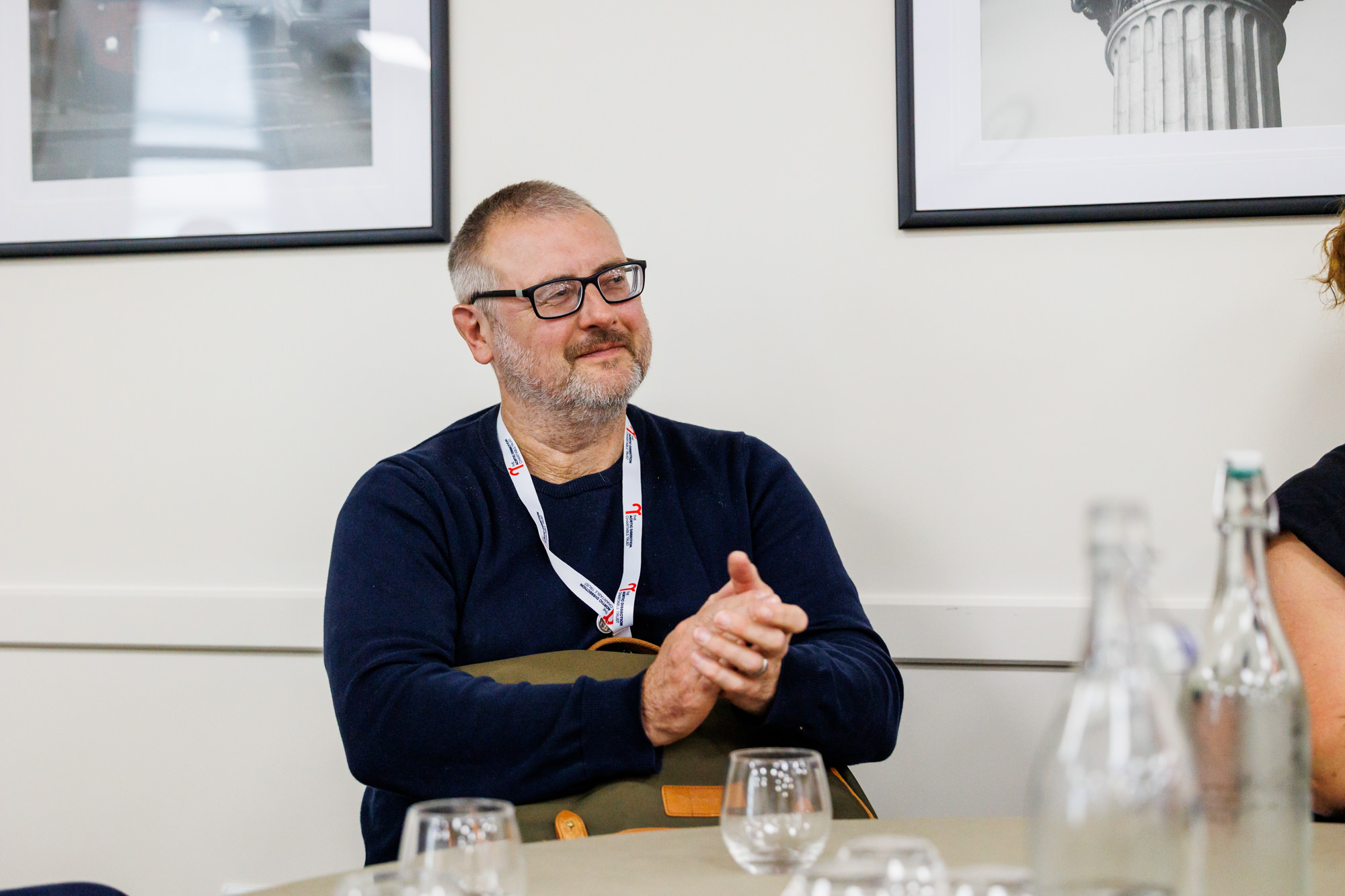
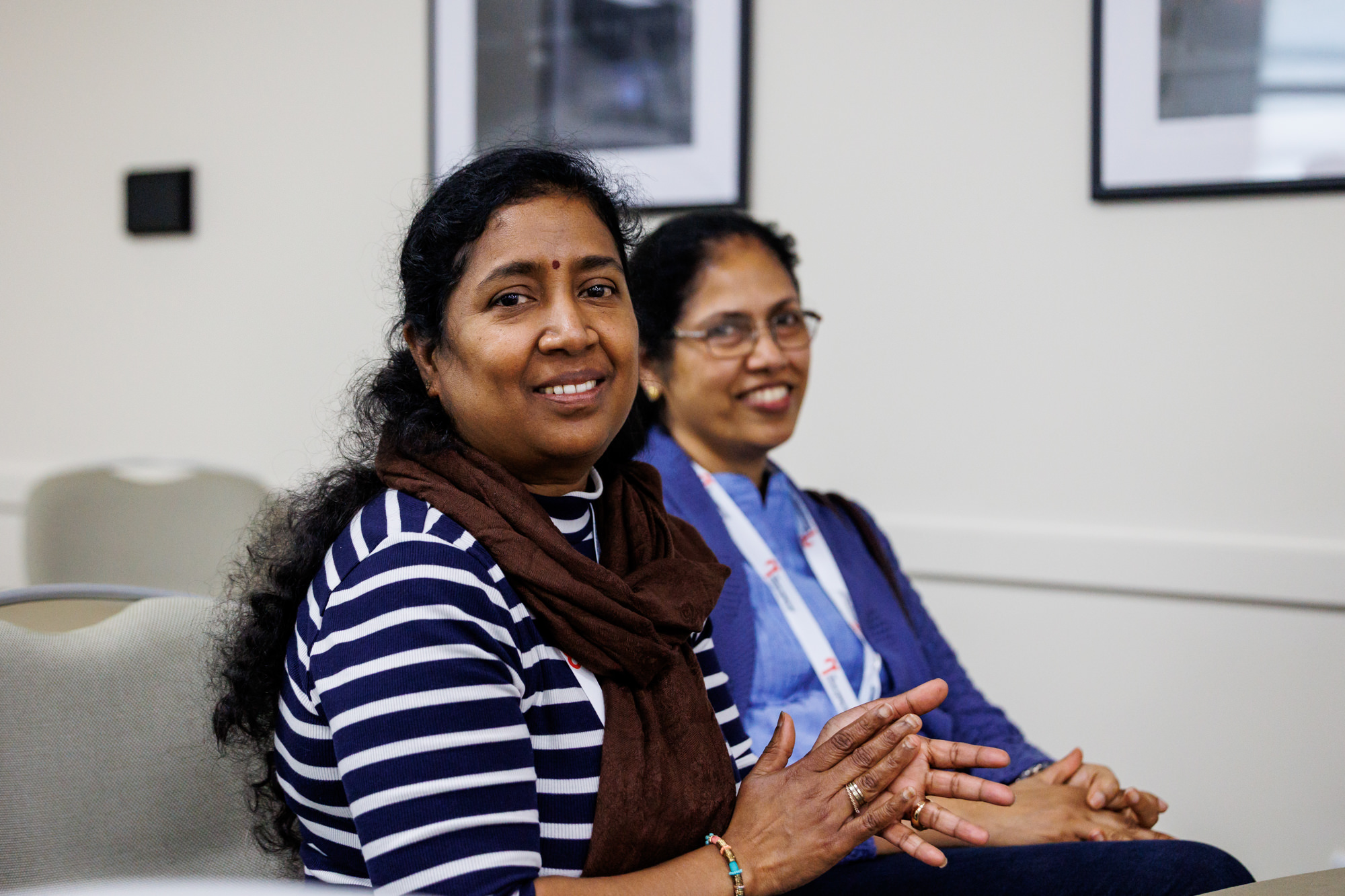
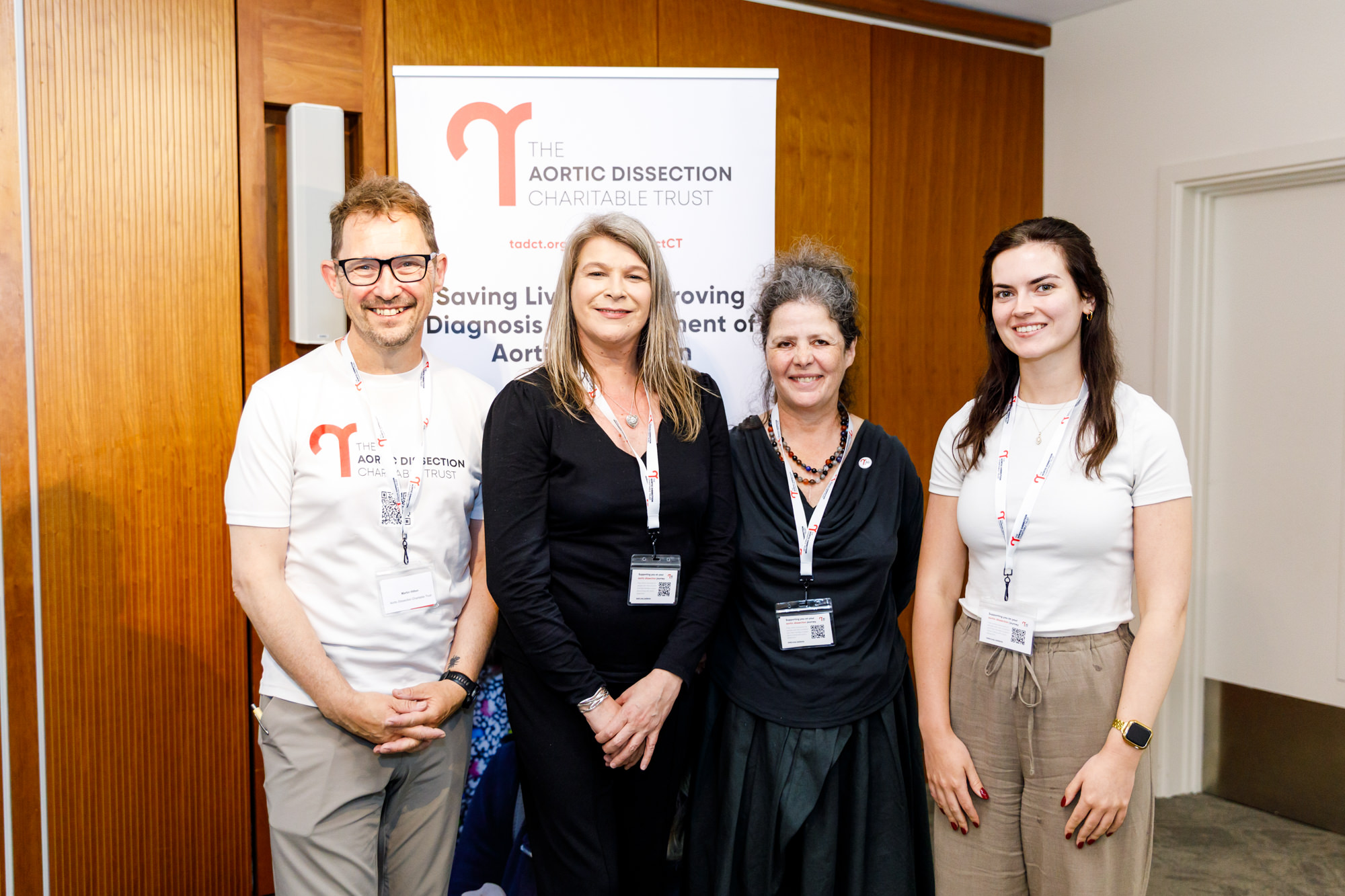
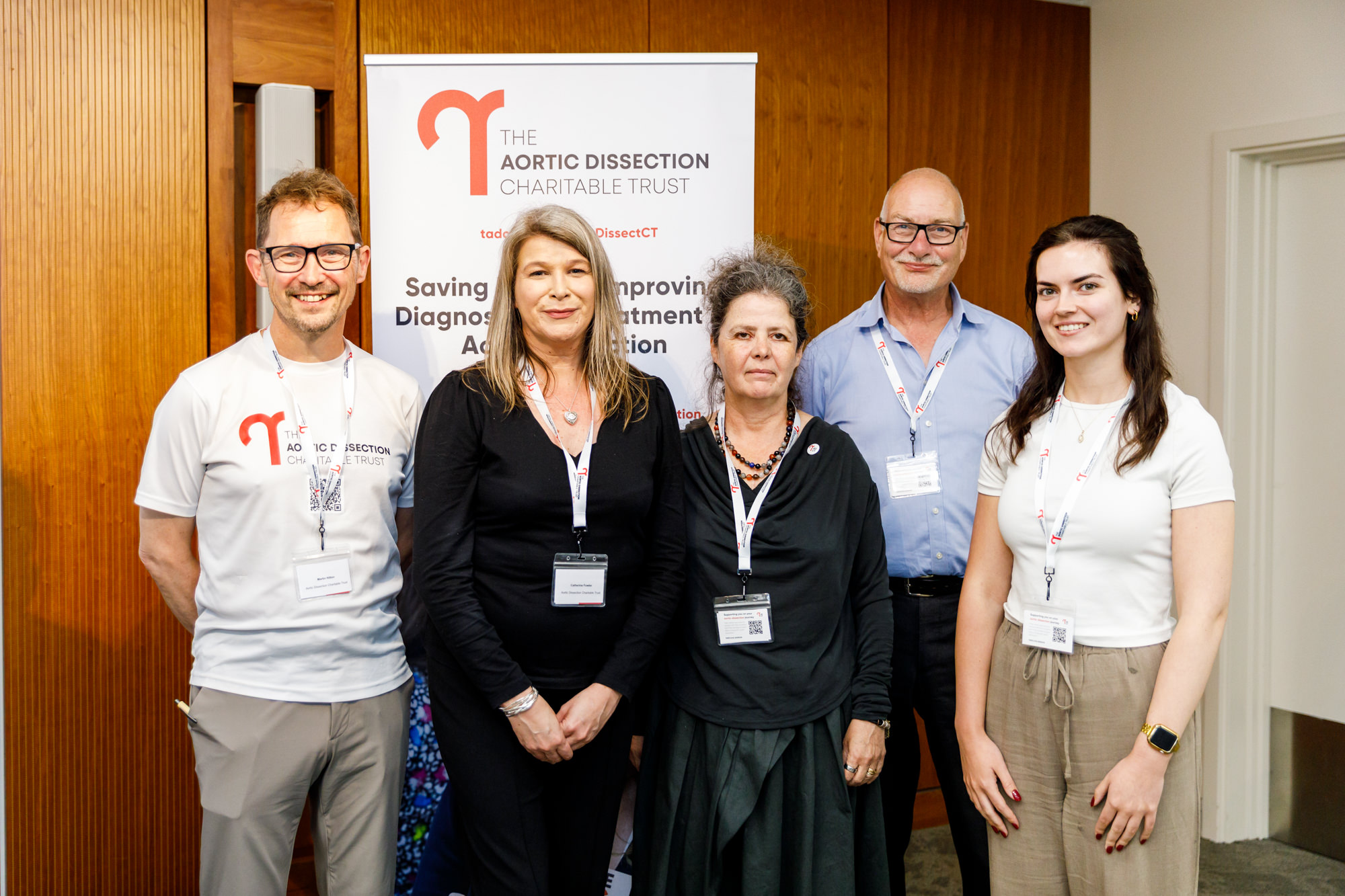
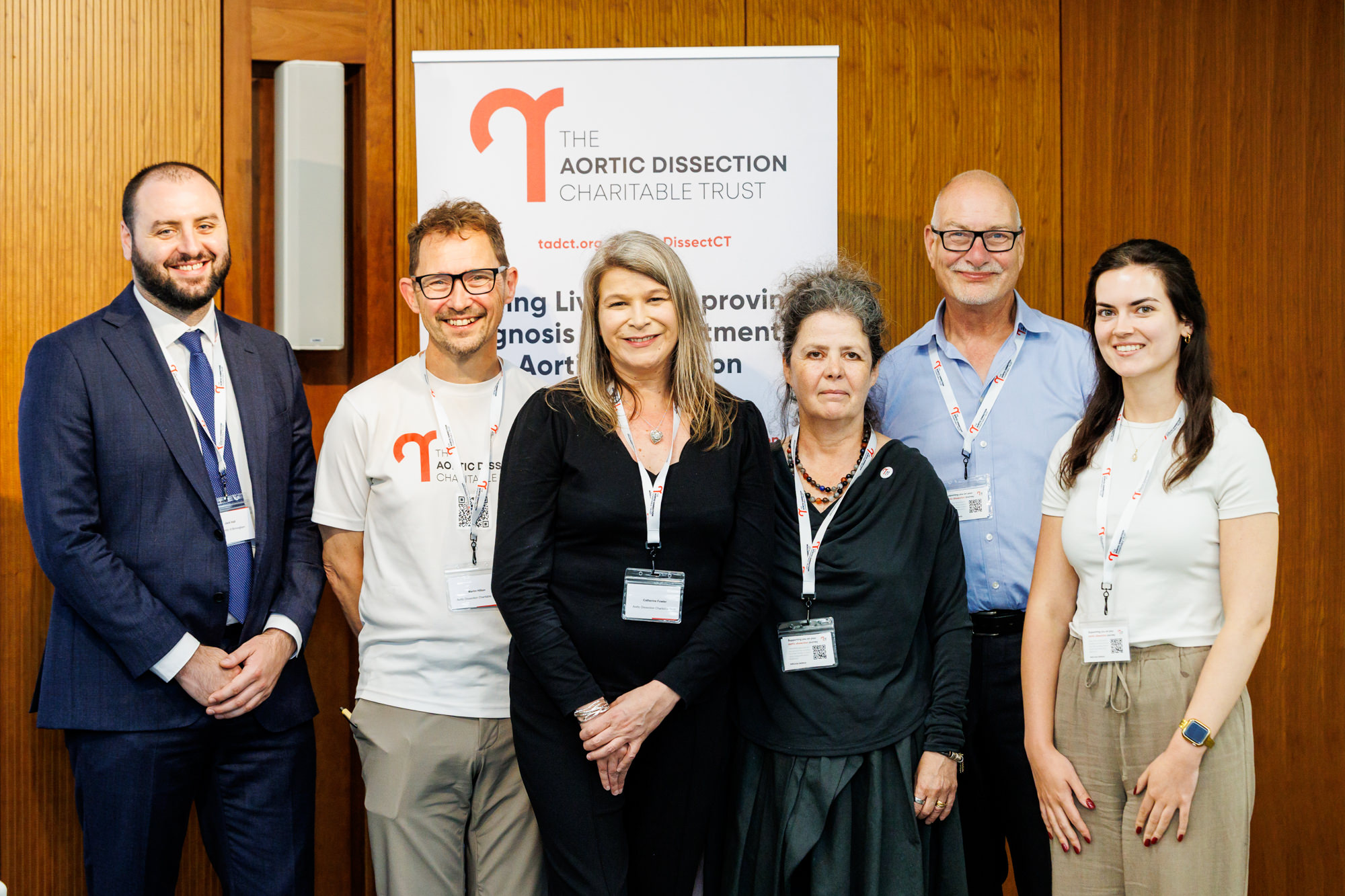
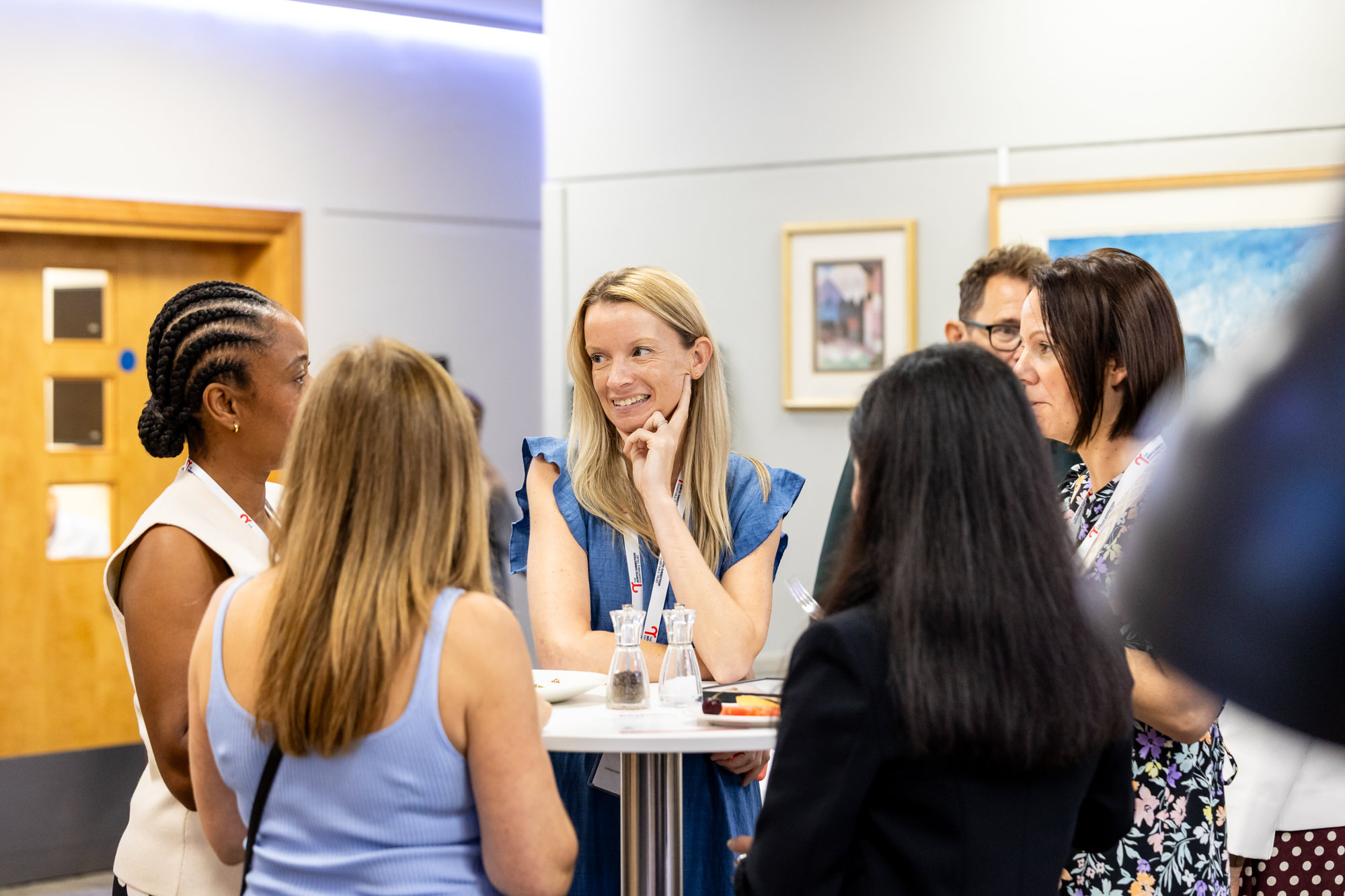
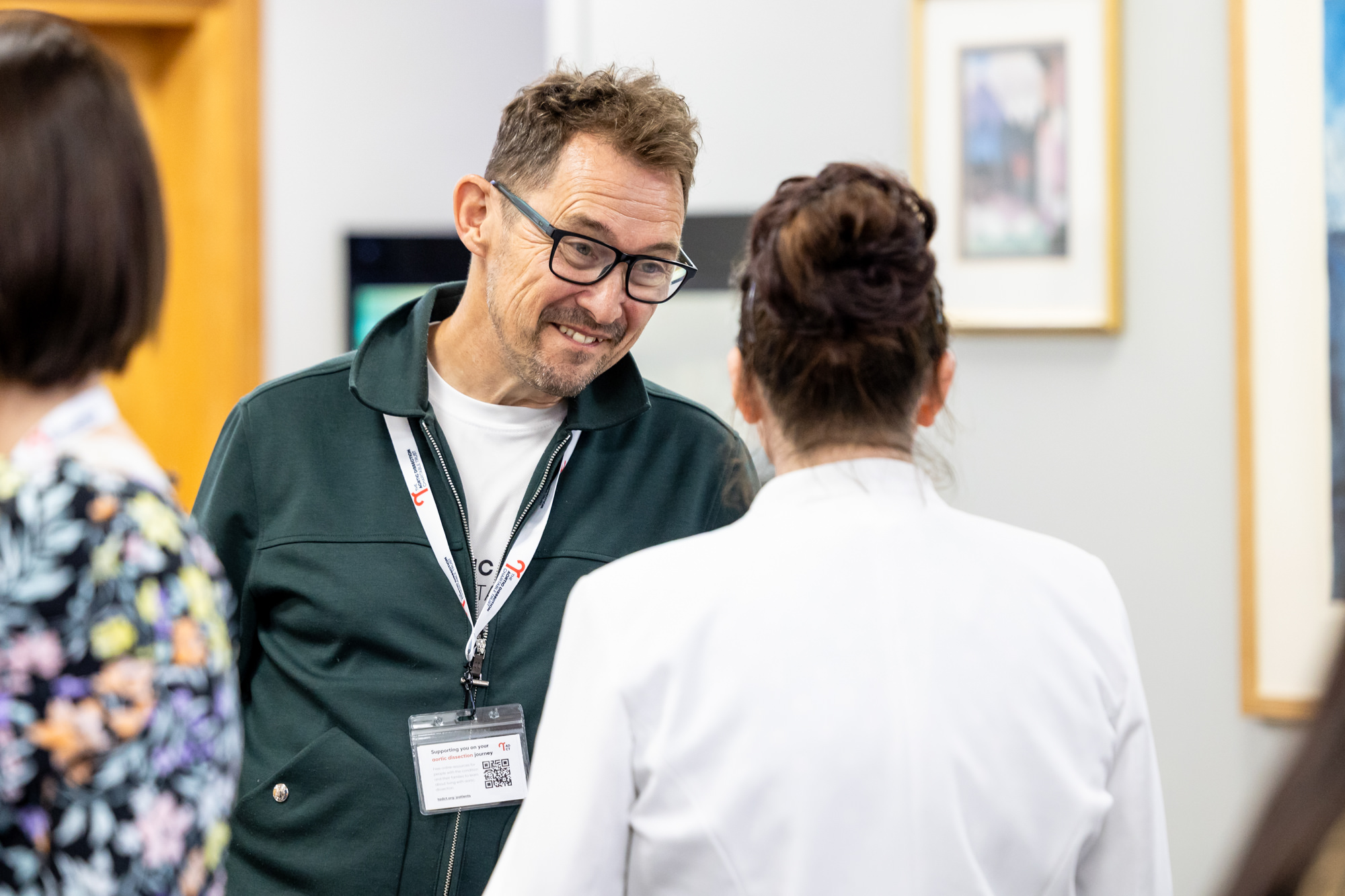
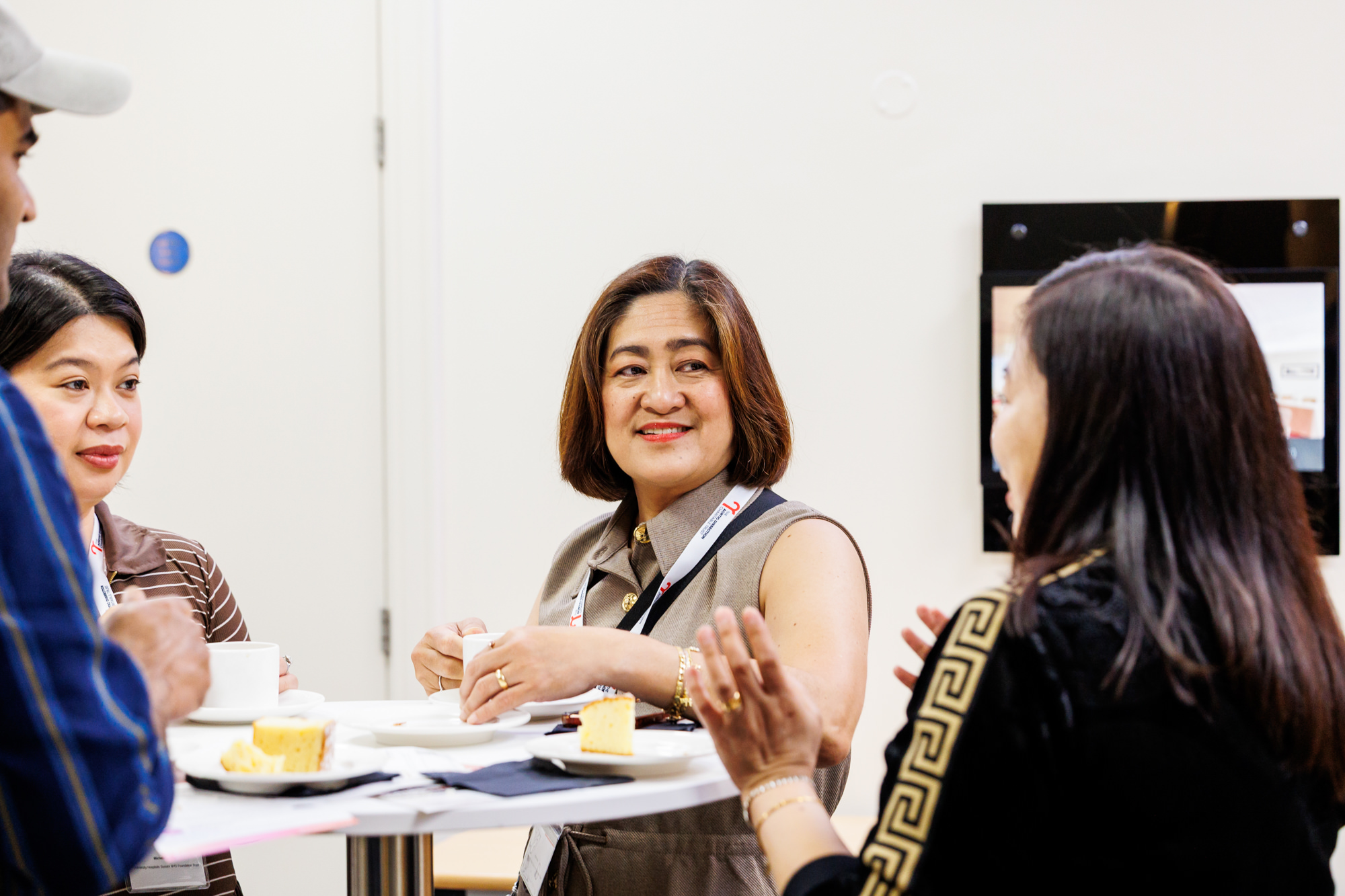
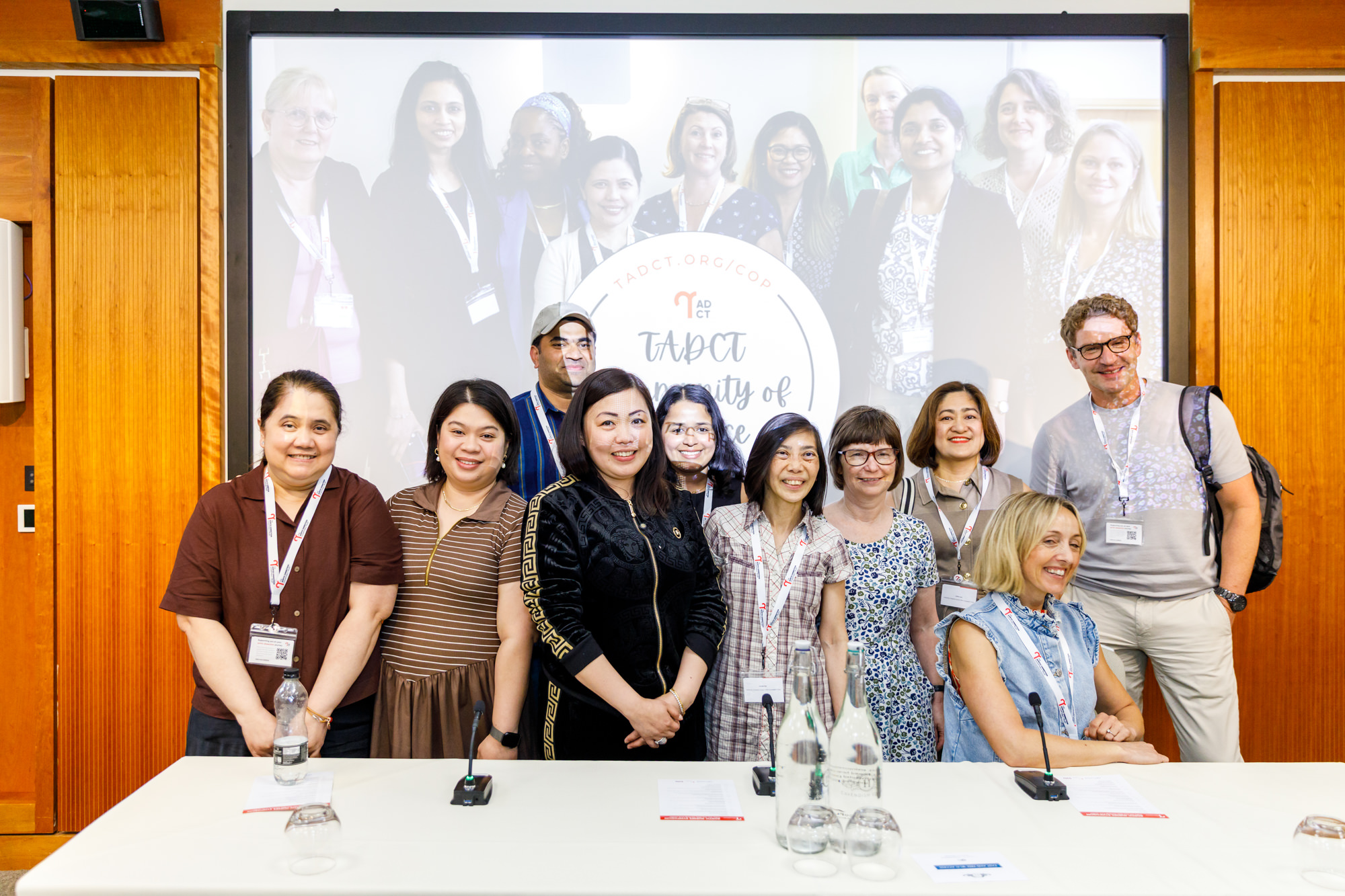
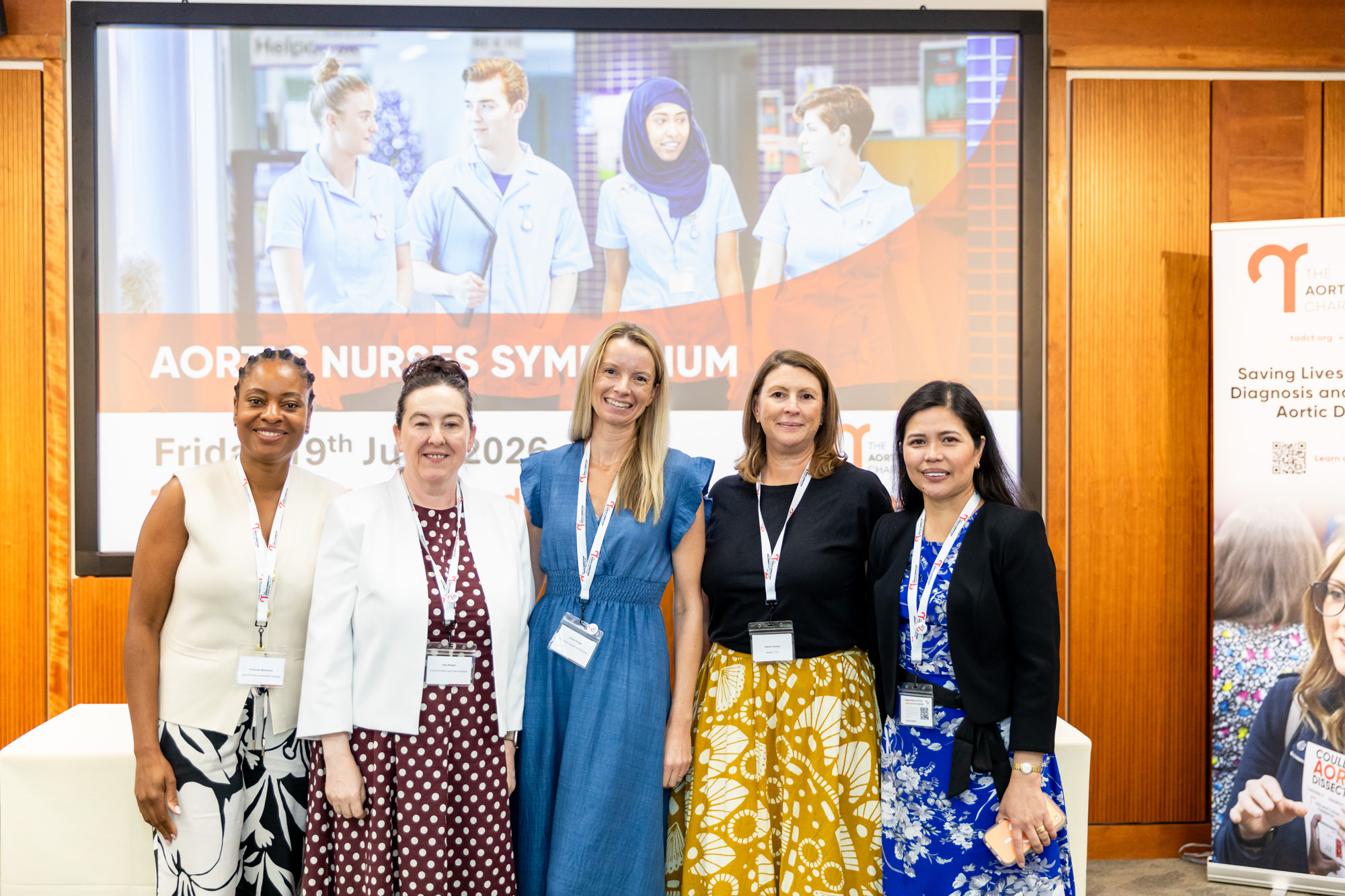
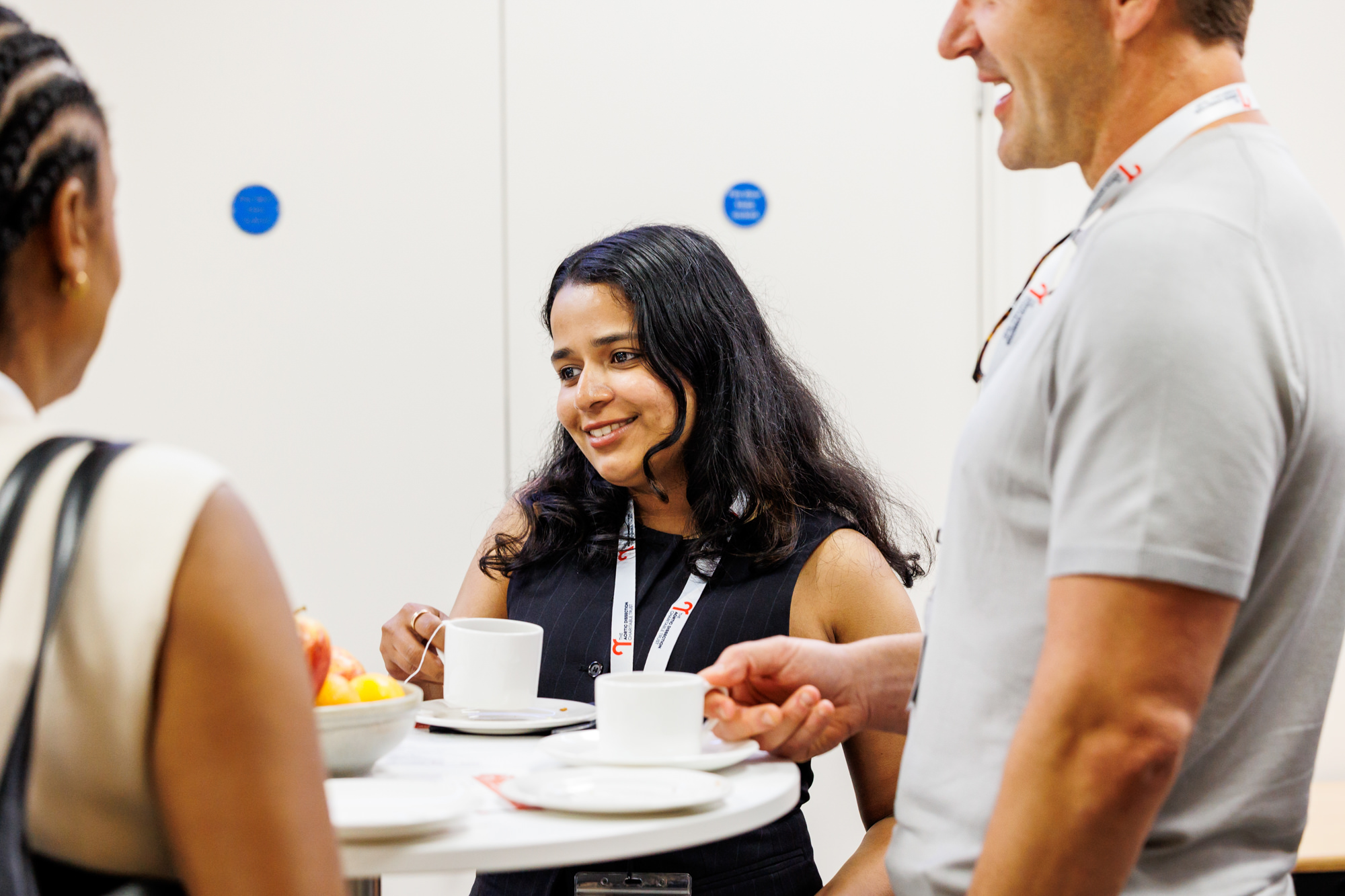
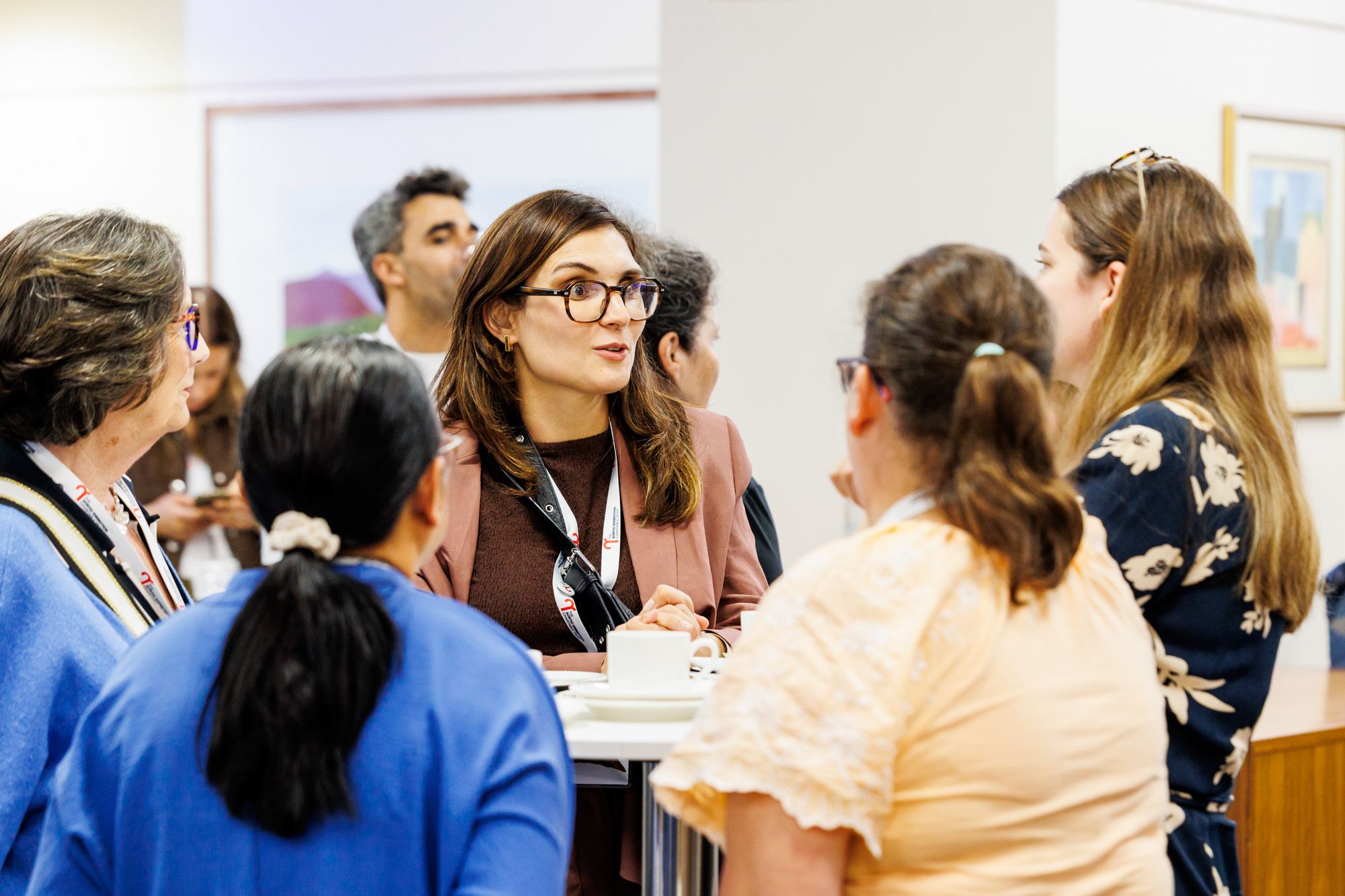
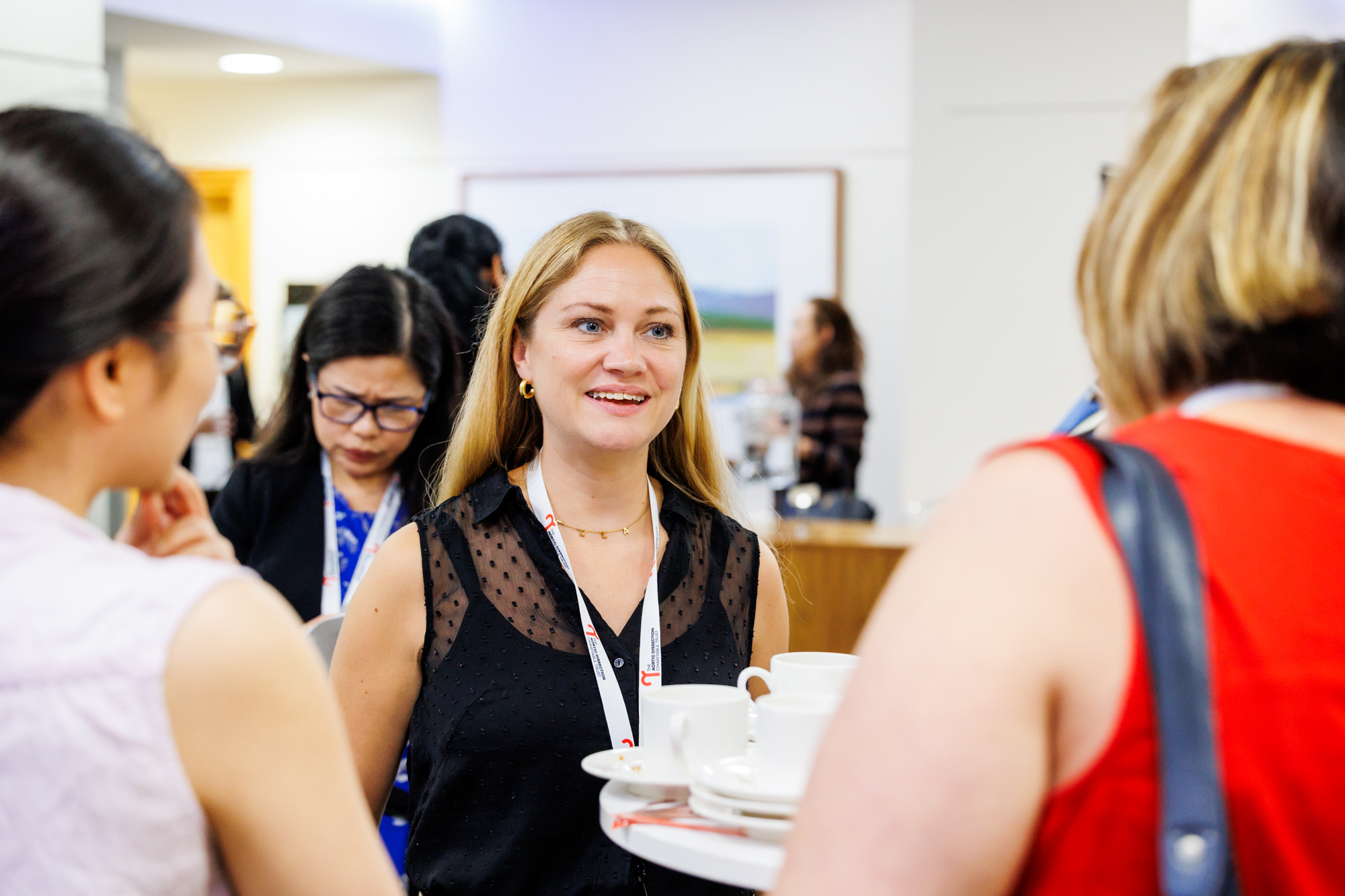
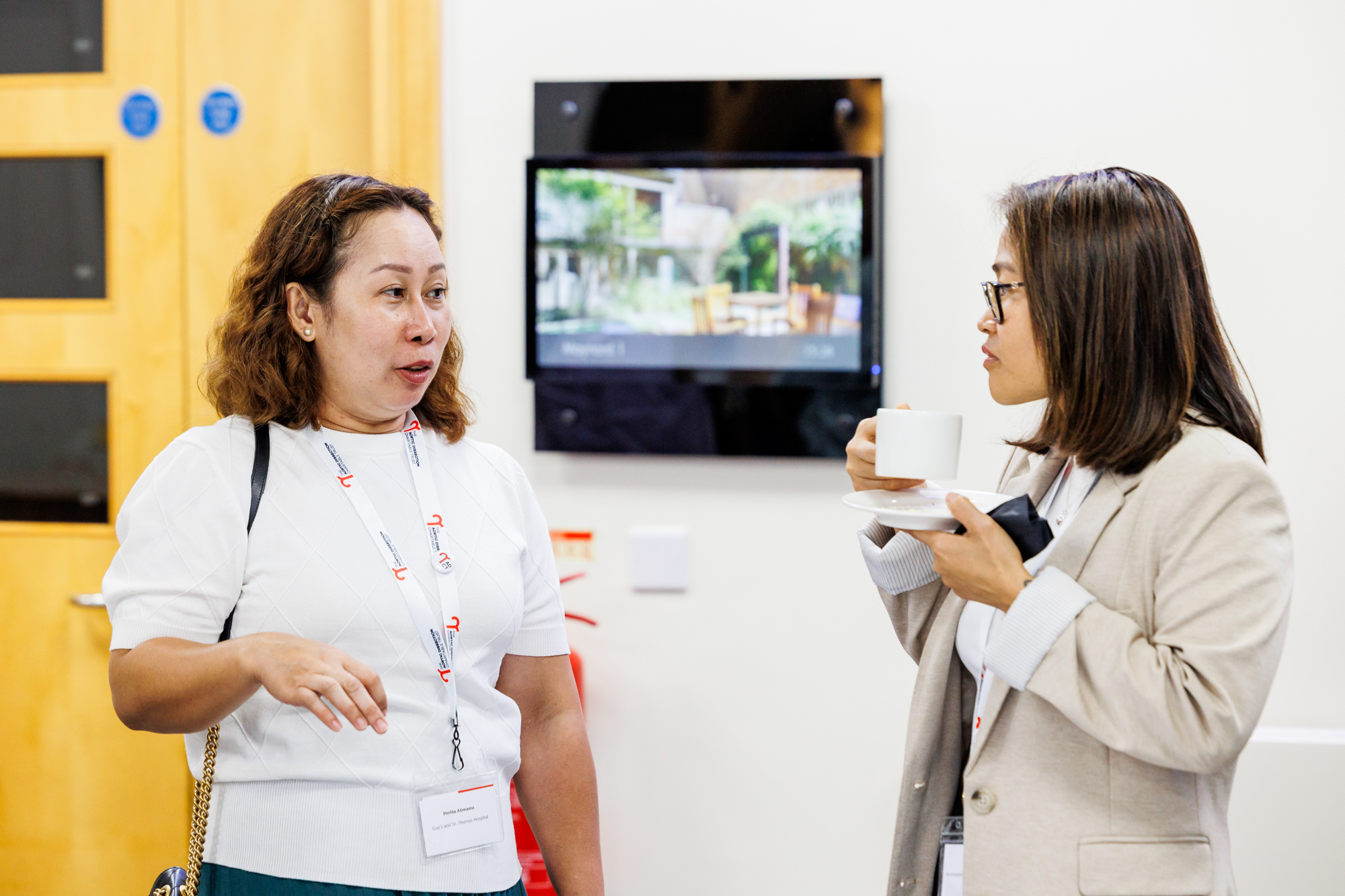
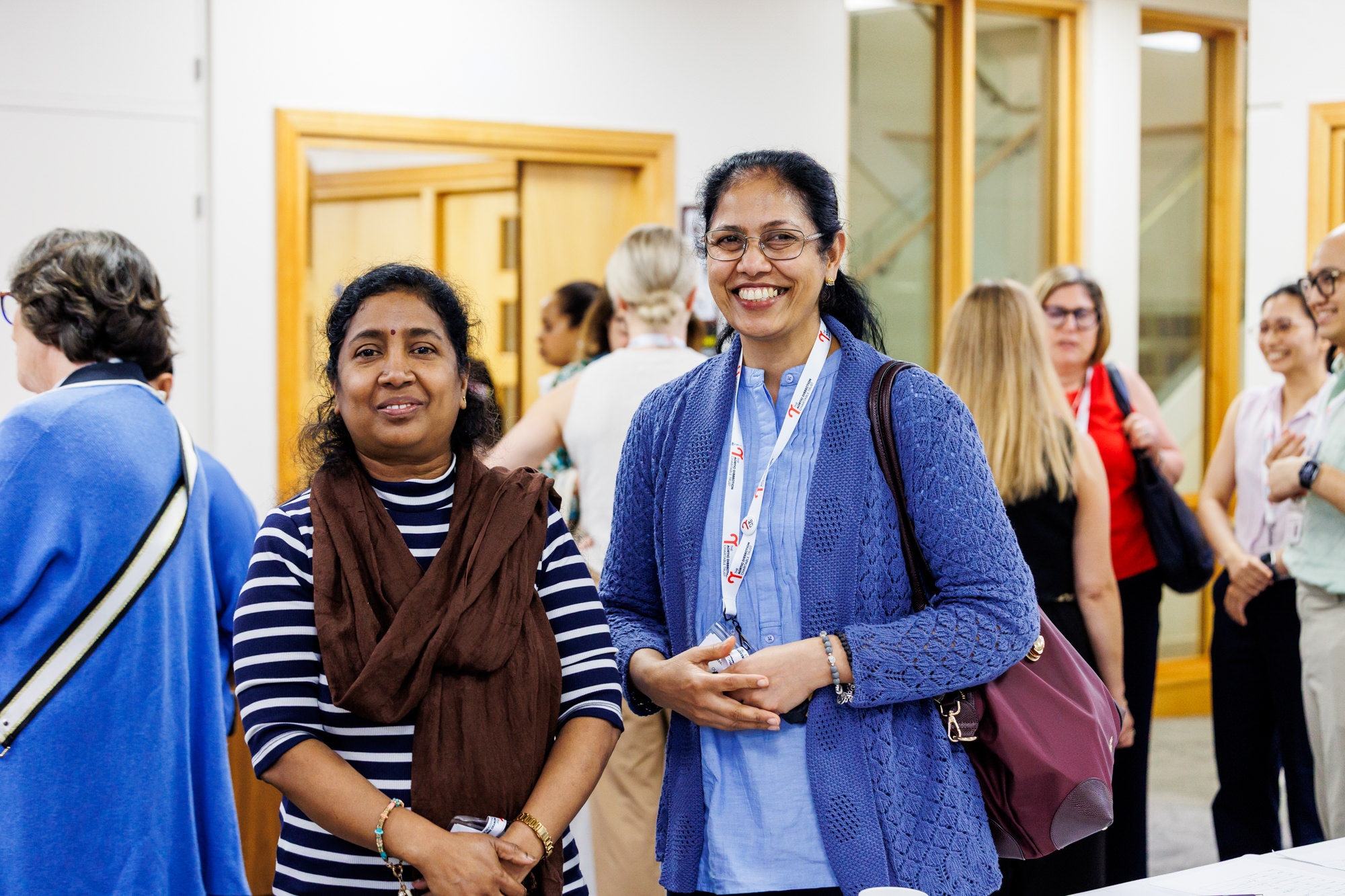
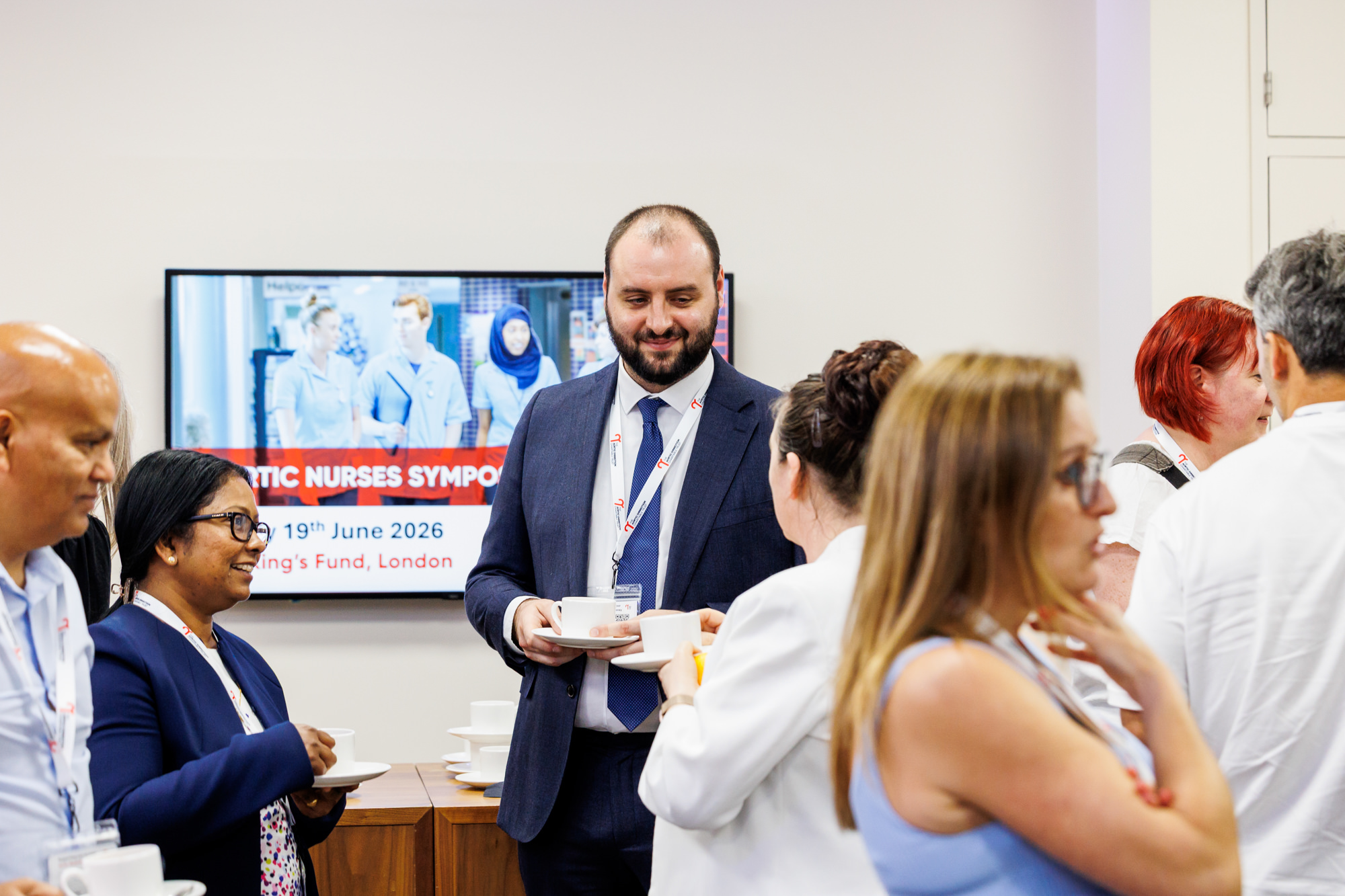
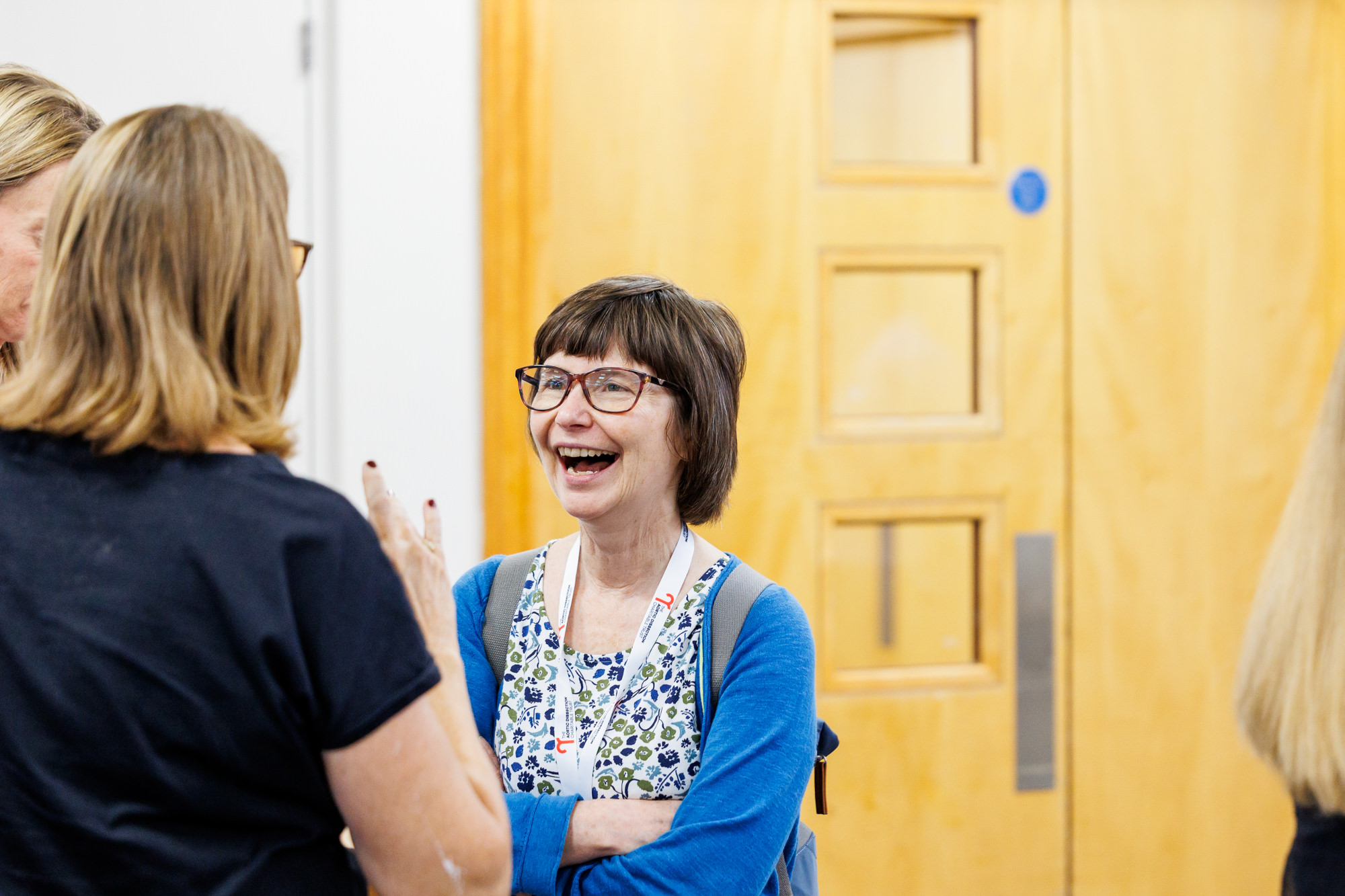
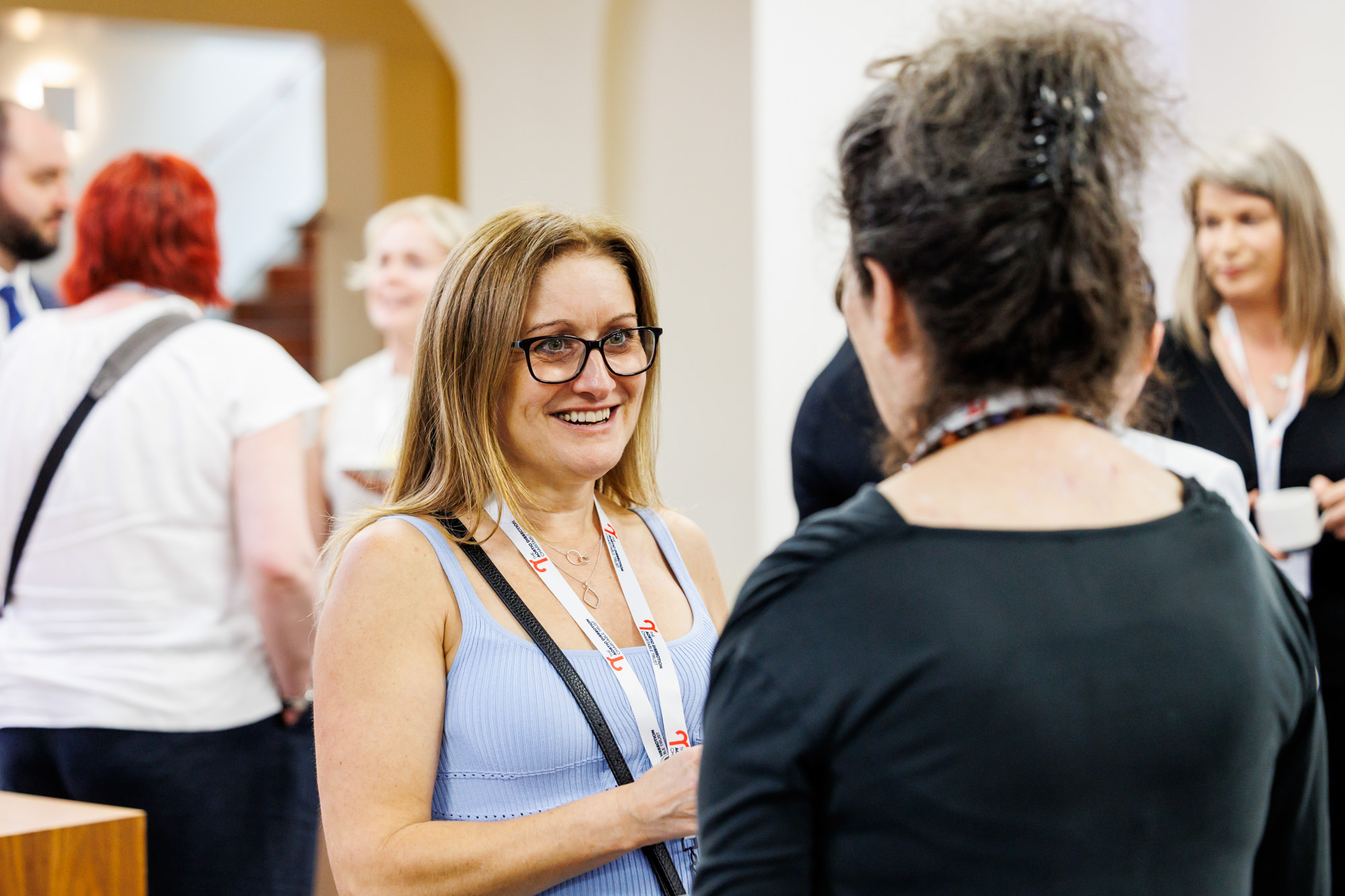
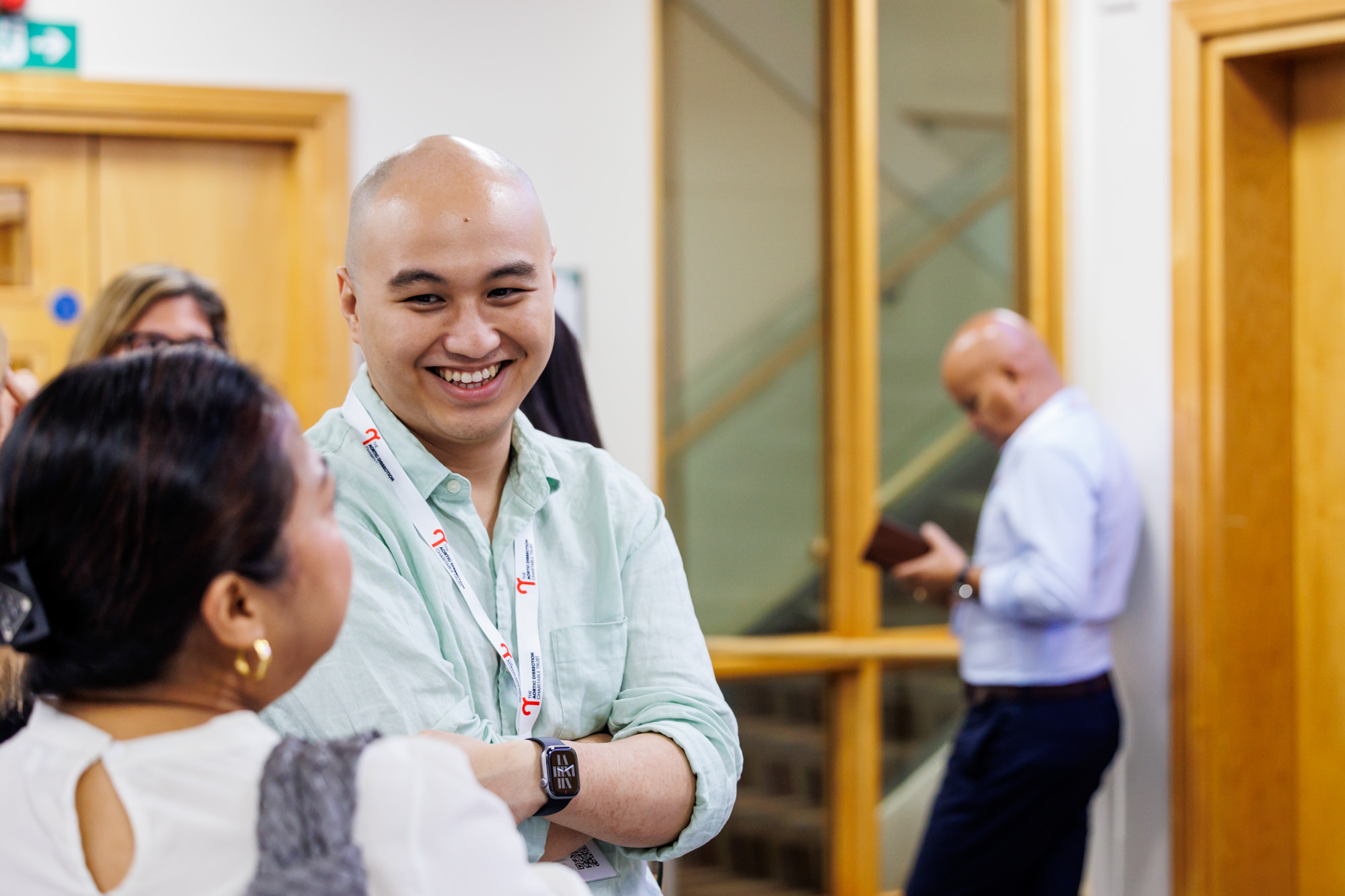
Championing innovation, research and nurse-led leadership, the Aortic Nurses Symposium 2026 brought together nurses, clinicians, researchers, patients and families from across the UK and Ireland to advance the future of aortic care. Building on the success of previous years, this year’s event demonstrated how the speciality is evolving from aspiration to action, with growing evidence of the impact dedicated aortic nurses are having on patient outcomes, service development and long-term recovery.
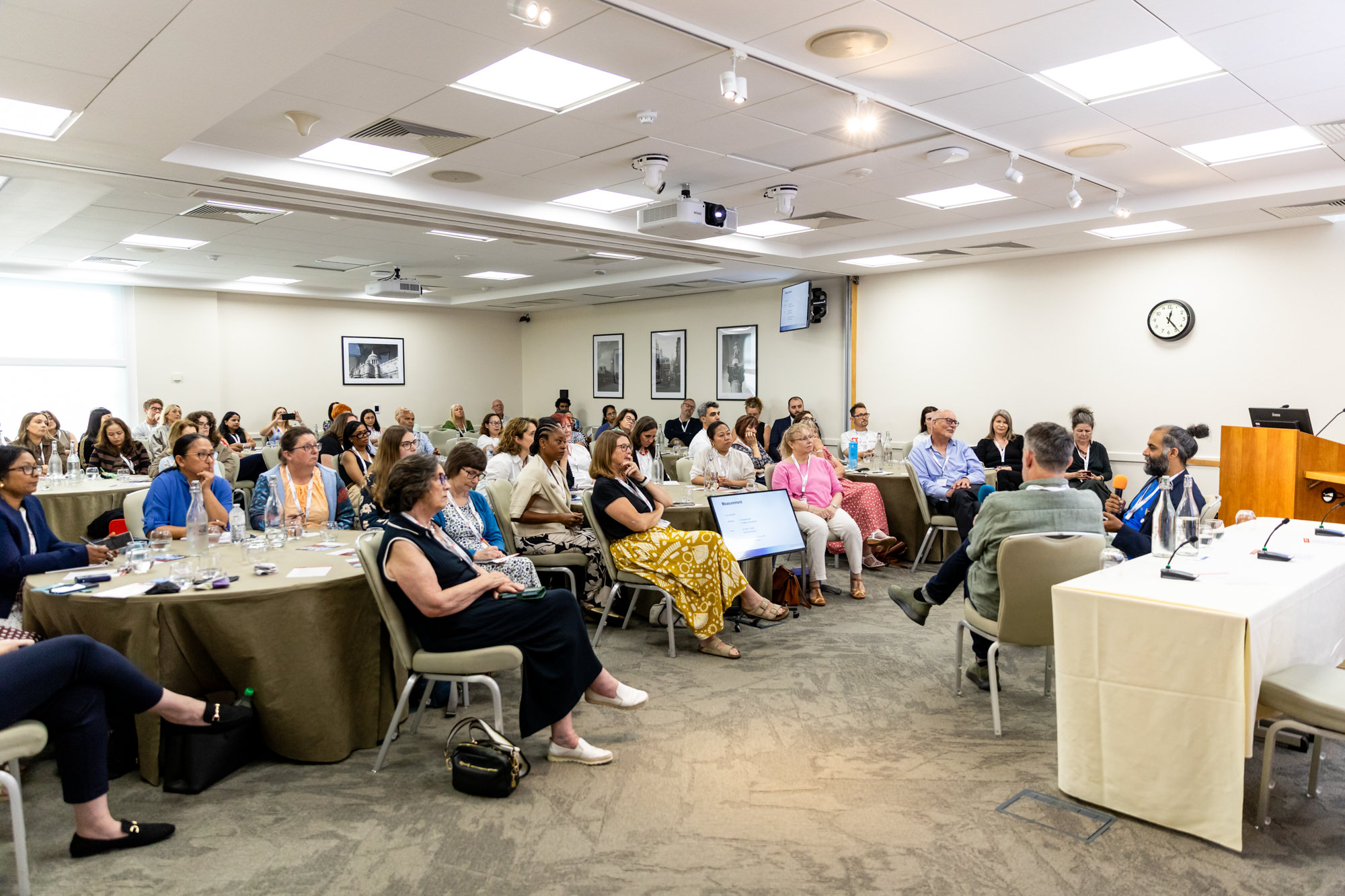
Held at The King’s Fund, London, the symposium welcomed both established aortic nurse specialists and those exploring how specialist nursing roles can be developed within their own NHS trusts. Throughout the day, delegates heard from leading clinicians, pioneering services, researchers, patients and family members, all united by a shared ambition to improve the lives of those affected by aortic disease.
Across the UK and Ireland, nurses are increasingly becoming the driving force behind service transformation, patient support, education and research. With its experience spanning patients, families and healthcare professionals, the charity is best positioned to help drive this progress and support the continued development of specialist aortic care.
The Aortic Dissection Charitable Trust has identified significant inequalities in the care and support available to people living with aortic dissection and has taken practical steps to address them.
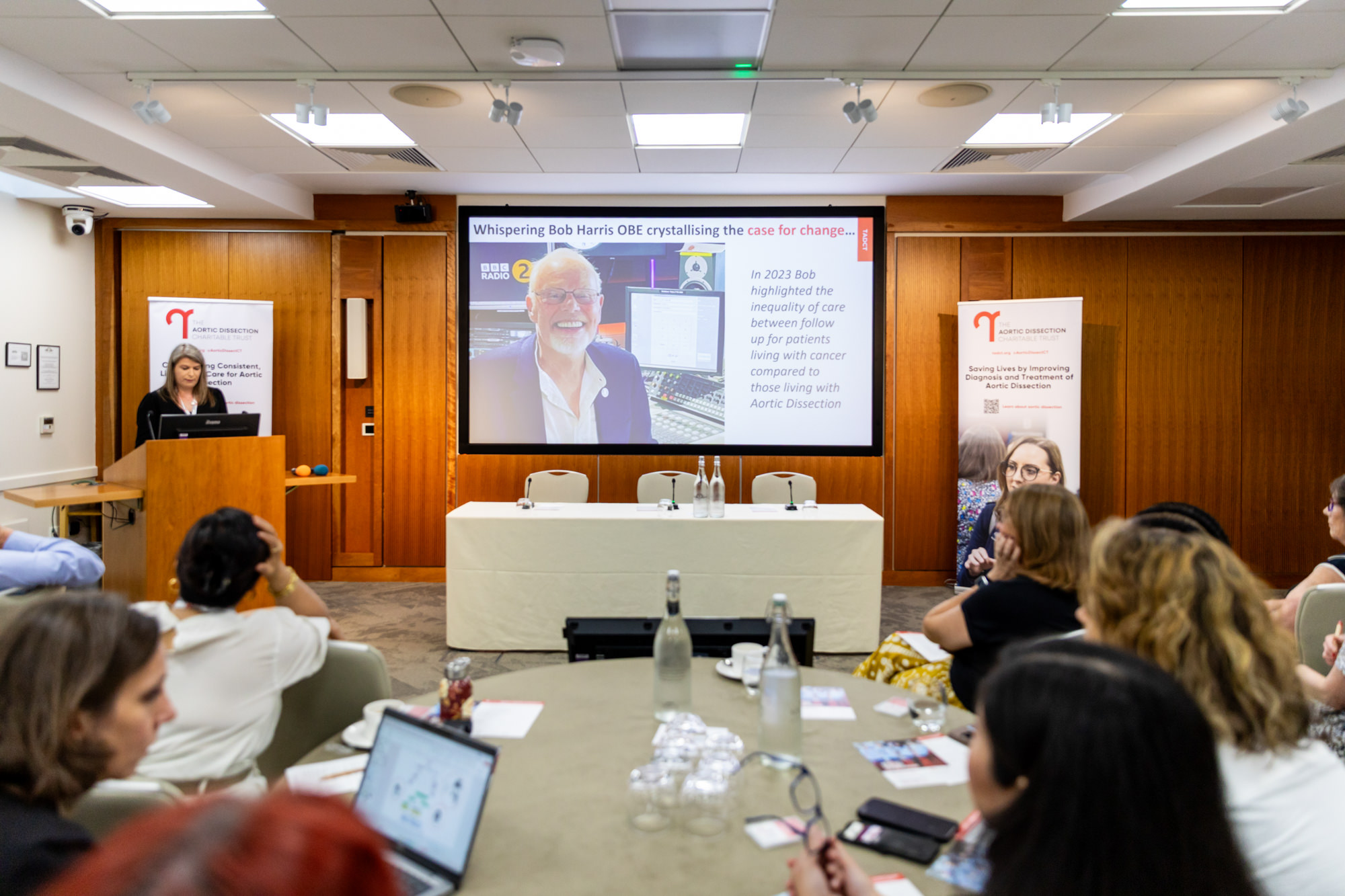
- Addressing inequalities in care and support – Many people living with aortic dissection do not have access to the specialist follow-up, psychological support and nurse-led care routinely available for other serious conditions. Charity ambassador Bob Harris OBE has become a passionate champion for addressing these inequalities and improving lifelong care for patients.
- Driving national change – TADCT successfully lobbied the Department of Health and NHS England for the development of the Elective Aortic Dissection Toolkit, which is currently being finalised and will help establish national standards for long-term follow-up and care.
- Funding specialist nurses – When funding for a national network of specialist aortic nurses could not be secured from the Department of Health, the charity took action itself and began funding specialist aortic nurses and Aortic Advanced Practitioners within NHS Trusts to improve patient care and support.
Building the Community
The day began with an update from Jayne Saul on the progress of the Aortic Dissection Charitable Trust’s Aortic Nurse Funding Programme and Community of Practice.
Drawing on more than a decade of experience working alongside aortic teams across the UK, Jayne reflected on the significant changes she has witnessed in awareness and specialist care. She highlighted how the charity’s investment in nurse-led services is helping centres develop dedicated pathways while creating opportunities for collaboration through the growing Community of Practice.
The session set the tone for the day, celebrating the progress already made while recognising the work still required to ensure every patient has access to specialist support.
Awareness has definitely been raised, and there is now a better chance that patients will be diagnosed than there was years ago.
Genetic Screening in Aortic Dissection
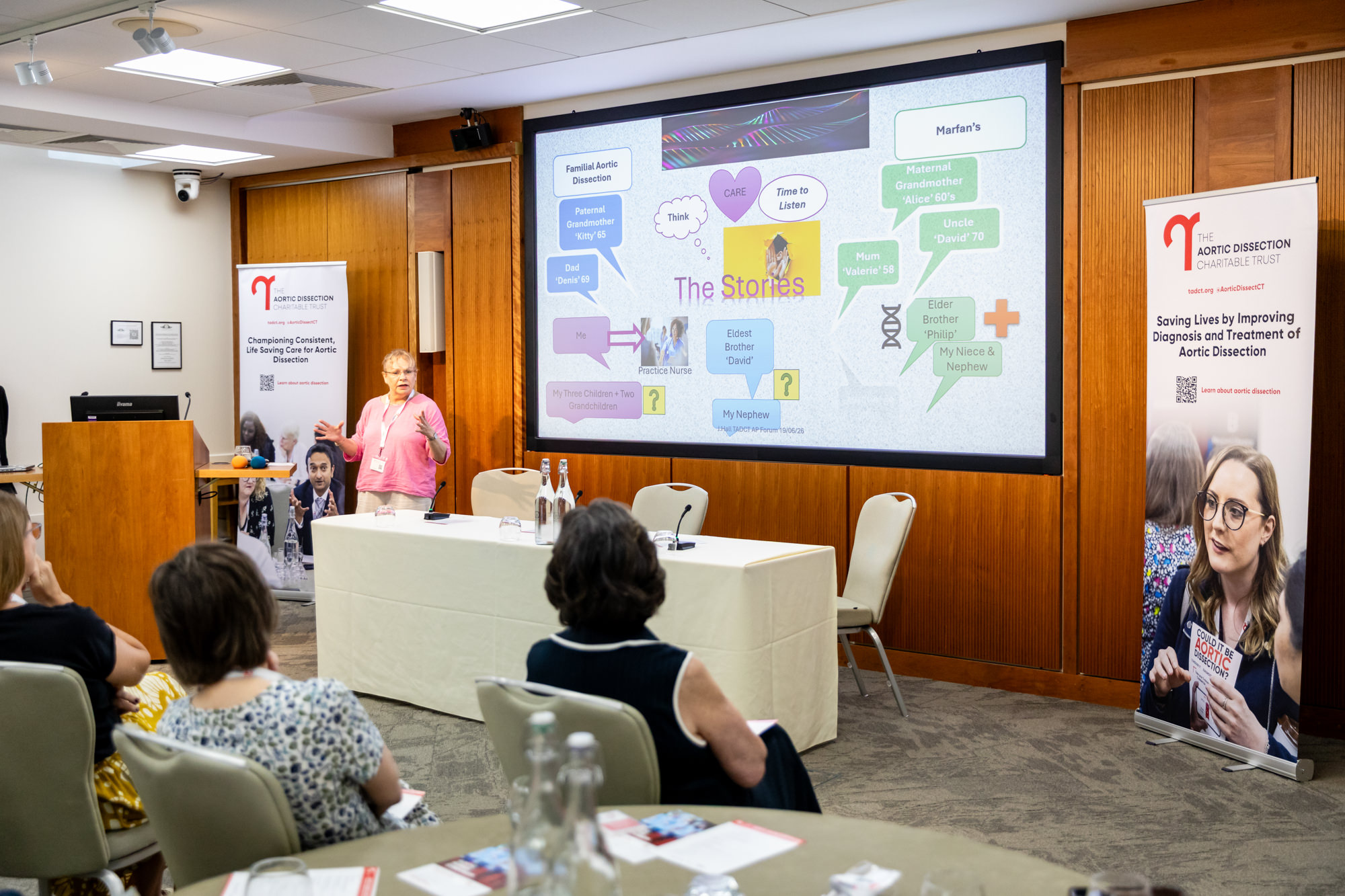
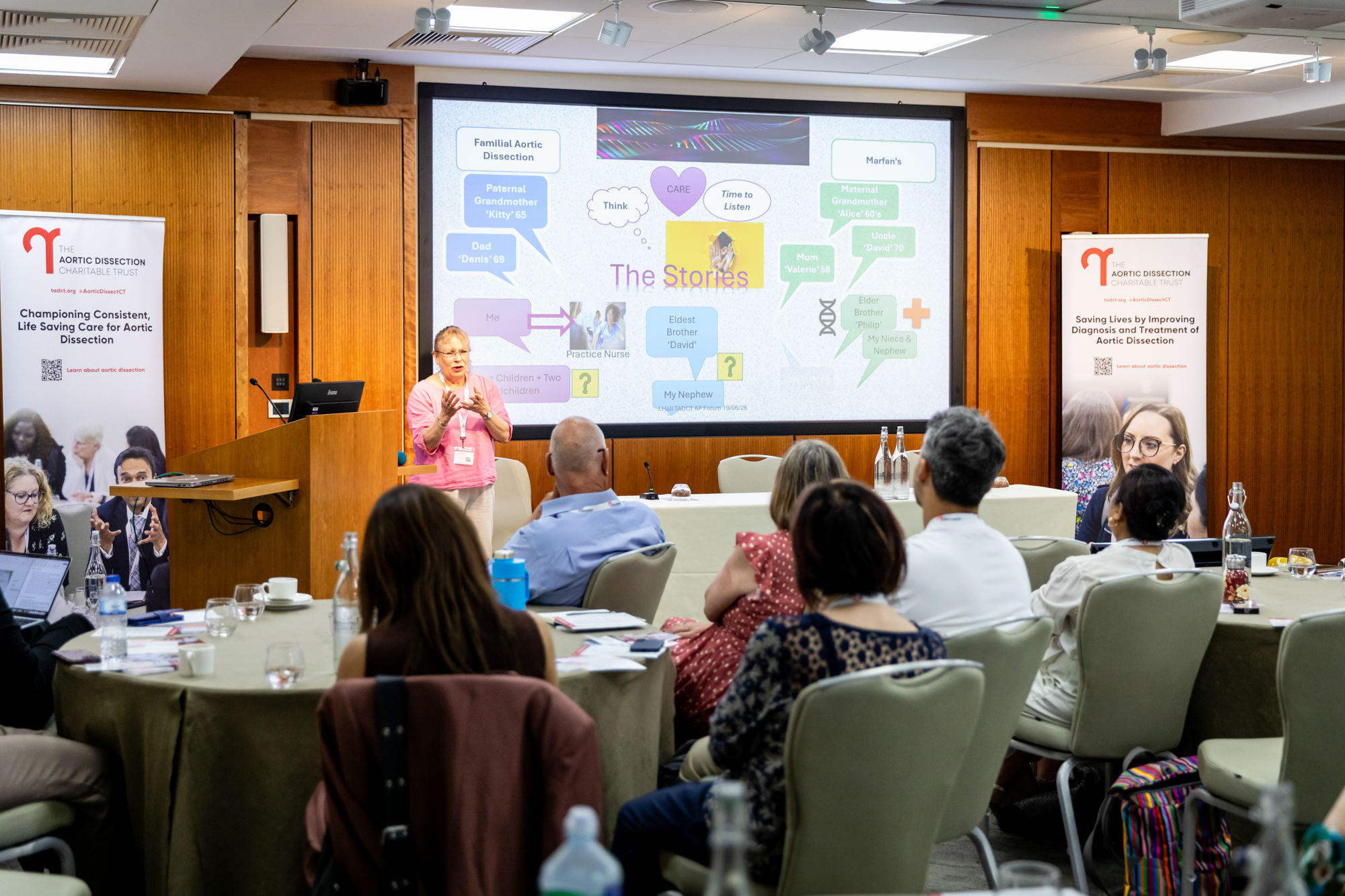
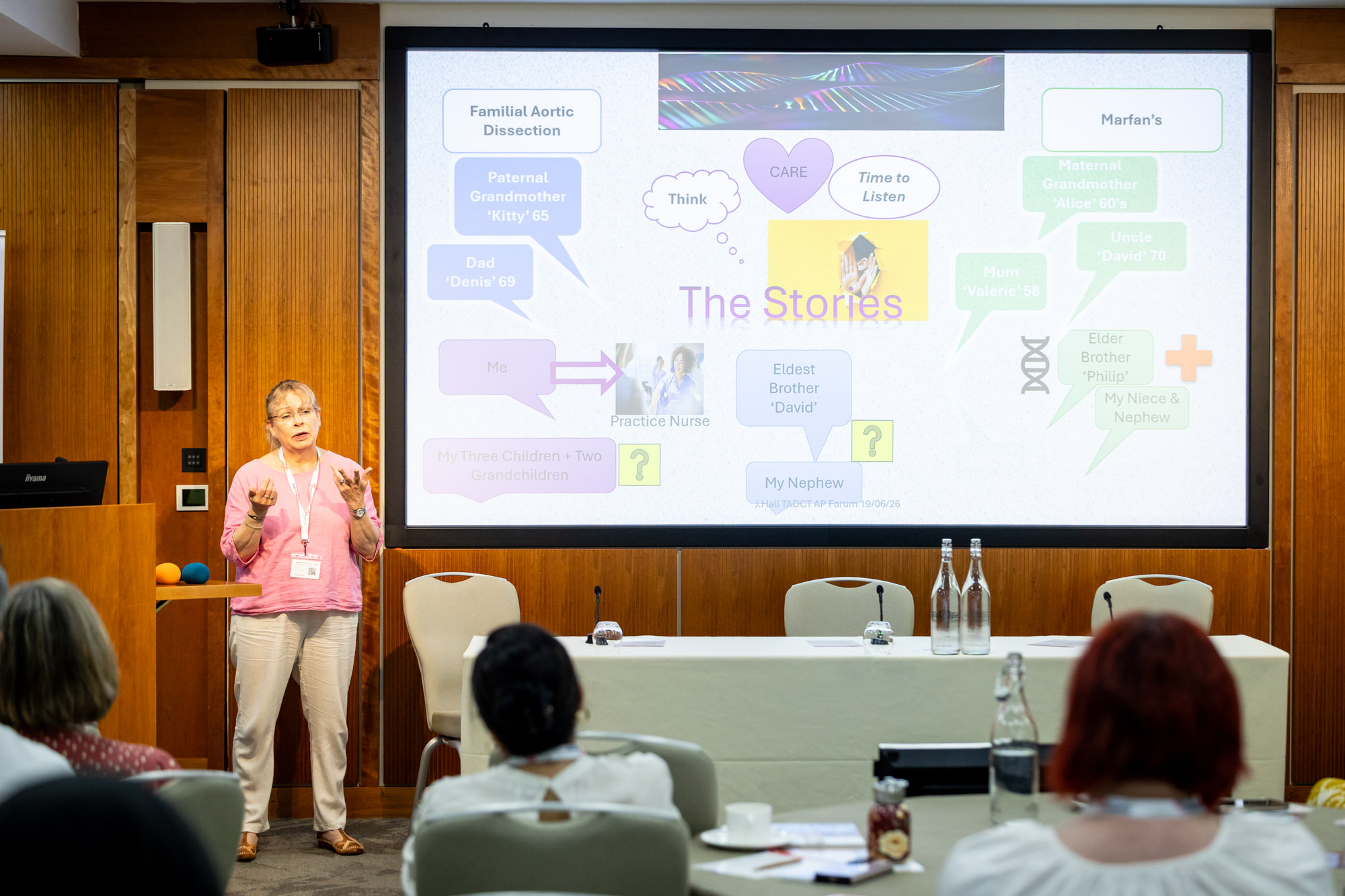
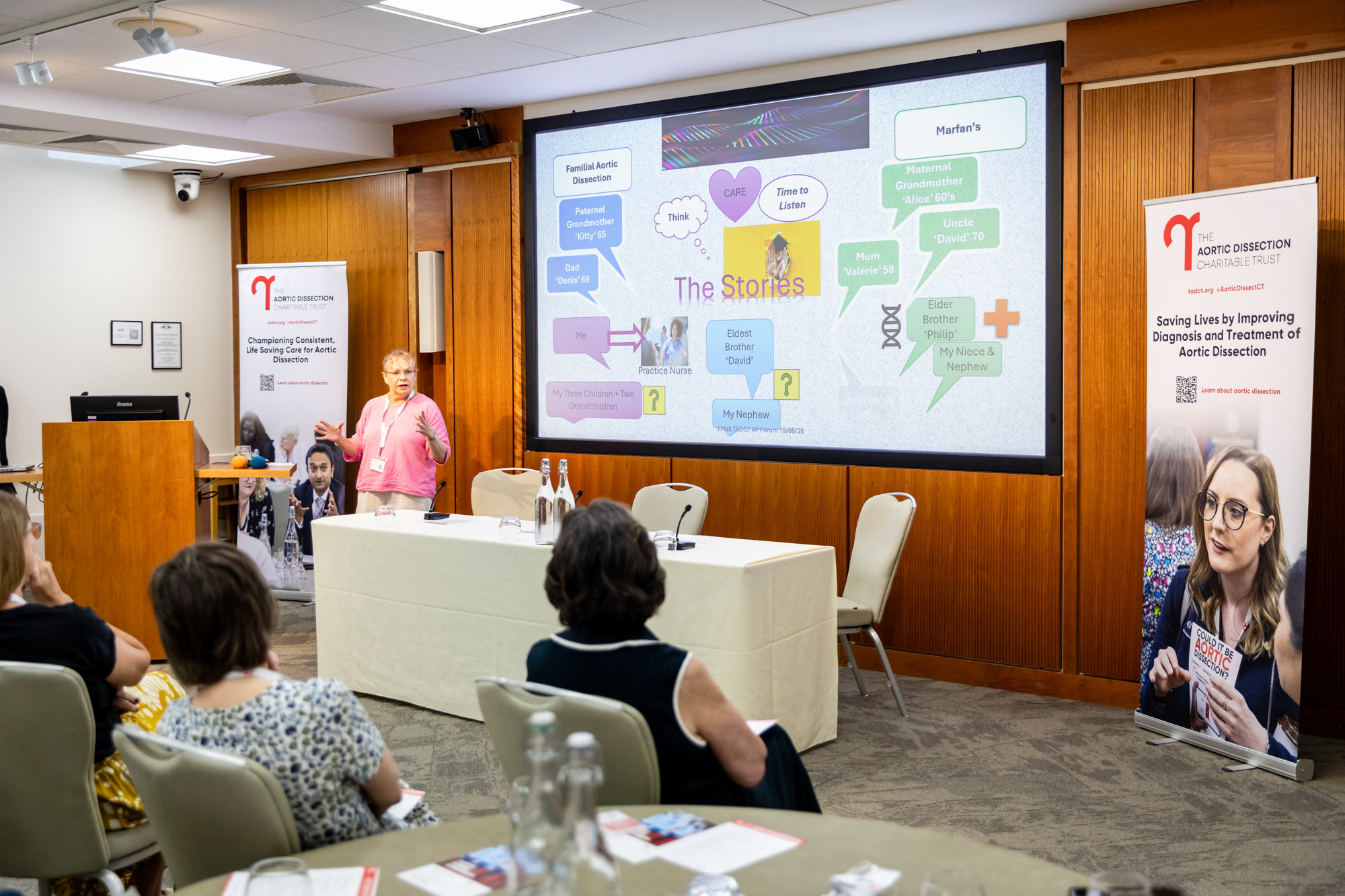
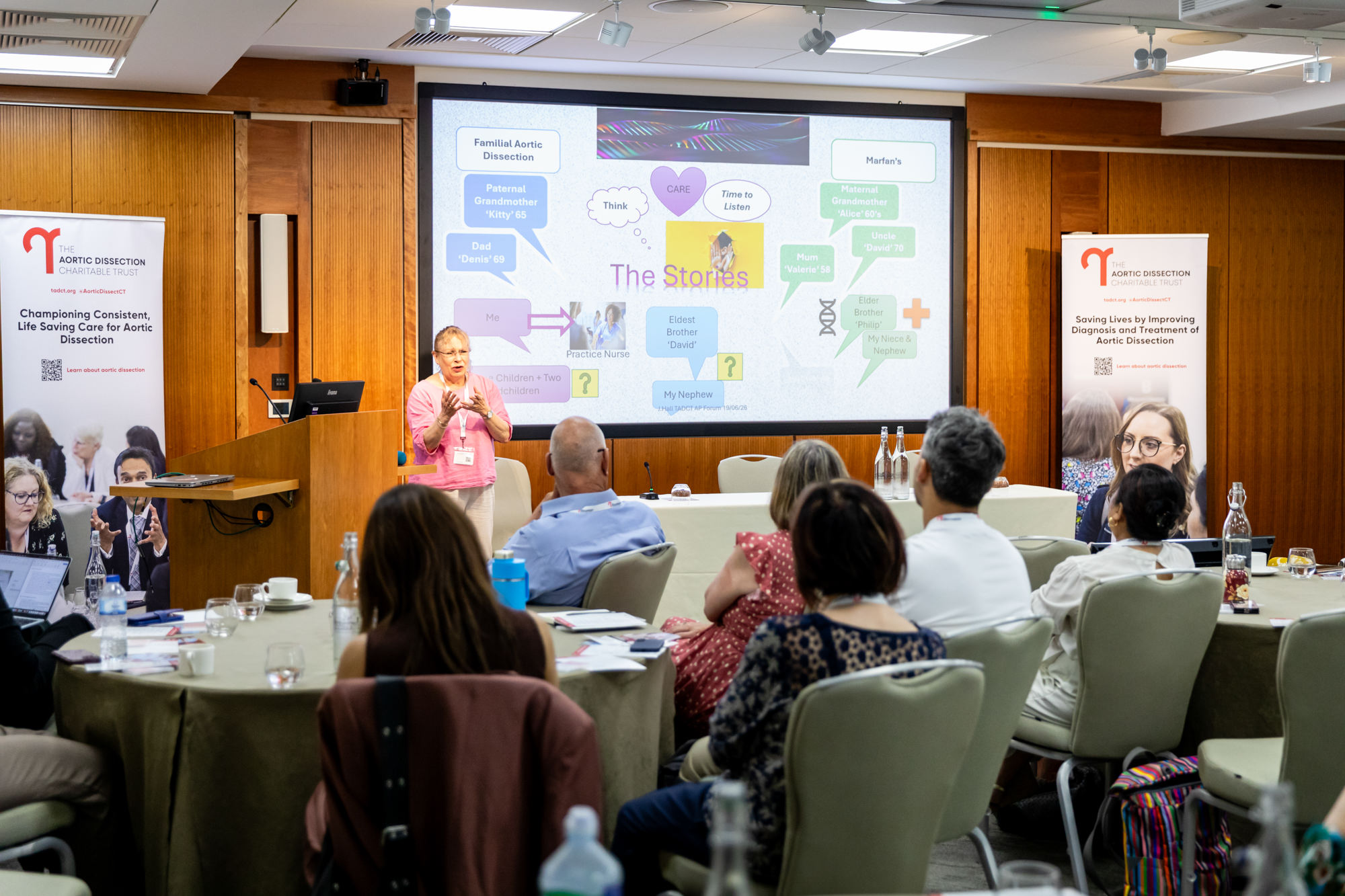
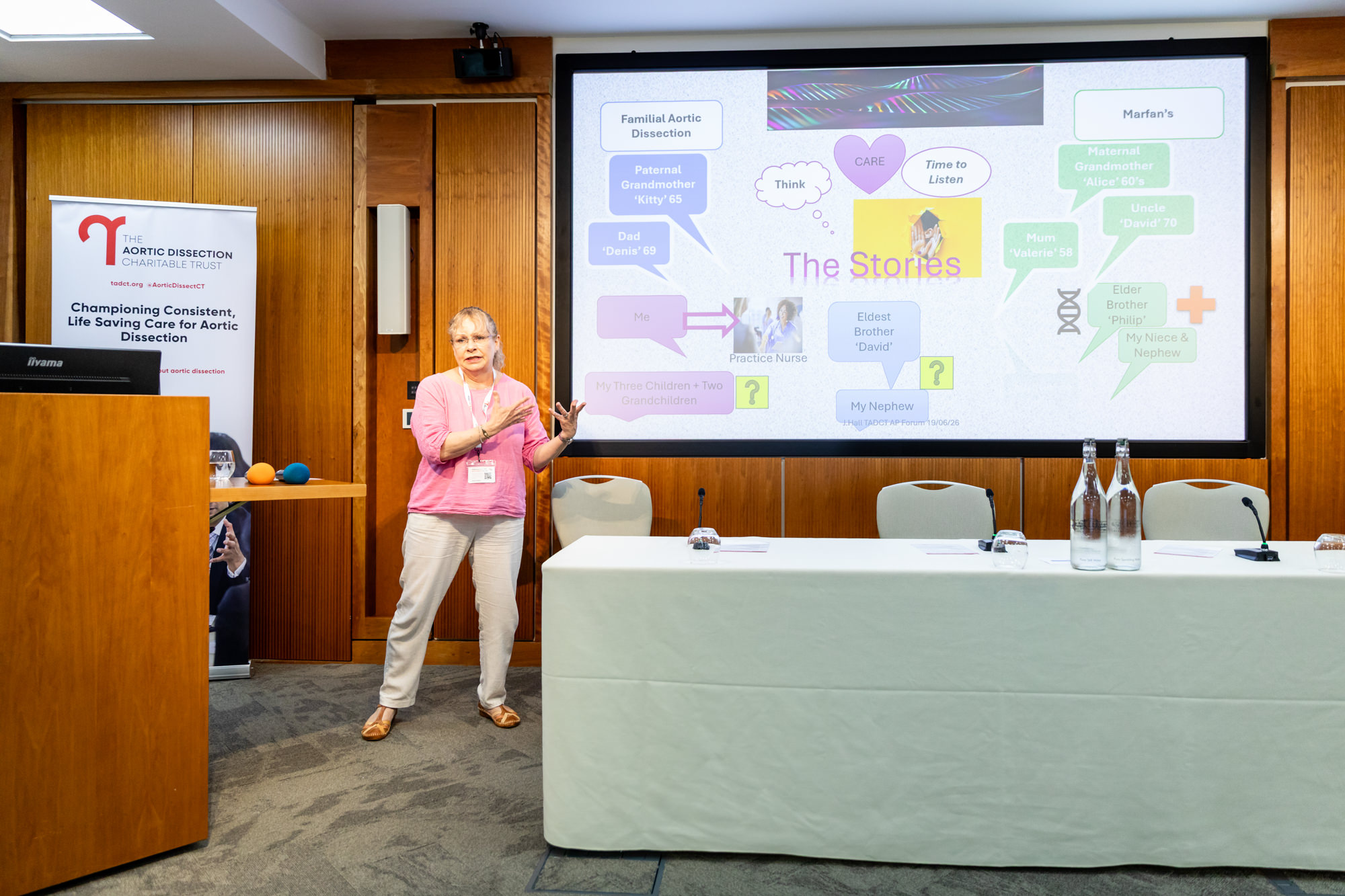
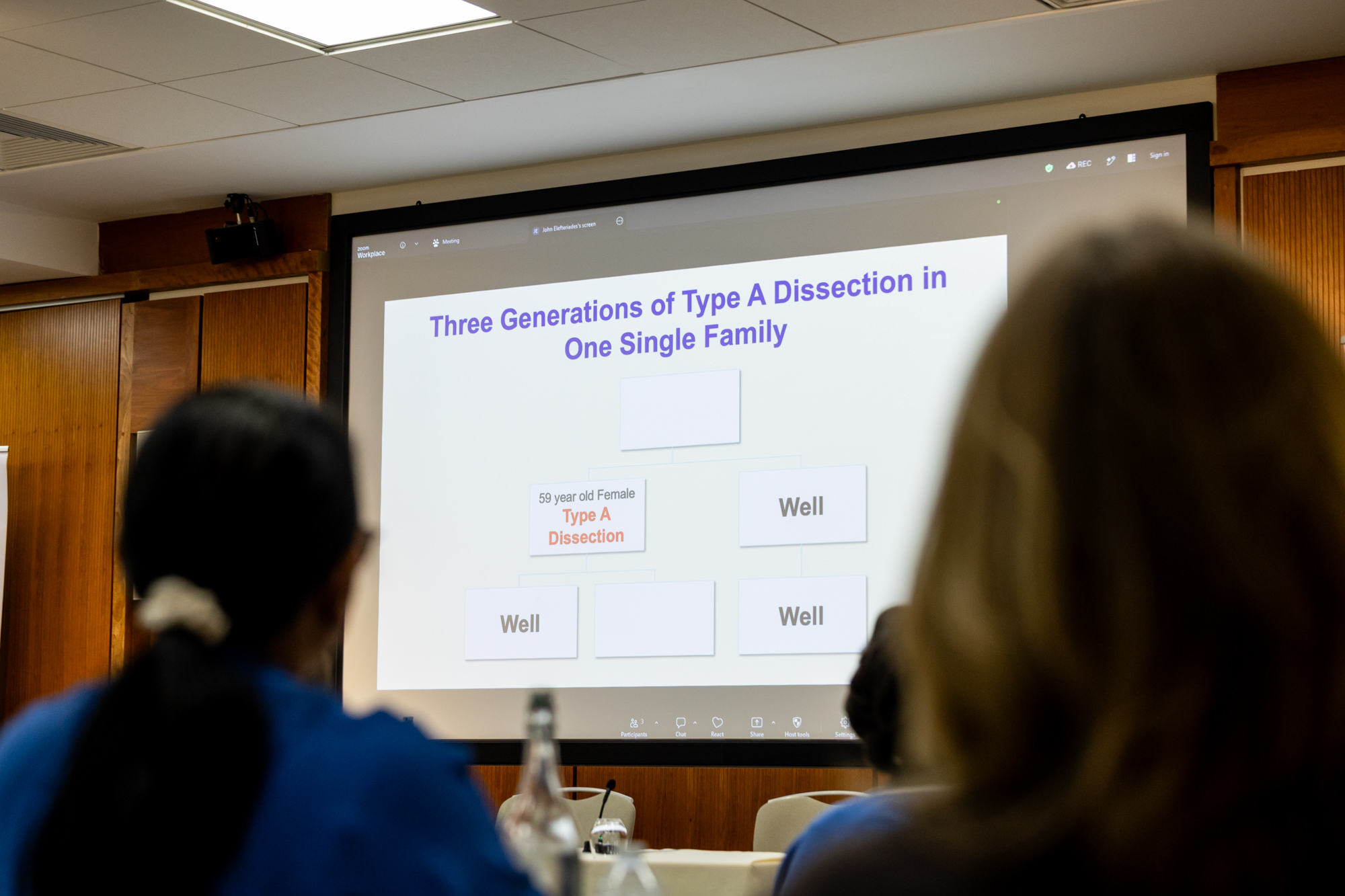
The importance of identifying inherited aortic disease was explored by Dr Elena Cervi, Consultant Cardiologist at Great Ormond Street Hospital, alongside Janine Hall, whose family has been profoundly affected by aortic disease.
Dr Cervi provided an overview of the role genetic testing plays in identifying individuals at risk of aortic aneurysm and dissection. As understanding of hereditary conditions continues to improve, genetic screening is becoming increasingly important in guiding treatment decisions and identifying family members who may benefit from surveillance before a life-threatening event occurs.
Janine’s personal story brought these clinical principles to life. Speaking candidly about the impact of aortic disease across multiple generations of her family, she described the uncertainty of living with inherited risk and the importance of early detection.
Thanks to a practice nurse, my aneurysm was discovered before I ever knew it was there.

Integrating Aortic Dissection into Your Life
Dr Tara Mastracci, Consultant Vascular Surgeon at Barts Health, and patient advocate Edward Montgomery explored what life looks like after surviving an aortic dissection.
While much attention is rightly focused on the acute event, Dr Mastracci emphasised that most patients spend the majority of their lives living with the consequences of dissection. Ongoing surveillance, medication, uncertainty and the possibility of future intervention can create significant physical and psychological challenges.
Patients spend the rest of their lives living in the chronic phase. That’s what we need to focus on.
Dr Mastracci outlined a vision for a “hospital without walls”, where technology, remote monitoring and specialist support enable patients to remain connected to their care teams while rebuilding their lives at home.
Edward shared his own experiences of recovery, discussing the challenges of adapting to a new reality while maintaining confidence and purpose. Together, the session highlighted the importance of empowering patients to move beyond survival and embrace life after dissection.
Managing Hypertension
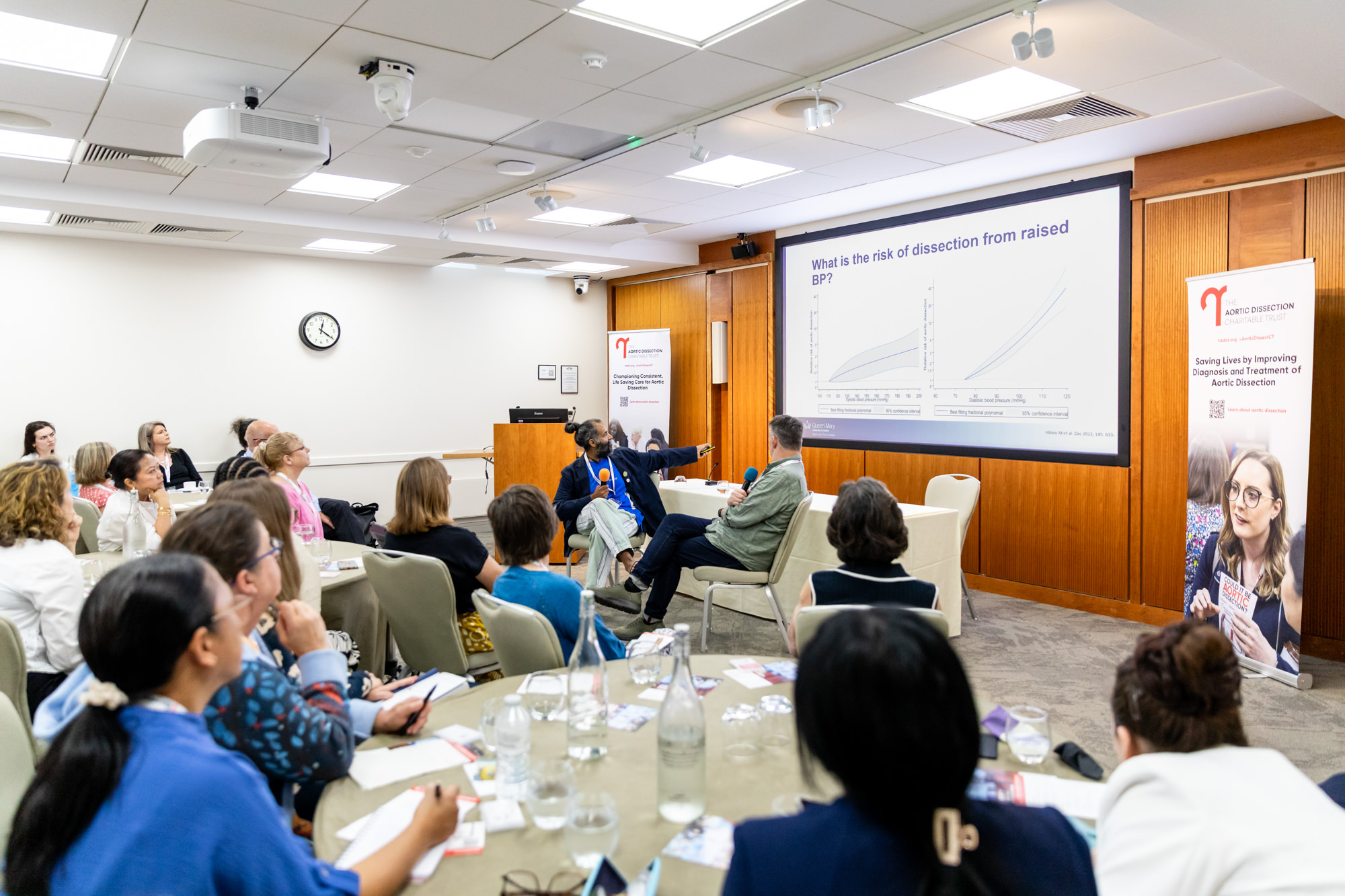
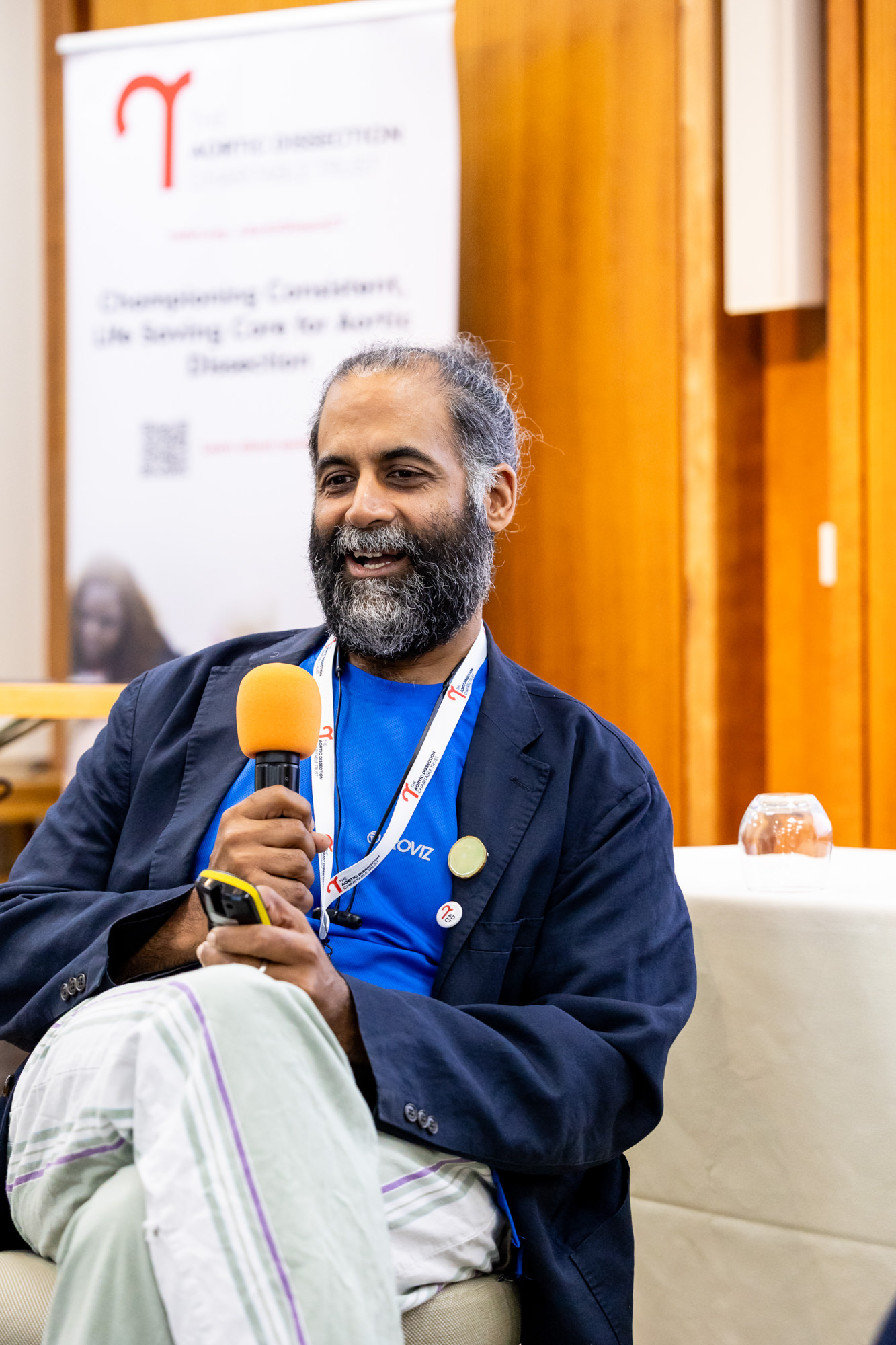
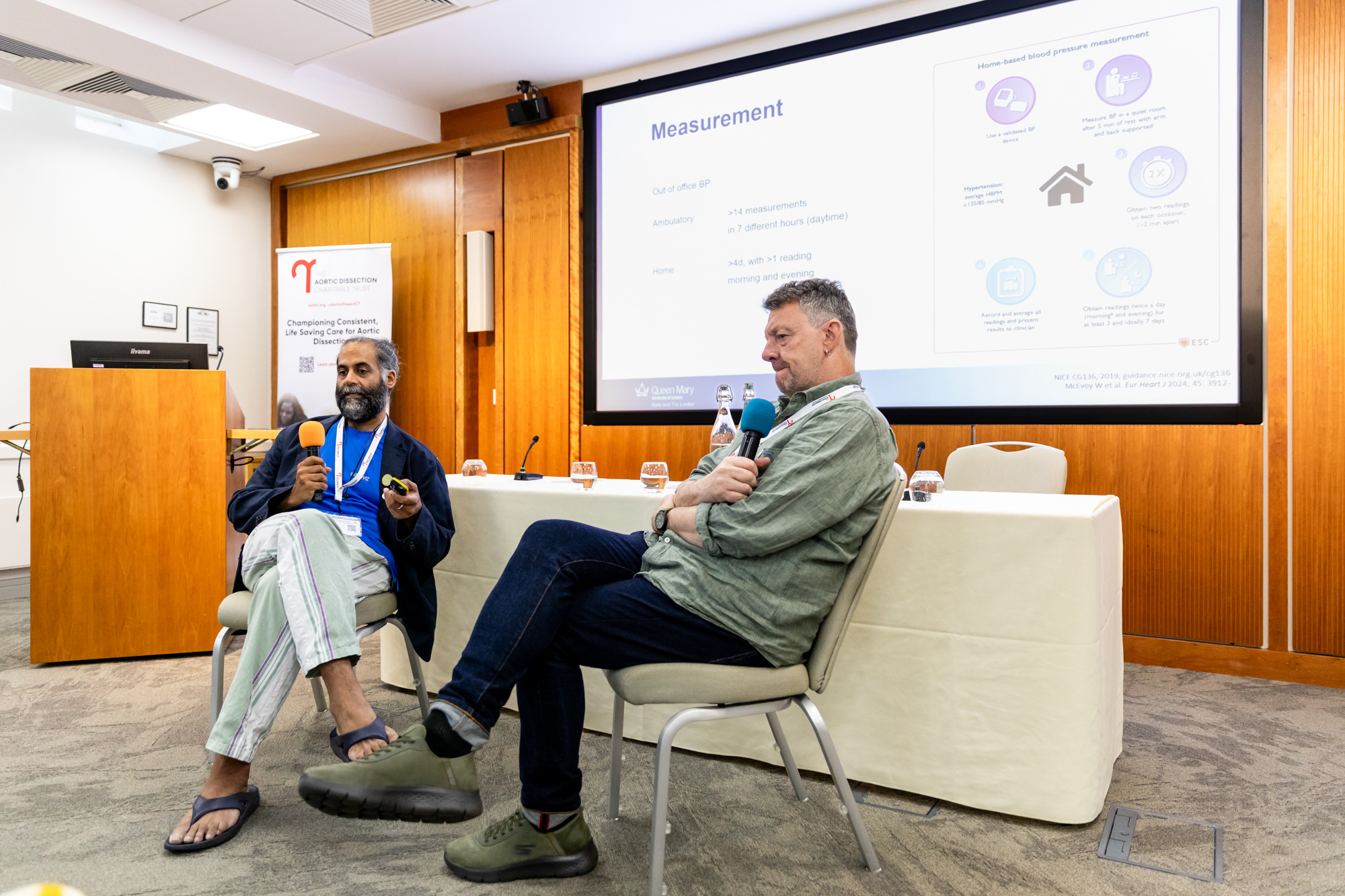
Blood pressure management remains one of the most important aspects of long-term care following aortic dissection, and delegates heard a practical and engaging discussion from Dr Vikas Kapil and patient advocate Nick Betts.
Dr Kapil explored the principles of effective blood pressure management, including accurate monitoring, medication optimisation and personalised treatment targets. He emphasised the importance of helping patients understand their condition and become active participants in their own care.
Nick reflected on his experience following an unexpected dissection and subsequent surgery, describing how monitoring his blood pressure became part of daily life.
You can get very stressed about it, and of course stress is the thing that sends your blood pressure through the roof.
The session reinforced the importance of shared decision-making and reinforced how specialist support can help patients achieve confidence in managing their condition over the long term.
Women and Aortic Dissection
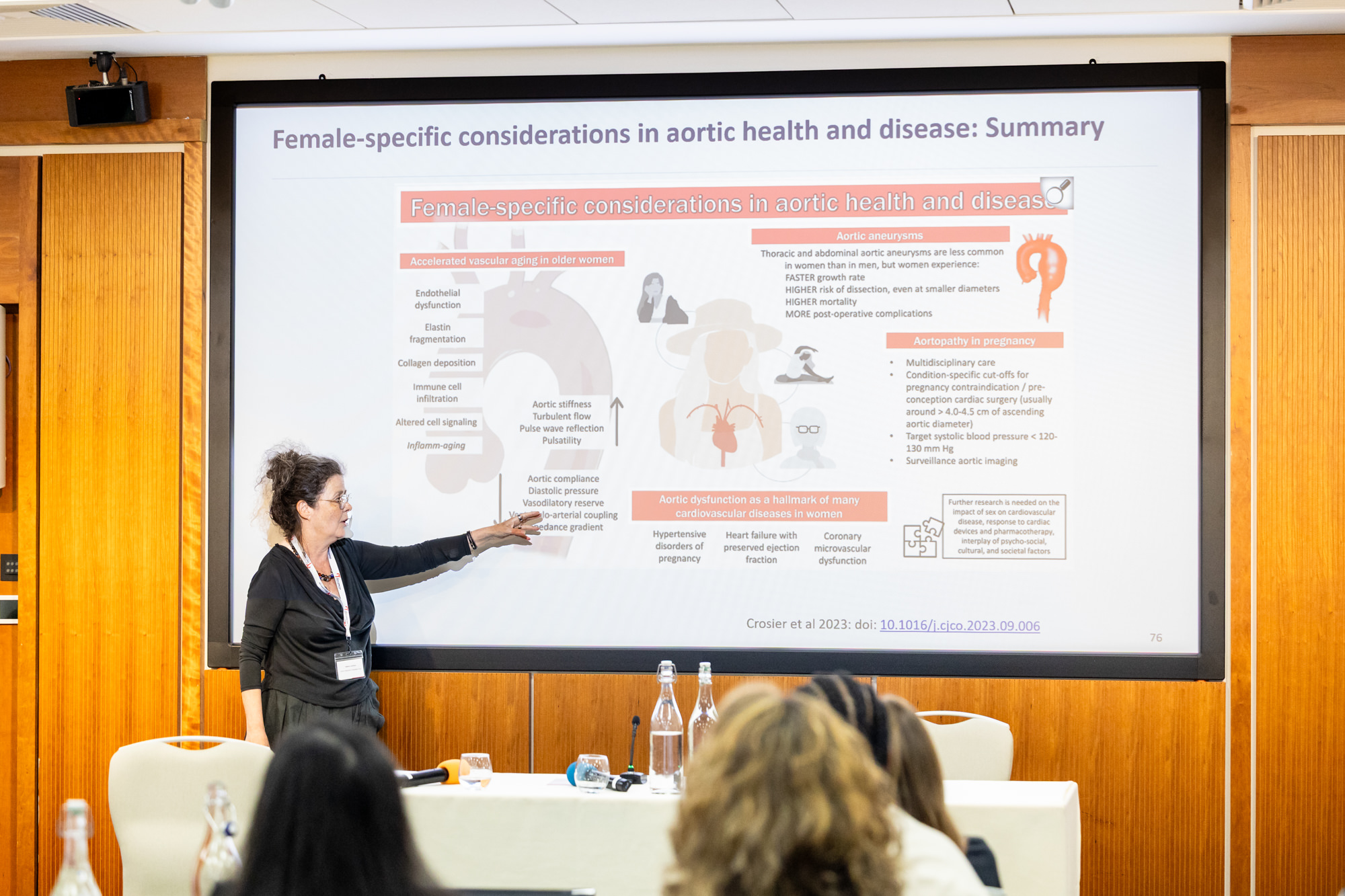
One of the most thought-provoking sessions of the day examined the unique challenges faced by women with aortic disease.
Patient advocate Valérie Lechene presented evidence prepared by Professor Julie Sanders, Professor of Cardiovascular Care at King’s College London, alongside her own lived experience to explore the growing evidence surrounding sex differences in aortic dissection.
The session examined how biological differences influence aortic disease throughout a woman’s life and considered evidence suggesting that women may experience delays in diagnosis compared with men. It also highlighted important gaps in research and understanding that continue to affect care.
Valérie brought a powerful personal perspective to the discussion, reflecting on her own experience as a survivor and the questions it raised about how women are perceived within healthcare systems.
There is evidence that with the same symptoms, women are often dismissed and are not always given the same consideration as men.
Valérie Lechene, Aortic Dissection Survivor
How an Aortic Nurse Benefits an Aortic Service
Attention turned to the central theme of the symposium, the value of specialist aortic nurses. A session prepared by Professor Aung Oo and Gordon Ferguson, the session examined how dedicated aortic nurses have become central to modern aortic services, providing continuity, coordination and specialist support throughout the patient journey.
They described how increasing service complexity, rising referral volumes and expanding patient pathways created a need for specialist coordination and continuity. The introduction of a dedicated aortic clinical nurse specialist has strengthened communication, improved patient support and enhanced collaboration across multidisciplinary teams.
The session demonstrated that successful aortic programmes rely not only on surgical expertise but also on the systems and people that connect every stage of the patient journey.
Driving the Next Generation of Aortic Care
The afternoon research session opened with an introduction from Professor John Elefteriades, William W.L. Glenn Professor of Cardiothoracic Surgery at Yale University.
Drawing on more than three decades of experience, he reflected on the critical role aortic nurses play in advancing research and improving understanding of aortic disease. He described how observations made by specialist nurses have contributed to major advances in knowledge and demonstrated the significance of embedding research within everyday clinical practice.
The nurse can be the driving force for research.
Prof John Elefteriades, William W.L. Glenn Professor of Cardiothoracic Surgery, Yale University
Research Priority Setting
Jack Hall, from the University of Birmingham and member of the charity’s Research Advisory Group, challenged delegates to think about where future research efforts should be focused.
Drawing on both professional expertise and personal experience, he emphasised the significant evidence gaps that remain across the aortic patient pathway. Despite advances in treatment, many aspects of diagnosis, rehabilitation and long-term management continue to rely on limited evidence.
This is a really under-researched area. There is a lot of space for research, and there are a lot of gaps.
Jack Hall, University of Birmingham
Jack outlined the charity’s work to develop a formal research priority-setting process that places patients, families and healthcare professionals at the centre of determining future research agendas.
The session illustrated the importance of ensuring that future studies address the questions that matter most to those affected by aortic disease.
Research Presentations
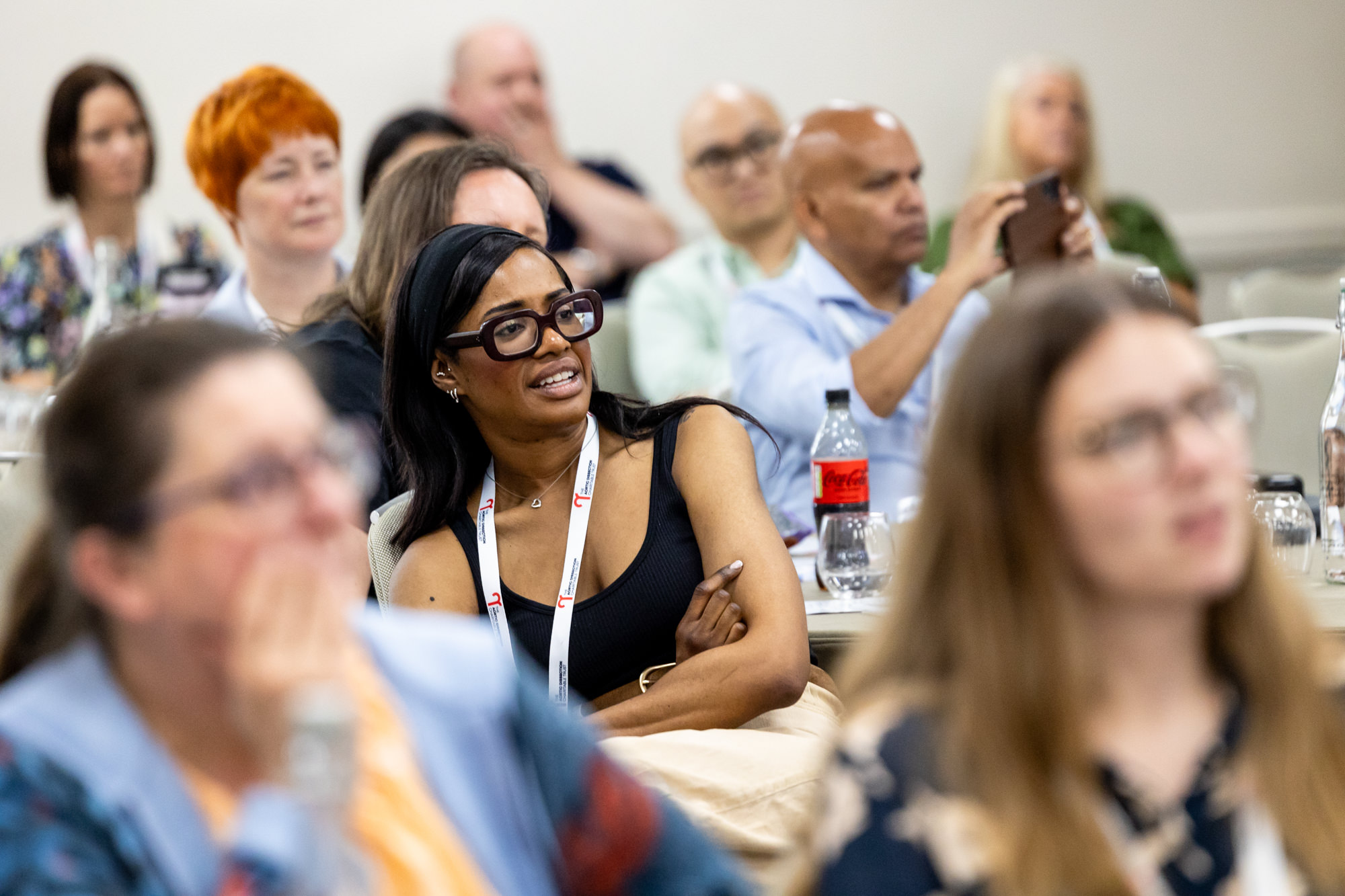
The final session of the day showcased innovative work being undertaken across the UK to improve care for patients and families affected by aortic disease.
Cristina Ruiz Segria from South Tees Hospitals NHS Foundation Trust shared the Middlesbrough experience of establishing a complex aortic service in North East England. Her presentation showcased the challenges of developing structured pathways, follow-up services and rehabilitation support in a region where dedicated aortic services had previously been limited.
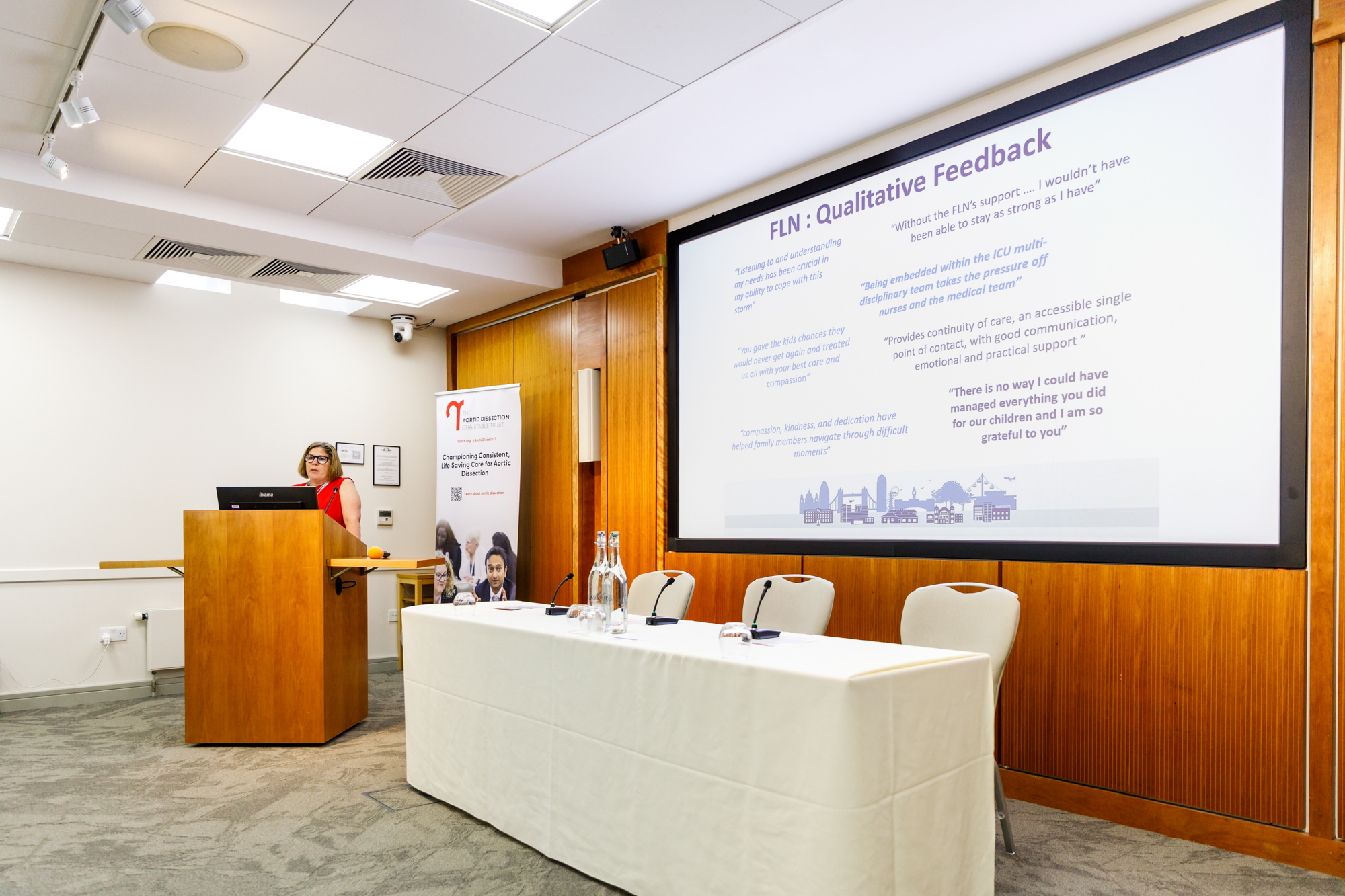
Jane Warner from Barts Health NHS Trust presented a service evaluation exploring the contribution of the Family Liaison Nurse role. Her work highlighted the importance of supporting relatives through some of the most challenging moments they may ever face, ensuring that families receive information, guidance and compassionate care alongside patients.
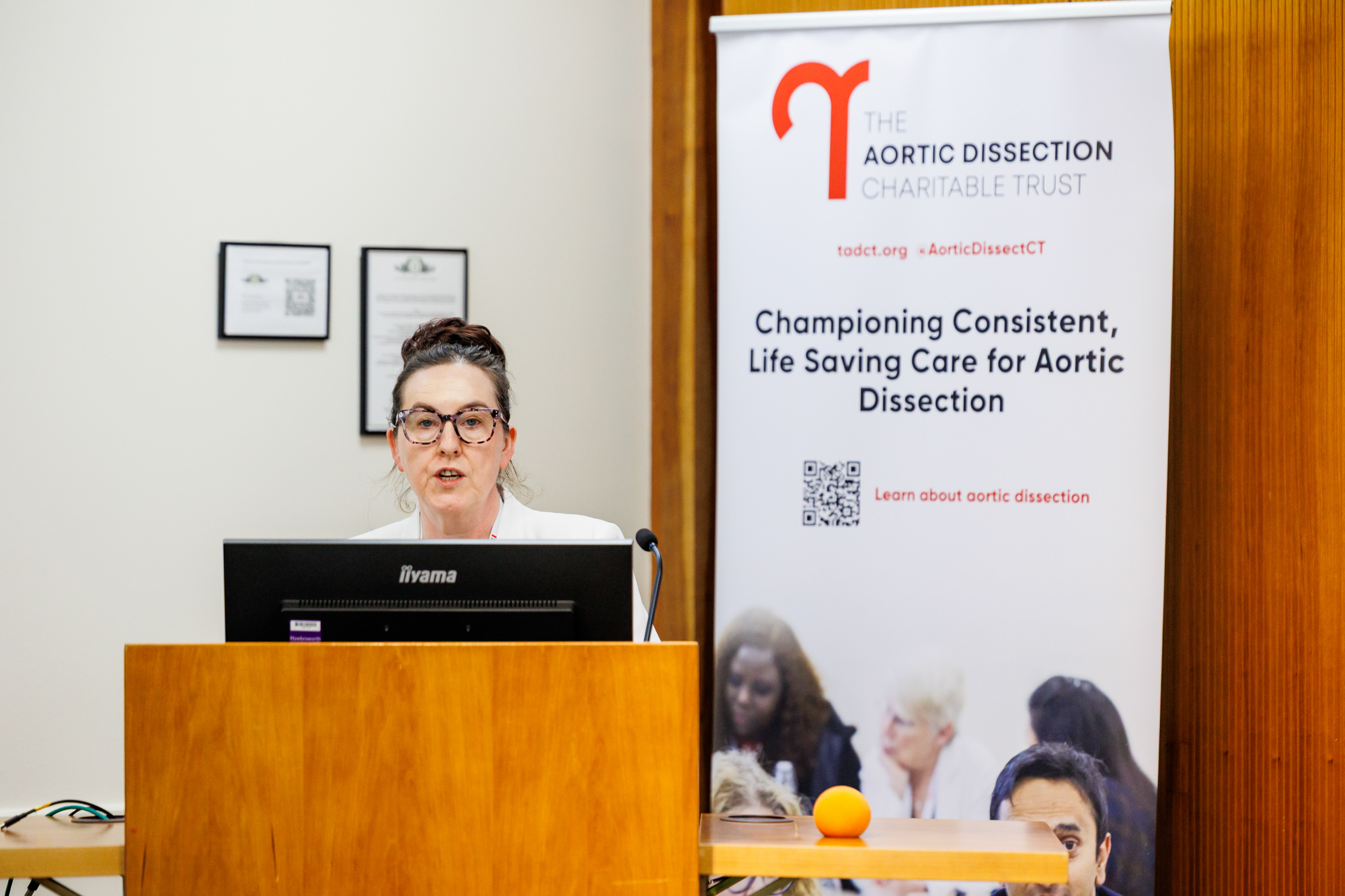
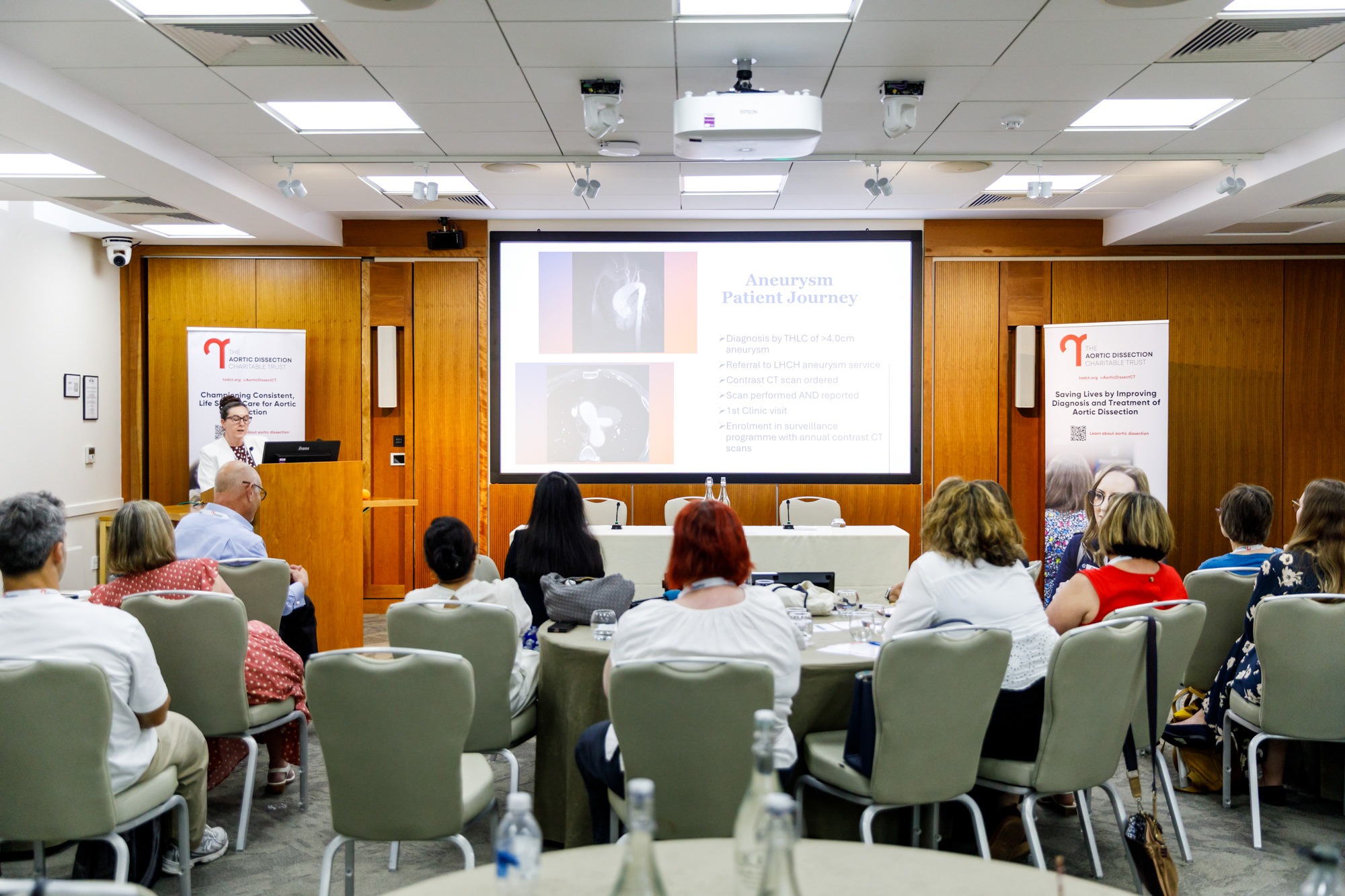
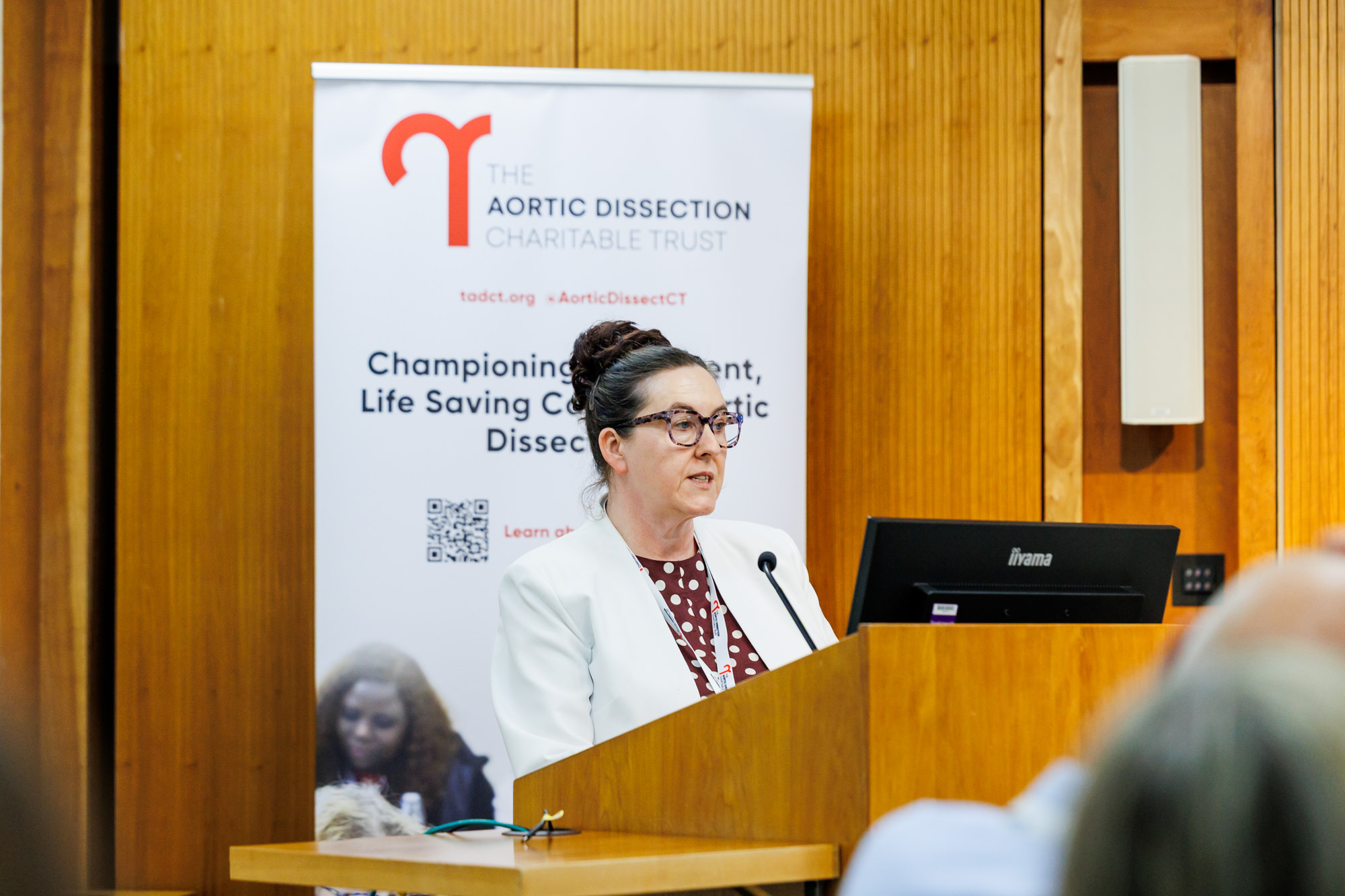
Úna Ahearn from Liverpool Heart and Chest Hospital described an innovative collaborative programme linking the Total Healthy Lung Programme, regional aortic services and primary care. The initiative demonstrated how partnership working can improve identification, surveillance and management of patients with small aneurysms.
The final presentation came from Joanne Jessup of the Marfan Trust, who shared findings from a UK-wide survey exploring the experiences of people living with Marfan Syndrome and Loeys-Dietz Syndrome. Her work showed both the progress that has been made and the challenges that remain in delivering consistent, patient-centred care for individuals living with inherited aortic conditions.
Together, the presentations showcased the breadth of innovation taking place across the aortic community and highlighted the growing contribution of nurses, researchers and multidisciplinary teams to improving patient care.

The Momentum Continues
The Aortic Nurses Symposium 2026 reflected a speciality coming of age. Where previous conversations focused on why aortic nurses are needed, this year’s programme demonstrated what becomes possible when specialist nurses are empowered to lead. Across genetics, rehabilitation, hypertension management, service development, family support and research, nurses are increasingly shaping the future of aortic care.
Most importantly, the symposium revealed a growing sense of momentum. New services are emerging. Research activity is increasing. Networks are strengthening. And the Community of Practice continues to connect professionals who share a commitment to improving outcomes for patients and families.
Aortic nursing is becoming one of the driving forces behind better aortic care across the UK and Ireland. As the speciality continues to grow, so too does the opportunity to ensure that every person affected by aortic disease receives not only life-saving treatment, but the expert support needed to live well beyond it.